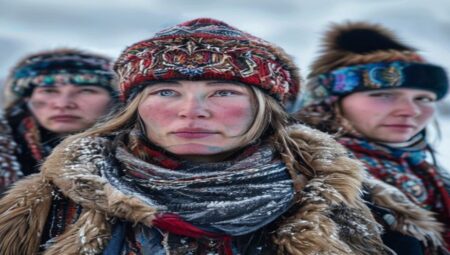
The Origins and Geographic Spread of the Sami People
The Sami heritage traces back thousands of years to the Arctic and subarctic territories of northern Europe, spanning across modern-day Norway, Sweden, Finland, and the Kola Peninsula in Russia. Archaeological excavations confirm that indigenous populations established permanent settlements in these regions during the late Bronze Age, adapting to extreme seasonal variations and isolated topographies. The Sami culture developed as a highly specialized adaptive system, blending ecological knowledge with social structures designed for mobility and resource distribution.
The Role of Reindeer in Sami Economic Foundations
Reindeer herding constitutes a cornerstone of Sami traditions, though historical demographic data indicates that only approximately thirty percent of the contemporary Sami population engages in commercial husbandry. Early domestication likely accelerated between the fourteenth and sixteenth centuries, gradually supplementing coastal fishing and inland hunting practices. Herding operations follow meticulously mapped migratory corridors determined by lichen abundance, calving grounds, and winter grazing zones. Modern Sami heritage management combines satellite telemetry, drone surveillance, and ancestral wind-reading techniques to optimize pasture rotation across international borders.
Duodji: The Art of Functional Sami Craftsmanship
Duodji represents a comprehensive indigenous craft system that merges utilitarian design with aesthetic precision. Artisans process birch bark, reindeer antler, caribou hide, and oxidized silver to produce gákti garments, hunting tools, buckles, and storage vessels. The discipline relies on generational transmission of material science, where blade geometry, leather tanning times, and seasonal harvesting dictate functional durability. Contemporary Sami culture safeguards duodji through university textile departments, certified artisan cooperatives, and intellectual property frameworks that protect indigenous design patents from commercial appropriation.
Spiritual Beliefs and Shamanistic Traditions
Before systematic Christianization campaigns during the seventeenth and eighteenth centuries, the Sami heritage operated within an animistic cosmology that recognized reciprocal relationships between humans, fauna, geological formations, and ancestral forces.
The Noaidi and the Sacred Drum (Goavddis)
The Noaidi functioned as a ritual mediator who navigated between physical and spiritual domains using the goavddis, a handcrafted drum inscribed with symbolic cartography. Drum surfaces featured painted motifs depicting solar cycles, reindeer migrations, and subterranean entities. Ethnographic archives reveal that drum layouts varied regionally, with northern Sápmi designs emphasizing celestial navigation while southern variants prioritized terrestrial topography and waterway networks.
Nature Reverence and Sustainable Coexistence
Sami traditions enforce ecological equilibrium through rotational grazing protocols, selective harvesting limits, and seasonal fasting practices that prevent resource depletion. Elders transmitted environmental ethics via narrative frameworks that classified forests, wetlands, and mountains as living entities with legal and spiritual standing. Modern conservation legislation increasingly references these indigenous principles to mitigate climate-driven permafrost thaw and biodiversity loss in high-latitude ecosystems.
Linguistic Diversity and Oral Heritage
The Sami heritage encompasses a linguistic continuum rather than a monolithic language family. Historical settlement patterns created distinct dialect zones that evolved into standardized regional forms.
The Structure and Revival of Sami Languages
Approximately ten Sami languages survive today, belonging to the Uralic branch and diverging significantly from Finnish and Hungarian. Northern Sámi, Lule Sámi, Southern Sámi, Inari Sámi, Skolt Sámi, and several extinct varieties share agglutinative morphology, vowel harmony, and case systems exceeding thirty grammatical markers. Colonial assimilation policies in Norway, Sweden, and Finland suppressed linguistic practice until late-twentieth-century legislation granted official status, funded immersion academies, public broadcasting networks, and academic documentation projects.
Joik: The Unique Vocal Tradition of the North
Joik operates as a non-linear vocal practice that evokes the essence of a person, location, animal, or emotional state without narrative exposition. Performers utilize breath control, glottal articulation
The Geographic and Historical Roots of Sami Heritage
Sápmi Across Four Nations
The Sámi homeland spans northern Fennoscandia across Norway, Sweden, Finland, and Russia. This territory covers 385,000 square kilometers of Arctic tundra, taiga, and coastal zones. Border treaties in the 19th century split the region without consulting indigenous populations. Modern Sámi parliaments operate in three countries to manage cultural and economic affairs.
Centuries of Resilience and Adaptation
Historical suppression targeted Sámi cultural practices through forced assimilation policies. Residential schools banned native languages and traditional clothing during the 19th and 20th centuries. Communities maintained oral transmission networks to preserve knowledge despite systemic erasure. Resource extraction and dam construction later threatened traditional grazing routes.
Traditional Practices That Define Sami Identity
Reindeer Herding and Arctic Survival
Boatning requires precise tracking of reindeer movements across seasonal pastures. Herders use handcrafted skis and specialized clothing made from reindeer hide. The Siida system organizes collaborative hunting and grazing rights within local groups. Modern herders combine GPS tracking with generational knowledge of snow conditions.
Joik Music and Oral Storytelling
Joik functions as a direct sonic representation of a person, animal, or landscape. Performers use vocal techniques that mimic wind patterns and animal calls. Historical contexts restricted joik to specific rituals and seasonal gatherings. Digital archives now preserve rare dialect variations lost to urban migration.
Duodji Craftsmanship and Functional Art
Duodji requires materials sourced directly from local ecosystems. Artisans process reindeer antler and birch root through traditional curing methods. The Sámi Duodji certification guarantees authenticity and protects against mass-produced replicas. Functional designs prioritize durability in subzero temperatures.
Spiritual Beliefs and Connection to Nature
Animism and Sacred Landscapes
Sámi cosmology recognizes spiritual forces within mountains, rivers, and specific trees. Sieidi stones serve as historical altars for offerings and seasonal ceremonies. Shamans historically used drums to navigate spiritual realms during crises. Modern practitioners maintain these sites through community-led conservation efforts.
Modern Revival of Indigenous Spirituality
Legal victories restored access to sacred pilgrimage routes blocked by national parks. Youth programs integrate traditional ecological knowledge with contemporary environmental science. Interfaith dialogues highlight shared values between Sámi beliefs and global indigenous movements. Digital mapping projects document historical ritual sites for educational purposes.
Contemporary Art, Fashion, and Global Influence
Gákti and Symbolic Clothing
The Sámi gákti displays regional origin through specific color patterns and silverwork. Traditional weaving techniques create durable textiles for Arctic conditions. Legal frameworks now protect geographic indications for authentic gákti production. Fashion designers collaborate with elders to update patterns for modern audiences.
Sustainable Tourism and Cultural Exchange
Travelers seek unmediated cultural experiences rather than staged performances. Local guides control narrative framing to prevent historical misrepresentation. Community-owned lodges ensure revenue stays within Sámi economic networks. Visitors participate in seasonal workshops to learn practical survival skills.
Legal Status, Rights, and Political Advocacy
Language Preservation and Education
Sámi languages belong to the Uralic family and face varying degrees of endangerment. Immersion schools teach mother-tongue literacy from early childhood through university levels. Government funding supports bilingual signage and legal document translation. Digital apps provide interactive vocabulary lessons for diaspora communities.
Land Rights and Resource Management
International courts increasingly recognize indigenous land tenure over mineral-rich territories. The Norwegian Constitution explicitly guarantees Sámi cultural self-determination. Mining permits now require free, prior, and informed consent from local communities. Legal battles continue over wind farm impacts on migratory corridors.
Climate Change and Indigenous Wisdom
Rapid Ice Thinning and Migration Shifts
Rapid ice thinning forces herders to adjust migration calendars annually. Coastal erosion threatens historical settlement sites along the Norwegian Sea. Elders document generational weather patterns to guide adaptation strategies. International research grants fund collaborative monitoring stations in remote regions.
Cross-Cultural Respect and Ethical Tourism
Certification programs verify ethical business practices before granting tourism licenses. Guides undergo cultural competency training to address visitor questions accurately. Photography restrictions protect sensitive ritual locations from unauthorized documentation. Revenue from regulated tours funds language revitalization initiatives.
Frequently Asked Questions
What is Why Sami Culture Fascinates the World?
The phrase “Why Sami Culture Fascinates the World” highlights the global intrigue surrounding the indigenous Sami people’s unique Arctic heritage, including their reindeer herding traditions, intricate duodji crafts, melodic joik songs, and resilient way of life in the far northern regions of Scandinavia and Russia.
Key facts about Why Sami Culture Fascinates the World
Key facts include the Sami being Europe’s only legally recognized indigenous group, their diverse Uralic language family, the cultural significance of the Gákti traditional clothing, the annual Sami National Day celebrations, and their growing influence in global discussions on indigenous rights, environmental stewardship, and sustainable Arctic living.