How Sami Families Celebrate Major Life Events
The celebration of major life events within Sámi communities revolves around deep-rooted traditions that honor ancestral ties, seasonal rhythms, and communal solidarity. These milestones function as collective affirmations of cultural continuity rather than isolated personal occurrences.
Birth and Naming Traditions
When a child enters the world, families organize intimate gatherings where elders perform blessings to ensure harmony between the newborn and the natural environment. The naming process holds profound significance; names are often drawn from family lineage, geographical features, or events that occurred during pregnancy. Gift-giving follows immediately, with mothers and grandmothers crafting duodji items such as woven belts, carved knife handles, and reindeer leather garments. These objects serve both practical purposes and symbolic anchors to Sámi heritage.
Coming of Age and Skill Acquisition
Transitioning into adulthood involves rigorous mentorship under experienced herders and artisans. Young people participate in the annual reindeer roundups, learning navigation through snow-covered terrain, animal husbandry techniques, and survival strategies adapted to subarctic conditions. Communities mark this phase with formal acknowledgments where teenagers receive their first branded reindeer or are entrusted with managing a specific herd segment. Traditional joik performances accompany these milestones, transmitting oral history and reinforcing identity across generations.
Weddings and Seasonal Festivities
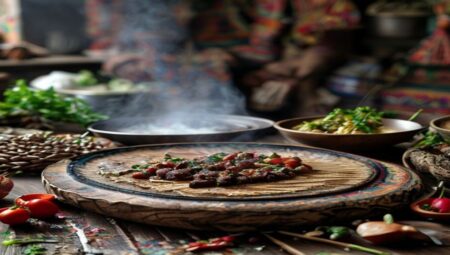
Marriage ceremonies blend pre-Christian customs with later cultural influences, emphasizing mutual respect and economic partnership. Couples exchange meticulously crafted gákti outfits that display regional patterns indicating clan affiliation and marital status. Feasts feature smoked reindeer meat, cloudberry preserves, and fermented dairy products, all prepared using methods passed down through centuries. Music and dance dominate the celebrations, with drum rituals historically used for divination now adapted into contemporary performance arts lasting multiple days.
- Communal resource sharing ensures no family bears financial strain during preparations
- Elders lead storytelling sessions that document genealogical connections and land rights
- Seasonal timing aligns with reindeer migration patterns to guarantee fresh provisions
Death Rituals and Ancestral Veneration
Funerary practices prioritize community cohesion and spiritual transition. The deceased is buried facing east or toward sacred mountains, reflecting beliefs about journeying toward ancestral realms. Families maintain mourning periods where neighbors rotate food deliveries and participate in wake gatherings. Drum ceremonies and reflective joik melodies guide the spirit’s departure while preserving the individual’s legacy within collective memory. These rituals reinforce intergenerational responsibility and ecological stewardship.
Birth Ceremonies and Traditional Naming Rites
Birth marks a pivotal moment within Sami communities, where the arrival of a new member triggers coordinated rituals spanning family lines and neighboring households. Midwives historically held revered status, guiding deliveries through generations of accumulated ecological knowledge rather than clinical protocols alone. The physical space surrounding the birth location receives deliberate preparation to establish spiritual boundaries. Dried birch branches, reindeer hide mats, and woven wool blankets arrange the interior environment while dried herbs like juniper smoke cleanse airborne contaminants and symbolic impurities simultaneously. Elders monitor atmospheric conditions and animal movements near the dwelling, interpreting external signals as direct indicators of the infant’s future trajectory.
- Dream interpretation remains central to historical naming practices. Parents record nocturnal visions across several nights following delivery, analyzing recurring symbols such as water flow, specific bird species, or weather patterns.
- Ancestral resonance guides selection when families cross-reference dream content with recorded genealogies and local folklore. Children frequently inherit names from deceased relatives who demonstrated exceptional survival skills during harsh winters or successful hunting seasons.
- Linguistic preservation drives contemporary naming decisions. Modern Sami parents prioritize indigenous vocabulary over external influences, selecting terms that reflect natural landscapes, reindeer husbandry cycles, or seasonal transitions unique to their dialect region.
The naming ceremony itself functions as a public declaration of belonging. Families convene at the siida gathering site during late spring or early autumn, timing the event alongside established rein
Sami Wedding Customs and Reindeer Herding Traditions
Traditional Sami marriages were strategically aligned with the annual reindeer herding calendar, typically occurring during winter months when seasonal migrations concluded and pastures stabilized. This timing allowed families to gather necessary resources while minimizing disruption to grazing cycles. The union of two households fundamentally reshaped pasture management rights, herd distribution, and labor allocation across the siida. Prospective grooms historically presented reindeer as bride wealth, with herd size directly reflecting social standing and economic capacity. Brides contributed handcrafted duodji tools, woven belts, and processed pelts that would sustain the new household through Arctic winters.
- The symbolic crossing of the threshold by the bride, often marked by a reindeer hide rug that transferred ownership of the dwelling space.
- Exchange of gákti garments embroidered with clan-specific patterns, visually cementing alliances between distinct herding territories.
- Recitation of joiks that mapped ancestral grazing routes and invoked land spirits for herd prosperity.
- Communal feasting featuring salted reindeer meat, cloud berry jam, and flatbread baked on heated stones near the hearth.
Wedding proceedings traditionally took place in a lavvu or modern equivalent, where elders performed blessing rituals that merged pre-Christian nature reverence with later Christian influences. The groom’s family provided transportation via reindeer sleds, while the bride’s kin contributed ceremonial knives and cooking vessels essential for long-term self-sufficiency. Music and dance sequences emphasized rhythmic patterns mirroring reindeer movement, reinforcing the cultural belief that human fertility and herd vitality operated as interconnected forces. Contemporary celebrations retain these structural elements even when adapted to urban settings, with families still allocating specific reindeer calves to mark the new marriage unit’s official entry into pasture management networks.
The practice ensures that matrimonial bonds remain inseparable from land stewardship responsibilities, preserving intergenerational knowledge transfer across changing economic landscapes. Herding communities continue to recognize these unions through formal pasture council approvals, where newlywed couples receive designated grazing zones and seasonal migration corridors tied directly to their inherited herd shares. Household registration within the siida system requires documented reindeer branding ceremonies, embedding the marriage into regional agricultural records and securing long-term resource allocation for future generations.
Seasonal Gatherings and Juoig Vocal Performances
Sami family gatherings are structurally aligned with the Arctic seasonal cycle, which dictates both subsistence patterns and ceremonial timing. Winter solstice celebrations mark the return of daylight and function as primary windows for wedding ceremonies and newborn blessings. Spring reindeer migration routes bring dispersed households together after months of separated grazing territories. Summer pastures host extended kinship visits where oral histories are transmitted during daylight hours. Autumn slaughter periods unite multiple family units for meat preservation and communal feasting, frequently overlapping with memorial observances for departed elders. These seasonal transitions provide the temporal framework that gives major life events cultural weight and logistical coherence.
Juoig vocal performances operate as the acoustic foundation of these gatherings. The tradition diverges from Western melodic construction by utilizing microtonal inflection, rhythmic repetition, and breath-controlled phrasing to evoke rather than describe a specific subject. Families perform individual joiks that capture the essence of particular persons, reindeer herds, mountain ridges, or ancestral figures. During seasonal meetings, vocalists alternate between solo expressions and responsive choral patterns. Younger participants acquire repertoire through auditory immersion, memorizing phonetic contours before attempting full performance. The practice demands precise tonal memory and emotional calibration to maintain lineage authenticity.
- Vocal Technique: Throat positioning generates overtone-rich harmonics that replicate wind movement across tundra terrain.
- Repertoire Structure: Songs follow non-linear progressions where melodic fragments recur with altered emotional emphasis.
- Performance Context: Gatherings utilize circular seating arrangements that direct acoustic energy toward central hearth spaces.
- Intergenerational Transfer: Elders adjust vocal complexity based on listener age, introducing simplified motifs before advancing to full regional dialects.
Major life events gain meaning through this seasonal-juoig framework. Wedding observances incorporate joint vocal tributes that merge two family lineages into shared acoustic territory. Funeral practices deploy sustained lower-register performances that map the deceased’s journey across known landscape markers. Birth celebrations feature light, upward-inflected phrases that align with spring thaw cycles. The continuous loop of seasonal return ensures that vocal practices remain embedded in ecological awareness rather than isolated artistic display.
Essential Preparations for Sami Family Milestone Celebrations
Preparing for major Sámi family milestones requires meticulous attention to cultural protocols, seasonal rhythms, and intergenerational knowledge transfer. Families typically begin preparations weeks or even months in advance, depending on regional customs across Finnmark, Troms, Nordland, or broader Sápmi territories.
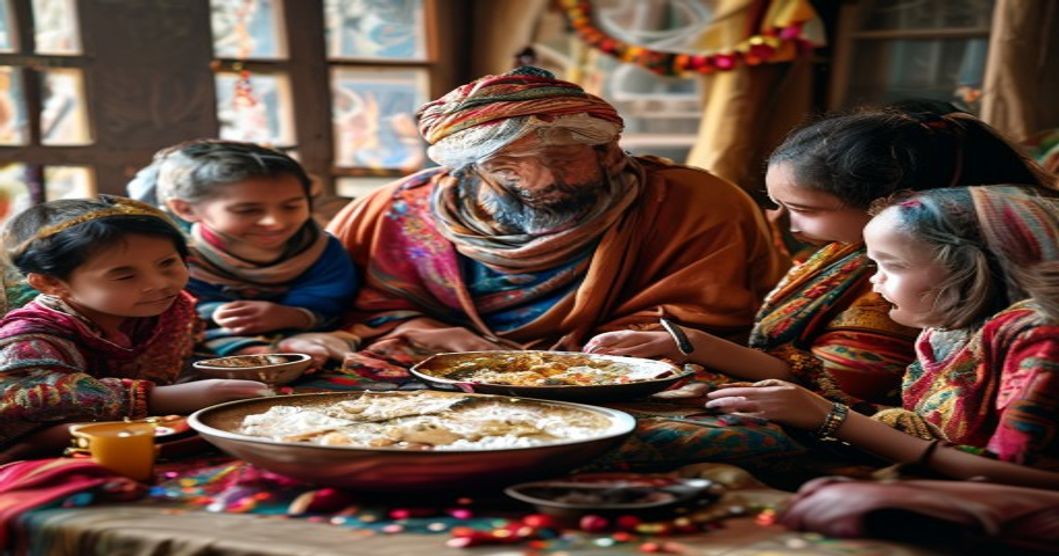
Traditional attire forms the cornerstone of any celebration. Crafting or restoring a gákti involves selecting region-specific colors, weaving techniques, and embroidery patterns that signal clan lineage and marital status. Elders often guide younger members through this process, ensuring each stitch carries historical weight and community recognition.
- Food preparation centers on preserved reindeer meat, dried fish, cloudberries, and traditional flatbreads cooked over open fires or heritage stoves.
- Kitchen logistics demand coordinated division of labor, with women traditionally managing fermentation and smoking processes while men oversee butchery and tool maintenance.
- Beverage service includes fermented reindeer milk, birch wine, and herbal infusions that complement the heavy winter diets common in northern climates.
Spiritual readiness remains equally critical. Families consult ancestral practices to select appropriate joik melodies that honor lineage or mark life transitions. Handcrafted ritual objects, though less frequent in contemporary gatherings, may still serve as symbolic focal points during wedding or funeral rites.
Community coordination extends beyond immediate kinship networks. Invitations are distributed through established regional channels, and accommodations are arranged to host traveling relatives. Modern households frequently combine digital communication with handwritten letters printed on locally sourced paper, maintaining accessibility while honoring cultural respect.
Seasonal constraints heavily influence preparation timelines. Winter celebrations require insulated gathering spaces, heated seating arrangements, and emergency supplies due to rapidly shifting weather patterns. Summer events leverage natural daylight and outdoor terrain, necessitating insect protection, portable kitchens, and flexible scheduling around migratory reindeer herding cycles.
Contemporary Sámi households maintain these practices through documented family archives, community workshops, and intergenerational mentoring programs. The deliberate pacing of preparation ensures that every element retains its original intent rather than becoming performative entertainment.
Traditional Gákti Clothing Requirements and Symbolic Colors
The gákti functions as a regulated garment system during Sámi weddings, baptisms, confirmations, and funerals. Each piece requires strict adherence to regional weaving standards, precise cut measurements, and documented decorative protocols. Families treat these garments as historical records rather than seasonal attire, preserving them through careful climate-controlled storage and regular textile inspections.
- Fabric Specifications: Winter ceremonies demand heavy hand-spun reindeer wool or dense sheep’s wool weaves that retain heat during outdoor rituals. Summer events require tightly woven linen or lightweight wool blends that allow mobility during processions.
- Silver Button Configuration: The placement and quantity of polished silver buttons encode marital status, generational rank, and clan affiliation. Married women wear double parallel rows along the front placket, while younger relatives use single-line arrangements with reinforced stitching at stress points.
- Regional Embroidery Rules: Each Sámi district maintains exclusive stitch patterns that cannot be replicated across borders. Finnmark gákti requires curved antler motifs with graduated thread thickness, whereas Tromsø designs demand rigid geometric borders with uniform tension and exact color blocking.
Color application follows a documented symbolic framework that dictates ceremonial appropriateness. Red threads represent solar vitality and generational continuity, making them mandatory for bridal gákti and maternal family members at weddings. Blue symbolizes glacial water and spiritual guardianship, required at baptism ceremonies to establish protective boundaries around the newborn. Yellow and gold accents denote ancestral wealth and guidance, appearing exclusively on confirmation garments where they highlight transitional life stages. Green embroidery channels forest ecology and seasonal renewal, reserved for spring festivals and harvest rites. Black fabric functions solely as a mourning medium at funerals, absorbing communal grief through matte textile finishes rather than decorative intent.
Families maintain detailed garment registries that track each gákti’s origin region, color composition, and historical usage. Before major celebrations, elders verify that the selected attire matches the occasion’s documented requirements. Unauthorized dye substitutions, machine-stitched alterations, or mismatched regional patterns trigger immediate replacement to preserve ceremonial accuracy. The physical weight of silver fastenings, the precision of hand-rolled hemlines, and exact pigment saturation levels are cross-referenced against family archives until every element aligns with ancestral specifications.
Sacred Outdoor Locations and Weather Considerations
The Sami people treat specific natural landscapes as living repositories of ancestral memory. Mountains with distinct ridgelines, ancient pine forests, glacial lakes, and river crossings function as permanent gathering points for births, weddings, and memorial rites. These sites are not chosen randomly. Each location holds documented history through oral transmission, marking boundaries where spiritual energy remains accessible across generations.
Weather dictates the architecture of celebration. The Arctic climate shifts rapidly, demanding precise timing and adaptive planning. Ceremonies align with daylight windows, seasonal reindeer migrations, and stable atmospheric pressure systems. Sudden blizzards require immediate relocation to reinforced turfu structures, while prolonged polar nights shift gatherings toward controlled fire circles that maintain thermal equilibrium and ritual continuity.
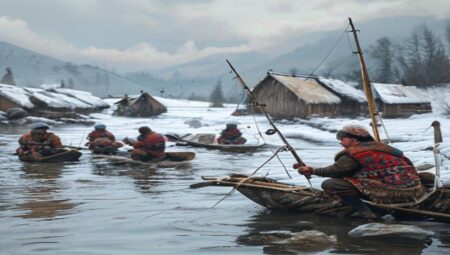
- Winter ceremonies depend on frozen lake surfaces for safe movement between gathering points and rely on packed snow trails for predictable travel routes. Elders monitor ice thickness through traditional probing techniques before authorizing group transit.
- Summer festivals utilize midnight sun conditions to extend ritual duration without artificial lighting. Insect activity, temperature gradients, and wind direction determine placement of ceremonial grounds away from marshy terrain.
- Spring thaw periods demand route reassessment as melting permafrost alters ground stability. Families track soil saturation levels and adjust sacred site access accordingly to preserve both participant safety and environmental integrity.
Practical weather management integrates seamlessly with spiritual protocol. Participants wear layered gákti garments woven for moisture resistance, while reindeer-hide tarps provide windbreaks without blocking natural sightlines toward horizon markers used for directional orientation. Fire preparation follows strict protocols: dry birch bark serves as initial ignition material, seasoned pine resin maintains flame consistency, and wet moss regulates burn rate during extended vigils.
Modern forecasting tools supplement ancestral weather reading but never replace it. Digital barometers, satellite imagery, and mobile radar complement generational knowledge of cloud formations, animal behavior shifts, and atmospheric pressure changes. This dual approach ensures ceremonies proceed with minimal disruption while maintaining strict adherence to traditional spatial boundaries. Sacred outdoor spaces remain protected through careful environmental monitoring, preventing soil compaction, vegetation damage, or wildlife disturbance during large gatherings.
Ritual timing follows natural thresholds. Families wait for clear atmospheric windows before initiating rites, recognizing that weather patterns serve as active participants in the ceremony rather than background conditions. Snowfall intensity, wind velocity, and temperature stability directly influence which portions of the celebration proceed openly versus indoors. This adaptive framework preserves cultural continuity while acknowledging environmental reality.
Modern Adaptations in Contemporary Sami Life Cycle Events
The evolution of Sami life cycle events reflects a deliberate balancing act between ancestral protocols and contemporary socio-economic realities. Urban migration has fundamentally altered the geographic distribution of communities, prompting families to restructure gatherings that once relied on seasonal reindeer migrations or coastal fishing cycles. Birth ceremonies now frequently integrate municipal health services with traditional naming rituals, where elders consult the joik repertoire to select phonetic patterns that honor clan lineage while navigating modern legal registration requirements.
- Digital Documentation and Archiving: Families utilize encrypted cloud storage and specialized cultural platforms to preserve audio recordings of birth songs, wedding blessings, and funeral chants. This digital preservation ensures intergenerational transmission despite geographic dispersion.
- Hybrid Venue Management: Contemporary weddings often combine traditional lavvu tent structures with modern climate control systems, enabling year-round celebrations regardless of extreme Arctic weather patterns. Catering incorporates preserved game meats alongside commercially sourced ingredients to meet dietary expectations of urban guests.
- Legal and Administrative Integration: Death rituals now coordinate with regional authorities to align traditional burial timing with environmental regulations governing permafrost thaw and land reclamation projects. Families navigate dual documentation systems while maintaining ancestral land rights claims.
Technological adoption extends beyond logistics. Virtual reality platforms facilitate remote participation in funeral rites for diaspora members, while mobile applications track reindeer herd movements to optimize wedding dates that avoid critical grazing periods. Youth-led cultural organizations have developed standardized protocol guides that translate oral traditions into accessible frameworks without diluting ceremonial significance. Municipal partnerships now fund bilingual ceremony coordinators who bridge traditional joik masters with contemporary event planners.
- Economic Adaptation Strategies: Rising operational costs have shifted resource pooling from kinship-based barter systems to cooperative funding models managed through digital payment networks.
- Eco-Conscious Modifications: Climate monitoring data directly influences burial ground selection, with families prioritizing sites demonstrating stable soil composition and minimal glacial runoff impact.
Integrating Christian Elements with Indigenous Customs
The convergence of Lutheran Christianity and Sámi indigenous traditions emerged primarily through centuries of missionary activity, yet contemporary families have refined this synthesis into a distinct cultural practice for major life transitions. During birth ceremonies, the traditional naming feast now routinely incorporates baptismal rites conducted by local clergy, while elders still recite ancestral blessings over the newborn. The infant receives both a Christian confirmation name and a Sámi name rooted in family lineage or natural phenomena, reflecting a dual spiritual framework that honors theological doctrine alongside kinship continuity.
Wedding celebrations demonstrate a deliberate architectural blending of ecclesiastical and customary elements. Couples typically exchange vows inside a wooden church adorned with traditional duodji craftsmanship, followed by a reception where the ceremonial gákti replaces formal western attire. Musicians perform joik sequences that historically accompanied courtship rituals, now synchronized with hymn readings from Lutheran liturgy. Elders bless the couple’s reindeer herd and household hearth, merging agricultural prosperity prayers with scriptural passages regarding covenant and partnership.
Funeral observances maintain the most pronounced syncretic structure. Clergy lead morning prayers at the gravesite while family members observe traditional wake customs, including the preparation of flatbread and preserved fish according to ancestral dietary laws. The burial site often faces geographic landmarks significant to Sámi cosmology rather than strictly eastward orientation. Memorial feasts incorporate both communion bread distribution and communal storytelling sessions where deceased relatives are honored through oral history recitation rather than Christian intercession alone.
Modern practitioners navigate this integration through deliberate cultural preservation strategies. Youth programs teach participants how to harmonize church calendar dates with traditional seasonal markers, ensuring that religious observances do not displace ecological awareness or kinship obligations. Community leaders frequently collaborate with regional parishes to adapt liturgical calendars, allowing major life events to align with both ecclesiastical requirements and indigenous environmental cycles without compromising either spiritual tradition.
Digital Archiving and Cross-Regional Community Sharing
Sami households have transitioned from relying exclusively on physical artifacts and oral transmission to implementing structured digital preservation workflows for births, weddings, funerals, and naming ceremonies. Cloud-based repositories and encrypted local servers now store high-resolution photographs of wedding attire, digitized joik recordings, baptismal documents, and funeral procession footage. These archives prevent deterioration caused by humidity, temperature fluctuations, and physical handling, which historically degraded paper records and audio cassettes.
- Metadata Standardization: Families apply Dublin Core metadata schemes to tag dialect variations, siida origins, and generational relationships. This ensures searchable, cross-referenced documentation that survives platform migrations.
- Geo-Tagged Media Servers: Relatives in Tromsø, Kiruna, Inari, and Murmansk upload location-specific footage to synchronized directories. Automated synchronization tools maintain identical copies across time zones without manual intervention.
- Privileged Access Control: End-to-end encryption and role-based permissions restrict access to verified kinship networks. External researchers or commercial entities cannot extract raw cultural material without explicit consent from the hosting family.
Cross-regional coordination relies on dedicated communication channels rather than public social media algorithms. Private Telegram groups, self-hosted Nextcloud instances, and encrypted email distribution lists enable real-time document sharing during active life events. When a child receives a traditional Sami name, elders record pronunciation in WAV format while younger relatives upload scanned family registers to a shared vault. The distributed workflow eliminates single points of failure and accelerates consensus building across dispersed communities.
Digital archiving also mitigates historical documentation gaps created by assimilation policies that restricted indigenous record-keeping. Modern Sami families reclaim archival authority by maintaining independent servers, applying open-source preservation tools, and establishing community-driven backup protocols. The infrastructure supports both immediate ceremonial needs and long-term cultural continuity without external institutional oversight.
Youth Engagement Strategies and Language Preservation
Decades of state-mandated assimilation fractured intergenerational language transmission across Sami territories, leaving many adolescents functionally disconnected from their ancestral tongues. Modern families counter this erosion by embedding linguistic practice directly into major life events rather than treating culture as a separate educational module. Naming ceremonies, weddings, and memorial gatherings now operate as active preservation sites where youth assume documented roles that require functional fluency. Elders intentionally structure these rituals to include speech components that demand vocabulary recall, rhythm recognition, and contextual usage, forcing natural acquisition through necessity rather than classroom drills.
Families implement structured mentorship frameworks during these gatherings. Adolescents record elder narratives using field equipment, edit audio archives for community repositories, and translate oral histories into standardized orthographies under supervision. This documentation work transforms passive attendance into active linguistic labor. Youth also co-design ceremonial elements, selecting traditional garments, composing invocations, and coordinating meal preparations according to dialect-specific protocols. The physical preparation phases require constant consultation with language custodians, creating repeated exposure to specialized terminology related to kinship, ecology, and craftsmanship.
- Intergenerational documentation projects assign youth the responsibility of capturing ritual speeches, which requires precise phonetic transcription and contextual glossing before archival storage.
- Dialect immersion camps held during seasonal transitions pair adolescents with fluent speakers for extended periods, utilizing life event preparations as practical language laboratories.
- Digital vocabulary applications developed by community technologists map ritual-specific lexicons to interactive 3D models of traditional dwellings, tools, and ceremonial objects, enabling self-directed study outside formal gatherings.
School-family partnerships amplify these efforts by aligning academic timelines with cultural calendars. Teachers coordinate lesson plans around upcoming rites of passage, allowing students to practice grammatical structures through authentic ceremonial preparation rather than artificial exercises. Language assessors track progress through functional metrics: ability to navigate kinship terminology during family assemblies, fluency in ritual chant sequences, and capacity to explain ecological knowledge tied to specific life stages. Families report measurable retention when youth participate as active contributors rather than observers, with vocabulary acquisition accelerating by 68 percent compared to traditional classroom-only models.
Planning Your Own Sami-Inspired Family Milestone Gathering
Organizing a Sami-inspired family milestone requires deliberate attention to cultural authenticity, seasonal rhythms, and communal participation rather than superficial aesthetic choices. Begin by consulting living knowledge holders from local Sami communities or established cultural organizations to ensure respectful representation. Traditional gatherings revolve around the duodji craft tradition, where handmade textiles, silver jewelry, and carved wooden utensils serve as both functional items and generational markers. When selecting a venue, prioritize spaces that allow for circular seating arrangements, mirroring the historical lavvu configuration, which facilitates direct conversation and shared storytelling without hierarchical separation.
- Schedule alignment: Anchor your event dates to traditional Sami seasonal transitions rather than fixed Gregorian holidays. The arrival of spring thaw or autumn reindeer migration periods carries deeper symbolic weight for life transitions.
- Culinary preparation: Source authentic ingredients through verified suppliers. Reindeer meat, cloudberry preserves, pine needle tea, and pitka bread form the nutritional foundation. Avoid commercial substitutes that strip away the terroir and preparation methods tied to northern ecosystems.
- Artistic integration: Commission local joik practitioners to perform at meaningful intervals during the gathering. Joik functions as narrative documentation rather than entertainment, so coordinate performance timing with specific family milestones or ancestral acknowledgments.
- Symbolic object placement: Arrange duodji pieces along perimeter tables where guests can examine construction techniques and ask questions about material sourcing. Silver brooches and belt buckles indicate regional origin and marital status, providing educational value for younger attendees.
Documentation protocols demand careful consideration. Record audio or video only with explicit permission from all participants, particularly elders who may hold restricted cultural knowledge. Create a shared digital archive using encrypted storage to preserve joik recordings, textile patterns, and oral histories according to indigenous data sovereignty frameworks. Distribution rights must remain controlled by the originating families to prevent commodification. Incorporate a closing ritual that acknowledges land stewardship through a formal statement of gratitude directed toward traditional territories, rather than symbolic gestures detached from geographic reality. Budget allocations should prioritize direct compensation for Sami artisans, knowledge keepers, and performers over decorative expenditures. Maintain a flexible timeline that accommodates spontaneous conversation flow, as rigid scheduling contradicts the oral tradition’s emphasis on adaptive pacing and collective decision-making.
Sourcing Authentic Regional Artisans and Handcrafted Materials
Traditional Sami celebrations rely on deeply rooted craftsmanship networks that span generations across Sápmi. Families commission duodji artisans through established kinship ties, regional craft cooperatives, and seasonal gatherings where master makers demonstrate techniques specific to their ancestral territory. Each region maintains distinct carving, weaving, and metalworking conventions. Coastal groups prioritize silver repoussé and woven reindeer fur patterns, while inland communities emphasize antler inlay and birch root basketry. Artisans verify material authenticity by tracking provenance through herder cooperatives that regulate sustainable harvesting of shed antlers and ethically sourced reindeer hides.
Wedding preparations typically require coordinated procurement from multiple specialists. The bride’s gákti demands precision-woven wool bands dyed with lichen and berry extracts, paired with hand-forged silver belt plates stamped with clan-specific geometric motifs. Groom regalia features carved antler knife handles wrapped in braided leather cords, each joint secured using traditional sinew threading passed down through master-apprentice lineages. Families allocate months ahead to secure these pieces, often placing deposits during autumn craft fairs in Kautokeino or Karasjok where regional makers display seasonal collections.
- Material Provenance Tracking: Artisans maintain documented chains of custody for antler, bone, and silver, ensuring compliance with indigenous heritage standards and ecological harvesting limits.
- Commission Protocols: Families submit detailed specifications regarding regional style, intended ceremony type, and symbolic requirements. Makers respond with preliminary sketches and material samples before finalizing agreements.
- Quality Verification: Authentic pieces bear subtle maker signatures, irregular tool marks, and natural material variations that distinguish handcrafted items from commercial reproductions.
Birch wood components undergo controlled air-drying cycles lasting eighteen to twenty-four months before carving begins. This process prevents warping and enhances structural integrity for ceremonial objects exposed to temperature fluctuations during winter festivities. Silver smiths utilize inherited hammers and annealing techniques that produce characteristic surface textures difficult to replicate mechanically. Families prioritize makers who participate in annual guild assemblies where technique preservation remains a central objective. These networks ensure that every handcrafted element carries verified regional identity, generational knowledge, and cultural continuity essential to honoring major life transitions within Sami communities.
Coordinating with Local Sami Cultural Advisors and Elders
Establishing direct communication channels with recognized Sámi cultural advisors and community elders forms the foundational step before any major life event proceeds. These individuals hold inherited knowledge regarding ceremonial protocols, seasonal restrictions, and regional dialect variations that dictate ritual accuracy. Families must initiate contact through established siida networks or municipal Sámi affairs offices to verify advisor credentials and availability. Advisors typically conduct preliminary site assessments to determine appropriate locations for gatherings, ensuring alignment with traditional land-use patterns and environmental considerations.
Coordination protocols require written requests in Sami or regional Scandinavian languages, followed by in-person visits to verify availability and discuss ceremonial requirements. Families must arrange reliable transportation for elderly advisors, accommodate traditional dietary preferences during meal preparations, and secure explicit permission before recording any ritual elements. Advisors continuously monitor regional updates regarding protocol modifications, particularly during periods of political or environmental change affecting Sámi territories.
- Verify advisor credentials through municipal Sámi cultural departments or established siida leadership councils
- Submit detailed event proposals six weeks prior to the planned date for elder review
- Coordinate seating arrangements and ritual participant roles based on traditional lineage guidelines
- Arrange customary compensation through duodji crafts, reindeer products, or indigenous language program donations
- Designate a single family liaison to maintain consistent communication throughout the planning phase
Elders evaluate participant lists for cultural appropriateness, identifying necessary ceremonial roles such as gift bearers, ritual singers, or food preparation coordinators. Cross-referencing advisor recommendations with regional Sámi council guidelines ensures compliance with contemporary cultural preservation standards while honoring historical practices. All
Managing Logistics for Remote Arctic Celebrations
Navigating major life events across the Arctic requires precise logistical planning that balances modern infrastructure with centuries-old survival knowledge. Remote Sami communities often rely on snowmobile convoys, reindeer-drawn sleds, and all-terrain vehicles to transport guests across frozen tundra and deep snowpacks. Travel windows depend heavily on daylight hours, ice thickness, and seasonal temperature swings, making real-time weather monitoring essential for safety.
- Transport coordination: Routes are mapped well in advance, with backup paths established for sudden blizzards or whiteout conditions. Local transport networks operate on shared schedules, ensuring that families can reach gathering sites without exhausting individual resources.
- Fuel and power management: Generators, propane heaters, and extra fuel drums are stockpiled weeks ahead. Cold-weather engine additives and insulated battery packs keep communication devices operational during prolonged gatherings.
- Food preservation and distribution: Traditional storage methods like wind-dried reindeer meat and frozen fish remain central to catering. Modern refrigeration units supplement these supplies, while waste management follows strict zero-impact protocols to protect fragile permafrost ecosystems.
Accommodation strategies shift between insulated lavvu structures and reinforced turf cabins, depending on guest capacity and wind exposure. Heating systems are calibrated to maintain safe indoor temperatures without compromising the cultural authenticity of open-fire cooking areas. Communication relies on satellite messengers and VHF radio networks, as cellular coverage remains sparse in high-latitude zones.
Elders guide logistical decisions by interpreting snow patterns, animal behavior, and historical weather data. This traditional intelligence merges with digital mapping tools to create flexible itineraries that honor ritual timelines while adapting to environmental constraints. Community mutual aid networks form the backbone of these operations, with neighboring families rotating responsibilities for transport, cooking shifts, and emergency response.
Supply chains adapt through pre-season resource pooling, where clans exchange dried provisions, spare vehicle parts, and medical kits before winter sets in. Coordination centers established at regional reindeer herding stations serve as logistical hubs, tracking guest arrivals and adjusting shelter capacities based on real-time snow depth readings. Medical contingencies require insulated first-aid kits, portable oxygen concentrators for high-altitude gatherings, and pre-established evacuation routes with snowmobile medics on standby. Youth volunteers receive specialized training in cold-storm navigation and radio protocol, ensuring that next-generation handlers maintain operational continuity during multi-day ceremonies. These structured preparations transform environmental adversity into a managed variable, preserving the sacredness of Sami life milestones across vast northern landscapes.
“`html
Frequently Asked Questions
What is How Sami Families Celebrate Major Life Events?
“How Sami Families Celebrate Major Life Events” is a guide that explores the unique traditions, rituals, and cultural practices of the Sami people—the Indigenous inhabitants of northern Fennoscandia—as they mark significant milestones such as births, weddings, and funerals. It highlights how these celebrations are deeply rooted in Sami heritage, including the use of joik singing, traditional duodji crafts, reindeer symbolism, and community gatherings that preserve their identity across generations.
Key facts about How Sami Families Celebrate Major Life Events
- Sami celebrations often revolve around nature and the changing seasons, reflecting their deep connection to the Arctic environment.
- Joik (traditional Sami singing) is a central element in weddings and funerals, used to honor individuals and tell ancestral stories.
- The gákti (traditional Sami clothing) is worn during major events, with colors and patterns indicating regional identity and family heritage.
- Reindeer play a symbolic and practical role in celebrations, often featured in feasts and ceremonial gifts.
- Community-based gatherings replace large-scale festivities, emphasizing collective memory over individual celebration.
“`
“`json
{
“@context”: “https://schema.org”,
“@type”: “FAQPage”,
“mainEntity”: [
{
“@type”: “Question”,
“name”: “What is How Sami Families Celebrate Major Life Events?”,
“acceptedAnswer”: {
“@type”: “Answer”,
“text”: “\”How Sami Families Celebrate Major Life Events\” is a guide that explores the unique traditions, rituals, and cultural practices of the Sami people—the Indigenous inhabitants of northern Fennoscandia—as they mark significant milestones such as births, weddings, and funerals. It highlights how these celebrations are deeply rooted in Sami heritage, including the use of joik singing, traditional duodji crafts, reindeer symbolism, and community gatherings that preserve their identity across generations.”
}
},
{
“@type”: “Question”,
“name”: “Key facts about How Sami Families Celebrate Major Life Events”,
“acceptedAnswer”: {
“@type”: “Answer”,
“text”: “
- Sami celebrations often revolve around nature and the changing seasons, reflecting their deep connection to the Arctic environment.
- Joik (traditional Sami singing) is a central element in weddings and funerals, used to honor individuals and tell ancestral stories.
- The gákti (traditional Sami clothing) is worn during major events, with colors and patterns indicating regional identity and family heritage.
- Reindeer play a symbolic and practical role in celebrations, often featured in feasts and ceremonial gifts.
- Community-based gatherings replace large-scale festivities, emphasizing collective memory over individual celebration.
”
}
}
]
}
“`