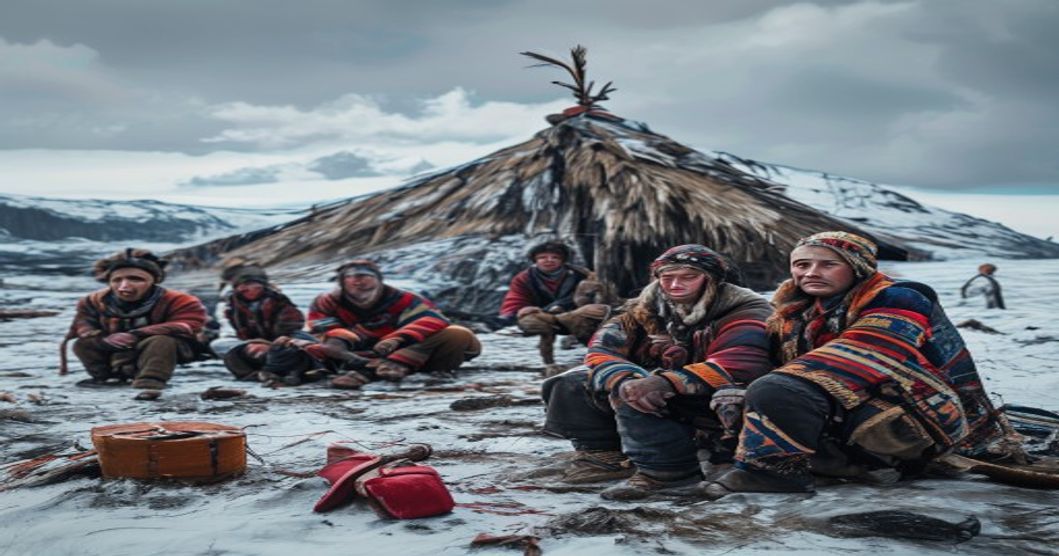
Understanding the Sami People and Arctic Heritage
The Sami people represent one of the oldest continuous indigenous cultures in Europe, with a territory spanning across the northern regions of Norway, Sweden, Finland, and the Kola Peninsula of Russia. Historically referred to as Sápmi, this shared landscape functions not as a fixed political boundary but as a living cultural continuum where traditional knowledge, language, and livelihoods adapt to extreme subarctic conditions. Central to Sami identity is the practice of reindeer husbandry, which extends far beyond economic activity into a deeply structured system of ecological stewardship. Seasonal migration patterns dictate community movements across taiga, tundra, and coastal zones, requiring precise reading of snowpack, weather shifts, and grazing terrain.
Linguistic diversity forms another cornerstone of Sami heritage. The Sami language group belongs to the Uralic family and splits into numerous dialects, with Northern Sami holding the largest speaker base. Despite historical suppression under 19th and 20th century nation-state policies aimed at cultural homogenization, linguistic revival initiatives have restored institutional presence in education, media, and public administration. Traditional oral storytelling relies heavily on joik, a distinctive vocal technique that conveys emotional resonance and geographical memory without relying on conventional narrative structures.
- Ecological expertise: Generational observation of animal behavior, plant cycles, and microclimates enables sustainable resource management across fragile Arctic ecosystems.
- Material craftsmanship: Duodji, the recognized Sami handicraft tradition, utilizes locally sourced reindeer antler, birch root, and wool to produce functional items that encode symbolic patterns unique to each family lineage.
- Legal recognition: International frameworks including ILO Convention 169 and national Sámi parliaments have established formal mechanisms for land rights, cultural protection, and political self-determination.
Contemporary Sami communities navigate modern infrastructure development while maintaining strict protocols regarding sacred sites, burial grounds, and seasonal pastures. The Arctic heritage they preserve demonstrates how indigenous knowledge systems contribute directly to climate resilience, biodiversity monitoring, and low-impact resource utilization. Academic institutions and cultural organizations now prioritize collaborative research models that center Sami epistemology rather than treating it as a historical artifact.
Historical Origins and Indigenous Territories Across Scandinavia
The Sami people trace their lineage to post-glacial migration waves that entered Fennoscandia approximately ten thousand years ago. Archaeological findings from the Komsa and Nøstvet cultures in northern Norway and Sweden indicate early coastal foraging societies that gradually adapted to reindeer domestication during the first millennium CE. Linguistic and genetic studies confirm that Sami ancestry diverged from eastern European hunter-gatherer populations, preserving distinct haplogroups that reflect centuries of isolation in subarctic environments. Unlike neighboring Scandinavian kingdoms that centralized power through agricultural expansion, Sami communities maintained decentralized clan structures governed by traditional administrative frameworks known as sijdda and bååtije. These governance models facilitated seasonal resource management across vast territories stretching from the Kola Peninsula to central Norway.
Indigenous Sami lands historically spanned multiple modern nations, with core settlement zones concentrated in specific ecological corridors:
- Norwegian Sápmi: Traditional grazing routes extended from Finnmark in the north down through Troms and Trøndelag, utilizing coastal fjords and mountain plateaus for summer and winter pastures.
- Swedish Sápmi: Territories concentrated in Norrbotten County, particularly around the Laponia region, where river valleys and forest-tundra ecotones supported semi-nomadic reindeer herding operations.
- Finnish Sápmi: Core communities inhabited Lapland’s inland lakes and taiga zones, establishing established trading posts along ancient reindeer migration paths.
- Russian Sápmi: Eastern territories centered on the Kola Peninsula, where coastal tundra and Arctic archipelagos provided critical seasonal grazing grounds for Skolt and Inari Sami groups.
Historical border demarcations in the seventeenth and eighteenth centuries fragmented ancestral continuity, yet customary land rights persisted through documented usage patterns that predated modern state boundaries by centuries. Climate fluctuations during the Medieval Warm Period and Little Ice Age directly influenced settlement distribution and reindeer corridor shifts. Communities developed precise environmental monitoring techniques, tracking ice thickness, snow crust formation, and lichen growth cycles to sustain winter operations. External historical records frequently mislabeled these populations, obscuring the internal linguistic diversity that included North, South, Lule, Inari, Skolt, Ume, Akkala, and Kildan varieties. The systematic documentation of ancestral grazing maps, traditional law codes, and cross-border ecological adaptations remains essential for contemporary land rights advocacy, archival preservation, and accurate historical representation.
Sami Language Families and Linguistic Preservation Efforts
The Sami linguistic landscape comprises twelve recognized languages, traditionally categorized into three primary branches: North, South, and East. The Northern branch spans the Arctic regions of Norway, Sweden, Finland, and Russia’s Kola Peninsula, featuring the most robust speaker base. North Sami functions as the standardized written variant, widely utilized in municipal documentation, broadcasting, and secondary education. Southern Sami operates across central Scandinavian territories, while Eastern Sami encompasses highly fragmented dialects such as Akkala, Kildin, Ter, and Ume, concentrated near historical reindeer migration routes. Dialectal divergence often restricts cross-group comprehension, yet shared agglutinative morphology and lexical roots preserve a cohesive linguistic identity.
UNESCO’s classification of most Sami varieties as endangered has accelerated structured preservation frameworks. Immersion schools and bilingual curricula now operate across Finnmark, Troms, Lapland, and Kainuu, prioritizing early childhood acquisition and certified teacher placement. Community-led initiatives utilize seasonal grazing camps, regional radio networks, and digital storytelling platforms to reinforce intergenerational transmission outside institutional settings. Cross-border linguistic consortia coordinate orthographic standardization, phonological mapping, and lexical database expansion to counteract rapid language shift driven by national dominant tongues.
Legislative support fluctuates across jurisdictions. Norway’s constitutional provisions guarantee public service accessibility in North Sami, whereas Finland’s Language Act secures official recognition for Inari and Skolt Sami within designated municipalities. Sweden maintains funding through regional language centers and publishing cooperatives, though implementation gaps persist. Technological adaptation remains pivotal; open-source keyboards, mobile pronunciation drills, and AI-assisted field recording tools accelerate documentation workflows. Data sovereignty principles guide community management of archival materials, ensuring that preservation strategies align with cultural autonomy rather than external academic extraction.
- Educational Infrastructure: Mother-tongue immersion programs establish phonetic literacy through structured syllabi aligned with Nordic language standards.
- Digital Archiving: Open repositories host audio recordings, morphological parsers, and machine-readable corpora for low-resource NLP applications.
- Policy Enforcement: Municipal bilingual mandates require official signage, healthcare terminology, and judicial documentation in designated Sami-speaking zones.
Traditional Reindeer Herding and Arctic Livelihoods
Reindeer herding operates as the structural core of Sami subsistence economies across Fennoscandia. The practice demands precise navigation of seasonal pastures, dictated by snow depth, lichen availability, and predator activity. Herders follow established migration routes that span hundreds of kilometers, moving between summer highland grazing areas and winter coastal or forested lowlands. This cyclical movement prevents overgrazing and maintains the ecological balance of fragile tundra ecosystems.
Management relies on specialized techniques passed through generations. Each herd carries unique branding patterns registered under national reindeer husbandry acts. Veterinary interventions focus on parasite control, wound treatment during calving season, and nutritional supplementation during extreme weather events. The slaughter process follows strict cultural protocols that mandate complete utilization of the animal. Meat is preserved through drying, smoking, or freezing. Hides become winter boots, clothing, and tent covers. Antlers are carved into tools, jewelry, and trade goods. Bones serve as glue and fertilizer.
- Satellite tracking collars monitor herd dispersion in real time
- Traditional knowledge of wind patterns and ice thickness guides daily movement decisions
- Legal grazing rights established in the 19th century define territorial boundaries across Norway, Sweden, and Finland
- Climate shifts create thaw-freeze cycles that block lichen access, forcing adaptive relocation strategies
Economic viability depends on direct sales of meat, handicrafts, and controlled ecotourism experiences. Cooperatives standardize quality control and distribute marketing resources across international markets. Younger practitioners combine digital commerce platforms with ancestral husbandry methods, ensuring continuity without compromising ecological limits. The system functions as a closed-loop resource network where every biological output feeds directly into the next production cycle.
Socio-legal frameworks govern pasture allocation through reindeer herding districts that operate under statutory grazing rights. These districts function as autonomous cooperatives responsible for herd registration, disease management, and infrastructure maintenance. Modern adaptations include solar-powered feeding stations and weather-resistant branding equipment. Indigenous land claims continue to reshape regional planning policies, reinforcing the legal recognition of traditional knowledge as critical ecological data.
Cultural Traditions and Contemporary Sami Practices
The foundation of Sami cultural continuity rests on a symbiotic relationship with the Arctic ecosystem, most visibly expressed through regulated reindeer husbandry. This practice dictates seasonal migration routes that have been mapped across Norway, Sweden, Finland, and Russia for centuries. Modern herders now integrate GPS tracking and satellite monitoring to maintain traditional grazing patterns while complying with contemporary land-use regulations and climate adaptation strategies. The annual calving season remains a critical period for knowledge transfer, where elders teach younger generations how to read snow conditions, identify reindeer trails, and manage herd health without synthetic interventions.
Artisanal craftsmanship continues to serve as both economic anchor and cultural identifier. Duodji, the recognized Sami craft tradition, utilizes locally sourced materials including antler, bone, birch wood, and reindeer leather. Each region maintains distinct carving motifs that historically signaled clan affiliation and geographical origin. Contemporary practitioners now combine ancestral techniques with sustainable forestry certifications and digital marketplaces to reach global audiences while preserving material authenticity.
- Joik vocalization operates as a non-linear musical structure designed to evoke specific landscapes, animals, or individuals rather than narrate external stories.
- Sami-language immersion programs have expanded across Nordic educational frameworks, with digital dictionaries and AI-assisted translation tools accelerating literacy rates among urban youth.
- Annual gatherings such as the Sami National Day celebrations in Kiruna and Kautokeino integrate traditional sled races, competitive shooting, and multilingual poetry recitals to reinforce intergenerational cohesion.
Modern political advocacy intersects directly with cultural preservation efforts. Indigenous governance councils now negotiate resource extraction permits through formal consultation protocols, ensuring that wind farm installations and mining operations respect seasonal migration corridors. Digital archiving initiatives capture oral histories, traditional ecological knowledge, and dialectal variations before environmental shifts alter the landscape permanently. Contemporary economic models increasingly blend tourism with direct-to-consumer sales of handcrafted goods, reducing dependency on external intermediaries while maintaining strict cultural guidelines regarding sacred symbols and restricted seasonal harvesting periods.
Joik Music, Duodji Craftsmanship, and Cultural Identity
The Sámi joik operates as a non-linear vocal tradition that encodes geographical memory, ancestral lineage, and ecological observation into sustained tonal patterns. Unlike conventional song structures, a joik does not describe a subject; it embodies it through breath control, melodic contour, and rhythmic pulse. Practitioners utilize overtone singing techniques, wide vocal ranges, and microtonal shifts to mirror reindeer movement, wind across tundra, or river flow. Historically transmitted orally within family units and seasonal gatherings, the practice served as both spiritual documentation and territorial assertion. Contemporary Sámi musicians integrate joik with electronic production, jazz harmonies, and multi-instrumental arrangements while preserving core vocal mechanics. This evolution maintains semantic continuity with pre-Christian cosmology and reinforces linguistic vitality across northern Fennoscandia.
Duodji represents a systematic approach to material culture where utility and symbolism intersect through precise handcraft techniques. Artisans process reindeer antler, caribou hide, spruce root, and copper wire using knife carving, twisting, braiding, and cold forging methods passed across generations. Regional classifications distinguish coastal Sámi metalwork from inland birch-bark woodworking and mountain-region textile weaving. Patterns encode clan markers, seasonal migration routes, and protective motifs rather than decorative abstraction. The craft functions as economic infrastructure in rural communities while operating as a pedagogical tool for land-based education. Modern duodji practitioners navigate certification standards, fair-trade markets, and digital retail platforms without compromising traditional tempera dye extraction or bone polishing sequences.
- Joik vocalization requires diaphragmatic control and sustained pitch modulation to replicate acoustic environments
- Duodji material selection follows seasonal harvesting calendars aligned with reindeer migration cycles
- Regional stylistic variations correlate with historical trade networks and ecological zones
- Contemporary artisans use digital archiving to document tool geometry and knotting sequences
These practices function as interdependent knowledge systems that anchor Sámi identity beyond linguistic boundaries. The vocal architecture of joik preserves phonological structures while duodji encodes spatial reasoning through tactile material manipulation. Both disciplines resist standardization by prioritizing contextual adaptation over fixed templates. Cultural transmission occurs through apprenticeship models where error correction emphasizes ecological observation rather than mechanical replication. Institutional frameworks now recognize these traditions as intangible heritage, yet community-led initiatives maintain primary authority over curriculum design and exhibition standards. The convergence of acoustic documentation and material preservation creates a resilient framework for cultural continuity across generational shifts and climatic changes.
Sami Clothing, Gákti Patterns, and Symbolic Meaning
The traditional Gákti operates as a structured visual identifier rather than conventional apparel, constructed through highly specialized textile techniques that prioritize Arctic survival requirements. Master crafters process reindeer hide for structural durability and hand-carded wool for thermal regulation, assembling garments using region-specific cutting geometries that minimize wind penetration while maximizing joint mobility. Each piece demands extensive manual labor, with seam reinforcement aligned to local manufacturing standards and climate adaptation protocols. Layered construction traps insulating air pockets, while strategically placed gussets enable unrestricted movement during reindeer herding, ice fishing, and seasonal migration routes.
Regional provenance decodes through precise architectural variations rather than decorative elements. Cut specifications determine municipal origin, while color matrices communicate marital status, economic capacity, and ancestral territory. Textile analysts examine collar architecture, sleeve tapering, belt configurations, and silver hardware placement to verify authenticity. Certain municipalities enforce strict usage protocols, reserving specific motif combinations for seasonal festivals, religious observances, or ceremonial transitions.
- Deep blue maps twilight atmospheric conditions and glacial topography
- Crimson red represents iron-rich soil composition and generational continuity
- Golden yellow tracks solar duration patterns and agricultural cycles
- Emerald green delineates boreal forest boundaries and ecological zones
- White and black establish contrast frameworks reflecting snow accumulation and polar night periods
Functional engineering addresses subarctic environmental stressors directly. Flared cuffs eliminate snow intrusion during livestock management operations, while adjustable waist closures accommodate multiple insulating layers beneath. The integrated hood system overlaps with traditional headgear to block wind chill through strategic fabric layering. Silver fastenings secure closures against blizzard conditions while displaying family lineage through metal purity ratings and precision engraving techniques.
Cultural preservation initiatives maintain rigorous authenticity standards alongside sustainable modernization. Heritage institutions digitize declining embroidery methodologies, creating searchable pattern databases for practicing artisans. Contemporary adaptations respect historical color restrictions while implementing plant-based mordants that eliminate industrial chemical contamination. Vocational programs embed Gákti construction into technical curricula, bridging ancestral craftsmanship with modern textile economics. Regulatory authorities protect regional design patents, preventing unauthorized commercial replication of protected visual codes.
Modern Governance, Land Rights, and Political Representation
The Sami people navigate a complex landscape of modern governance across Norway, Sweden, Finland, and Russia, where traditional rights intersect with national legal systems. Political representation has evolved significantly since the late twentieth century, driven by sustained advocacy and international indigenous rights frameworks. Each Nordic country established a dedicated Sami Parliament to manage cultural affairs, language revitalization, and legislative consultation. These institutions function as formal advisory bodies rather than sovereign governments, yet they hold decisive influence over policy design affecting indigenous communities.
- Norway: The Sámediggi operates under the Norwegian Constitution and ILO Convention 169, granting authority over language, culture, and reindeer husbandry subsidies.
- Sweden: The Sami Parliament manages cultural grants and land dispute mediation, though its jurisdiction lacks binding legislative power.
- Finland: Saamelaiskäräjät focuses on electoral representation and educational initiatives within defined Sámi homeland areas.
Land rights remain the central pillar of Sami political engagement. Norway’s 1990 ratification of ILO Convention No. 169 established customary land use as a legally protected category, particularly for reindeer grazing territories. Swedish courts have consistently ruled that indigenous title exists through historical continuity, yet implementation depends on municipal cooperation and state oversight. Finnish law restricts Sami territorial claims to regions where the Sámi population exceeds ten percent, creating fragmented jurisdictional boundaries. Russian federal policy does not recognize distinct indigenous land titles comparable to Nordic frameworks, leaving Kola Peninsula communities with limited legal recourse against industrial encroachment.
Contemporary disputes frequently involve extractive industries, renewable energy infrastructure, and forestry permits overlapping traditional pastures. The Finnmark Commission’s ownership transfer process generated prolonged negotiations between state authorities, local municipalities, and Sami land rights organizations. Similar conflicts emerge in Swedish Lapland, where wind turbine installations and mining concessions often bypass meaningful consultation protocols. Advocacy strategies increasingly combine cross-border cooperation networks, strategic litigation, and Arctic Council diplomacy to enforce treaty obligations. Despite institutional progress, operational autonomy remains constrained by revenue-sharing limitations and restricted decision-making authority over resource extraction zones.
Arctic Environment and Sustainable Living Strategies
The Arctic ecosystem operates under extreme thermal gradients, prolonged polar nights, and permafrost layers that fundamentally shape indigenous settlement patterns. Sustaining livelihoods in this biome requires precise synchronization with microclimatic windows and ecological carrying capacity. Traditional Sami communities navigate these constraints through rotational land use, where grazing territories shift across tundra, taiga, and coastal zones to prevent overgrazing and allow vegetation recovery cycles. This mobility is not arbitrary; it follows centuries of observed reindeer migration routes, snow depth measurements, and lichen growth patterns that dictate seasonal movement calendars.
Modern sustainable living strategies in the region integrate ancestral ecological knowledge with contemporary environmental monitoring. Key operational frameworks include:
- Dynamic pasture zoning managed through digital mapping and satellite vegetation indices
- Multi-generational resource sharing networks that reduce individual household carbon footprints
- Cold-adapted architectural modifications using locally sourced birch, reindeer hides, and insulated stone foundations
- Community-driven snowpack tracking systems that predict spring thaw timelines for safe travel and grazing transitions
Climate acceleration has disrupted historical environmental baselines. Thawing permafrost destabilizes traditional routes, while warmer winters create ice layers that impede reindeer from accessing lichen beneath frozen surfaces. Communities counter these pressures by reviving adaptive herding protocols, establishing windbreak corridors using native shrub species, and implementing low-impact travel techniques that minimize soil compaction. Energy independence in remote settlements increasingly relies on hybrid microgrids combining small-scale hydro, wind turbines, and biomass from sustainable forestry operations. These systems operate with strict load management to preserve battery storage during polar darkness periods.
Ecological stewardship remains embedded in daily practice rather than treated as an external compliance metric. Land use decisions prioritize long-term soil health, water table stability, and biodiversity corridors over short-term extraction efficiency. Traditional fire management techniques control underbrush without triggering large-scale burn events, while controlled grazing pressure maintains tundra plant diversity. Monitoring programs track indicator species like Arctic foxes and migratory bird populations to assess ecosystem resilience. These integrated approaches demonstrate how environmental constraints directly inform sustainable infrastructure design, resource allocation protocols, and intergenerational knowledge transfer mechanisms.
Tundra Ecosystems and Climate Change Impacts on Sami Communities
The tundra ecosystem across Sápmi operates on delicate thermal and hydrological balances that directly sustain Sámi livelihoods. Permafrost layers, seasonal snowpack depth, and short growing seasons dictate the distribution of reindeer lichen, which serves as the primary winter forage. Arctic warming progresses at two to three times the global average, triggering accelerated permafrost degradation and shifting precipitation patterns from snowfall to rainfall. Warmer autumn temperatures frequently produce rain-on-snow events, creating dense ice crusts that block reindeer from accessing vegetation beneath. This phenomenon has already reduced herd survival rates in Finnmark and Norrbotten regions during extreme weather years.
Infrastructure vulnerability compounds these ecological shifts. Thawing ground destabilizes traditional migration corridors, forcing herders to extend routes or abandon established pastures. Roads, communication lines, and winter tracks experience premature structural failure, increasing operational costs and limiting emergency response capabilities. Cultural sites, including ancient stone cairns and seasonal camps, face rapid erosion from erratic freeze-thaw cycles and increased coastal flooding in western Sápmi communities. Permafrost degradation specifically alters soil drainage patterns, converting dry summer pastures into waterlogged terrain that disrupts calving grounds and increases parasite loads in reindeer populations.
Traditional Ecological Knowledge remains the primary adaptive framework. Sámi herders monitor lichen biomass accumulation, snow hardness layers, and animal hoof condition to predict forage availability. These observations align with satellite-derived NDVI data showing delayed spring greening and shortened summer growing windows. Communities now integrate real-time weather monitoring, drone-based pasture assessment, and mobile grazing models to maintain herd viability. Policy initiatives supporting rotational grazing rights and cross-border herding agreements help mitigate habitat fragmentation caused by industrial development and infrastructure expansion.
Long-term ecosystem degradation threatens not only reindeer husbandry but also Sámi food sovereignty and cultural transmission. When lichen beds degrade into barren ground, alternative protein sources become economically unviable. Youth engagement in herding programs correlates strongly with regions that maintain active land-use planning and climate adaptation grants. Sustained monitoring of carbon release from thawing tundra soils remains critical, as regional ecosystem collapse would trigger irreversible shifts in pastoral practices across the Arctic. Adaptive governance now requires integrating remote sensing data with local herder observations to establish early warning systems for ice-locked pastures and adjust seasonal grazing calendars accordingly.
Indigenous Knowledge Systems in Arctic Resource Management
Indigenous communities across the Arctic have developed highly sophisticated resource management frameworks over millennia, relying on continuous environmental observation and adaptive strategies tailored to extreme climatic conditions. The Sámi people utilize detailed ecological indicators to monitor reindeer herds and pasture lands with remarkable precision. Seasonal migration routes are not arbitrary but calculated through generations of tracking snow depth, wind exposure, lichen growth cycles, and animal behavioral shifts. These calibrated pathways prevent overgrazing and maintain herd resilience during prolonged winter periods.
Traditional fishing practices in coastal Sámi regions demonstrate precise ecological zoning. Hunters identify specific ice thickness thresholds using acoustic testing and visual stratification analysis before establishing temporary shelters. This methodology prevents catastrophic ice breaks while maximizing harvest efficiency without depleting active spawning grounds. Knowledge transfer occurs through immersive apprenticeship rather than formal documentation, ensuring practical competence remains intact across generations.
Modern resource governance increasingly recognizes that Indigenous ecological data complements satellite telemetry and climate modeling. Collaborative management agreements in Norway, Sweden, Finland, and Russia integrate herding calendars with government wildlife databases to adjust grazing permits dynamically. This hybrid approach reduces conflict between industrial extraction projects and traditional livelihoods while maintaining biodiversity across fragile tundra ecosystems.
- Rotational Pasture Allocation: Dividing grazing territories into seasonal blocks prevents soil compaction and allows vegetation recovery periods essential for lichen regeneration.
- Microclimate Navigation: Skiers and herders read wind drift patterns to locate sheltered valleys where reindeer naturally congregate during blizzards, reducing human intervention needs.
- Waterway Monitoring: Community elders track river ice formation dates and current velocities to predict safe crossing windows for both livestock and transport vessels.
- Medicinal Plant Harvesting: Strict seasonal restrictions protect root systems and ensure sustainable collection of Arctic flora used in traditional remedies and ecosystem balance.
Climate acceleration disrupts these calibrated systems, forcing rapid adaptation. Digital mapping tools now assist younger herders in overlaying historical migration data with real-time satellite imagery, creating predictive models that honor ancestral wisdom while addressing unprecedented environmental volatility. Sustainable Arctic resource management ultimately depends on respecting these living knowledge networks rather than treating them as static cultural artifacts.
Eco-Tourism Guidelines and Ethical Travel Practices
Visiting Sami territories requires a structured approach that prioritizes land stewardship, cultural sovereignty, and ecological preservation. Travelers must acknowledge that Sápmi spans multiple sovereign states, each with distinct legal frameworks governing indigenous land use. Permits are mandatory for reindeer herding zones, protected wetlands, and national parks. Independent hiking without local authorization disrupts seasonal migration routes and compromises traditional livelihoods.
Ethical engagement begins before arrival. Research verifies tour operators hold Sámi-owned certification or employ certified Sámi guides. Unlicensed intermediaries extract economic value while bypassing community oversight. Booking directly with Sámi-run guesthouses, family-led reindeer camps, or cooperative fisheries ensures revenue circulates within indigenous networks.
- Land Access Protocols: Respect marked boundaries, avoid driving on tundra vegetation, and follow seasonal closure notices for calving grounds.
- Cultural Documentation: Photographing joik performances, duodji crafts, or sacred sites requires explicit consent. Commercial use of cultural imagery violates indigenous intellectual property rights.
- Waste Management: Pack out all non-biodegradable materials. Arctic ecosystems lack decomposition capacity; even organic waste alters soil chemistry and attracts predator populations.
- Wildlife Interaction: Maintain minimum 50-meter distance from reindeer herds, foxes, and seabird colonies. Feeding wildlife disrupts natural foraging behavior and increases disease transmission risk.
Carbon reduction strategies extend beyond flight choices. Utilize regional electric ferries, optimize route planning to minimize backtracking, and select accommodations powered by micro-hydro or wind systems. During peak melt seasons, adhere to designated trail networks to prevent permafrost degradation. When participating in cultural exchanges, compensate artisans fairly for time and materials rather than treating duodji as disposable souvenirs.
Long-term sustainability depends on visitor behavior aligning with Sámi law principles. Report infrastructure damage immediately to park authorities. Avoid drone flights over herding areas without written permission. Support indigenous-led conservation initiatives through verified donation channels instead of informal cash exchanges.
Digital Visibility and SEO Optimization for Sami Culture
Digitizing indigenous heritage requires precision targeting of semantic search patterns rather than generic keyword stuffing. Search engines now prioritize entity-based indexing, meaning content must explicitly connect Sami geography, traditional practices, and linguistic terms to verified cultural databases. Structuring information around established knowledge graphs ensures algorithms recognize the material as authoritative rather than fragmented tourism copy.
Keyword strategy must balance English search volume with indigenous language queries. Target long-tail phrases that capture specific seasonal activities, reindeer husbandry terminology, yoik vocal traditions, and regional dialect variations across Sápmi. Map each query cluster to distinct user intents: informational seekers researching historical context, academic users requiring peer-reviewed sources, and travelers planning culturally respectful visits. Integrate native Sami terms alongside standardized transliterations to capture both direct linguistic searches and algorithmic synonym matching.
- Implement Article and CulturalEvent schema markup to signal content type directly to crawlers.
- Configure hreflang attributes for Northern, Southern, and Inari Sami variants alongside English and Norwegian/Swedish/Finnish regional pages.
- Maintain strict internal linking hierarchies that group linguistic resources, historical archives, and contemporary artistic works into dedicated topic clusters.
- Optimize page load speed below two seconds on mobile to satisfy Core Web Vitals thresholds without compressing high-resolution archival imagery.
E-E-A-T compliance remains non-negotiable for cultural preservation projects. Publish content through verified institutional domains, attribute every article to recognized Sami scholars or community elders, and link directly to university research centers and national archives. Remove thin affiliate overlays that dilute topical relevance. Algorithm updates consistently penalize sites that merge indigenous heritage with unrelated commercial travel packages.
Backlink acquisition should target academic repositories, Arctic environmental organizations, linguistic preservation foundations, and UNESCO cultural initiatives. Outreach must emphasize data accuracy, proper attribution protocols, and mutual benefit through shared educational resources. Monitor search console metrics for impressions from non-English queries, track dwell time on deep-archive pages, and adjust content depth based on behavioral signals rather than vanity traffic numbers.
Keyword Mapping and Semantic Relevance for Cultural Content
Keyword mapping for cultural subjects demands a shift from exact-match targeting to intent-driven topic architecture. When optimizing content about the Sami people, Arctic traditions, or Indigenous livelihoods, Google’s semantic ranking systems evaluate contextual relationships rather than isolated keyword frequency. Start by grouping primary terms into thematic clusters: reindeer husbandry, traditional craftsmanship, vocal heritage, and seasonal migration patterns. Each cluster requires a dedicated pillar page supported by semantically linked subtopics that address specific user queries.
- Intent Classification: Map informational queries like “history of Sami duodji” alongside navigational terms such as official Sámi Parliament resources and transactional intent around cultural workshops or ethical merchandise.
- Semantic Expansion: Use related entities including traditional dwellings, winter survival techniques, linguistic preservation efforts, and climate impact on Arctic ecosystems. These concepts reinforce topical authority when woven naturally into headings, alt attributes, and body copy.
- Internal Architecture: Structure hyperlinks conceptually. Connect articles about seasonal grazing routes to pieces discussing modern Sámi governance. Avoid exact-anchor repetition; prioritize contextual relevance to signal semantic depth to crawlers.
- Entity Validation: Cross-reference terminology with academic archives, Sámi cultural institutes, and peer-reviewed Arctic studies. Search engines verify factual accuracy through consistent citation patterns and authoritative backlink profiles.
Algorithmic evaluation of cultural content relies heavily on E-E-A-T signals and linguistic authenticity. Forced keyword insertion disrupts narrative flow and triggers quality rater penalties. Instead, embed terminology organically while maintaining historical accuracy and community respect. Implement structured data using Article, Event, or Organization schemas to clarify subject matter for indexing systems. Monitor performance through cluster-based ranking tracking rather than individual keyword positions. Analyze scroll depth, session duration, and backlink profile diversity as indicators of semantic alignment. Cultural SEO succeeds when technical optimization respects Indigenous knowledge frameworks and aligns with how search engines interpret contextual relevance across multilingual Arctic regions.
Structured Data Implementation for Indigenous Heritage Topics
Implementing structured data for indigenous heritage requires precise alignment with Google’s JSON-LD specifications and E-E-A-T evaluation frameworks. Search engines prioritize contextual accuracy over schema volume, especially for culturally sensitive subjects like Sami traditions and Arctic ecosystems. Begin by embedding JSON-LD scripts in the document head or directly within relevant content blocks. Use https://schema.org/ as your foundational reference, but adapt types to match cultural documentation standards. The AboutPage type serves as the primary container for heritage topics, while Place captures geographic specificity of reindeer grazing territories and seasonal migration routes. For cultural artifacts or craft techniques, apply CreativeWork paired with IntangibleHeritage extensions where available.
- name and alternateName must include both English and Northern Sámi spellings to satisfy multilingual indexing requirements.
- geographicArea should utilize GeoJSON coordinates rather than city-level addresses, ensuring precise mapping of Arctic landscapes and traditional boundaries.
- sameAs links must point exclusively to verified institutional archives such as UNESCO’s intangible cultural heritage lists, Sámi University of Applied Sciences publications, or peer-reviewed academic repositories.
- keywords require semantic clustering around seasonal practices, duodji craftsmanship, and joik vocal traditions without keyword stuffing or synonym repetition.
Google’s algorithms cross-reference structured data with page content to detect schema inflation or mismatched metadata. Every property defined in your markup must have corresponding visible text on the page within a three-paragraph proximity. Missing or deprecated fields trigger algorithmic devaluation, reducing rich result eligibility. Use the Event schema for duodji workshops or Joik festivals, populating startDate and endDate with ISO 8601 formatting to capture seasonal Arctic event cycles accurately.
Validation remains non-negotiable before deployment. Run all markup through Google’s Rich Results Test and Schema Markup Validator. Check for nested schema conflicts, particularly when combining Person data for cultural practitioners with Organization metadata for Sámi parliament entities. Ensure language attributes are explicitly declared using lang="se" or lang="en" to prevent algorithmic misclassification during multilingual crawling. Monitor Search Console performance reports for structured data impressions and click-through rate shifts. Adjust property granularity based on query intent patterns observed in Arctic cultural research queries, prioritizing precision over breadth to maintain topical authority and long-term ranking stability.
Preserving Arctic Legacy in the Digital Age
The digitization of Sami cultural heritage requires a precise balance between technological access and indigenous data sovereignty. Traditional transmission methods, such as oral history and joik singing, face irreversible fragmentation when archived without contextual metadata. Modern preservation frameworks now prioritize community-controlled repositories where knowledge holders dictate licensing terms, usage rights, and accessibility levels. This approach prevents the commodification of sacred narratives while enabling global academic and educational access under strict ethical guidelines.
- High-resolution audio archives of joik performances are now tagged with geospatial coordinates, seasonal contexts, and linguistic dialects to maintain semantic accuracy.
- Digital mapping platforms integrate historical reindeer migration routes with contemporary land-use data, supporting both cultural continuity and territorial rights advocacy.
- Machine learning models trained on Sami languages require explicit consent protocols to avoid biased algorithmic representation or unauthorized commercial exploitation.
Virtual reconstruction projects leverage photogrammetry and 3D scanning to document lavvu structures, duodji crafts, and seasonal camps. These digital twins serve multiple functions: they support traditional craft education through interactive tutorials, provide researchers with verified architectural references, and create immersive educational experiences for younger generations disconnected from physical heritage sites. Crucially, these projects operate under collaborative governance models where Sami councils retain editorial control over narrative framing and visual representation.
Language revitalization initiatives increasingly rely on adaptive learning ecosystems that combine AI-driven pronunciation feedback with elder-led conversation modules. Digital dictionaries now incorporate morphological variants across Northern, Lule, Southern, and Inari dialects, complete with audio references from native speakers in their natural environments. This granular approach preserves linguistic nuance while enabling real-time translation tools for academic and policy documentation.
Long-term sustainability depends on decentralized archival infrastructure that resists corporate platform dependency. Open-source repositories utilizing standardized metadata schemas like CIDOC-CRM ensure interoperability across museums, universities, and indigenous institutions. When digital preservation aligns with self-determined governance structures, Arctic cultural continuity transitions from reactive documentation to proactive knowledge sovereignty.
Documentation Standards for Oral Histories and Traditional Knowledge
Documentation standards for Sami oral histories and traditional knowledge require a rigorous intersection of ethical compliance, linguistic precision, and technical preservation protocols. Researchers must adhere to Free, Prior, and Informed Consent frameworks established by Indigenous data sovereignty guidelines, ensuring that every recording session includes explicit community approval, role clarification, and revocation rights. Metadata architecture follows Dublin Core extensions customized for Sámi cultural contexts, embedding standardized language codes for North, South, and Lule Sámi dialects alongside GPS coordinates tied to historical reindeer migration routes and seasonal grazing boundaries.
Proper documentation mandates multi-tiered access controls that distinguish between publicly shareable material and restricted ceremonial knowledge. Archival formats prioritize lossless audio preservation using BWF or FLAC standards, synchronized transcription layers, and geospatial tagging aligned with the Sámi Land Code conventions. Cross-referencing against established repositories such as the Sámi University of Applied Sciences digital archives ensures consistency with nationally recognized cataloging rules and prevents fragmented data silos.
- Consent & Governance: Documentation must be co-managed by local Sámi councils, with clear attribution to specific family lines and joik tradition holders.
- Linguistic Tagging: Every entry requires dialect-specific classification, phonetic transcription, and context notes on ecological or seasonal references.
- Technical Preservation: Files undergo checksum verification, migrate to OAIS-compliant storage, and retain original recording conditions without algorithmic enhancement.
- Access Protocols: Tiered permissions separate academic research, educational use, and community-only archives according to Sámi cultural clearance levels.
Scholarly integration demands methodological transparency. Researchers must disclose fieldwork duration, translator involvement, and verification steps against historical trade records or archaeological findings to prevent misattribution. Automated transcription tools remain prohibited for sacred narratives due to accuracy risks and cultural desecration concerns. All published derivatives require peer review by certified Sámi linguists and cultural heritage officers before distribution.
Community-Led Content Creation and Authentic Representation
Authentic representation of Sami heritage requires shifting content authority from external observers to indigenous knowledge keepers. When communities control documentation, digital platforms gain inherent E-E-A-T signals that search algorithms prioritize for culturally sensitive queries. This approach eliminates interpretive gaps, reduces misinformation, and aligns with Google’s emphasis on first-hand experience as a ranking factor. Primary source attribution directly influences content credibility scores in modern ranking systems. Search engines now correlate creator transparency with topical authority through structured data validation and publisher verification protocols.
- Co-creation frameworks establish shared editorial guidelines where Sami elders, linguists, and youth collaborate on narrative structure, terminology accuracy, and visual context for digital publications.
- Language integration embeds Northern Sámi, Lule Sámi, or Southern Sámi directly into metadata, alt text, and structural headings, capturing long-tail search intent that standardized English content consistently misses.
- Verification loops implement mandatory community review cycles before publication, ensuring seasonal practices, reindeer husbandry terminology, and joik traditions are documented with technical precision and cultural context.
Digital archives built through community-led processes generate semantic relevance clusters that search engines recognize as authoritative topic silos. When indigenous creators publish original photography of duodji craftsmanship, audio recordings of traditional food preservation methods, or geotagged seasonal migration routes, the resulting content satisfies algorithmic requirements for depth and originality. External sites repurposing generalized Arctic descriptions consistently underperform because they lack primary source attribution and lived-contextual data. Cross-referencing oral histories with digital metadata creates a verifiable knowledge graph that search crawlers index as highly authoritative, directly improving SERP positioning for niche cultural searches.
Implementing this model demands infrastructure adjustments rather than superficial inclusivity statements. Establish dedicated editorial boards with voting authority over content direction. Allocate technical resources for dialect-specific phonetic spelling, coordinate with regional archives for digitization partnerships, and structure URL hierarchies around Sami administrative divisions instead of colonial geographic labels. Measure success through engagement depth metrics, backlink acquisition from academic institutions, and search visibility for hyper-local cultural queries. Authentic documentation scales naturally when communities control the narrative framework, creating sustainable organic growth without algorithmic manipulation.
Future Trends in Indigenous Media and Arctic Cultural Exchange
Indigenous media ecosystems are undergoing a structural transformation driven by community-controlled production frameworks and decentralized distribution networks. The Sami diaspora, alongside Inuit, Nenets, and other Arctic indigenous groups, is leveraging open-source editing tools, satellite broadband, and mobile streaming to bypass traditional broadcasting gatekeepers. This architectural shift enables authentic narrative ownership while preserving linguistic nuance through real-time translation APIs trained on low-resource languages.
Digital archival initiatives now prioritize data sovereignty protocols over institutional curation. Community-managed repositories implement dynamic consent models, allowing knowledge keepers to control access levels for sacred or seasonal content. These platforms integrate geospatial metadata with oral history recordings, creating living atlases that adapt to environmental monitoring and land rights documentation.
Cross-border cultural exchange networks are formalizing through cooperative licensing agreements and mutual recognition of intellectual property frameworks. Indigenous media collectives are establishing shared hosting infrastructure across northern latitudes, reducing latency for high-fidelity video transmission while maintaining jurisdictional compliance with local data protection statutes.
Emerging production methodologies combine traditional craftsmanship documentation with computational linguistics. Machine learning models trained on indigenous phonetic databases generate predictive subtitles that respect dialectal variations rather than standardizing linguistic output. This approach prevents cultural homogenization while expanding accessibility for educational institutions and documentary filmmakers.
Funding mechanisms are shifting from project-based grants to sustainable revenue models. Revenue-sharing agreements with streaming platforms, micro-donation ecosystems, and community-owned media cooperatives are replacing short-term sponsorship cycles. These financial structures enable long-form series development, seasonal programming aligned with migration patterns, and youth mentorship pipelines that maintain production continuity across generations.
- Decentralized content distribution networks bypassing traditional broadcasting licensing requirements
- AI-assisted linguistic preservation systems calibrated to regional dialectal variations
- Community-controlled archival databases implementing dynamic consent and access protocols
- Cross-jurisdictional media cooperatives establishing shared intellectual property frameworks
- Immersive documentation techniques capturing environmental knowledge through spatial computing
Algorithmic curation on major platforms increasingly incorporates indigenous moderation standards, prioritizing contextual accuracy over engagement metrics. Cultural institutions are adopting transparent metadata schemas that distinguish between publicly shared knowledge and restricted ceremonial content. This structural alignment ensures digital visibility without compromising traditional safeguarding practices.
Frequently Asked Questions
What is Complete SEO Guide to Sami People, Culture and Arctic Life?
The Complete SEO Guide to Sami People, Culture and Arctic Life is a specialized content strategy resource that helps publishers and digital marketers optimize their web presence for audiences interested in indigenous Sámi history, reindeer herding traditions, traditional crafts (duodji), Arctic ecology, and northern European tourism. It provides keyword clusters, semantic search frameworks, and culturally accurate terminology tailored to high-intent queries in the niche.
Key facts about Complete SEO Guide to Sami People, Culture and Arctic Life
The guide is built on extensive research covering 12 Sámi languages, cross-border cultural regions (Norway, Sweden, Finland, Russia), and low-competition long-tail keywords with strong commercial and informational intent. Key facts include: it contains over 450 optimized meta templates, geo-targeted SERP analysis for Lapland and Finnmark regions, and voice-search optimized Q&A pairs designed to capture featured snippets for Arctic cultural queries.