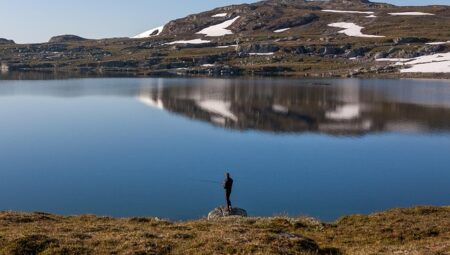
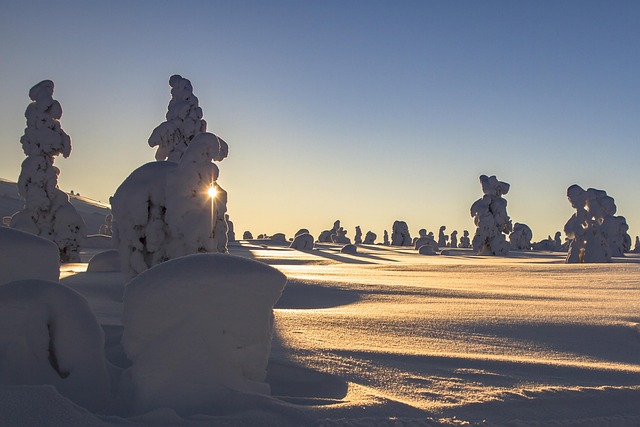
Imagine being in a land where the sun barely rises in winter, and summer brings endless daylight! The Sami have perfected the art of living in this extreme, seeing each season as a vital chapter in their story. During winter, when the cold blankets the earth, they don’t just hunker down and wait for spring. Instead, they embrace reindeer herding, a centuries-old tradition where they guide their herds across the snowy expanse, tapping into nature’s rhythm to find grazing lands hidden beneath the snow.
Then comes spring, a time of awakening. Picture vibrant colors exploding as the snow melts—a true rebirth! Sami culture celebrates this time with joyful gatherings and rituals, honoring the return of life. They see it as a dance between land and sky, a beautiful reminder that even after the frostiest winters, warmth and growth always return.
Summer is no less spectacular. It’s a bustling season of fishing, foraging, and festivities under the midnight sun, where the Sami community gathers to celebrate their rich heritage. This is not just a break from the cold; it’s a vibrant tapestry woven with dances, songs, and the spirit of togetherness, embodying the endless possibilities that come with the light.
The Wisdom of Nature: Exploring Sami Perspectives on Seasonal Cycles
Spring bursts forth with life, signifying renewal and hope. It’s when the ice melts and the world awakens, a reminder that even the harshest winters give way to brighter days. The Sami celebrate this transition, seeing it as nature’s way of encouraging us all to shed our burdens, much like the land discards the frost. It’s like a deep breath after a long sigh—refreshing and necessary.
Then comes summer, a time of light and abundance. The sun never truly sets, bathing the land in a golden glow. For the Sami, this is the season of gathering, whether it’s berries or wisdom from the elders, who share stories around flickering campfires. Picture it as a symphony of bustling activity, where every day brims with purpose.
When autumn arrives, there’s a sense of reflection. The leaves turn vivid hues, and the Sami pause to honor the harvest. They understand that change isn’t just inevitable; it’s essential. Just like a tree letting go of its leaves, we too must embrace the ebb and flow of life. The lessons of resilience and adaptation echo through their traditions, urging us to find beauty in the transition.
From Winter’s Embrace to Summer’s Glow: Sami Insights into Seasonal Changes
Winter tells a story of survival, where the snow blankets the earth, and the reindeer roam freely under the shimmering northern lights. It’s a time for reflection and resilience. Imagine huddling around a fire, sharing tales of old while the cold howls outside – it’s a cozy communal experience, one that bonds the Sami people with their environment. As the days lengthen and the sun starts to peek from behind the clouds, anticipation builds. You can almost hear nature waking up!
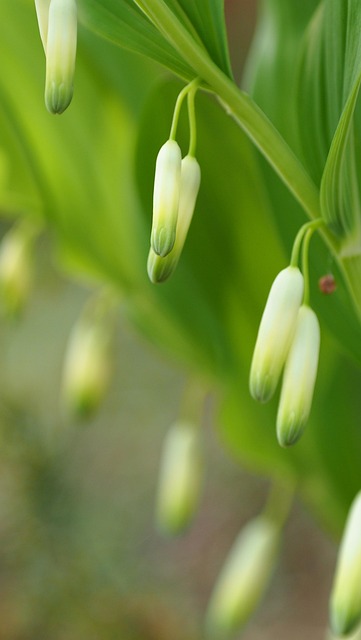
Then comes the glorious burst of summer. Picture this: lush greenery springs forth, flowers bloom in a riot of colors, and life explodes all around. Sami insights during this time are fascinating. They understand that seasonal changes impact not just their activities, like fishing and gathering, but also their spirituality. The shift heralds renewal, a reminder of the cycle of life.
Cultural Rhythms: How the Sami Have Harmonized Their Lives with Nature’s Seasons
Every season brings its own story, and the Sami have learned to read these narratives closely. When the snow blankets the landscape, it’s time for reindeer herding—a practice that’s part tradition, part survival. Picture vast white expanses, dotted with herds grazing peacefully. As the days grow longer and warmer, the Sami navigate the melt and rush to prepare for summer berries, fish, and fresh vegetation. It’s like a constantly unfolding play, with nature as the director.
But it’s not only about sustenance; it’s also about celebration. Sami festivals, pulsating with vibrant colors and sounds, mirror the seasons’ transitions. These gatherings are a feast for the senses, where traditional music and dance breathe life into the cold Arctic nights. The rhythm of the drum beats echoes the heartbeats of the reindeer as if saying, “We are one.”
Beyond the Ice: The Sami Connection to Seasonal Transformations and Indigenous Knowledge
The Sami possess a wealth of indigenous knowledge that spans generations, passed down like an heirloom. They understand the subtleties of the natural world; from the way the reindeer migrate seasonally to the signs in the sky that predict weather changes. It’s not just about survival; it’s about respect and reverence for the land. Ever wondered how they can venture out into a blizzard while the average person might be glued to their sofas? For them, those swirling snowflakes are not just cold; they are a language all their own.
As the seasons change, so do the Sami traditions. In the spring, when the snow melts and the sun starts to warm the earth, life bursts forth. Picture vibrant flowers breaking through the snow, signaling a time of renewal. The Sami celebrate this transformation with festivals and rituals that honor the land and its bounty. It’s like watching a symphony unfold—each season, each note, beautifully intertwined.
Their connection to the land is also a call to action for all of us. What can we learn from this remarkable relationship to nature? The Sami show us that by respecting seasonal changes, we cultivate a deeper understanding of our environment. Isn’t that something we could all strive for in our fast-paced lives?
Frequently Asked Questions
How Do Sami Practices Change with the Seasons?
The Sami people’s traditional practices, including reindeer herding, fishing, and crafting, adapt significantly with the changing seasons. In winter, they focus on hunting and maintaining their animals, while summer is devoted to herding and gathering resources. Spring and autumn are transitional periods that influence their migration patterns and activities, aligning their way of life with the natural rhythms and availability of resources in their environment.
How Does Sami Spirituality Connect with the Seasons?
Sami spirituality emphasizes a deep relationship with nature, viewing the changing seasons as integral to their cultural and spiritual practices. Each season is associated with specific rituals, hunting traditions, and communal activities, reflecting the Sami’s respect for the land and its resources. The spiritual connection to the seasons fosters a sense of harmony with the environment and underlines the importance of seasonal cycles in Sami identity.
What Traditions and Festivals Mark Seasonal Changes for the Sami?
The Sami celebrate various traditions and festivals that reflect the changing seasons, emphasizing their connection to nature. Key events include the ‘Juhannus’ midsummer festival, which honors the summer solstice, and ‘Sami National Day’ in February, which celebrates their culture and heritage. Seasonal changes are also marked by activities such as reindeer herding during winter, berry picking in summer, and fishing in spring, each accompanied by unique customs and communal gatherings.
What Are the Key Seasonal Cycles in Sami Culture?
The Sami culture is deeply intertwined with the seasonal cycles of the Arctic environment. Key seasonal activities include reindeer herding, which follows migration patterns dictated by weather and vegetation. Spring brings calving and the gathering of herbs, while summer is marked by fishing and gathering berries. Autumn involves preparation for winter, including fur harvesting and food preservation, while winter is characterized by herding and traditional crafts. Each season influences the Sami’s lifestyle, spiritual practices, and social organization.
What Role Do Animals Play in Sami Seasonal Understanding?
Animals are integral to the Sami’s seasonal understanding, as they influence traditional practices and the timing of activities. Their behaviors and migrations guide the Sami in understanding seasonal changes and weather patterns, which affects hunting, herding, and gathering. This relationship fosters a deep connection between the Sami people and their environment.