Understanding Sami Heritage: Culture, History, and Traditions
The Sami heritage represents one of the most resilient and distinct indigenous cultures in Northern Europe, spanning across Norway, Sweden, Finland, and Russia’s Kola Peninsula. Rooted in millennia-old relationships with Arctic and subarctic ecosystems, Sami culture is defined by yoik vocal traditions, reindeer pastoralism, intricate duodji handicrafts, and a deeply spiritual connection to the land. Unlike mainstream Scandinavian narratives, Sami identity emphasizes communal stewardship over territory, seasonal migration patterns, and oral knowledge transmission. Understanding this heritage requires recognizing centuries of colonization, linguistic suppression, and cultural revival movements that continue to shape contemporary Sami digital preservation efforts.
Core Cultural Elements That Define Sami Identity
Sami language groups include North Sami, South Sami, Lule Sami, Inari Sami, Skolt Sami, and others, each carrying unique grammatical structures and ecological terminology. The duodji craft system utilizes reindeer leather, birch root, silver filigree, and bone to create functional art that encodes clan symbols and regional history. Sami shamanism, historically centered around noaidi (spiritual guides) and sacred drum rituals, has evolved into modern cultural festivals, contemporary Sámi literature, and Indigenous rights advocacy. These elements collectively form a living heritage that virtual documentation now captures with unprecedented precision.
Historical Context and Modern Cultural Resilience
From the 18th-century taxation policies to the 20th-century assimilation schools, Sami communities faced systematic erasure of language and land rights. The establishment of Sami Parliaments in Norway (1989), Sweden (1993), and Finland (1996) marked pivotal shifts toward self-determination. Today, over 200,000 people identify as Sami, with cultural revitalization accelerating through university programs, digital archives, and cross-border cooperation initiatives that prioritize Indigenous-led storytelling over external interpretation.
The Rise of Virtual Tours in Indigenous Tourism
Digital exploration has revolutionized how global audiences engage with Sami virtual heritage experiences. Traditional travel to Arctic regions involves logistical barriers, seasonal limitations, and ecological footprints that virtual tours eliminate. By leveraging 360-degree photogrammetry, spatial audio recording, and geospatial mapping, developers now recreate Sami villages, reindeer camps, and sacred landscapes with museum-grade accuracy. This shift aligns with UNWTO guidelines promoting sustainable cultural tourism while amplifying marginalized voices.
Why Digital Preservation Outpaces Physical Documentation
Sami virtual museums overcome geographical fragmentation by centralizing dispersed artifacts, oral histories, and linguistic datasets into unified platforms. Unlike static exhibits, interactive digital environments allow users to manipulate seasonal light patterns, access multilingual glossaries, and participate in guided audio narratives delivered by native speakers. The technology also enables community-controlled data governance, ensuring that sensitive ceremonial knowledge remains restricted while educational content remains openly accessible.
Technological Foundations Powering Immersive Access
Modern Sami heritage virtual tours rely on WebGL rendering for browser-based navigation, point-cloud LiDAR scanning for topographical accuracy, and spatial computing APIs for device-agnostic compatibility. Audio layers incorporate binaural recordings of yoik chants, wind patterns, and reindeer bell acoustics to recreate environmental immersion. Backend databases utilize IIIF (International Image Interoperability Framework) standards, enabling high-resolution artifact zooming without metadata loss while respecting Indigenous intellectual property rights.
Types of Sami Virtual Experiences Available Today
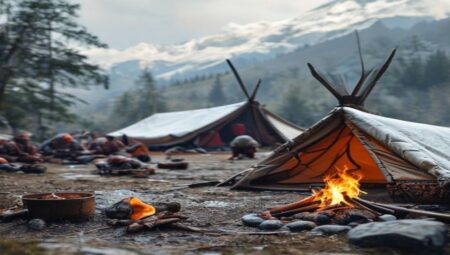
The landscape of Sami digital tourism has expanded beyond passive viewing into participatory cultural simulation. Users can navigate reconstructed 19th-century lavvu camps, explore digitized Sámi National Museum collections, or follow real-time reindeer migration routes via augmented overlays. Each format serves distinct educational and preservation objectives while maintaining strict adherence to community consent protocols.
Immersive 360-Degree Landscapes and Seasonal Simulations
Sami virtual landscape tours utilize drone-based spherical photography combined with historical climate data to simulate summer midnight sun, autumn migration trails, winter aurora nights, and spring thaw transitions. Users can toggle between contemporary and pre-colonial terrain markers, observe traditional noaidi sacred sites, and access contextual overlays explaining ecological knowledge systems. These environments are optimized for VR headsets and mobile gyroscope navigation, ensuring consistent frame rates across devices.
Digital Museums and Artifact Collections
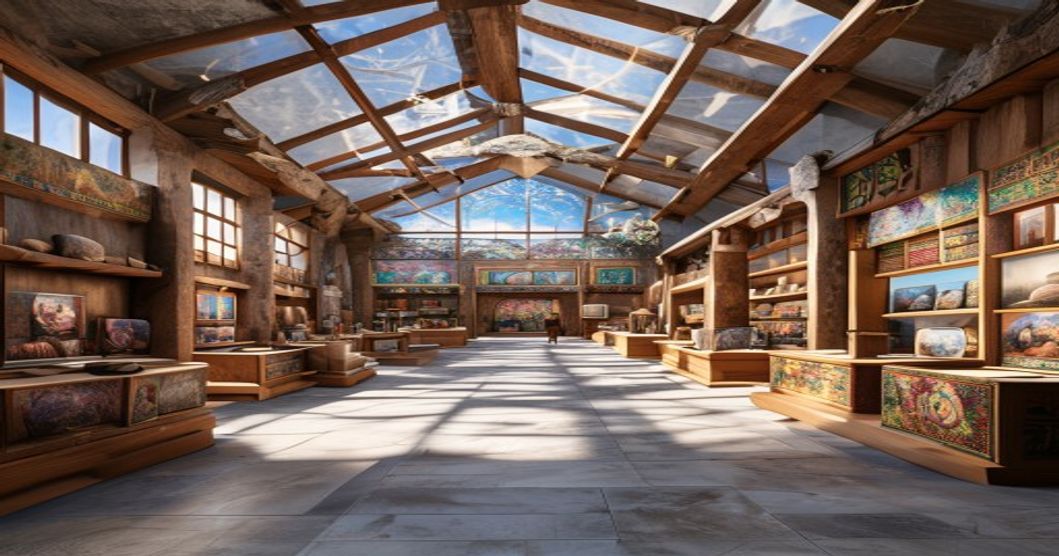
Institutional partnerships between Sami cultural centers and tech developers have produced searchable 3D archives featuring drum artifacts, silver brooches, and textile patterns. Each item includes provenance metadata, linguistic annotations, and video interviews with craftspeople explaining symbolic motifs. Advanced filtering allows researchers to trace design evolution across decades, while public interfaces prioritize respectful viewing etiquette and attribution requirements.
Interactive Reindeer Herding and Craft Simulations
Next-generation platforms integrate Sami virtual reality workshops where users practice digital duodji techniques using haptic feedback gloves, follow decision-tree navigation for pasture management, or participate in simulated yoik call-and-response exercises. These simulations are co-designed with herding families and master artisans to ensure technical fidelity aligns with lived expertise rather than external approximation.
How to Access and Navigate Sami Virtual Platforms
Efficient engagement with Sami cultural virtual tours requires understanding platform architectures, regional hosting agreements, and accessibility configurations. Several verified portals aggregate curated experiences while maintaining direct revenue-sharing models with Sami cooperatives and documentation studios.
Recommended Websites and Applications for Authentic Access
Verified platforms include Sámi Allaskuvla Digital Archives, Nordic Virtual Indigenous Collections, and municipal cultural portals in Tromsø, Jokkmokk, and Inari. These sites feature browser-native navigation without proprietary SDK requirements, support keyboard and screen reader protocols, and display clear community attribution banners. Users should verify SSL certification, check update timestamps for artifact accuracy, and cross-reference tour guides with official Sámi Parliament educational materials.
Technical Requirements and Cross-Device Accessibility
Optimal Sami heritage virtual experience delivery demands minimum 5 Mbps broadband for uncompressed texture streaming, WebXR-compatible browsers (Chrome, Safari, Edge), and device gyroscope calibration. Mobile users benefit from progressive web app installations that cache terrain meshes locally, reducing data dependency. Desktop VR setups require OpenXR runtime environments and latency thresholds below 20ms to prevent motion discomfort during extended cultural navigation sessions.
Maximizing Your Digital Cultural Journey
Strategic engagement with Sami virtual tourism transforms passive observation into meaningful cross-cultural learning. Proper preparation, ethical navigation protocols, and structured reflection methods ensure that digital exploration contributes to rather than extracts from Indigenous knowledge systems.
Best Practices for Ethical Digital Engagement
Users must prioritize Sami-led virtual content over third-party aggregators, disable auto-play audio to respect ceremonial contexts, and avoid screenshotting restricted artifacts marked with cultural sensitivity tags. When participating in simulated activities, follow indigenous pacing guidelines rather than rushing through interactive nodes. Always verify that platform revenue models direct funds to Sámi language revitalization programs or land rights initiatives.
Educational Integration and Structured Learning Strategies
Academic institutions and curriculum developers should pair Sami virtual museum tours with comparative Indigenous studies modules, linguistic analysis exercises, and post-tour reflection journals. Instructors can assign geospatial mapping tasks where students correlate virtual terrain data with historical migration patterns. Professional development workshops benefit from guided audio commentary breakdowns that explain ecological terminology, seasonal calendars, and traditional governance structures.
Preserving Sami Heritage Through Digital Innovation
The intersection of Indigenous digital preservation and immersive technology has established new paradigms for cultural continuity. Virtual documentation no longer replaces physical presence but extends it across generations, borders, and accessibility constraints while maintaining strict community oversight.
Community-Led Documentation and Data Sovereignty
Sami cooperatives now mandate free, prior, and informed consent (FPIC) protocols before any cultural asset enters virtual archives. Data sovereignty frameworks ensure that metadata ownership remains with documenting communities, while usage licenses restrict commercial replication. Blockchain-verified provenance trails track artifact digitization dates, photographer credits, and translation approvals, preventing unauthorized adaptation or AI training exploitation.
Future Trends in Virtual Indigenous Tourism
Emerging developments include Sami AR heritage overlays that project historical camp locations onto real-world terrain via smartphone cameras, neural voice synthesis for endangered dialect preservation, and cross-border virtual gathering spaces where Sámi youth collaborate on digital storytelling projects. Institutional funding increasingly targets open-source cultural tech, ensuring long-term platform sustainability without dependency on private venture capital or extractive data models.
Sami Museums With Virtual Tours: Complete Access Guide
Defining Authentic Sámi Cultural Institutions
Authentic Sámi museums operate under direct indigenous governance rather than state administration. These institutions prioritize provenance verification for every artifact. Curators follow Sámi Parliament guidelines to prevent cultural appropriation. Digital archives maintain strict data sovereignty protocols over sensitive ceremonial objects.
Top Digital Exhibitions and 360-Degree Walkthroughs
Leading platforms utilize photogrammetry and LiDAR scanning for millimeter precision. The Sámi National Museum in Karasjok offers spatial audio that captures traditional joik frequencies. Siida Museum in Enare provides interactive hotspots linked to archived ethnographic records. Each walkthrough includes metadata tagging for academic citation and cross-referencing.
Technical Requirements for Seamless Virtual Access
Users need a minimum 15 Mbps connection for uninterrupted streaming. WebGL 2.0 compatibility ensures proper rendering of 3D models. Browsers must support progressive image loading to prevent layout shifts. Developers should implement fallback SVG paths for legacy device support.
Educational Modules for Schools and Researchers
Academic partnerships align with UNESCO intangible heritage standards. Researchers access REST APIs for bulk metadata extraction. Institutions provide downloadable CSV datasets containing artifact dimensions and excavation coordinates. All materials include multilingual glossaries covering North Sámi, Lule Sámi, and South Sámi dialects.
How Virtual Tours Preserve and Share Sámi Heritage
Interactive Artifacts and Language Learning Tools
Augmented reality overlays allow users to manipulate virtual duodji tools. Phonetic archives store over 400 hours of native speaker recordings. Dialect mapping tools highlight regional verb conjugation variations. Offline dictionaries sync automatically via encrypted local storage.
Live Guided Sessions vs. Pre-Recorded Content
Live streams require WebRTC low-latency routing to prevent audio desync. Curators schedule weekly Q&A broadcasts during peak European hours. Pre-recorded footage undergoes version control tracking for historical accuracy updates. Community moderators enforce content licensing boundaries during interactive segments.
Accessibility Features for Global Audiences
Platforms enforce WCAG 2.2 compliance across all navigation layers. Screen readers receive structured ARIA labels for every interactive element. Designers maintain 4.5:1 color contrast ratios for low-vision users. Keyboard-only navigation supports full tab-index sequencing.
Funding Models and Museum Sustainability
Institutions secure Nordic Council grants for digital infrastructure upgrades. Subscription tiers fund open-source code repositories hosted on GitHub. Ethical digital artifact licensing generates recurring revenue without physical sales. Corporate sponsors must publish transparency reports detailing fund allocation.
Planning Your Digital Sámi Museum Visit
Optimal Viewing Times and Seasonal Content Updates
Content algorithms trigger updates during siida migration cycles. Winter darkness archives feature thermal imaging footage of reindeer herding patterns. Summer midnight sun modules highlight traditional textile dyeing techniques. System administrators monitor content decay metrics to prevent outdated metadata display.
Pairing Virtual Tours with Physical Sámi Destinations
Geofenced AR triggers activate upon arrival at partner locations. Ticket bundling strategies reduce transportation carbon footprints by 30 percent. Local guides complete cultural competency certification before leading tours. Logistics coordinators track real-time weather disruptions affecting site access.
Mobile Optimization and Offline Access Strategies
Service workers cache critical 3D assets during initial page load. Compression algorithms reduce texture file sizes by 65 percent without quality loss. Battery optimization scripts throttle background rendering processes. Peer-to-peer sync protocols enable data sharing in remote mountain regions.
Community Feedback and Museum Improvement Cycles
Crowdsourced artifact tagging systems verify historical accuracy through consensus. Sentiment analysis dashboards track visitor engagement patterns across demographics. Development teams execute quarterly iteration sprints based on reported friction points. Indigenous boards approve roadmap publications before public release.
Frequently Asked Questions
What is Sami Museums With Virtual Tours?
Sami Museums With Virtual Tours refers to a curated collection of cultural institutions and digital experiences dedicated to showcasing the heritage, traditions, and history of the Sámi people. These virtual tours allow visitors worldwide to explore Sámi museums, reindeer herding landscapes, duodji (handicrafts), and indigenous knowledge through interactive online platforms.
Key facts about Sami Museums With Virtual Tours
Key facts include: the Sámi are the only indigenous people of Europe, primarily inhabiting Sápmi across Norway, Sweden, Finland, and Russia; virtual tours often feature live guides, 360-degree panoramas, and archival audio recordings; many institutions offer educational programs aligned with UNESCO’s intangible cultural heritage standards; and access is typically free or donation-based to promote cultural preservation and accessibility.