Reindeer Importance in Sami Culture: Core Framework
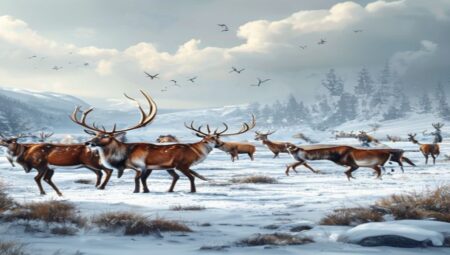
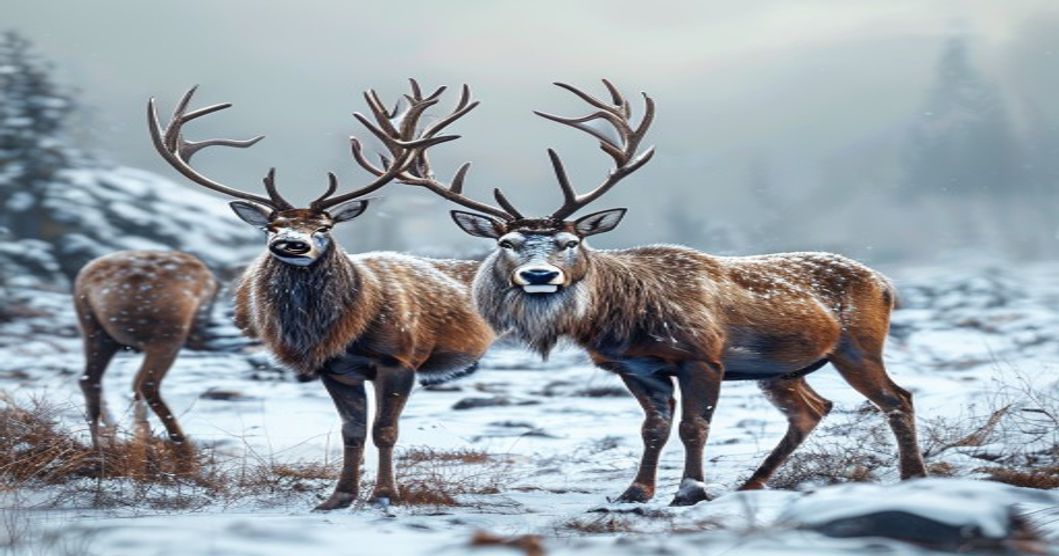
Reindeer form the biological and economic foundation of Sami society. These animals supply meat, hides, antlers, and transportation routes across Arctic landscapes. Modern valuation often reduces them to livestock commodities. Indigenous frameworks track them as kin and ecological partners.
Historical Evolution of Reindeer Pastoralism
Early pastoralism emerged in Scandinavia between the 13th and 17th centuries. Nomadic groups gradually shifted from hunting wild herds to managing domesticated populations. Danish and Norwegian crown policies initially restricted movement to secure tax revenues. Swedish authorities later formalized **reindeer herding districts** to standardize resource allocation.
Economic Value and Trade Networks
Contemporary Sami economies rely on direct sales of **venison cuts** and **antler crafts**. Export markets demand strict veterinary certifications and traceability protocols. Regional cooperatives negotiate pricing against global commodity fluctuations. Artisans process hides into traditional **duodji** textiles for domestic and tourist markets.
Spiritual Significance and Ritual Practices
Reindeer occupy central positions in **Sami cosmology** and seasonal ceremonies. Shamans historically interpreted animal behavior as divine communication. Modern practitioners maintain **noaidi** traditions through drumming and vocal chants. Sacrificial offerings acknowledge the animal’s role in sustaining human survival.
Legal Rights and Land Tenure Systems
National courts consistently rule that **grazing rights** stem from ancient usage rather than land ownership. Norway’s Reindeer Herding Act establishes **siida** cooperatives as primary administrative units. Sweden requires herders to register every animal with national identification tags. Finland restricts herd sizes to prevent ecological degradation on shared fells.
Climate Change Impacts on Migration Patterns
Warmer winters create **ice layers** that block access to lichen beneath the snow. Herders must expend excessive calories to break crusts, reducing calf survival rates. Altered precipitation patterns force herds toward higher elevations earlier in the season. Satellite tracking reveals fragmented routes that increase human-wildlife conflict.
Conservation Strategies and Biodiversity Protection
Government subsidies fund **herd health monitoring** and veterinary interventions during disease outbreaks. Indigenous knowledge systems document seasonal forage availability through oral archives. Youth programs teach **sledding techniques** and navigation using natural landmarks. Digital platforms archive audio recordings of elder herders discussing herd management.
Reindeer Importance in Sami Culture: Implementation Guidelines
Effective management requires aligning indigenous practices with contemporary ecological standards. Stakeholders must prioritize data transparency and equitable resource distribution. Long-term viability depends on recognizing reindeer as both economic assets and cultural keystones.
Policy Harmonization and Regulatory Alignment
Legislators must harmonize national statutes with international indigenous rights frameworks. Current regulations often conflict when forestry operations intersect with designated **winter pastures**. Regulatory agencies should mandate impact assessments before issuing extraction licenses. Herding councils require direct seats on regional planning committees.
Monitoring Systems and Data Collection Protocols
Local herders deploy **GPS collars** and drone surveillance to track herd movements in real time. Automated sensors measure soil moisture and vegetation density across grazing zones. Field researchers collaborate with elders to validate satellite imagery against historical migration routes. Open-access databases allow policymakers to adjust grazing quotas dynamically.
Educational Integration in Regional Curricula
Schools incorporate **pastoral science** modules alongside standard biology and geography courses. Students participate in seasonal migrations to observe animal behavior firsthand. Vocational training programs certify apprentices in hide processing and veterinary first aid. Academic partnerships fund research on climate-resilient forage species.
Cross-Border Cooperation and Indigenous Diplomacy
Nordic states established joint commissions to manage **transboundary herding routes** without bureaucratic delays. Diplomatic agreements standardize veterinary protocols and disease control measures across borders. Indigenous leaders negotiate directly with corporate developers to secure land use concessions. Bilateral task forces monitor snow quality and adjust migration schedules collaboratively.
Frequently Asked Questions: Reindeer Importance in Sami Culture
What is Reindeer Importance in Sami Culture?
Reindeer are the cornerstone of Sami culture, serving as the primary source of food, clothing, shelter, and transportation for centuries. They are deeply woven into the spiritual, economic, and social fabric of the Sami people, symbolizing resilience, sustainability, and a profound connection to the Arctic landscape.
Key facts about Reindeer Importance in Sami Culture
Reindeer herding is recognized as a UNESCO Intangible Cultural Heritage. They provide over 90% of the Sami’s traditional diet and materials for handicrafts. The Sami have developed unique knowledge systems for reindeer migration, health, and breeding. Reindeer also hold significant mythological and ceremonial roles in Sami traditions, often appearing in joik songs and duodji (crafts).