Origins and Geography of the Sámi People
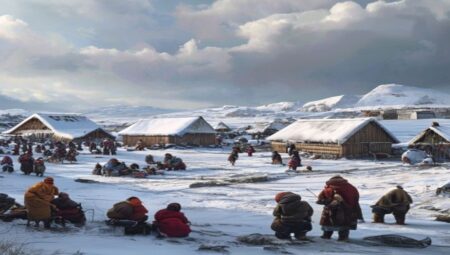
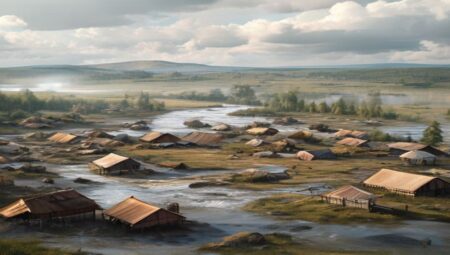
The Sámi people represent one of the most ancient indigenous populations in Europe, with a historical presence that predates modern border divisions across Fennoscandia. Their ancestral homeland, known as Sápmi, spans the northern reaches of Norway, Sweden, Finland, and the Russian Kola Peninsula. This vast Arctic territory is characterized by tundra landscapes, boreal forests, and extreme seasonal variations, which have fundamentally shaped a resilient nomadic heritage. Archaeological evidence and oral histories confirm that Sámi communities adapted to subarctic environments over millennia, developing sophisticated survival strategies long before European colonization efforts began in the late Middle Ages.
Historical Migration and Arctic Adaptation
Sámi ancestry traces back to post-glacial migrations following the retreat of ice sheets approximately 10,000 years ago. Genetic studies and linguistic analysis place the Sámi within the Uralic language family, closely related to Finnish and Hungarian but distinct in phonology and morphology. Traditional adaptation involved seasonal migration patterns dictated by reindeer movement, fishing cycles, and berry harvesting. These nomadic routes, known as siida networks, formed decentralized communal structures that optimized resource distribution across harsh Arctic conditions without centralized agricultural dependency.
Contemporary Sámi Lands Across Four Nations
Modern political boundaries fragmented historic Sápmi into four sovereign states, yet the cultural continuity remains intact. Today, recognized Sámi parliaments operate in Norway, Sweden, and Finland, serving as consultative bodies for indigenous rights, language policy, and reindeer husbandry regulations. The Russian Sámi population faces stricter assimilation policies but maintains active cultural networks through Kirkenes-adjacent communities and academic preservation projects. Cross-border collaboration ensures that Arctic nomadic heritage survives geopolitical fragmentation.
Core Traditions and Nomadic Lifestyle
The traditional Sámi lifestyle revolved around a symbiotic relationship with the Arctic environment, prioritizing sustainability, communal knowledge transfer, and seasonal mobility. Unlike sedentary European agricultural models, Sámi society developed a winter-spring-summer-autumn economic cycle that maximized ecological balance while maintaining strict territorial boundaries between herding communities.
Reindeer Herding and Sustainable Practices
Reindeer herding stands as the cornerstone of Sámi nomadic identity, particularly among northern coastal and mountain communities. Herders utilize ancient migration corridors to move livestock between summer pastures in highland tundra and winter feeding grounds in coniferous forests. Modern conservation laws now restrict commercial overgrazing, yet traditional knowledge remains vital for herd health monitoring, calf branding, and predator management. The practice relies on duodji tools crafted from reindeer antler, bone, and hide, demonstrating an intricate understanding of animal biology and material science.
Traditional Crafts (Duodji) and Material Culture
Duodji, the official Sámi handicraft tradition, encompasses functional and decorative objects made through generations of refined technique. Knife handles, belt buckles, ceremonial drums, and snow goggles are constructed using cold-smoked birch root, reindeer sinew thread, and pewter inlay. Each region exhibits distinct patterns that denote clan affiliation, marital status, and economic standing. UNESCO recognized duodji as an Intangible Cultural Heritage of Humanity, acknowledging its role in preserving Arctic craftsmanship against industrial mass production.
Spiritual Heritage and Artistic Expression
Sámi cosmology and artistic output reflect a profound engagement with natural forces, celestial navigation, and ancestral memory. Before Christianization campaigns of the 17th and 18th centuries, indigenous belief systems structured daily rituals, hunting expeditions, and seasonal festivals that aligned human activity with Arctic ecological rhythms.
The Significance of Joik in Sámi Music
Joik (or yoik) operates as a unique vocal tradition that does not merely describe a subject but embodies its essence through melodic contour, breath control, and rhythmic repetition. Traditional joiks honor individuals, landscapes, reindeer herds, or spiritual encounters, functioning as auditory maps of the Arctic terrain. The technique utilizes overtone singing, glottal pulses, and microtonal shifts that mimic wind patterns and animal vocalizations. Contemporary Sámi musicians integrate joik with jazz, electronic, and classical genres while maintaining its ritualistic integrity.
Shamanism, Noaidi, and Arctic Cosmology
Historical Sámi spirituality centered on the
Understanding Sámi Culture in the Arctic Circle
Geographic Distribution and Traditional Territories
The **Sápmi** region spans four sovereign nations without formal political borders. Herders navigate across **Finnmark**, **Norrbotten**, **Lapland**, and the **Kola Peninsula** using historical trails. Modern border crossings require specialized permits for seasonal movement. This transnational framework defines traditional migration routes.
Core Values and Spiritual Connection to the Land
Communities organize around the **Siida**, a cooperative resource management unit. Spiritual practice centers on **Noaidi** rituals performed at **Sieidi** stone formations. The land functions as a living ancestor rather than commercial property. Ancestor worship dictates seasonal hunting restrictions.
Daily Survival and Traditional Livelihoods
Reindeer Herding Cycles and Seasonal Migration
Herders track **spring calving grounds** across open tundra before moving animals north. **Summer coastal pastures** provide insect-free grazing zones during peak breeding. **Autumn roundups** consolidate scattered herds using snowmobiles and trained dogs. **Winter forest ranges** offer sheltered lichen beds beneath dense pine canopies.
Food Preservation and Resource Management
Foragers harvest **cloudberry** and **lingonberry** during brief summer windows. **Freeze-drying** techniques remove moisture from **wild garlic** and **reindeer meat** without heat. **Birch bark fermentation** preserves fish proteins for long winter months. **Bone marrow** extraction provides essential fat storage during extreme cold.
Traditional Shelter and Infrastructure
Builders erect the **lavvu**, a conical framework covered in layered **reindeer hides**. The **goahti** variant utilizes wooden poles for permanent winter structures. **Snow trench** sleeping platforms reduce conductive heat loss below ground level. Stone **windbreak** walls deflect polar gales away from entry points.
Language, Education, and Cultural Preservation
Linguistic Diversity and Oral Traditions
**North Sámi**, **Inari Sámi**, and **Skolt Sámi** dialects preserve distinct phonetic systems. **Polysynthetic grammar** merges multiple concepts into single complex words. **Joik** melodies transmit genealogical data through non-linear tonal patterns. The **Sámi Parliament** funds digital dictionaries to standardize spelling across borders.
Indigenous Education and Knowledge Transfer
The **Sámi University of Applied Sciences** delivers accredited programs in indigenous law. **Mother-tongue instruction** mandates bilingual curricula in northern municipal schools. Master **apprenticeship** models transfer herding skills through direct field observation. **Digital archives** catalog oral histories using geotagged audio recordings.
Revitalizing Traditional Crafts and Art
**Duodji** certification requires proven lineage and traditional tool usage. Artisans forge **silver belt buckles** using cold-hammering techniques passed through generations. **Runic carving** marks functional items with protective geometric symbols. Contemporary designers integrate **UNESCO** guidelines to prevent cultural appropriation.
Contemporary Challenges and Adaptations
Climate Change and Environmental Disruption
**Ice crust** formation locks herders out of surface lichen during thaws. **Lichen starvation** rates spike after repeated **rain-on-snow** events. **Permafrost thaw** destabilizes traditional trail networks and grazing boundaries. Herders now purchase supplemental feed to prevent herd collapse.
Mining, Resource Extraction, and Legal Battles
Corporations target **rare earth elements** beneath protected grazing zones. **Free, Prior, and Informed Consent** protocols face consistent legal delays. **Supreme Court** rulings mandate compensation but rarely halt extraction permits. **Corporate lobbying** influences regional planning committees across Scandinavia.
Digital Innovation and Modern Connectivity
**Satellite internet** enables remote language classes for dispersed families. **Language apps** gamify vocabulary retention for younger demographics. **Virtual joik festivals** broadcast performances to global streaming platforms. **Data sovereignty** debates center on controlling indigenous knowledge repositories.
Economic Realities and Sustainable Practices
Tourism Models and Community Control
Operators implement **profit-sharing** agreements with local herding cooperatives. **Dog sledding** enterprises require strict animal welfare certifications. **Local guide certification** programs filter unlicensed commercial operators. **Overtourism** pressures degrade fragile tundra vegetation near trailheads.
Government Subsidies and Autonomy Limitations
**Herding cooperatives** distribute federal grants for equipment modernization. **Tax exemptions** reduce operational costs for licensed livestock traders. **Regional development grants** fund infrastructure upgrades in remote villages. **Policy fragmentation** creates administrative bottlenecks for cross-border applications.
Healthcare, Housing, and Social Infrastructure
**Mobile health clinics** deliver dental services to seasonal migration routes. **Housing cooperatives** address chronic shortages in peripheral municipalities. **Mental health programs** integrate traditional **joik therapy** into clinical settings. **Youth suicide rates** remain elevated due to cultural displacement.
The Future of Sápmi and Indigenous Rights
Legal Precedents and Land Claim Resolutions
The **ILO 169** convention establishes binding recognition of traditional use rights. **Land court verdicts** increasingly favor indigenous stewardship over state claims. **UNDRIP** declarations pressure governments to respect territorial sovereignty. **Legal representation** funds enable sustained litigation against extractive industries.
Youth Activism and Cultural Renaissance
Students launch **social media campaigns** demanding corporate environmental accountability. **Fashion collectives** modernize traditional **gákti** designs for global runways. **Eco-tourism startups** prioritize ecological education over recreational consumption. **Youth councils** negotiate directly with municipal planning departments.
Global Indigenous Networks and Solidarity
**Sámi Parliament** delegates attend **UN Permanent Forum** sessions in New York. **Cross-border alliances** share legal strategies with Inuit and First Nations groups. **Cultural exchange programs** strengthen ties with other Arctic indigenous communities. **Global streaming** platforms amplify Sámi music to international audiences.
Preserving Language and Identity for Future Generations
**Immersion camps** teach survival skills without written linguistic mediation. **Digital storytelling** projects archive elder narratives using interactive maps. **University partnerships** develop new pedagogical frameworks for early childhood education. **Cultural revitalization** metrics track fluency rates across age demographics.
“`html
Frequently Asked Questions: Life in the Arctic Circle as a Sami
What is Life in the Arctic Circle as a Sami?
Life in the Arctic Circle as a Sami refers to the traditional and contemporary existence of the Sami people, the only Indigenous group officially recognized within the European Union, who have inhabited the northern regions of Norway, Sweden, Finland, and Russia’s Kola Peninsula for thousands of years. Central to Sami life is reindeer herding, a practice that shapes their economy, culture, and spiritual connection to the land. Sami communities live in harmony with the extreme Arctic environment, relying on reindeer for food, clothing, shelter, and transportation. They maintain a rich oral tradition, including the distinctive joik music style, and practice noaidi (shamanistic) traditions rooted in animism. Despite modernization and historical assimilation policies, the Sami have preserved their language, governance structures, and cultural identity, while increasingly advocating for land rights and self-determination across their ancestral homeland known as Sápmi.
Key facts about Life in the Arctic Circle as a Sami
- The Sami population is estimated at 80,000 to 100,000 people, primarily distributed across Norway, Sweden, Finland, and Russia.
- Sápmi, the traditional Sami homeland, spans the northernmost parts of Norway, Sweden, Finland, and the Kola Peninsula of Russia.
- Reindeer herding is practiced by approximately 3,000 Sami people and remains the backbone of Sami livelihood and cultural identity.
- The Sami have their own parliaments: the Sámediggi in Norway (established 1989), the Sameting in Sweden (1993), and the Finnish Saameudiskuntien neuvosto (1973).
- Sami languages belong to the Uralic language family and are divided into Western and Eastern branches, with over a dozen dialects; some are critically endangered.
- The traditional Sami dwelling is called a lavvu (Norway/Sweden) or goahti (Finland), a cone-shaped tent similar to a tipi, made of wood and reindeer hides.
- Sami culture includes the distinctive joik, a traditional form of song that is deeply spiritual and closely tied to people, places, and animals.
- The Sami flag was adopted in 1986, featuring a red, blue, green, and yellow circle on a white background, designed by artist Isak Saba.
- Historically, Sami children were forcibly removed from their families and placed in boarding schools to assimilate them into majority cultures, a policy that lasted well into the 20th century.
- In 2000, the Norwegian Sami Act recognized the Sami as an Indigenous people with the right to preserve and develop their language, culture, and way of life.
“`
“`json
{
“@context”: “https://schema.org”,
“@type”: “FAQPage”,
“mainEntity”: [
{
“@type”: “Question”,
“name”: “What is Life in the Arctic Circle as a Sami?”,
“acceptedAnswer”: {
“@type”: “Answer”,
“text”: “Life in the Arctic Circle as a Sami refers to the traditional and contemporary existence of the Sami people, the only Indigenous group officially recognized within the European Union, who have inhabited the northern regions of Norway, Sweden, Finland, and Russia’s Kola Peninsula for thousands of years. Central to Sami life is reindeer herding, a practice that shapes their economy, culture, and spiritual connection to the land. Sami communities live in harmony with the extreme Arctic environment, relying on reindeer for food, clothing, shelter, and transportation. They maintain a rich oral tradition, including the distinctive joik music style, and practice noaidi (shamanistic) traditions rooted in animism. Despite modernization and historical assimilation policies, the Sami have preserved their language, governance structures, and cultural identity, while increasingly advocating for land rights and self-determination across their ancestral homeland known as Sápmi.”
}
},
{
“@type”: “Question”,
“name”: “Key facts about Life in the Arctic Circle as a Sami”,
“acceptedAnswer”: {
“@type”: “Answer”,
“text”: “
- The Sami population is estimated at 80,000 to 100,000 people, primarily distributed across Norway, Sweden, Finland, and Russia.
- Sápmi, the traditional Sami homeland, spans the northernmost parts of Norway, Sweden, Finland, and the Kola Peninsula of Russia.
- Reindeer herding is practiced by approximately 3,000 Sami people and remains the backbone of Sami livelihood and cultural identity.
- The Sami have their own parliaments: the Sámediggi in Norway (established 1989), the Sameting in Sweden (1993), and the Finnish Saameudiskuntien neuvosto (1973).
- Sami languages belong to the Uralic language family and are divided into Western and Eastern branches, with over a dozen dialects; some are critically endangered.
- The traditional Sami dwelling is called a lavvu (Norway/Sweden) or goahti (Finland), a cone-shaped tent similar to a tipi, made of wood and reindeer hides.
- Sami culture includes the distinctive joik, a traditional form of song that is deeply spiritual and closely tied to people, places, and animals.
- The Sami flag was adopted in 1986, featuring a red, blue, green, and yellow circle on a white background, designed by artist Isak Saba.
- Historically, Sami children were forcibly removed from their families and placed in boarding schools to assimilate them into majority cultures, a policy that lasted well into the 20th century.
- In 2000, the Norwegian Sami Act recognized the Sami as an Indigenous people with the right to preserve and develop their language, culture, and way of life.
”
}
}
]
}
“`