The Polar Night in Sápmi: Environmental and Cultural Foundations
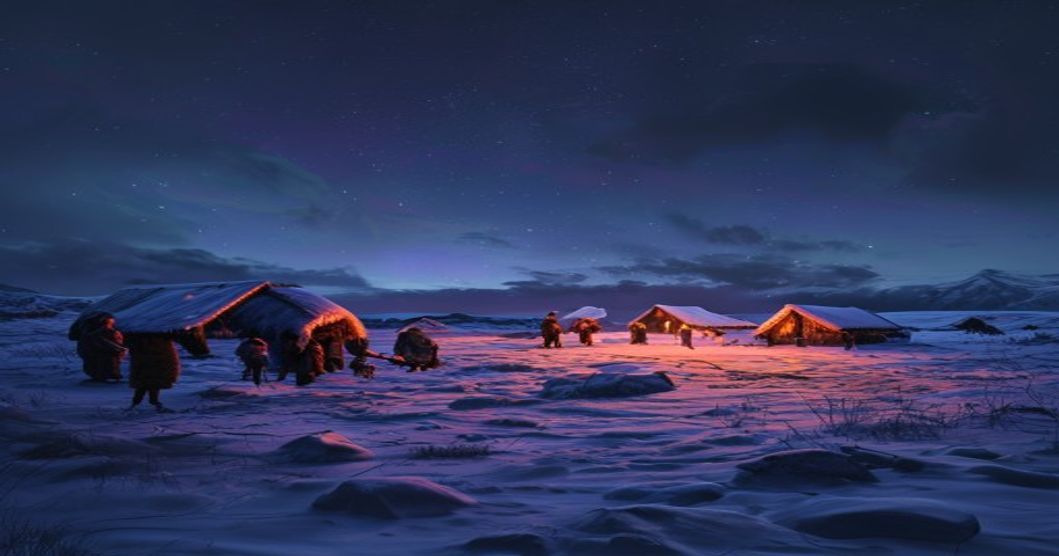
The polar night, known in Sami languages as kaamos, transforms the Arctic landscape for weeks or months depending on latitude. During this period, the sun remains below the horizon, creating a twilight that shifts from deep blue to near darkness. This environmental rhythm has historically dictated the pace of daily life, influencing everything from resource gathering to social organization across Sami territories.
Ecological Adaptations and Seasonal Cycles
Sami communities have developed highly specialized knowledge systems to navigate prolonged darkness and subzero temperatures. The ecological calendar revolves around reindeer migration patterns, snow conditions, and wildlife behavior rather than conventional daylight hours. Traditional indicators such as wind direction, ice thickness, and animal tracks replace solar cues for navigation and timing.
Traditional Attire and Arctic Survival Gear
Clothing in Sami culture is engineered for extreme winter conditions while maintaining cultural identity. The Sámi gákti serves both practical and symbolic functions during the polar night months.
Material Selection and Layering Techniques
Fur-lined boots, reindeer leather trousers, and woolen mittens form the foundation of winter wear. Each region utilizes distinct tanning methods to preserve flexibility in freezing temperatures. Layering strategies prevent moisture buildup while trapping body heat, a critical requirement during months when temperatures regularly drop below minus thirty degrees Celsius.
Cultural Symbolism Embedded in Winter Garments
Belt patterns, button placements, and color combinations communicate clan affiliation, marital status, and regional origin. During the polar night, these visual markers become essential for community cohesion and mutual recognition across vast, snow-blanketed terrain.
Reindeer Herding Through Winter Darkness
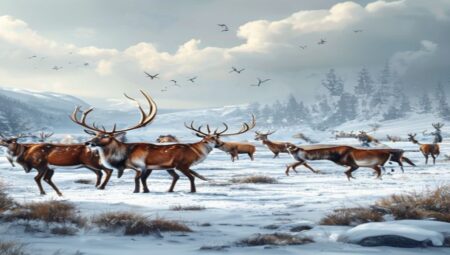
Reindeer husbandry remains the economic and cultural backbone of Sami society during the polar night. Herders maintain rigorous routines despite limited visibility and extreme cold.
Nighttime Herding Techniques and Navigation
Sami herders utilize acoustic signals, traditional whistles, and hand gestures to guide reindeer across frozen landscapes. Knowledge of terrain features allows movement without artificial lighting, preserving both animal welfare and energy conservation.
Winter Feeding Strategies and Resource Management
Supplemental feeding becomes necessary when natural lichen grazing is buried under heavy snowfall. Communities distribute fodder strategically across seasonal pastures, balancing herd nutrition with ecological sustainability. Modern herders combine satellite tracking with ancestral knowledge to optimize pasture rotation during extended darkness.
Arctic Cuisine and Food Preservation Methods
Winter sustenance relies on preserved meats, dried fish, and fermented dairy products that withstand months without fresh produce.
Traditional Preservation Techniques
Frozen storage, wind drying, and fermentation create nutrient-dense provisions essential for survival. Sámi culinary traditions prioritize caloric density and vitamin retention through methods like air-drying reindeer meat and preserving Arctic char in natural ice cellars.
Communal Dining and Seasonal Rituals
Shared meals reinforce social bonds during the polar night. Traditional dishes emphasize resourcefulness, utilizing every part of the reindeer while honoring spiritual reciprocity with nature.
Spiritual Practices and Oral Traditions in Darkness
The extended darkness has historically amplified the importance of spiritual practices and storytelling within Sami communities.
Yoik Performance and Seasonal Storytelling
The Sámi yoik functions as both musical expression and historical record. During polar nights, performers adapt vocal techniques to carry across frozen valleys while maintaining phonetic clarity in cold air.
Ancestral Knowledge Transmission
Elders transmit survival knowledge, ecological observations, and ethical frameworks through narrative cycles. These oral traditions encode practical information about weather patterns, animal behavior, and navigation techniques essential for winter mobility.
Contemporary Sami Life and Cultural Continuity
Modern Sami communities balance industrial development with cultural preservation while maintaining traditional practices during the polar night.
Technological Integration and Traditional Knowledge
Snowmobiles, GPS tracking, and radio communication supplement historical methods without replacing foundational ecological literacy. Younger generations participate in winter herding cycles while documenting ancestral techniques through digital archives.
Educational Initiatives and Language Revitalization
Sami-language instruction programs emphasize seasonal vocabulary and traditional ecological terminology. Community centers host winter workshops where elders demonstrate ice navigation, fur crafting, and polar night survival strategies to ensure intergenerational knowledge transfer.
Frequently Asked Questions
What is Sami People and Polar Night Traditions?
The Sami people are the indigenous inhabitants of the northernmost regions of Norway, Sweden, Finland, and Russia’s Kola Peninsula. Their cultural traditions surrounding the Polar Night (Kaamos) center on resilience, deep spiritual ties to nature, and community cohesion. These traditions include joik singing, reindeer herding adaptations, storytelling, and light-focused festivals designed to maintain morale and cultural identity during the prolonged darkness.
Key facts about Sami People and Polar Night Traditions
Key facts include: 1) The Sami have inhabited Arctic territories for over 10,000 years, developing distinct languages and sustainable livelihoods. 2) During the Polar Night, they historically relied on animal fat lamps and snow shelters to navigate and survive extreme conditions. 3) Traditional reindeer herding schedules are strictly synchronized with seasonal light changes and grazing patterns. 4) The darkness is culturally viewed as a sacred period for introspection, spiritual rituals, and strengthening intergenerational knowledge transfer rather than merely a challenging season.