The Cultural Foundations of Sami Duodji
Sami crafts, collectively known as duodji, represent a living archive of Arctic survival strategies and aesthetic philosophy. Originating across the northern territories of Norway, Sweden, Finland, and Russia, this indigenous craft system developed in direct response to seasonal reindeer migrations, extreme climate cycles, and limited access to external trade routes. Unlike decorative arts created for market display, duodji prioritizes functional utility, material efficiency, and deep ecological reciprocity. Each object carries encoded knowledge about navigation, weather prediction, animal anatomy, and community hierarchy. The transmission of these techniques relies on kinship networks, seasonal gatherings, and hands-on apprenticeship rather than formalized curricula.
The philosophical core of Sami craftsmanship rests on non-waste resource utilization. Every component of harvested material is assigned a specific purpose: sinew becomes thread, fat renders into waterproofing agents, bones transform into needle points, and antler serves as structural reinforcement for tools. This closed-loop approach predates modern sustainability frameworks by centuries, operating through empirical observation rather than theoretical design.
Reindeer Antler and Bone Carving Techniques
Antler carving requires precise thermal conditioning to prevent cracking during shaping. Artisans heat raw antler segments over low embers, then gradually cool them in damp moss to control fracture lines. The resulting material responds predictably to hand files, bone awls, and stone abrasives. Modern Sami knife makers still utilize this method for handles and decorative inlays on functional blades.
Bone processing involves prolonged soaking in flowing water to separate marrow, followed by alkaline treatment using birch ash lye. This natural degreasing process yields durable, flexible materials suitable for weaving reinforcement and tool fittings. The density variation within a single antler dictates its application: dense basal sections become axe heads or knife scales, while porous tips serve as grinding stones or decorative beads.
Textile Production and Wool Processing
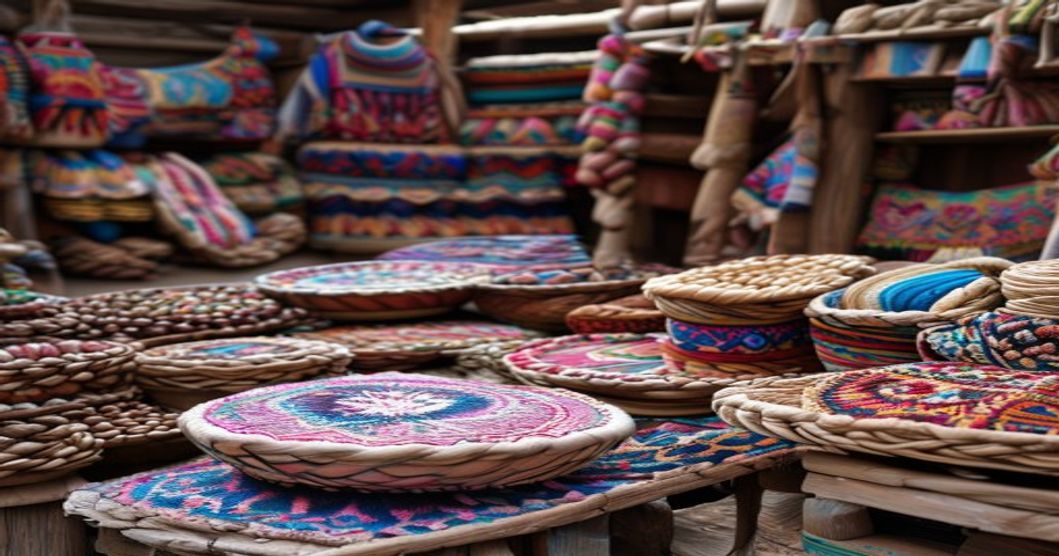
Sami wool textiles rely on hand-combing rather than shearing to preserve fiber alignment. Reindeer guard hairs are separated from the insulating underwool through dry carding, then spun using drop spindles weighted with ceramic or stone whorls. The resulting yarn maintains natural lanolin content, providing inherent water resistance without chemical treatment.
Dye extraction utilizes local flora and mineral deposits. Lichen yields ochre and rust tones when mordanted with iron-rich soil. Birch bark produces tan and brown pigments through extended simmering. Copper ore particles are sometimes ground into paste for metallic accents on ceremonial garments, while reindeer blood mixed with alum creates fast red hues that resist UV degradation.
Traditional Crafting Methods and Tool Mastery
The Sami knife remains the central instrument of duodji production. Blade geometry varies by region: northern variants feature recurved edges for hide splitting, while coastal models incorporate straight profiles for net mending. Handle materials prioritize stability under moisture exposure. Dammar wood, reindeer shoulder bone, and hardened antler bases are selected for their resistance to warping and bacterial growth.
Forging techniques involve repeated folding of high-carbon steel with local iron sand. Artisans control tempering through visual color gradations rather than thermometers, relying on decades of thermal memory. Edge geometry is maintained through whetstones quarried from glacial erratics, which retain sharpness longer than manufactured abrasives.
The Art of Gákti Garment Construction
The gákti functions as both daily workwear and cultural identifier. Regional patterns encode clan affiliation, marital status, and seasonal labor roles through specific color blocking, embroidery placement, and metal button arrangements. Construction follows strict geometric drafting principles to accommodate reindeer saddle movement without restricting shoulder articulation.
Sleeve attachment uses gusseted seams that distribute stress across multiple fabric layers. Hem reinforcement incorporates woven leather strips to prevent abrasion from sled contact. Fastening systems rely on hook-and-eye closures made from hammered copper wire, eliminating reliance on modern synthetic zippers while maintaining windproof integrity.
Modern Sustainability Practices in Indigenous Craftsmanship
Contemporary duodji production maintains zero-industrial-waste output through material cycling protocols. Off-cuts from antler carving become micro-chisels for fine engraving. Wool clippings are felted into insulating shoe liners. Failed dye batches are repurposed as wood preservatives for outdoor tool storage racks. This circular methodology aligns with ISO 14001 environmental standards while operating entirely outside factory infrastructure.
Ethical sourcing protocols govern reindeer material acquisition. Artisans follow indigenous hunting regulations that prohibit antler removal from shed-only periods, ensuring herd population stability. Silver used in jewelry derives from recycled museum pieces or ethically mined Scandinavian deposits, eliminating conflict mineral exposure.
Contemporary Design Integration and Market Adaptation
Modern duodji artisans collaborate with Nordic industrial designers to translate traditional joinery methods into modular furniture systems. Dovetail patterns adapted from reindeer harness construction now appear in sustainable cabinetry. Traditional knitting tension calculations inform digital patterning software, preserving stitch integrity across machine production.
Digital archiving initiatives document tool wear patterns and material degradation rates using photogrammetry. These datasets feed into climate-resilient craft manuals that adjust drying times and tempering temperatures based on shifting Arctic humidity levels. Online marketplaces now feature blockchain verification for material origin, ensuring buyers can trace each component to verified seasonal harvesting zones.
Preserving Sami Craft Heritage Through Education and Community Networks
Apprenticeship models operate through seasonal work cycles rather than academic terms. Youth participants learn knife safety alongside reindeer tracking, textile dyeing alongside weather pattern recognition. This integrated curriculum prevents skill fragmentation and ensures functional literacy across all duodji disciplines.
Cultural centers in Finnmark, Sápmi, and Lapland host intergenerational craft exchanges where master artisans demonstrate blade heat treatment while students record acoustic signatures of stone-on-steel contact. These sessions feed into open-access technical databases that standardize terminology while preserving dialect-specific instruction methods.
Cooperative economies sustain rural craft production by pooling raw material procurement, shared forge facilities, and collective export logistics. Revenue from international craft fairs funds youth stipends that offset migration to urban centers. UNESCO intangible heritage recognition has accelerated institutional support without commercializing sacred design motifs or restricting indigenous trademark control.
Frequently Asked Questions
What is Sami Crafts Sold in Scandinavian Markets?
Sami Crafts Sold in Scandinavian Markets refers to traditional handmade items created by the indigenous Sami people, which are widely available and traded across Scandinavian countries. These crafts often include reindeer leather goods, woven textiles, duodji (traditional Sami handicrafts), and intricate beadwork, reflecting centuries of cultural heritage and sustainable practices.
Key facts about Sami Crafts Sold in Scandinavian Markets
Key facts include their authentic origin from the Sami indigenous communities, use of natural and locally sourced materials like reindeer antler and wool, cultural significance tied to Sami traditions, and their growing popularity in Scandinavian retail and tourist markets as symbols of sustainable and ethical craftsmanship.