Historical Foundations of Sámi Musical Practices
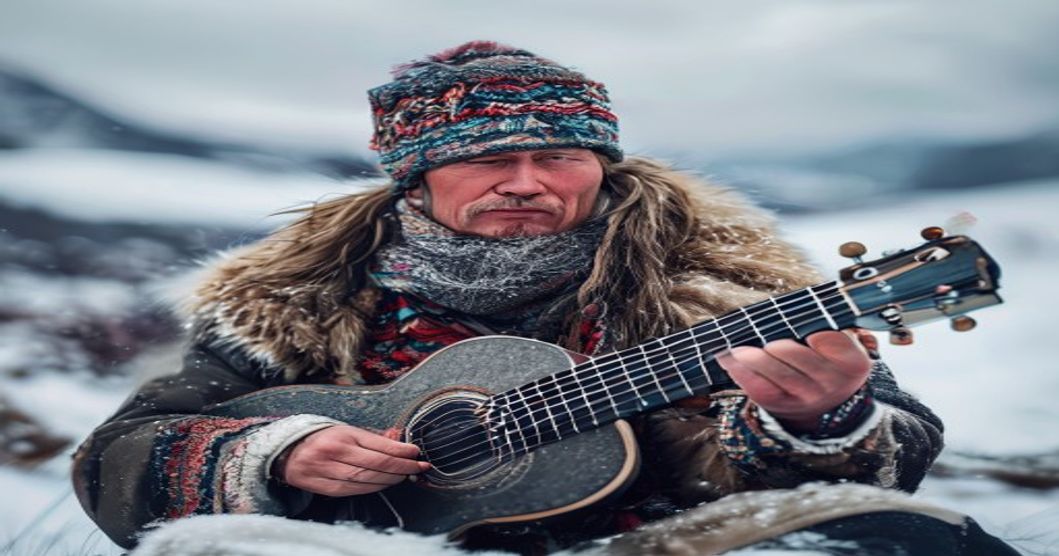
The musical heritage of the Sámi people originates from Sápmi, a transnational region spanning northern Norway, Sweden, Finland, and Russia’s Kola Peninsula. Traditional Sámi soundscapes are predominantly anchored in vocal performance rather than instrumental composition. The foundational element is the **joik**, a non-linear vocal tradition that functions as an auditory representation of a subject—be it a person, landscape, animal, or ancestral lineage. Unlike Western melodic structures that follow verse-chorus progressions, the joik employs repetitive vocal motifs, microtonal inflections, and rhythmic breathing patterns to evoke rather than narrate. Traditional accompaniment relies on percussion instruments such as the rumba drum and stringed tools like the goavddis
Modern Sami Music in Scandinavia: Historical Context and Cultural Shifts
The Sámi cultural sphere spans across the northern territories of Norway, Sweden, Finland, and Russia. Musical practices evolved through centuries of cross-border trade routes and seasonal reindeer migrations. Geographic isolation preserved distinct acoustic traditions while external colonial policies actively suppressed them.
Origins of Joik and Indigenous Vocal Traditions
Joik functions as a non-narrative vocal technique that maps directly onto specific individuals, landscapes, or animals. Performers utilize throat resonance and microtonal pitch bending to replicate natural soundscapes without rhythmic meter. Field recordings from the late nineteenth century document how these melodies operated as spiritual anchors rather than entertainment formats.
Political Marginalization and Late-Twentieth Century Reawakening
Assimilation policies enforced in the 1930s banned indigenous languages from schools and public institutions. The 1979 Alta Dam protests triggered a legal framework that recognized Sámi land rights and cultural autonomy. Artists leveraged this legislative shift to produce politically charged recordings that bypassed mainstream Nordic radio censorship.
Defining the Contemporary Sami Sound
Current production workflows merge analog vocal techniques with digital signal processing chains. Studios in Tromsø and Umeå employ multiband compression to preserve vocal clarity over dense synthesizer layers. The resulting sonic profile maintains acoustic authenticity while meeting modern streaming loudness standards.
Electronic Production and Traditional Instrument Integration
Producers route duodji percussion through hardware effects units to generate granular textures. Field recording techniques capture wind patterns and ice fracture sounds for rhythmic sampling. These audio elements replace conventional drum programming, creating a geographically specific low-end frequency response.
Lyrical Evolution and Bilingual Songwriting Strategies
Songwriters implement code-switching protocols to bridge dialectal gaps across Sápmi regions. North Sámi phonetics require precise consonant gradation that influences melodic phrasing. Bilingual tracks utilize Norwegian or Swedish verses to maximize algorithmic discoverability while preserving indigenous choruses for cultural continuity.
Key Figures and Discography Highlights
Early genre architects established distribution networks that operated outside Oslo and Stockholm music hubs. Independent releases utilized cassette duplication networks before digital platforms emerged. These foundational catalogs now serve as reference material for academic ethnomusicology departments.
Pioneering Artists Shaping the Genre
Mari Boine’s 1994 album introduced synth-bass layering to traditional vocal structures. Wimme Saari maintained strict acoustic recording parameters to document unprocessed joik techniques. Boazov combined industrial sampling methods with indigenous percussion to create genre-defining rhythmic patterns.
Emerging Voices and Independent Releases
Young producers utilize open-source DAWs to manipulate archival field recordings without label interference. Bandcamp and Bandzoogle platforms enable direct royalty distribution to Sámi creators. Independent releases prioritize metadata accuracy to prevent misclassification within Nordic folk categories.
Distribution Channels and Audience Engagement
Live performance logistics require coordination across three sovereign music markets. Tour routing optimizes travel costs through cross-border venue partnerships and regional cultural grants. Audience retention relies on direct artist communication rather than intermediary marketing agencies.
Festival Circuit and Tour Routing Across Norway, Sweden, Finland
Major events like Riddu Riđđu and Umeå European Capital of Culture provide structured booking pathways. Regional promoters utilize shared rider templates to accommodate traditional instrument transport. Venue acoustics are modified with acoustic panels to preserve vocal frequency ranges during large-scale performances.
Algorithmic Promotion on Streaming Platforms
Playlist placement depends on precise audio feature tagging and release timing coordination. Editorial algorithms prioritize tracks with high retention rates in the first thirty seconds. Artists optimize metadata to trigger recommendations within Nordic folk and indigenous electronic categories.
Cultural Preservation and Educational Frameworks
Archival digitization projects convert deteriorating magnetic tape recordings into lossless digital formats. The Sámi Parliament allocates funding for audio restoration and dialect standardization. These initiatives create accessible repositories for researchers and independent producers.
Language Revitalization Through Musical Archives
Digitized collections enable phonetic analysis of endangered dialect variants. Musicians reference historical recordings to reconstruct lost melodic progressions. Educational platforms integrate these archives into secondary school music curricula across northern Scandinavia.
University Partnerships and Folk Music Documentation
UiT The Arctic University of Norway collaborates with artists on ethnomusicological field studies. Sámi allaskuvla maintains open-access databases for traditional instrument acoustics. Research outcomes feed directly into contemporary production techniques and performance pedagogy.
Accessing and Supporting Modern Sami Music
Verification protocols prevent cultural appropriation by tracking creator ownership and royalty distribution. Official directories list only Sámi-owned cooperatives and verified independent labels. Consumers utilize these databases to ensure revenue reaches indigenous creators.
Verified Streaming Playlists and Official Merchandise Channels
Curated collections prioritize high-fidelity audio streams to preserve dynamic range in vocal performances. Merchandise channels feature direct artist commissions rather than third-party print-on-demand services. Licensing agreements require explicit consent from Sámi cultural councils for commercial use.
Ethical Consumption Guidelines and Direct Artist Support
Festival guidelines mandate indigenous headliner representation and transparent revenue splits. Direct support mechanisms include NFT-based royalty distribution and limited-edition vinyl pressing. Audience engagement metrics feed back into funding applications for future tour routing and recording budgets.
Frequently Asked Questions About Modern Sami Music in Scandinavia
What is Modern Sami Music in Scandinavia?
Modern Sami music in Scandinavia blends traditional Sami joik singing with contemporary genres like pop, rock, electronic, and folk. It represents the cultural resilience and artistic evolution of the Sami people across Norway, Sweden, Finland, and Russia, often addressing themes of identity, land, and indigenous rights while gaining international recognition.
Key facts about Modern Sami Music in Scandinavia?
Key facts include its foundation in the traditional joik vocal style, the rise of prominent artists like Mari Boine, Wimme Saari, and Anna Maria Helsing, its use of the Sami language to preserve cultural heritage, its integration with modern production techniques, and its growing presence at major Nordic music festivals and UNESCO cultural initiatives.