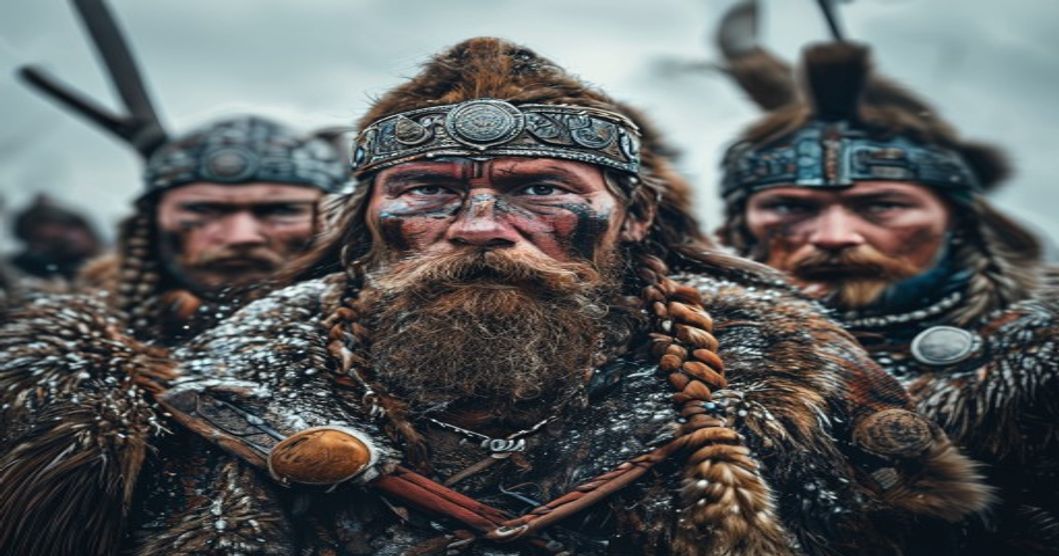
Maritime Commerce and Economic Interdependence
The Viking Age (circa 793–1066 CE) operated within a highly structured economic framework that connected Scandinavia with indigenous Fennoscandian populations. Norse traders navigated complex coastal and riverine networks to establish sustained exchange relations with Sami communities, transforming remote hunting grounds into vital nodes of transregional commerce.
Commodity Exchange and Resource Allocation
Stratigraphic analysis of northern Norwegian and Swedish settlement layers reveals a consistent flow of specialized goods. Iron implements, woolen textiles, and imported glass beads moved southward from Sami territories, while silver bullion, processed whale oil, dried fish, and reindeer antlers traveled northward. The emporium at Kaupang and coastal trading stations functioned as critical intermediaries where Norse merchants negotiated seasonal barter agreements with indigenous herders and trappers.
Logistical Frameworks and Seasonal Market Cycles
Commercial operations were strictly synchronized with climatic patterns. Summer months enabled knarr vessels to navigate fjords and archipelagos, while winter conditions facilitated reindeer-drawn sled transport across frozen tundra. Numismatic surveys of Viking silver hoards demonstrate that a substantial portion of Islamic dirhams circulated through Sami-mediated fur and amber trade routes, effectively financing broader Norse expansion into Baltic and Eastern European markets.
Territorial Expansion and Militant Encounters
Norse settlement pressures during the late 9th and 10th centuries generated repeated friction over ecological zones and resource control. Historical chronicles, runic inscriptions, and defensive earthworks document systematic clashes between expanding Scandinavian clans and indigenous populations guarding traditional grazing corridors.
Raid Tactics and Defensive Fortifications
Norse longships were deployed for coastal incursions targeting dispersed Sami settlements, primarily to extract tribute and secure livestock. Indigenous warriors countered with terrain-optimized guerrilla strategies, utilizing dense boreal forests and steep topography to neutralize superior Norse naval mobility. Archaeological deposits in Tromsø and Finnmark display stratified burn layers, weapon fragments, and fortified earthworks consistent with period skirmishes.
Diplomatic Realignment and Feudal Alliances
Prolonged hostilities gradually transitioned into regulated political arrangements. Norse chieftains integrated Sami leaders into regional power structures through marriage pacts, tribute obligations, and joint territorial governance. Royal decrees issued in medieval Norway formalized land-use rights, shifting adversarial relations toward structured coexistence and resource-sharing agreements.
Societal Integration and Cultural Synthesis
Extended contact between Norse settlers and indigenous populations catalyzed profound cultural transformations. Linguistic adaptation, religious syncretism, and artisanal exchange reshaped both societies, leaving measurable imprints on Scandinavian heritage.
Linguistic Borrowing and Naming Conventions
Norwegian dialects across coastal and northern provinces exhibit extensive toponymic loanwords of Sami origin. Geographic designations frequently overlay indigenous hydronyms, while Norse vocabulary absorbed specialized terminology for reindeer husbandry, snow conditions, and marine species. Onomastic research confirms that numerous Scandinavian family names derive from Sami descriptors of terrain features, trade commodities, and seasonal migration routes.
Ritual Adaptation and Spiritual Hybridization
Pagan religious practices demonstrate clear cross-cultural borrowing. Norse blót ceremonies incorporated indigenous sacrificial customs, particularly the ritual processing of reindeer and polar bear remains. Archaeological assemblages near temple sites in Borg and Gokstad reveal composite artifact distributions where runic inscriptions coexist with shamanic drum motifs and indigenous protective amulets.
Archaeological Verification and Historical Documentation
Modern scholarship reconstructs Norse-Sami interactions through multidisciplinary evidence. Stratigraphic excavation, radiocarbon dating, and genetic profiling provide empirical data that supplements literary sources and clarifies historical narratives.
Material Culture Distribution Patterns
Excavations across the Scandinavian Peninsula document standardized artifact typologies that bridge cultural boundaries. Viking-age brooches, belt buckles, and weapon hilts recovered from Sami burial mounds indicate shared metallurgical techniques and sustained commercial contact. Conversely, indigenous bone carvings and copper alloys discovered in Norse domestic contexts confirm bidirectional artisanal exchange.
Contemporary Chronicles and Runic Documentation
Medieval manuscripts such as the Historia Norwegiæ and Icelandic sagas
Frequently Asked Questions: Sami People and Viking History Connections
What is Sami People and Viking History Connections?
The Sami People and Viking History Connections refer to the historical interactions, cultural exchanges, and sometimes conflicts between the indigenous Sami people of northern Scandinavia and the Norse Vikings during the Viking Age (c. 793–1066 AD). While Vikings are often associated with raiding and exploration, their encounters with the Sami involved trade, intermarriage, and the gradual expansion of Norse influence into Sápmi.
Key facts about Sami People and Viking History Connections
Key facts include: (1) The Sami were primarily reindeer herders, hunters, and fishers, while Vikings focused on maritime trade and agriculture; (2) Trade routes existed where Vikings exchanged iron tools and weapons for Sami furs, antlers, and walrus ivory; (3) Some Norse sagas and archaeological evidence suggest periods of coexistence and intermarriage, though tensions also arose over land and resources; (4) Over time, Norse settlement and Christianization gradually influenced Sami territories, though the Sami maintained much of their distinct cultural identity.