Understanding Arctic Conditions and Immediate Threats
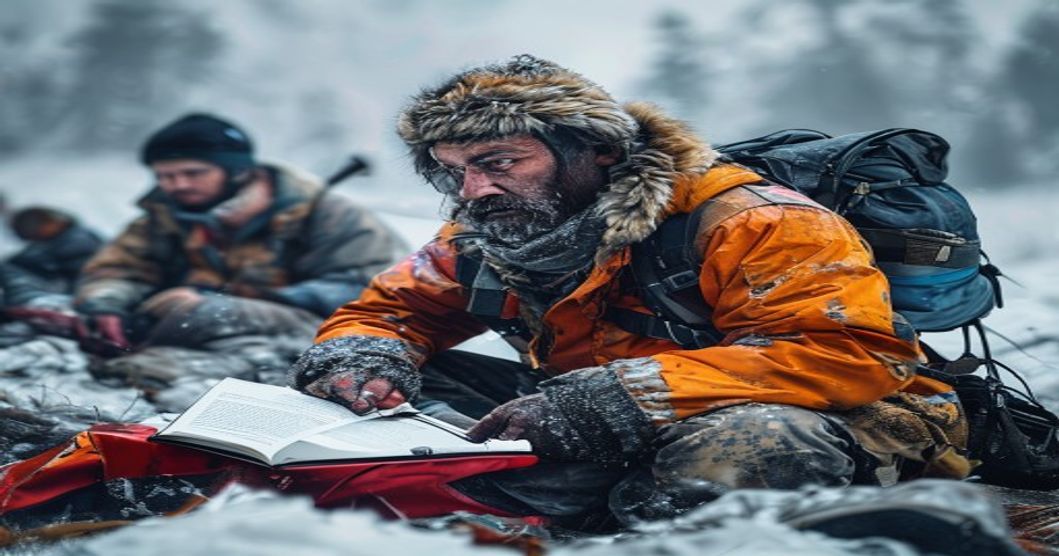
The Arctic environment demands precise physiological awareness before deploying any survival strategy. Rapid heat loss occurs through conduction, convection, and evaporation, making hypothermia prevention the absolute priority. Wind chill accelerates frostbite formation on exposed skin within minutes, while whiteout conditions eliminate depth perception and disorient spatial navigation. Recognizing early symptoms—uncontrollable shivering, slurred speech, and loss of fine motor control—allows for immediate intervention before core body temperature drops below 35°C (95°F). Ice dynamics pose additional risks; thin crusts over snowdrifts can collapse under weight, requiring distributed load techniques using trekking poles or wide planks to test surface stability.
Shelter Construction Using Traditional Sámi Methods
Snow Trench Digging and Insulation Layers
Adapting the Sámi lávvu framework to emergency scenarios creates a windproof canopy that drastically reduces convective heat loss. Excavate a trench measuring 2.5 meters in length and 1 meter deep, positioning it perpendicular to prevailing winds to maximize protection. Line the base with packed snow blocks for structural rigidity, then layer reindeer hides or synthetic sleeping pads to interrupt ground conduction. Cover the framework with a reflective emergency blanket or lightweight tarp to trap radiant body heat. Regularly compact the interior surfaces to increase density and improve thermal resistance.
Improvised Snow Caves and Quinzhee Structures
A properly constructed snow cave maintains a stable internal temperature near 0°C (32°F) regardless of external conditions. Pack fresh snow into a mound at least 2 meters high, allowing it to sinter for four hours before hollowing out the interior. Carve a sleeping platform elevated above the floor entrance to position your head away from pooling cold air. Always install a ventilation hole using a straight branch or trekking pole to prevent carbon dioxide accumulation and maintain breathable air quality. The structural walls must remain at least 30 centimeters thick to bear weight without collapse.
Water Acquisition and Fire Management in Extreme Cold
Safe Melting Techniques for Ice and Snow
Directly consuming snow lowers core temperature and wastes metabolic energy. Instead, use a double-boiler method with a metal container nested inside another to melt snow gradually over a low flame. Prioritize dense blue ice from glaciers or frozen lakes for higher water yield per volume, avoiding sea ice due to elevated salinity. Insulate the melting container with clothing or insulated wraps to retain heat efficiently. Consume melted water in small, frequent intervals to maintain hydration without triggering excessive caloric expenditure.
Tinder Selection and Wet Wood Ignition Strategies
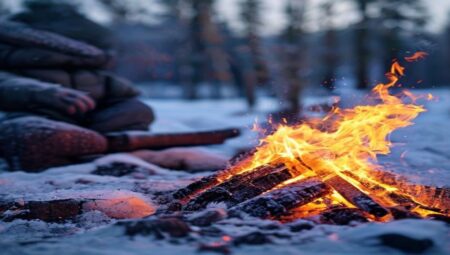
Survival fires in sub-zero humidity require precise material selection. Harvest birch bark for its natural resin content, which ignites reliably even when damp. Strip inner cambium layers from dead standing pine trees to access dry heartwood that burns longer than surface wood. Construct a teepee fire lay with small kindling at the apex, gradually expanding to fist-sized fuel logs once established. Shield the flame from wind using snow blocks arranged in a U-shape, and maintain a steady feeding rhythm to prevent ember collapse during high-wind gusts.
Navigation and Signaling in Whiteout Conditions
Reading Natural Landmarks Without GPS
When electronic devices fail, rely on environmental navigation markers to maintain course. Observe wind-sculpted snow drifts that consistently point leeward, and identify vegetation patterns where shrubs grow thicker on the southern hemisphere in northern latitudes. Track animal trails for established routes between water sources or sheltered valleys. At night, use Polaris aligned with the Big Dipper’s pointer stars to establish true north. Maintain a steady walking pace while marking your path with cairns or broken branches to prevent circular wandering.
High-Visibility Emergency Signaling Methods
Aerial rescue detection depends on high-contrast signaling materials deployed strategically. Lay bright fabric panels in large geometric shapes measuring at least 3 meters per side, ensuring maximum contrast against the surrounding terrain. Use a signal mirror to reflect sunlight toward aircraft or distant observers, focusing the beam by aligning your thumb with the target and adjusting hand position until light hits your palm. Create ground-to-air symbols using dark rocks, logs, or packed snow trenches arranged in standardized SOS patterns spaced 2 meters apart for clear visibility from above.
Physical ResilFrequently Asked Questions about Sami Emergency Survival Techniques
What is Sami Emergency Survival Techniques?
Sami Emergency Survival Techniques refer to the traditional and practical methods developed by the indigenous Sami people of northern Scandinavia for surviving extreme Arctic conditions, including building emergency shelters, finding food, navigating harsh weather, and managing cold-related risks.
Key facts about Sami Emergency Survival Techniques
Key facts include the use of natural materials like birch bark and reindeer hides for shelter, reliance on reindeer herding for sustenance, mastery of snow and ice navigation, knowledge of local medicinal plants, and the transmission of survival skills through generations via oral tradition and hands-on practice.
Frequently Asked Questions about Sami Emergency Survival Techniques
What is Sami Emergency Survival Techniques?
Sami Emergency Survival Techniques refer to the traditional and practical methods developed by the indigenous Sami people of northern Scandinavia for surviving extreme Arctic conditions, including building emergency shelters, finding food, navigating harsh weather, and managing cold-related risks.
Key facts about Sami Emergency Survival Techniques
Key facts include the use of natural materials like birch bark and reindeer hides for shelter, reliance on reindeer herding for sustenance, mastery of snow and ice navigation, knowledge of local medicinal plants, and the transmission of survival skills through generations via oral tradition and hands-on practice.