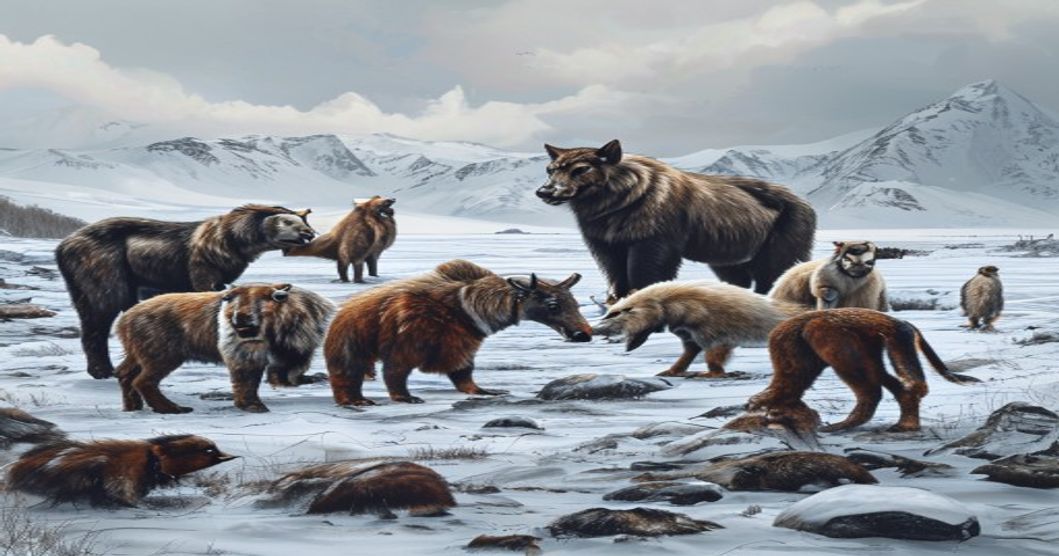
The Sámi People: Historical Roots and Cultural Identity in the Arctic
Spread across northern Fennoscandia, the Sámi people occupy territories spanning Norway, Sweden, Finland, and Russia’s Kola Peninsula. For millennia, their cultural continuity has been anchored to the boreal forest and tundra biomes. Unlike settler-colonial models of resource extraction, Sámi society developed through seasonal transhumance, where survival depended on harmonizing human activity with natural cycles. Modern anthropological studies confirm that Sámi land management predates European border demarcations by over two thousand years.
Traditional Land Use and Reindeer Herding Practices
Reindeer husbandry remains the economic and cultural cornerstone of most Sámi communities. Herders follow ancient migration routes known as siida districts, which are meticulously mapped based on lichen availability, snow depth, and calving grounds. This nomadic strategy prevents overgrazing and allows vegetation to regenerate naturally. Genetic analysis of domesticated reindeer populations demonstrates a direct lineage to wild Rangifer tarandus stocks, preserving crucial adaptive traits for extreme Arctic conditions.
Indigenous Knowledge Systems and Ecological Stewardship
Traditional ecological knowledge (TEK) forms the foundation of Sámi environmental management. Oral histories, snow reading techniques, and animal behavior tracking provide hyper-local climate data that often exceeds satellite resolution in specificity. Sámi elders monitor ice thickness, migratory patterns, and plant phenology to adjust herding strategies dynamically. This continuous feedback loop has maintained ecosystem resilience long before modern conservation biology formalized similar concepts.
Arctic Wildlife Ecosystems and Biodiversity Hotspots
The Fennoscandian Arctic hosts one of Europe’s last intact boreal-tundra transition zones. This region supports complex trophic networks that regulate nutrient cycling, carbon sequestration, and albedo effects. Protecting these habitats requires understanding the spatial and temporal dynamics of apex predators, herbivores, and avian migrants.
Key Species and Their Ecological Roles
Rangifer tarandus (reindeer/caribou) acts as a keystone species, shaping vegetation structure through grazing patterns and serving as prey for large carnivores. The Eurasian lynx (Lynx lynx) and wolf (Canis lupus fennoschansicus) regulate herbivore populations, preventing overpopulation-induced habitat degradation. Avian species like the willow ptarmigan and snowy owl function as bioindicators for tundra health, while piscivorous birds maintain fish population balance in Arctic lake systems.
Climate Change Impacts on Predator-Prey Dynamics
Rapid Arctic amplification has disrupted historical wildlife synchrony. Warmer winters create ice layers that block reindeer from accessing subnivean forage, leading to mass starvation events. Extended growing seasons favor shrub encroachment, reducing lichen pastures and altering lynx hunting efficiency. These shifts force predators into deeper boreal forests, increasing human-wildlife conflict in pastoral zones. Long-term ecological monitoring confirms that Arctic wildlife populations require adaptive management frameworks to survive accelerating climatic volatility.
Sustainable Coexistence: Bridging Indigenous Wisdom and Modern Conservation
True sustainable coexistence demands integrating Sámi governance models with contemporary environmental policy. Top-down conservation often marginalizes indigenous land rights, whereas collaborative frameworks recognize traditional tenure as legally binding stewardship.
Traditional Hunting Protocols and Wildlife Management
Sámi traditional hunting practices operate on strict ethical codes that prohibit waste. Meat is utilized entirely, hides are processed for clothing and shelter, and bones are crafted into tools. This zero-waste approach inherently limits population pressure compared to commercial trophy hunting. Modern wildlife agencies increasingly adopt these protocols within quota systems, ensuring harvest rates align with natural recruitment cycles rather than market demand.
Community-Led Conservation Initiatives and Policy Integration
Norway’s Finnmark Estate (FeFo) and Sweden’s Sámi reindeer herding districts demonstrate successful policy integration. These legal entities grant co-management authority over wildlife, forestry, and tourism to indigenous councils. Satellite telemetry paired with TEK mapping has improved predator compensation programs, reducing retaliatory killings. Furthermore, cross-border Sámi coordination enables transnational wildlife corridors that maintain genetic diversity across fragmented habitats.
Frequently Asked Questions
What is Sami People and Arctic Wildlife Connections?
The Sami People and Arctic Wildlife Connections explore the deep, centuries-old relationship between the indigenous Sami communities of northern Scandinavia and Russia, and the Arctic wildlife that shares their harsh, pristine environment. This connection is rooted in traditional reindeer herding, hunting, and fishing practices that emphasize sustainability, respect for nature, and ecological balance.
Key facts about Sami People and Arctic Wildlife Connections
Key facts include: the Sami are the only officially recognized indigenous people in the EU; reindeer herding is central to their culture and economy; they have developed unique ecological knowledge to monitor wildlife and climate changes; and their traditional land management practices significantly contribute to Arctic biodiversity conservation.