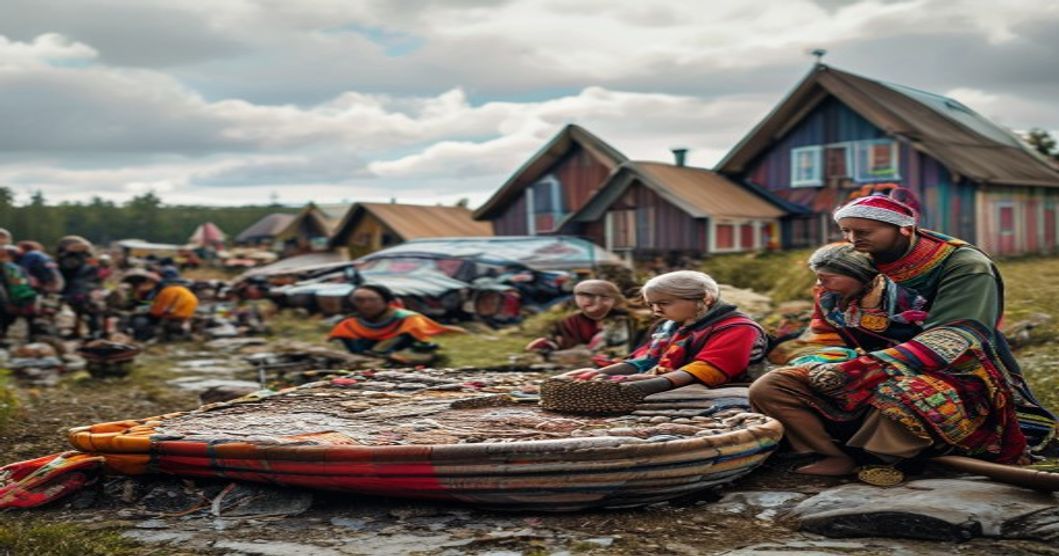
The Historical Intersection of Sami Heritage and Scandinavian Travel
The Sami culture represents one of Europe’s oldest indigenous traditions, fundamentally reshaping how Scandinavian tourism perceives the Arctic landscape. Historically marginalized, Sami communities have gradually transitioned from cultural subjects to active curators of regional heritage. This shift has redirected travel patterns across Norway, Sweden, and Finland, where visitors now seek authentic encounters rather than passive sightseeing. The indigenous heritage of the Sápmi region influences everything from trail development to hospitality standards, establishing a new paradigm for cultural tourism in Scandinavia.
Ancient Traditions Meeting Modern Exploration
Travel operators across the Nordic countries now integrate Sami history into their core narratives, transforming historical education into a primary travel motivation. Guided expeditions emphasize pre-Christian cosmology, seasonal migration routes, and centuries-old survival techniques that once defined Arctic life. By contextualizing landscapes through Sami worldview principles, tourism providers offer travelers a layered understanding of environmental stewardship and territorial memory.
Immersive Experiences Rooted in Indigenous Practices
Modern Arctic tourism increasingly prioritizes participatory engagement over observation. The Sami culture provides a structured framework for these interactions, ensuring that visitors engage with living traditions rather than static museum exhibits.
Reindeer Herding as a Cultural Tourism Anchor
Reindeer herding remains the economic and spiritual core of many Sami communities, directly influencing tourist itineraries across Finnmark, Lapland, and Norrbotten. Travelers now join semi-nomadic families during seasonal migrations, witnessing traditional grazing management, snowmobile-assisted roundups, and communal meat processing. These indigenous tourism experiences generate substantial local revenue while reinforcing intergenerational knowledge transfer.
Duodji Crafts and Artisanal Tourism
The Sami duodji tradition—handcrafted functional art using reindeer leather, birch wood, silver, and wool—has become a cornerstone of Lappish tourism retail ecosystems. Visitors participate in workshops that teach tool carving, beadwork patterning, and traditional dyeing methods. These artisanal encounters drive high-value cultural commerce, with authentic Sami handicrafts commanding premium markets across Oslo, Stockholm, and Helsinki.
The Resonance of Joik in Cultural Festivals
Sami joik, a distinctive vocal tradition conveying personal identity and landscape memory, has transformed regional event tourism. Festivals such as the Sami Week celebrations and the annual Kárášjok cultural gatherings attract international visitors seeking acoustic heritage experiences. These events stimulate accommodation bookings, transport services, and culinary tourism, proving that intangible indigenous music drives measurable economic impact.
Economic and Sustainable Impacts on Regional Tourism
The commercialization of Sami cultural tourism presents both opportunity and vulnerability. Destination managers must balance market demand with territorial sovereignty, ensuring that revenue streams directly support community development rather than external conglomerates.
Community-Led Travel Initiatives
Ethical Scandinavian travel now emphasizes community-controlled tourism models. Indigenous cooperatives manage safari routes, lodge operations, and interpretive programming, guaranteeing that Sami cultural preservation dictates pacing and access limitations. This approach reduces overtourism while maintaining authentic visitor expectations.
Balancing Preservation with Commercial Demand
Regulatory frameworks across the Nordic states increasingly require tourism operators to obtain cultural consultation permits before marketing Sami heritage experiences. Certification programs verify that commercial activities respect sacred sites, seasonal restrictions, and intellectual property rights surrounding traditional knowledge. This regulatory shift ensures that sustainable Arctic tourism remains culturally grounded.
Educational Tourism and Cross-Cultural Understanding
Academic institutions and travel agencies now collaborate to develop curricula that position Sami cultural tourism as a vehicle for decolonial education. Travelers engage with historical treaties, land rights movements, and linguistic revitalization efforts, transforming leisure trips into meaningful cross-cultural exchanges.
Museums, Cultural Centers, and Guided Learning
Institutions such as the Sami Parliament museums and regional cultural heritage centers serve as primary educational hubs for Nordic visitors. Interactive exhibits document language loss, political advocacy, and contemporary artistic innovation. Guided learning programs bridge historical documentation with present-day community realities.
Academic and Ethical Frameworks in Indigenous Travel
Tourism boards across Scandinavia now adopt indigenous tourism ethics guidelines that mandate transparent storytelling, accurate representation, and fair compensation models. These frameworks prevent cultural appropriation while establishing new industry standards for Sami heritage tourism. The result is a more responsible travel ecosystem where indigenous sovereignty guides commercial development.
Frequently Asked Questions
What is How Sami Culture Influences Scandinavian Tourism?
This concept explores the profound impact of indigenous Sami traditions, arts, and lifestyle on the tourism industry across Norway, Sweden, Finland, and parts of Russia. It highlights how reindeer herding, duodji (traditional handicrafts), joik (ancient singing), and Sami cuisine attract visitors seeking authentic cultural and nature-based experiences.
Key facts about How Sami Culture Influences Scandinavian Tourism
Key facts include the establishment of dedicated Sami museums and cultural centers, the rapid growth of eco-tourism and reindeer sleigh expeditions, the integration of Sami language and traditional motifs into regional tourism branding, and the direct economic empowerment of local Sami communities through tourism-driven enterprises and cultural festivals.