At the heart of these ceremonies lies a deep respect for nature and community. Imagine a circle of families gathered around a warm fire, sharing stories passed down through generations. That’s the essence of Sami culture—where every song, every dance, and even the food tells a story. The Sámi people, indigenous to the Arctic region, celebrate their connection to the land through rituals that honor the spirits of nature.
Ever heard of the “Goahti”? It’s the traditional tent where much of the magic happens. Inside, it’s like stepping into a cozy world filled with the scent of smoked fish and reindeer stew, all while surrounding yourself with laughter and song. And let’s not forget the colorful traditional clothing, the “Gákti,” which isn’t just a fashion statement; it’s a badge of identity illustrating the wearer’s heritage and status.
But what truly sets these gatherings apart is the spiritual aspect. Rituals often invoke the spirits of ancestors, seeking blessings for the community and expressing gratitude for the earth’s bounty. Whether it’s a reindeer racing event or a drum dance, each activity is infused with meaning and purpose. You can almost feel the pulse of the earth in these gatherings, reminding us all of our shared humanity and the importance of preserving such vibrant traditions.
Reviving Ancient Traditions: The Significance of Sami Ceremonial Gatherings in Modern Times
Why are these ceremonies so crucial, you ask? Well, think of them as a bridge linking the past to the present. In a world racing ahead with technology, these gatherings remind us of the importance of community, storytelling, and ritual. For the Sami people, who inhabit the northern regions of Europe, these events are a celebration of identity and heritage. Picture a place where storytelling is an art form, where elders share tales under the midnight sun, surrounded by family and friends. Isn’t that a refreshing escape from our busy lives?
Moreover, Sami ceremonial gatherings play a vital role in environmental stewardship. They often center around themes of nature, reinforcing a deep respect for the land and its resources. It’s like a gentle reminder to us all to foster our relationships with the Earth. Just as rivers flow and seasons change, these rituals echo the need for balance in our modern, fast-paced existence.
Cultural Heritage in Action: Inside the Vibrant World of Sami Ceremonial Festivals
At these festivals, you’ll find breathtaking reindeer racing, where the rush of the wind and the thundering of hooves create an electrifying atmosphere. It’s not just a race; it’s a connection to a way of life that has sustained the Sami for centuries. Want a glimpse of their artistry? Check out the craftsmanship on display, from intricately designed handicrafts to exquisite traditional clothing filled with symbolism and color, each telling a story of its own.
You might be wondering, what’s the significance of these gatherings? They’re more than just celebrations; they’re vital moments of cultural preservation and education. When you watch the traditional joik, a unique form of song that connects the singer to nature and ancestors, you’re witnessing a profound expression of identity. It’s like listening to a heartbeat that reverberates across generations, reminding everyone of their shared roots and collective spirit.
Songs and Stories: How Sami Gatherings Preserve Indigenous Identity and Heritage
So, how do these gatherings preserve Indigenous identity? Well, think of songs as vessels of memory, transporting listeners back to key moments in Sami history. Each melody narrates tales of resilience and connection to the land, much like how a well-worn map leads adventurers to hidden treasures. When the Sami sing about their reindeer herding traditions or the beauty of the Northern Lights, they’re not just entertaining; they’re keeping their heritage alive, woven into every lyric.
And let’s not forget about storytelling! In the Sami culture, a good tale is like a warm blanket on a winter’s night—comforting, yet invigorating. Elders pass down stories that teach younger generations about their roots, instilling pride and a sense of belonging. It’s through these tales that kids learn who they are; they become part of a bigger story that extends beyond themselves.
From Reindeer Games to Spiritual Rituals: The Multifaceted Nature of Sami Ceremonial Gatherings
Imagine a tapestry woven with threads of culture, history, and spirituality. Sami ceremonial gatherings aren’t just about having fun; they are a rich blend of tradition and community, where every dance and song echoes the spirits of their ancestors. Have you ever witnessed a joik? This unique form of song is more than just music; it’s a powerful way for the Sami to express feelings and memories, almost like a soulful conversation with nature itself.
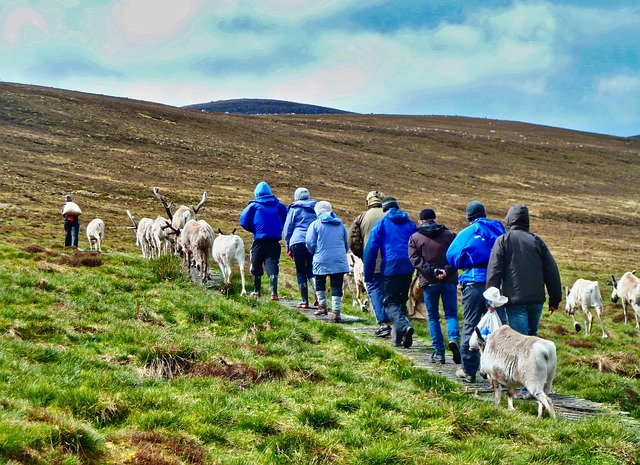
And let’s not forget the vibrant reindeer games! These aren’t just awkward competitions; they represent the deep connection the Sami have with their environment. Each game is a celebration of skill and endurance, showcasing the bond between humans and their reindeer—essential for survival in this rugged terrain.
But hold on, the magic doesn’t stop there! Beyond the jovial games lies the profound spiritual side of these gatherings. Sami ceremonies honor nature’s elements and ancestors, creating a sacred space where the community can reflect, heal, and grow together. It’s a bit like a reunion with old friends; everyone comes together, sharing stories that bridge the past with the present, reminding themselves of their place in this expansive world.
A Celebration of Community: The Role of Sami Gatherings in Strengthening Cultural Bonds
Imagine stepping into a world where the air is thick with the rich aromas of reindeer stew, and laughter dances around you. Here, the Sami people share stories passed down through generations, each tale a thread woven into the tapestry of their identity. These gatherings illuminate their shared history and values, reminding everyone of who they are and where they come from. It’s like a family reunion but on a grand scale—everyone feels connected.

Have you ever seen the joy of children as they learn traditional Sami crafts? At these gatherings, elders teach younger generations skills like beadwork and drum making, ensuring that their culture thrives. It’s not just about preserving traditions; it’s about igniting pride and fostering a sense of belonging. The rhythms of joik (traditional singing) drift through the air, binding people together as they celebrate their unique heritage.
And let’s not forget the importance of the land itself. The Sami people have a deep-rooted connection to nature, and these gatherings often occur in breathtaking landscapes that amplify their bond with the earth. Picture vast, snowy expanses or lush green valleys—these scenes remind them of their ancestral ties and the responsibility they hold to protect their environment.
In essence, Sami gatherings are a powerful reflection of community spirit, a space where laughter, learning, and legacy come together. With every shared moment, the roots of culture grow deeper, ensuring that the unique Sami heritage continues to thrive for generations to come.
Frequently Asked Questions
What are Traditional Sami Ceremonial Gatherings?
These gatherings are significant cultural events for the Sami people, where community members come together to celebrate traditions, perform rituals, and maintain their cultural heritage. They often include activities such as traditional music, dance, crafts, and sharing stories, fostering community bonds and preserving Sami identity.
How do Sami Ceremonial Gatherings promote cultural heritage?
These gatherings serve as vital platforms for the Sami community to celebrate and express their traditions, languages, and arts. By participating in ceremonies, individuals reinforce their cultural identity, share stories, and transmit knowledge across generations, ensuring the preservation and revitalization of their heritage.
How can visitors respectfully participate in Sami Ceremonial Gatherings?
Visitors can participate in Sami ceremonial gatherings respectfully by observing cultural protocols, listening attentively, and engaging in activities mindfully. It’s important to seek permission before taking photos, honor the significance of rituals, and refrain from interrupting or overshadowing the ceremonies. Familiarizing oneself with Sami traditions and showing genuine interest enhances the experience and demonstrates respect toward the culture.
What role do music and dance play in Sami Ceremonial Gatherings?
Music and dance are essential elements of Sami ceremonial gatherings, serving as mediums for cultural expression and community bonding. They reflect the rich traditions and spiritual beliefs of the Sami people, often accompanying rituals and celebrations. These performances foster a sense of identity and continuity, allowing participants to connect with their heritage while engaging in collective experiences that reinforce social ties.
What rituals are involved in Sami Ceremonial Gatherings?
Sami ceremonial gatherings involve various rituals that reflect their cultural heritage and spiritual beliefs. Key components include traditional music, such as jojk (song), drumming, and specific dances that honor nature and ancestors. Participants may engage in storytelling and sharing of experiences, reinforcing community bonds. Rituals often feature offerings to nature spirits and the use of symbolic artifacts, emphasizing the connection to the land and the importance of collective identity.