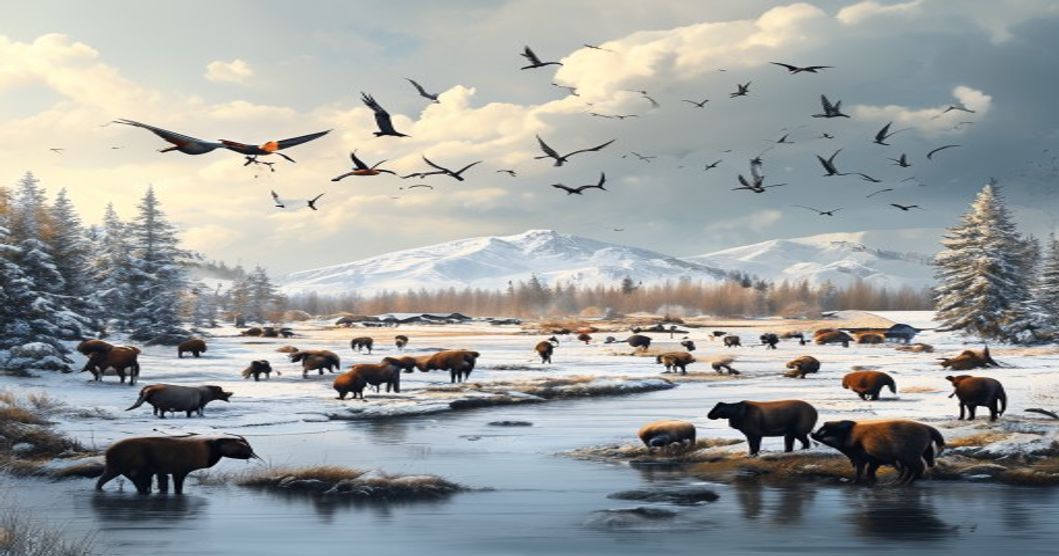
The Ecological Rhythm of Sámi Reindeer Migration
Sámi reindeer migration operates as a highly calibrated ecological system, driven by the need to access nutrient-rich pastures while avoiding snow crusts that block foraging. The seasonal journey spans thousands of kilometers across Fennoscandia, connecting winter forests with summer coastal and mountainous grazing grounds. Reindeer herds follow ancient migratory routes dictated by terrain elevation, lichen availability, and insect pressure. During winter, reindeer migration patterns shift toward sheltered boreal forests where snow depth is manageable and terrestrial lichens remain accessible under ice layers. The transition to summer pastures involves crossing rivers, alpine ridges, and tundra zones, requiring precise herd management to prevent straying or predation.
Seasonal Pasture Dynamics and Terrain Navigation
Pasture quality dictates the pace and direction of every migratory phase. Winter grazing relies heavily on ground-dwelling lichens, particularly Cladonia species, which reindeer excavate by scraping snow with their hooves. As temperatures rise in spring, herds move toward higher elevations where mosquito and warble fly infestations are less severe. Summer pastures provide protein-rich grasses, sedges, and willow shoots that aid calf development and antler growth. Sámi herders utilize topographical markers, wind patterns, and animal behavior to navigate these shifts, adjusting camp locations daily based on forage depletion and weather forecasts.
Historical Migration Corridors Across Fennoscandia
Traditional Sámi reindeer migration corridors stretch across northern Norway, Sweden, Finland, and the Kola Peninsula of Russia. These routes were formalized through centuries of observation and oral mapping, often overlapping with ancient trade networks and seasonal fishing grounds. Historical records indicate that some herds migrated over 500 kilometers annually, following geological formations like mountain ranges and river valleys. Modern GPS tracking has confirmed that contemporary migratory paths still align closely with pre-industrial routes, demonstrating remarkable ecological continuity despite border restrictions and territorial divisions.
Cultural Foundations of Nomadic Herding Practices
The Sámi relationship with reindeer extends beyond economic utility, embedding itself in language, spirituality, and social organization. Reindeer herding is not a standalone activity but a holistic lifestyle that dictates settlement patterns, dietary practices, and communal governance. The seasonal journey reinforces intergenerational bonds, as youth learn animal handling, weather interpretation, and camp construction through direct participation. Cultural preservation remains tightly linked to the continuity of migratory cycles, with each phase carrying specific rituals, food preparation methods, and material culture adaptations.
Traditional Knowledge and Generational Transmission
Sámi herders possess intricate ecological knowledge passed orally across generations. This
Frequently Asked Questions: Seasonal Migration of Sami Communities
What is Seasonal Migration of Sami Communities?
The seasonal migration of Sami communities refers to the traditional practice of reindeer herders moving their herds across specific routes between summer and winter pastures. This cyclical movement is deeply tied to the Arctic environment, ensuring the reindeer have access to adequate food throughout the year while preserving ancient cultural and ecological knowledge passed down through generations.
Key facts about Seasonal Migration of Sami Communities
Key facts include: (1) The migration routes are legally recognized and protected in Norway, Sweden, and Finland. (2) Herders follow precise natural indicators like snow conditions and reindeer behavior to time their movements. (3) The practice is a cornerstone of Sami identity, influencing language, clothing, and governance. (4) Climate change and land-use conflicts pose significant modern threats to these traditional pathways.