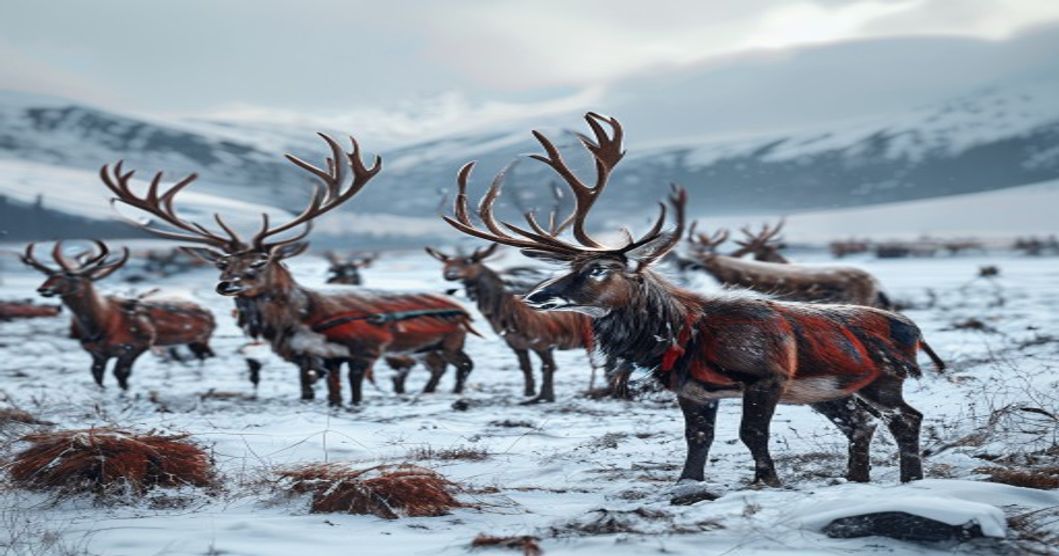
Historical Foundations and Cultural Significance
The origins of Sami reindeer herding trace back to the post-glacial period, when indigenous communities in Fennoscandia gradually transitioned from wild reindeer hunting to domestication. Archaeological evidence suggests this shift intensified between the 17th and 18th centuries, driven by climate cooling, expanded state control, and the need for reliable mobility across Arctic terrain. Early herders utilized minimal infrastructure, relying on bark ropes, hand-forged saddles, and knowledge of lichen-rich pastures.
Historical documentation reveals that early herding was highly localized. Families managed small herds using traditional knowledge passed through generations. The establishment of national borders in Scandinavia fragmented ancestral grazing lands, forcing communities to adapt migration routes while preserving seasonal calendars tied to lunar cycles and auroral patterns. State policies during the 19th and 20th centuries attempted to assimilate Sami populations, yet herding practices persisted as a core mechanism of cultural resistance.
- Economic resilience: Reindeer provided meat, hides, antlers, and sinew, forming a self-sustaining cycle that required zero external inputs. Every component served practical or ceremonial purposes within household economies.
- Spiritual integration: The animal occupied sacred space in Sami cosmology. Ritual offerings before migrations reinforced reciprocity between humans and reindeer, while drumming ceremonies mapped celestial pathways onto terrestrial movement.
- Legal recognition: Modern grazing rights stem from 19th-century treaties and indigenous land claims, though historical marginalization disrupted traditional governance structures. Contemporary herding associations operate under statutory frameworks that attempt to balance conservation mandates with ancestral usage patterns.
Cultural transmission remains anchored in oral tradition. Elders teach calf branding, winter pasture navigation, and veterinary practices through direct observation rather than written manuals. This experiential pedagogy ensures continuity despite industrial pressures and climate volatility. Reindeer herding functions not merely as livelihood but as a living archive of Arctic adaptation, encoding ecological data into language, song, and seasonal ritual.
Ancestral Knowledge and Spiritual Connections
The Sami relationship with reindeer transcends economic utility, rooted in centuries of accumulated ecological intelligence and cosmological belief systems. Elders transmit snow evaluation techniques, animal behavior cues, and calving ground identification through direct field observation rather than formal instruction. This oral transmission ensures that nuanced weather reading and predator avoidance strategies remain intact despite rapid environmental shifts. Each seasonal migration route follows ancient corridors known as leavvut, where topographical markers like glacial ridges and specific moss formations serve as navigational anchors passed down without written documentation.
- Sacred Geography: Migration paths align with seasonal light patterns and lichen bed recovery cycles, ensuring sustainable grazing without artificial rotation systems.
- Ritual Reciprocity: Offerings of dried lichen or tobacco at designated spiritual sites acknowledge the reindeer as a co-participant in survival, not merely livestock.
- Acoustic Navigation: The practice of joik encodes geographic memory and herd characteristics into vocal patterns, functioning as an auditory archive that guides movement across featureless tundra.
Spiritual frameworks directly inform operational ethics. Historical shamanic traditions viewed the animal as a bridge between physical and spiritual realms, a perspective preserved in contemporary drum symbolism where reindeer imagery maps cosmic layers. Antler collection follows strict protocols; no bone is wasted, and fallen antlers return to the forest floor to maintain ecological balance. Herders assess grassland recovery rates and adjust grazing pressure based on generational memory rather than standardized agricultural metrics. This approach minimizes soil degradation while preserving tundra biodiversity. The spiritual dimension operates as a living regulatory system, ensuring that reindeer herding sustains both biological ecosystems and Sami identity across generations.
Seasonal Migration Routes and Pasture Management
Reindeer herding in Sami communities relies on precise seasonal migration patterns that align with natural forage cycles and climatic conditions. Each year, herders follow established corridors that connect winter grazing grounds located in dense boreal forests to summer pastures in open alpine tundra. These routes are not arbitrary; they are mapped through generations of environmental observation, accounting for snow depth, wind exposure, and the geographic distribution of key food sources like old-man’s-beard lichen.
The transition between seasons demands disciplined pasture management to prevent overgrazing and maintain long-term ecological balance. During winter months, herds concentrate in sheltered valleys where persistent winds scour the surface, exposing the lichen layer beneath frozen crusts. Herders monitor herd density continuously and redistribute animals across designated grazing zones to ensure even consumption. As spring arrives, the operational focus shifts toward protecting vulnerable calving grounds from predator pressure and minimizing human activity near birch forests that provide critical shade and insect relief during peak breeding periods.
- Corridor Navigation: Migration paths follow historical usage data, topographical safety, and reliable water access. Traditional terrain markers such as stone cairns, specific tree formations, and snowdrift patterns guide movement across unmarked landscapes when visibility drops.
- Lichen Recovery Protocols: Grazing areas are assigned mandatory rest periods ranging from three to five years between intensive use. Accelerated depletion triggers immediate route deviations to prevent soil compaction and permanent vegetation loss.
- Weather-Driven Adjustments: Shifting precipitation patterns force herders to modify traditional timelines. Rain-on-snow events create impermeable ice sheets that block forage access, requiring emergency relocation to lower elevations or supplemental feeding interventions.
Contemporary pasture management merges satellite telemetry with ancestral land-use principles. Modern herding teams equip reindeer with GPS tracking collars that transmit real-time location data to centralized herd management platforms. This digital infrastructure enables precise bottleneck prediction, group size optimization, and coordinated boundary negotiations with adjacent districts. Despite technological integration, the foundational rule remains absolute: animal movement must follow ecological carrying capacity rather than operational convenience. Strategic pasture rotation preserves lichen bed regeneration rates, maintains soil microbiome health, and sustains genetic diversity across reindeer populations for future generations.
Winter Forest Navigation and Shelter Seeking
Sami reindeer herders navigate dense boreal forests during extreme winter conditions by relying on generational spatial memory and real-time environmental reading rather than electronic devices. The heavy canopy blocks satellite signals, forcing practitioners to interpret topographical markers through wind-drift patterns, lichen density on pine branches, and moss composition that reveals stable ground beneath deep powder. Mental maps integrate cadastral boundaries with natural landmarks such as glacial erratics, frozen riverbeds, and distant mountain silhouettes visible through canopy gaps.
When whiteout conditions reduce visibility to near zero, shelter construction shifts from convenience to immediate survival protocol. Herders assemble temporary windbreaks using fallen birch and spruce branches, weaving them into A-frame structures that deflect prevailing winds while maintaining ventilation channels to prevent internal snow accumulation. These micro-shelters are strategically positioned on leeward slopes where natural snow depth is reduced and exposed rock faces retain residual ground heat. Reindeer instinctively cluster around these barriers, generating collective thermal mass that raises ambient temperatures significantly.
Core navigation and shelter protocols include:
- Using a reinforced walking stick to probe snow depth and test for frozen crusts before herd progression
- Switching from magnetic compass bearings to solar positioning when clear intervals reveal the sun’s arc against known tree lines
- Following established reindeer trails that naturally avoid steep inclines and unstable permafrost zones
- Monitoring herd behavior for sudden clustering or directional shifts indicating deteriorating weather or hidden crevasses
This continuous integration of ecological knowledge with micro-navigation adjustments ensures safe passage through winter forests. Herders adjust their trajectory based on snow stability, wind direction, and animal fatigue levels rather than fixed geographical coordinates. The system prioritizes adaptive movement over rigid routing, allowing the herd to conserve energy while maintaining cohesion across frozen landscapes.
Summer Calving Grounds and Grazing Cycles
The selection of summer calving grounds represents a critical phase in Sami reindeer husbandry, directly influencing calf survival rates and herd productivity. These locations are typically situated in sheltered inland valleys or forest-marginal zones where wind exposure remains minimal and snow melts earlier than surrounding terrain. The calving window spans late May through early July, aligning with peak nutritional demand for lactating females. Herders prioritize sites featuring abundant deciduous browse, including mountain birch foliage and willow shoots, alongside accessible lichen mats that support rapid post-partum recovery. Proximity to natural barriers such as peat bogs or rocky outcrops provides essential protection against avian predators like ravens and territorial birds that target newborns.
- Elevation parameters between 200 and 600 meters optimize thermal conditions while reducing midge harassment
- Soil drainage characteristics accelerate spring thaw, exposing early-growing forage species before insect populations peak
- Generational route mapping preserves historical knowledge of microclimate variations and predator avoidance corridors
- Strategic spatial separation from winter pastures prevents cumulative lichen depletion across overlapping territories
Once the calving period concludes, herds initiate a coordinated migration toward coastal or alpine summer grazing zones. This phase accelerates weight gain through consumption of nutrient-dense grasses, sedges, and high-altitude lichens that recover during the frost-free months. Grazing cycles operate on strict rotational principles dictated by lichen regrowth timelines, which often require twenty to thirty years for full ecological recovery. Herding districts divide their territories into designated pastures, monitoring biomass depletion through systematic transect surveys and reindeer body condition assessments. Movement timing depends on real-time observations of insect swarms, precipitation patterns, and ground moisture levels that affect lichen accessibility.
- Seasonal pasture rotation prevents permanent vegetation loss and maintains soil carbon stability
- Maternal group retention continues through August before seasonal herd splitting for autumn management
- Precision tracking systems combine satellite telemetry with traditional aerial observation techniques
- Municipal grazing quotas enforce sustainable harvesting limits across cross-border herding cooperatives
Sustaining these cycles demands continuous adaptation to climatic shifts and regulatory frameworks. Traditional knowledge integrates with modern ecological monitoring to adjust migration schedules, ensuring pastures receive adequate fallow periods while maintaining herd nutrition standards. The synchronization of calving timing, pasture rotation, and predator management establishes a functional system that preserves both cultural continuity and landscape resilience across northern ecosystems.
Sorting, Branding, and Lasso Methods
Reindeer management in Sami territories relies on precise sorting techniques that separate animals by age, gender, and herd affiliation. Each autumn, herders organize large roundups where thousands of reindeer are guided through narrow corridors and temporary enclosures. Calves are separated from their mothers to track survival rates, while mature males are isolated for slaughter or selective breeding. This systematic segregation prevents cross-herd contamination, maintains genetic lines, and aligns with regional grazing regulations.
Branding serves as the primary identification system across generations. Traditional methods involved heated iron stamps that left permanent marks on the reindeer’s coat, typically placed on the rump or flank. Modern herders now combine these heritage marks with digital tracking collars and ear tags to comply with national livestock registries. Each family line maintains a unique combination of symbols—lines, dots, and geometric shapes—that function as a visual signature. These marks are recorded in official herd books and verified during annual inspections to prevent ownership disputes.
- Sorting corridors utilize natural terrain and reinforced fencing to direct movement without causing stress-induced injuries.
- Brand placement follows standardized patterns that remain visible throughout the reindeer’s thick winter coat.
- Lasso techniques employ lightweight ropes with specialized nooses, allowing herders to catch animals by the neck or antlers during controlled approaches.
The lasso itself is a finely tuned tool passed down through apprenticeship. Herders master wrist flicks and tension control to secure reindeer without harming delicate antler structures. During branding sessions, assistants use lassos to immobilize specific animals while stamping irons are applied quickly and efficiently. This coordinated workflow minimizes handler fatigue and reduces the risk of accidental brand misalignment. Contemporary practices integrate these traditional maneuvers with modern veterinary protocols, ensuring both cultural continuity and animal welfare standards.
Economic Structures and Livelihood Sustainability
Reindeer herding functions as a highly adaptive economic system that intertwines subsistence practices with commercial markets across northern Scandinavia and Russia. At its core lies the siida, a cooperative herd management unit that distributes labor, grazing rights, and financial risks among participating families. This decentralized structure ensures resource efficiency while maintaining ecological balance in fragile tundra and boreal landscapes. Economic output extends beyond raw livestock sales to include processed meat products, hide-based textiles, antler crafts, and seasonal tourism services. Many herders now operate through registered cooperatives that consolidate marketing efforts, negotiate wholesale contracts with processors, and access export certification for halal and organic meat markets.
- Land tenure and grazing rights: Legal recognition of traditional reindeer pastures remains the foundation of economic viability. Governments in Norway, Sweden, and Finland grant exclusive herding rights within designated zones, directly tying income stability to territorial access.
- Diversified revenue streams: Modern herders supplement livestock sales with duodji handicraft exports, carbon offset partnerships, wildlife management contracts, and digital platform sales of processed goods.
- Cost management strategies: Fuel, veterinary supplies, snowmobile maintenance, and winter feed represent the highest operational expenses. Herds are routinely culled to match carrying capacity, preventing overgrazing and reducing financial losses during harsh winters.
Long-term livelihood sustainability depends on intergenerational knowledge transfer, adaptive grazing calendars, and participation in regional agricultural councils. Climate variability disrupts freeze-thaw cycles that normally prevent reindeer from accessing lichen beneath ice crusts, forcing herders to purchase supplemental feed or relocate pastures at significant cost. Regulatory compliance with animal welfare standards, traceability systems, and environmental permits further shapes economic decision-making. Financial instruments such as livestock insurance pools and government subsidy programs mitigate seasonal price volatility, allowing families to reinvest in infrastructure upgrades like automated milking stations and digital herd tagging systems. Successful operations integrate satellite monitoring of vegetation indices, weather forecasting tools, and blockchain-led inventory tracking to optimize herd movement and market timing. Economic resilience emerges not from isolation but from strategic alignment of traditional ecological knowledge with contemporary supply chain technology and policy advocacy networks.
Meat Processing and Commercial Distribution
The transformation of reindeer carcasses into consumable products relies on specialized preservation techniques adapted to extreme Arctic conditions. Skinning typically occurs at the slaughter site using calibrated knives that minimize tissue damage and prevent rapid bacterial proliferation. Carcasses are immediately divided into primal cuts, with fat distribution carefully assessed because reindeer adipose tissue renders differently than domestic livestock. Traditional methods prioritize rapid cooling through natural air circulation in mountainous terrain or purpose-built wooden drying racks. Blood sausage production remains a cultural cornerstone, requiring precise mixing of fresh blood, finely ground meat, barley flour, and seasonal herbs like cloudberry leaves.
- Cold Smoking: Suovas undergoes a multi-stage process involving hanging over open pine fires for three to four weeks, followed by air-drying in ventilated structures. This technique imparts phenolic compounds from burning wood that act as natural antimicrobial agents.
- Fermentation Protocols: Frozen meat is traditionally thawed in snow or buried in permafrost layers, allowing enzymatic breakdown that tenderizes muscle fibers while developing umami-rich flavor profiles without artificial refrigeration.
- Commercial Hygiene Standards: Modern processing facilities must comply with EU Regulation (EC) No 853/2004 and Norwegian, Swedish, and Finnish veterinary directives. Certified slaughterhouses implement HACCP frameworks, mandatory temperature logging, and periodic pathogen testing for E. coli and Salmonella strains.
Distribution networks have evolved from localized barter systems to structured supply chains operating across Nordic borders. Primary wholesale channels connect herding cooperatives with regional food processors who grade meat by fat marbling, age classification, and carcass weight. Export markets prioritize premium cuts for specialty retailers in Germany, Japan, and the United Kingdom, where reindeer meat commands pricing parity with venison due to its lean protein content of twenty-four grams per one hundred grams and low saturated fat ratios. Logistics require insulated transport containers maintaining temperatures between two degrees Celsius and positive four degrees Celsius during transit to prevent lipid oxidation. Certification bodies such as organic labels and Sámi duodji trademarks verify authenticity, protecting against commercial fraud while preserving cultural intellectual property rights. Price volatility stems from seasonal migration patterns, veterinary culling quotas, and fluctuating feed costs during winter supplementation periods. Supply chains require blockchain-enabled traceability systems tracking each carcass from herd registration to retail packaging. Value-added manufacturing includes vacuum-sealed jerky production and commercial protein isolate extraction for sports nutrition markets. Distribution margins reflect transportation expenses across remote tundra routes, customs documentation for cross-border shipments, and compliance with allergen labeling regulations in target export jurisdictions.
Craft Production and Tourism Revenue Streams
Sami duodji represents a direct economic extension of reindeer herding, transforming raw materials into high-value artisanal goods. Herders process hide, antler, bone, and wool through time-tested techniques passed across generations. Each item carries specific regional motifs that signal clan affiliation, seasonal migration routes, and ecological knowledge. Modern producers maintain strict quality controls to preserve authenticity while meeting contemporary design standards. The material sourcing remains entirely tied to sustainable herding practices, ensuring zero waste within the value chain.
Tourism integration has created multiple monetization pathways for these traditional crafts. Visitors in Finnmark, Tromsø, and Lapland actively seek authentic duodji pieces that reflect living Sami heritage rather than mass-produced souvenirs. Producers utilize direct sales at winter markets, cooperative storefronts in Rovaniemi and Kiruna, and curated e-commerce platforms targeting international collectors. Revenue generation extends beyond physical goods through immersive experiences. Guided reindeer trekking programs incorporate craft demonstrations where tourists observe traditional knife carving, leather tanning, and needle felting processes firsthand.
- Direct Artisan Sales: High-margin transactions at seasonal gatherings like the Kárášjok Reindeer Market and Arctic Circle festivals.
- Educational Workshops: Paid cultural immersion sessions teaching traditional tool-making and pattern interpretation.
- Experience-Based Tourism: Guided herding expeditions that bundle craft viewing with reindeer interaction and traditional meal service.
- Digital Marketplaces: Verified online stores featuring blockchain-tracked material provenance to guarantee authenticity.
Economic sustainability depends on balancing cultural integrity with commercial demand. Sami cooperatives enforce strict certification systems that prevent non-indigenous replication of sacred designs. Tourism operators collaborate directly with herding families to distribute revenue equitably across communities. Seasonal fluctuations in visitor numbers drive strategic inventory planning and dynamic pricing models. Digital branding efforts emphasize transparency about material origins, ethical sourcing, and the ecological stewardship inherent in reindeer husbandry. This structured commercialization strengthens indigenous economic sovereignty while preserving centuries-old knowledge systems for future generations.
Governance Models and Land Rights Frameworks
The operational continuity of Sami reindeer herding depends entirely on legally recognized grazing territories and decentralized governance structures. Historically, land tenure was managed through the siida, a kinship-based cooperative unit that regulated seasonal migration routes, pasture allocation, and herd management without state intervention. Modern legal frameworks have gradually formalized these traditional systems, yet jurisdictional overlaps remain a persistent challenge across Norway, Sweden, and Finland.
- Norway operates under the Reindeer Husbandry Act (1990), which designates reindeer grazing areas as exclusive management zones. The Sami Parliament holds administrative authority over herd registration, slaughter quotas, and pasture rotation schedules within these boundaries.
- Sweden relies on the Reindeer Pasture Act alongside constitutional amendments that mandate consultation prior to resource extraction projects. Regional forestry boards now include elected Sami representatives to negotiate grazing corridors and forest management plans.
- Finland integrates reindeer herding rights into the Land Use and Construction Act, requiring environmental impact assessments for any development intersecting traditional migration paths. The Finnish Reindeer Herders’ Association coordinates with state agencies on winter pasture preservation and summer calving ground protection.
International instruments such as ILO Convention 169 and the United Nations Declaration on the Rights of Indigenous Peoples have reinforced domestic legislation, yet enforcement gaps persist. Judicial precedents consistently emphasize that grazing rights constitute property interests under national law, not mere usage privileges. Courts routinely invalidate infrastructure permits when consultation protocols are bypassed or when proposed projects fragment critical lichen-rich pastures essential for herd survival. Contemporary governance increasingly relies on co-management agreements, where state authorities and Sami districts jointly monitor pasture degradation, adjust migration timelines, and allocate compensation for ecological disruptions. These frameworks function as active regulatory mechanisms rather than symbolic acknowledgments, directly determining seasonal mobility, economic viability, and intergenerational knowledge transfer within reindeer herding communities. Legal disputes frequently center on boundary demarcation, mineral extraction concessions, and wind energy zoning, requiring continuous negotiation between indigenous councils and national planning authorities.
Herding District Administration and Collective Decisions
The administrative framework of Sami reindeer herding operates through the siida, a historically rooted cooperative unit that functions as both an economic and governance entity. Each siida manages a designated grazing district, delineated by seasonal migration routes, calving grounds, winter pastures, and summer feeding areas. Decision-making within the siida follows a consensus-driven model rather than hierarchical command structures. Lead herders, typically selected for their extensive ecological knowledge and proven tracking skills, coordinate daily movements, but major allocations require collective approval during scheduled assemblies.
- Resource Allocation: Pasture rights are distributed according to household size, reindeer herd capacity, and historical usage patterns. Overgrazing prevention relies on rotational grazing schedules established through annual planning sessions.
- Infrastructure & Maintenance: Fencing, corrals, snowmobile tracks, and emergency shelters are maintained through pooled labor. Contributions are measured in work hours or equipment sharing, ensuring equitable burden distribution across members.
- Conflict Resolution: Disputes over boundary crossings, wolf predation compensation, or vehicle access routes are mediated by a rotating council of experienced herders. Outcomes are documented and integrated into the next year’s management plan.
Modern statutory frameworks in Norway, Sweden, and Finland legally recognize siida structures, granting them formal roles in land-use planning and environmental licensing. Digital mapping tools now supplement traditional knowledge, with herders overlaying GPS telemetry data onto topographic surveys to optimize pasture rotation. Climate-driven shifts in snowpack duration and vegetation cycles have forced administrative adjustments, requiring more frequent inter-siida negotiations and adaptive grazing calendars. Youth participation has expanded through subsidized training programs that merge satellite imagery analysis with ancestral route memorization, ensuring institutional continuity while maintaining ecological precision.
National Regulations and Cross Border Herding Agreements
The legal framework governing Sami reindeer herding operates through distinct national statutes that recognize grazing rights as a foundational element of indigenous land use. In Finland, the Reindeer Herding Act establishes siida districts with exclusive pasture management authority, while Norway’s Reindeer Husbandry Act grants similar territorial jurisdiction to registered herders. Sweden regulates the practice through statutory provisions and historical crown land concessions, though implementation relies heavily on administrative oversight and court rulings that prioritize traditional grazing patterns over commercial forestry or mining permits. Each nation requires herders to maintain official registration, track herd movements through digital mapping systems, and adhere to strict population quotas designed to prevent ecological degradation.
- National grazing authorities allocate pasture zones based on historical migration corridors and current vegetation studies.
- Herder cooperatives manage calf branding seasons, veterinary inspections, and winter feeding subsidies under government supervision.
- Legal jurisdiction disputes are resolved through specialized administrative tribunals that recognize customary land tenure.
Cross-border mobility demands synchronized administrative protocols. The Nordic Reindeer Herding Commission facilitates trilateral coordination between Helsinki, Oslo, and Stockholm, ensuring that seasonal migration routes crossing Finland, Norway, and Sweden remain legally viable. Herders must submit annual border transit permits, complete veterinary health certifications for every animal movement, and comply with varying national regulations regarding calf branding seasons and winter feeding allowances. The 1977 Nordic Convention on Reindeer Husbandry provides the primary diplomatic architecture, allowing registered herder families to follow established migration corridors regardless of political boundaries. Modern enforcement utilizes satellite tracking collars and shared grazing databases to monitor pasture utilization rates and prevent overgrazing in sensitive alpine tundra zones. Infrastructure projects such as wind farms or railway expansions require mandatory environmental impact assessments that explicitly weigh against ancestral grazing rights. Legal disputes frequently reach national supreme courts, where indigenous customary law increasingly overrides standard land development statutes. Contemporary negotiations focus on climate-adaptive pasture management, digital border documentation systems, and binding trilateral enforcement mechanisms that protect traditional seasonal rhythms from fragmented national policy shifts.
Environmental Pressures and Ecological Adaptation
The northern ecosystems where Sami reindeer herding operates face accelerating environmental shifts that directly disrupt traditional pastoral cycles. Unseasonal thaw followed by rapid freezing creates impermeable ice layers over snowpack, a condition known as rain-on-snow events. These crusts block access to ground lichen, the primary winter forage source. Without mechanical disruption or strategic relocation, reindeer cannot penetrate the crust and face severe caloric deficits. Herders monitor atmospheric pressure drops and temperature fluctuations to anticipate these conditions, adjusting grazing routes weeks in advance to avoid high-risk zones.
- Precipitation Instability: Increased autumn rainfall and winter thaw cycles disrupt snowpack stratification, reducing accessible lichen by up to forty percent in affected regions.
- Habitat Compression: Warming temperatures push boreal forest lines northward, narrowing alpine tundra grazing corridors and intensifying resource competition between herds.
- Parasite Proliferation: Extended summer warmth lengthens the active period of warble flies and reindeer ticks, increasing physiological stress and lowering calf survival rates without targeted management.
Sami ecological adaptation relies on dynamic mobility rather than static land management. Herders track subtle changes in snow density, lichen growth stages, and animal body condition to determine migration timing. Traditional knowledge of wind patterns and topographic exposure guides the placement of winter camps to maximize solar radiation and minimize wind chill. Modern monitoring tools complement these practices; GPS collars transmit real-time movement data, while satellite imagery identifies vegetation green-up cycles across vast terrains. This integration allows herders to calculate optimal departure dates before lichen depletion occurs.
Ecological resilience also emerges through herd composition strategies. Selective breeding prioritizes animals with thicker winter coats and stronger hooves capable of breaking ice crusts. Seasonal culling reduces overall biomass during years of poor forage recovery, preserving the genetic base for future generations. Community-based grazing agreements establish shared monitoring protocols across multiple saeters, preventing localized overgrazing while maintaining ecological balance. These adaptive measures demonstrate how indigenous pastoral systems evolve in direct response to environmental stressors without abandoning core cultural practices.
Climate Variability and Pasture Degradation Impacts
Reindeer herding depends entirely on synchronized seasonal rhythms and uninterrupted grazing landscapes. Shifting weather patterns disrupt these natural cycles, creating immediate survival challenges for both animals and pastoral communities. Warmer winter temperatures frequently trigger rain-on-snow phenomena, which rapidly freeze into solid ice crusts over lichen beds. Reindeer lack the physical capacity to break through this barrier, resulting in localized starvation events during critical overwintering months. Simultaneously, erratic summer heatwaves accelerate soil moisture loss, reducing vegetation density and forcing herds to traverse longer distances across fragmented terrain.
Pasture degradation operates alongside atmospheric instability, compounding ecological stress. Industrial infrastructure, including logging roads, mining sites, and energy corridors, severs traditional migration routes that have sustained Sami communities for centuries. These pathways are not arbitrary; they align with historical snow melt patterns, wind exposure zones, and lichen regeneration cycles. When herders lose access to contiguous grazing areas, herd stress markers rise, calf mortality increases, and overall biomass production declines. Heavy vehicle traffic further damages fragile alpine tundra, slowing the recovery of slow-growing crustose lichens that require decades to regenerate naturally.
- Traditional forecasting techniques once relied on precise observations of snow crystal formation, wind direction, and animal body condition.
- Contemporary climate records indicate that these indicators no longer match historical baselines.
- Adaptive management strategies require herders to adjust migration schedules dynamically, reducing herd sizes to match the diminished carrying capacity of altered landscapes.
Long-term pasture resilience requires targeted conservation interventions and policy alignment. Designating protected winter grazing zones prevents industrial encroachment while allowing natural recovery periods. Implementing rotational grazing protocols stimulates lichen regrowth and improves soil aeration. Community-driven land
Conservation Practices and Biodiversity Management
The Sami reindeer herding system functions as a highly calibrated ecological management framework that directly sustains northern boreal and subarctic habitats. Traditional migration corridors follow natural topographical gradients, preventing soil compaction while allowing vegetation recovery cycles to complete uninterrupted. Herders continuously monitor lichen biomass across winter pastures, adjusting herd density to ensure forage consumption remains within regenerative limits. This dynamic calibration maintains equilibrium between animal nutrition requirements and ecosystem carrying capacity.
Biodiversity preservation emerges through structured seasonal grazing patterns rather than static land division. Spring calving grounds remain completely undisturbed during critical reproductive windows, allowing ground-nesting avian species to thrive alongside migrating herds. Summer pastures in alpine zones experience rotational use, which stimulates plant diversity by preventing monoculture dominance of unpalatable shrubs. Winter grazing reserves are deliberately preserved near active peatland carbon sinks and fragile permafrost layers.
Biodiversity monitoring relies on standardized transect surveys conducted across seasonal boundaries. Researchers measure vascular plant richness, insect pollinator abundance, and lichen coverage rates to establish baseline health indicators. These metrics directly inform grazing quota adjustments for each herding district. When vegetation indices drop below sustainable thresholds, management committees implement temporary movement restrictions that allow native grasses and sedges to regenerate.
Predator-prey dynamics require careful calibration within managed territories. Wolf and lynx populations are monitored through camera traps and scat analysis to ensure natural hunting patterns do not collide with vulnerable reindeer calves.
Youth Training Programs and Cultural Preservation
Reindeer herding among the Sami relies on structured apprenticeship models that begin in childhood and intensify during adolescence. Young participants learn through direct observation and hands-on involvement across seasonal migration routes. They master track reading, weather interpretation, and reindeer behavior patterns long before handling livestock independently. Elders guide practical exercises in brand identification, calf separation, and winter camp setup. These activities require precise motor skills and spatial awareness developed over years of repetition.
- Seasonal Immersion: Youth accompany herders during spring calving and autumn roundups, documenting migration routes and pasture conditions.
- Language Integration: Sami dialects are actively used during training sessions to preserve technical terminology related to reindeer anatomy, snow types, and navigation.
- Ecological Monitoring: Young herders record vegetation changes, ice thickness, and predator activity, contributing to community-based environmental databases.
Formal institutions complement traditional methods through Sami university programs and vocational schools. These curricula combine ecological science with indigenous knowledge systems. Students analyze satellite imagery alongside oral histories to map grazing lands. Legal frameworks in Norway, Sweden, and Finland mandate land-use consultations, allowing youth to participate in resource management decisions. Community-run workshops teach hide curing, bone carving, and traditional tool maintenance. Digital repositories capture audio recordings of elder narratives, ensuring terminology and migration timelines remain accessible.
Administrative training covers herd accounting, veterinary first aid, and subsidy compliance. Youth manage digital tracking systems that log individual reindeer movements across municipal boundaries. Climate instability disrupts established training cycles. Ice layers form over snowpacks, forcing herders to adjust migration schedules and modify teaching methods. Young participants adapt by integrating meteorological data with historical records. Cultural preservation initiatives fund mentorship stipends that keep experienced herders in remote areas. School districts incorporate reindeer husbandry modules into vocational tracks. The continuity of Sami pastoral practices depends on maintaining this intergenerational pipeline while adapting to environmental and regulatory shifts.
Technology Adoption and Sustainable Herding Strategies
Reindeer herding among the Sámi has historically relied on generational knowledge of migration routes, weather patterns, and animal behavior. Modern pressures, including climate volatility and restricted grazing lands, have accelerated the integration of digital tools without compromising cultural continuity. GPS collars now track herd movements in real time, allowing herders to monitor strays, predict calving zones, and adjust grazing rotations before overgrazing occurs. Drones equipped with thermal imaging assist in locating reindeer across dense boreal forests or during whiteout conditions, reducing search times from days to hours. Motorized transport has replaced some sled routes, yet traditional skis and snowshoes remain essential for navigating fragile snow crusts that vehicles cannot safely cross.
- Pasture Management Systems: Herders utilize GIS software to overlay satellite vegetation indices with historical grazing maps, creating predictive models for lichen regeneration and soil recovery.
- Communication Infrastructure: Encrypted mobile applications sync directly with regional Sámi agricultural boards, streamlining boundary disputes and enabling rapid response to predator activity or extreme weather events.
- Regulatory Compliance: Digital logging of herd movements satisfies subsidy requirements in Norway, Sweden, and Finland while simultaneously feeding into national biodiversity databases for long-term ecological monitoring.
The adoption cycle follows a deliberate evaluation process. Equipment undergoes rigorous testing for durability in subarctic temperatures, affordability for small-scale cooperative operations, and compatibility with Sámi land-use rights. Herders prioritize tools that extend human observation rather than replace it, maintaining the cultural practice of direct animal interaction. Sustainable strategies now incorporate drone-assisted pasture restoration, where targeted grazing patterns encourage lichen regeneration and prevent soil degradation. Training programs funded by northern research institutes teach herders to interpret meteorological APIs and satellite NDVI feeds, transforming raw data into actionable migration decisions.
Energy-efficient solar chargers and ruggedized field tablets allow continuous data collection during extended migration seasons. Herders analyze movement heatmaps to identify historical bottleneck corridors, adjusting fencing placements to minimize wildlife fragmentation while protecting critical calving grounds. The integration of acoustic monitoring devices detects early signs of stress or disease within large herds, reducing veterinary intervention costs. These technological layers operate alongside traditional mark-and-recall systems, where vocal cues and hand signals remain the primary method for directing herd movement across open tundra.
“`html
Frequently Asked Questions
What is How Reindeer Herding Works in Sami Culture?
Reindeer herding is a traditional livelihood practiced by the Sámi people across northern regions of Norway, Sweden, Finland, and Russia. It involves the seasonal migration of reindeer herds across vast grazing lands, guided by deep ecological knowledge passed down through generations. The Sámi use specialized sleds, dogs, and modern tools like snowmobiles and drones to manage their herds. Reindeer herding is not merely an economic activity but a cornerstone of Sámi identity, language, spirituality, and cultural continuity.
Key facts about How Reindeer Herding Works in Sami Culture
1. The Sámi have herded reindeer for over 2,000 years, making it one of the oldest continuous pastoral traditions in Europe.
2. Herding is organized into cooperatives called siida, which manage grazing areas and share resources collectively.
3. Reindeer provide meat, milk, antlers, hides, and tools—all used with minimal waste in a sustainable, close-to-nature lifestyle.
4. Legal recognition of Sámi reindeer herding rights varies by country but remains a central issue in Indigenous land sovereignty debates.
5. Climate change, mining, and infrastructure development increasingly threaten traditional grazing routes and herd sustainability.
“`
“`json
{
“@context”: “https://schema.org”,
“@type”: “FAQPage”,
“mainEntity”: [
{
“@type”: “Question”,
“name”: “What is How Reindeer Herding Works in Sami Culture?”,
“acceptedAnswer”: {
“@type”: “Answer”,
“text”: “Reindeer herding is a traditional livelihood practiced by the Sámi people across northern regions of Norway, Sweden, Finland, and Russia. It involves the seasonal migration of reindeer herds across vast grazing lands, guided by deep ecological knowledge passed down through generations. The Sámi use specialized sleds, dogs, and modern tools like snowmobiles and drones to manage their herds. Reindeer herding is not merely an economic activity but a cornerstone of Sámi identity, language, spirituality, and cultural continuity.”
}
},
{
“@type”: “Question”,
“name”: “Key facts about How Reindeer Herding Works in Sami Culture”,
“acceptedAnswer”: {
“@type”: “Answer”,
“text”: “1. The Sámi have herded reindeer for over 2,000 years, making it one of the oldest continuous pastoral traditions in Europe. 2. Herding is organized into cooperatives called siida, which manage grazing areas and share resources collectively. 3. Reindeer provide meat, milk, antlers, hides, and tools—all used with minimal waste in a sustainable, close-to-nature lifestyle. 4. Legal recognition of Sámi reindeer herding rights varies by country but remains a central issue in Indigenous land sovereignty debates. 5. Climate change, mining, and infrastructure development increasingly threaten traditional grazing routes and herd sustainability.”
}
}
]
}
“`