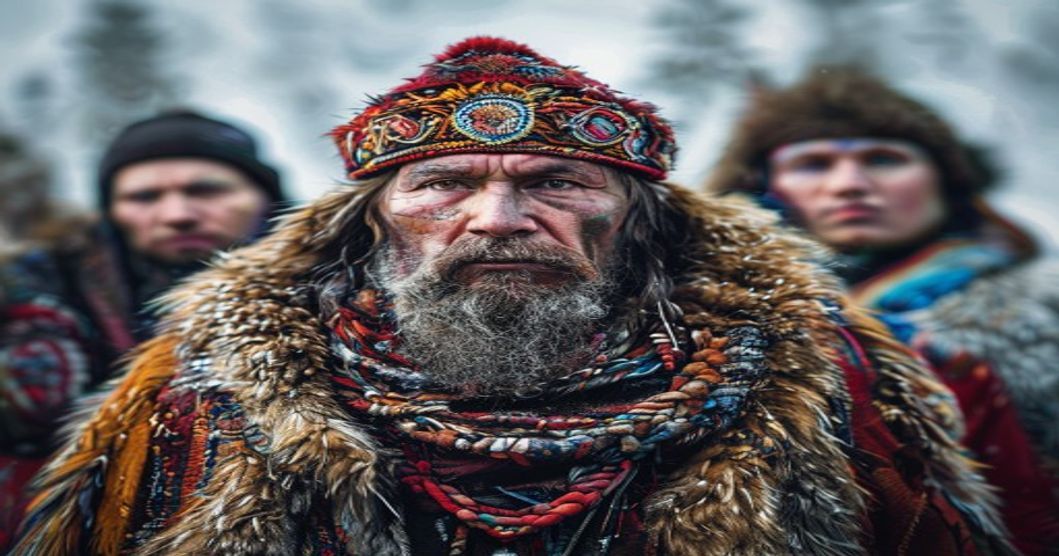
Revival of Sami Languages and Traditions: Core Strategies and Current Impact
The Sami linguistic landscape spans four primary branches: North Sami, Inari Sami, Skolt Sami, and Southern Sami. Each dialect faces distinct extinction thresholds based on intergenerational transmission rates. Preservation efforts now target structural documentation alongside active community usage. Strategic interventions prioritize youth engagement and institutional standardization.
Historical Suppression and Language Endangerment Status
Nineteenth-century assimilation policies mandated Norwegian, Swedish, and Finnish as exclusive educational languages. Boarding schools enforced punitive measures against native tongue usage among indigenous youth. This systematic erasure fractured oral transmission chains across three generations. Current UNESCO classifications list Southern Sami as severely endangered while North Sami maintains a fragile viability status.
Government Policies and Legal Frameworks Supporting Revitalization
ILO Convention 169 establishes binding obligations for indigenous language rights across Nordic jurisdictions. Norway’s Sami Language Act guarantees official status in administrative regions with sufficient speaker density. Finland’s constitution mandates state funding for Sami-language public services and judicial proceedings. Sweden recently expanded municipal obligations following constitutional amendments regarding minority language protection.
Educational Programs and Immersion Schools for Native Speakers
Sámi allaskuvla in Tromsø functions as the primary academic institution for advanced linguistic research and teacher certification. Municipal immersion kindergartens utilize total language environments during early childhood development phases. University curricula now integrate traditional ecological knowledge alongside modern grammatical frameworks. Standardized testing protocols require annual auditing of pedagogical effectiveness across designated learning zones.
Digital Tools, AI Translation, and Online Media Campaigns
Sámi giellagáldu provides open-access dictionaries, grammatical corpora, and audio archives for academic and public use. Machine learning models trained on historical recordings now generate predictive text interfaces for mobile platforms. Independent digital broadcasters produce daily news segments that bypass traditional media gatekeepers. Community-driven social media initiatives leverage algorithmic visibility to reach dispersed diaspora populations.
Traditional Crafts, Reindeer Herding, and Cultural Preservation Methods
Duodji represents a codified system of woodworking, textile weaving, and metalwork requiring specialized apprenticeship training. Reindeer husbandry regulations now incorporate seasonal migration routes into national land-use planning documents. Joik vocalization techniques undergo formal documentation through ethnographic field recording projects. Cultural festivals operate as practical workshops where artisans demonstrate endangered manufacturing processes to younger cohorts.
Community-Led Initiatives and Indigenous Governance Models
Sámediggis function as parliamentary bodies that allocate cultural grants and negotiate legislative amendments. Regional councils manage land rights disputes involving mineral extraction and renewable energy infrastructure. Grassroots language nests operate independently from state funding to maintain pedagogical autonomy. Cross-border cooperation agreements align preservation standards across Norway, Sweden, Finland, and Russia.
Measurable Outcomes and Current Speaker Demographics
Official registers indicate approximately twenty-eight thousand active speakers across the four recognized dialects. Fluency rates among individuals under thirty years old show consistent annual growth in designated revitalization municipalities. School enrollment figures for Sami-language secondary programs exceed previous five-year projections. Linguistic vitality indices track household usage patterns against broader national demographic shifts.
Future Challenges and Sustainable Funding Requirements
Long-term viability depends on securing multi-decade financial commitments rather than temporary project grants. Climate change disrupts traditional reindeer pastures, directly threatening vocabulary tied to specific ecological zones. Urban migration patterns dilute concentrated speaker networks required for daily functional usage. Independent audit mechanisms must evaluate grant distribution efficiency to prevent administrative bottlenecks.
Frequently Asked Questions: Revival of Sami Languages and Traditions
What is Revival of Sami Languages and Traditions?
The Revival of Sami Languages and Traditions refers to the coordinated cultural, educational, and political efforts across Sápmi to preserve, teach, and revitalize endangered Sámi languages and indigenous practices. These initiatives work to reverse historical assimilation policies by integrating Sámi linguistic heritage into formal education, public media, legal systems, and community-led cultural programs.
Key facts about Revival of Sami Languages and Traditions
Key facts include: there are over a dozen Sámi languages, several of which are critically endangered; revitalization is legally supported by the UN Declaration on the Rights of Indigenous Peoples and national minority laws; Sámi languages have official status in education and broadcasting in Norway, Sweden, and Finland; and traditional knowledge systems such as joik music, duodji crafts, and reindeer herding are being systematically documented and transmitted by Sámi parliaments and grassroots organizations.