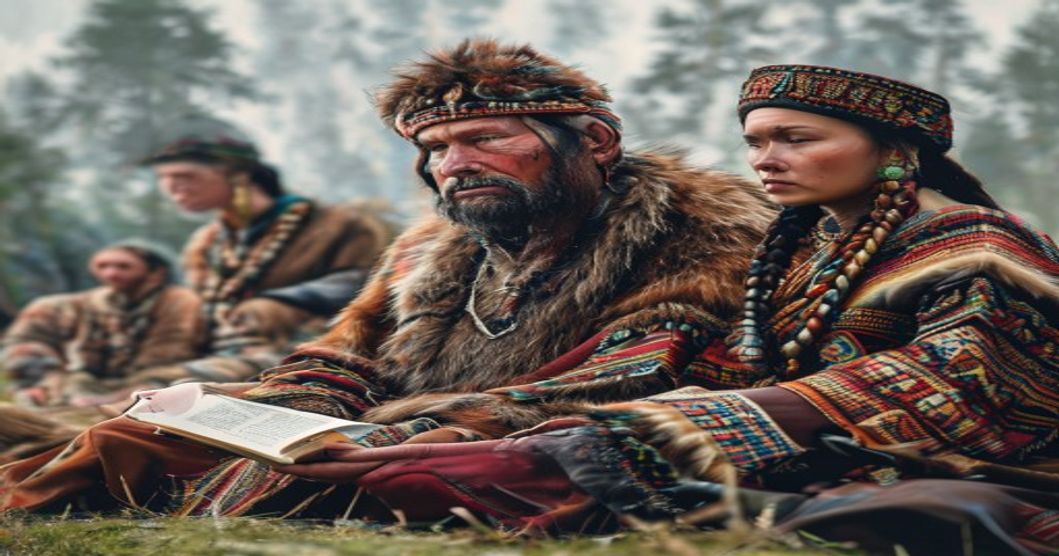
The Growing International Interest in Sami Traditions
Global attention toward Sami cultural practices has intensified over the past decade, driven by structural shifts in how international institutions and private sectors value indigenous knowledge systems. Researchers, conservation organizations, and heritage foundations now treat the Sami relationship with Arctic ecosystems as a foundational reference for biodiversity preservation and climate adaptation strategies. This academic pivot aligns with dedicated funding streams for non-Western epistemologies, particularly within ethnobotany, reindeer husbandry science, and traditional weather prediction methodologies that actively complement modern meteorological models.
The visibility of Sami heritage extends beyond academic journals into public engagement platforms. International film festivals routinely program Sami narrative structures, while major museums curate rotating exhibitions dedicated to duodji craftsmanship and joik vocal techniques. These cultural exports trigger ongoing discourse regarding intellectual property frameworks, ensuring commercial applications of Sami design elements require documented community consent. Digital preservation initiatives simultaneously partner with native speakers to catalog endangered dialects across Norway, Sweden, Finland, and Russia.
- Cross-border academic partnerships establish joint field stations in Finnmark and Lapland territories, prioritizing sustainable land management and pastoral migration mapping.
- Digital language repositories utilize machine learning models trained exclusively by accredited Sami linguists to generate interactive preservation modules accessible globally.
- Verified eco-tourism certifications enforce direct revenue distribution to indigenous councils, mitigating cultural commodification while financing community-operated heritage facilities.
Economic mechanisms surrounding Sami traditions demonstrate a deliberate equilibrium between conservation and contemporary adaptation. International markets increasingly require authentication through official duodji quality seals, systematically eliminating unauthorized reproductions. Universities across North America and Europe incorporate Sami ecological frameworks into environmental science syllabi, acknowledging their operational utility in permafrost tracking and seasonal resource allocation. Younger practitioners deploy digital platforms to record seasonal ceremonies, establishing decentralized knowledge networks that operate independently of geographic constraints. This grassroots documentation reinforces institutional archives, maintaining intergenerational continuity while aligning with modern information distribution standards.
Regulatory structures within Nordic jurisdictions now mandate comprehensive environmental and cultural impact evaluations prior to approving infrastructure projects near historically significant territories. International monitoring organizations track policy enforcement, delivering technical resources for community-led advocacy initiatives. Market indicators confirm a permanent institutional realignment rather than transient tourism cycles, with grant distributions increasingly contingent upon verifiable metrics in linguistic restoration and territorial sovereignty recognition.
Digital Media and Global Streaming Platforms Driving Cultural Discovery
Streaming services and digital content ecosystems have fundamentally altered how indigenous cultures reach global audiences. Sami heritage, once confined to regional archives and limited broadcast channels, now flows through algorithmic recommendation engines that prioritize niche cultural documentation. High-production documentaries, feature films, and music series focusing on joik vocal traditions, reindeer herding practices, and duodji craftsmanship have gained measurable viewership across Scandinavia, North America, and Europe. These platforms operate on engagement metrics rather than geographic proximity, allowing remote communities to bypass traditional gatekeepers in the entertainment industry.
Indigenous-led production networks have accelerated this shift by securing development deals with international streaming distributors. Creators maintain editorial control over narrative structure, ensuring accurate representation of seasonal migration patterns, land stewardship methodologies, and intergenerational knowledge transfer. Multilingual audio layers and localized subtitle tracks function as standard deliverables, preserving dialectal integrity while enabling cross-linguistic accessibility. Digital archives now index thousands of hours of oral histories and traditional ecological recordings using structured metadata schemas that improve discoverability across cultural research databases and academic repositories.
- Algorithmic distribution mechanics respond to watch duration, completion rates, and cross-referencing behavior, gradually surfacing Sami-focused content to viewers interested in Arctic sustainability models and climate adaptation strategies.
- Audience retention data demonstrates sustained engagement with long-form indigenous storytelling formats, particularly among demographics researching alternative economic frameworks and historical land rights.
- Platform recommendation engines prioritize semantic relevance over geographic boundaries, creating feedback loops that accelerate content production cycles and incentivize investment in northern European cultural documentation.
The commercialization of digital cultural assets has established sustainable revenue structures for Sami filmmakers, musicians, and educators. Licensing agreements, regional broadcasting contracts, and direct platform partnerships generate consistent funding streams that finance community-led preservation initiatives and language revitalization programs. International film festivals now synchronize virtual premiere screenings with streaming releases, establishing hybrid distribution models that extend audience reach beyond physical venues. Cross-border collaborations between Nordic production companies and global distributors continue expanding, positioning Sami traditions within the broader framework of contemporary indigenous media movements while maintaining strict cultural sovereignty over intellectual property rights.
Academic Institutions Funding Cross-Border Indigenous Research Grants
The financial architecture supporting Sámi cultural and linguistic preservation has shifted dramatically over the past decade, driven by targeted grant programs from universities and research consortia across Europe and North America. Institutions such as Uppsala University, the University of Tromsø–Arctic University of Norway, and the University of Oulu now administer dedicated funding streams that explicitly prioritize cross-border indigenous scholarship. These grants operate through structured peer-review panels that evaluate proposals based on methodological rigor, community partnership frameworks, and measurable cultural impact rather than traditional publication metrics alone.
- Funding allocations frequently target language revitalization initiatives, mapping oral histories across the four nations where Sámi communities reside
- Research consortia leverage shared digital infrastructure to document joik traditions, reindeer husbandry practices, and land tenure disputes in real time
- Ethical review boards now mandate indigenous data sovereignty protocols, ensuring that collected materials remain under community governance rather than institutional ownership
Grant structures have evolved to accommodate the geographic dispersion of Sámi populations. Multi-institutional partnerships routinely connect Nordic universities with research centers in Scotland, Canada, and New Zealand, applying comparative indigenous methodologies to Sámi case studies. This transnational approach enables scholars to analyze how colonial policies diverge across borders while identifying universal strategies for cultural resilience. Funding bodies now require detailed dissemination plans that prioritize open-access repositories co-developed with Sámi educational organizations, guaranteeing that academic outputs directly benefit the source communities.
Despite increased financial commitment, institutional funding faces structural friction. Bureaucratic reporting requirements often burden early-career researchers and community collaborators alike, creating delays in project implementation. Intellectual property disputes regarding traditional ecological knowledge remain a persistent challenge, as standard university frameworks struggle to align with Sámi customary law. Forward-thinking institutions now address these gaps by embedding Sámi legal advisors into grant administration teams and establishing long-term endowments that decouple research continuity from short-term political cycles. The result is a more sustainable ecosystem where academic capital directly fuels indigenous-led knowledge production.
Core Cultural Practices Capturing Worldwide Attention
The global fascination with Sámi heritage centers on several interconnected traditions that have survived centuries of assimilation pressures while adapting to modern contexts. Vocal artistry remains a defining element, where the joik serves not merely as music but as a direct sonic representation of people, landscapes, and animals. Practitioners employ throat-like harmonics, repetitive melodic structures, and improvisational phrasing to evoke specific emotional and geographical coordinates. This oral tradition has gained scholarly attention for its complex phonetics and its role in transmitting ecological knowledge across generations.
Material craftsmanship follows a parallel trajectory of international recognition. Duodji encompasses the creation of functional objects using reindeer antler, birch bark, wolfsbane, and silver thread. Each technique carries encoded regional patterns that denote clan affiliation and seasonal utility. Contemporary designers and museums worldwide increasingly reference these methodologies, not as static artifacts but as living design philosophies emphasizing sustainability and resource efficiency. The global craft movement has adopted Sámi weaving and knife-making processes to highlight circular economy principles long before modern terminology existed.
Reindeer husbandry operates on a sophisticated understanding of tundra ecosystems. Herders navigate seasonal pastures across national borders, monitoring snow depth, lichen availability, and predator movements through direct environmental observation. This migratory system has attracted academic interest from climate researchers who study how traditional grazing patterns influence carbon sequestration and permafrost stability. International conservation organizations now collaborate with Sámi councils to protect migration corridors threatened by infrastructure development and mining operations.
Linguistic preservation efforts have transformed regional dialects into internationally studied resources. The Sámi language family comprises over a dozen distinct varieties, each maintaining unique grammatical structures for describing reindeer behavior, weather conditions, and terrain features. Digital platforms and university programs across Europe now offer structured courses, while native speakers participate in global indigenous rights forums to advocate for mother-tongue education policies. These initiatives have positioned Sámi communities as key contributors to discussions on linguistic diversity and cognitive anthropology.
Ritualistic practices involving the noaidi drum provide additional layers of cross-cultural inquiry. Historically used for navigation, healing, and seasonal forecasting, the drum’s painted symbols represent a visual language that parallels Norse runic systems but operates independently. Anthropologists and art historians continue to analyze these motifs, recognizing their influence on contemporary Scandinavian design and spiritual movements. The resurgence of interest stems from academic collaborations that prioritize indigenous epistemologies over historical extraction.
Joik Vocal Traditions and Contemporary Music Crossover Appeal
Traditional Joik operates as a non-linear vocal practice that predates written documentation in Sámi culture. Rather than narrating events, the performer embodies the essence of a person, landscape, or animal through circular melodic patterns and microtonal inflections. This structural approach mirrors natural acoustics found across Arctic environments, where wind resonance and herd movement dictate rhythmic pacing. Contemporary producers recognize this acoustic architecture as a foundational element for atmospheric sound design.
Modern artists systematically extract Joik vocal techniques—overtone manipulation, controlled breath cycles, and syllabic repetition—and integrate them into electronic, ambient, and genre-blending compositions. Streaming algorithms have accelerated cross-cultural discovery, placing tracks featuring these modal structures alongside Nordic folk revival and experimental pop playlists. International listeners respond to the harmonic ambiguity and temporal fluidity that distinguish Joik-derived melodies from standard Western tonal frameworks.
- Vocal resonance patterns align with spectral analysis models used in acoustic research laboratories across Scandinavia and North America.
- Festival lineups increasingly feature collaborative stages where Sámi vocalists share billing with producers specializing in modular synthesis and field recording.
- Academic institutions track algorithmic engagement metrics to map how traditional modal systems migrate through global digital networks.
The crossover appeal stems from structural adaptability rather than surface-level exoticism. Producers apply time-stretching and granular synthesis to preserve microtonal intervals while expanding rhythmic density. Vocal engineers utilize phase alignment techniques to maintain the original timbral characteristics during multi-track layering. This technical preservation ensures that harmonic authenticity remains intact when translated into high-fidelity audio formats.
Global distribution channels now prioritize metadata optimization for traditional vocal genres, enabling precise categorization across cultural and electronic music databases. Cultural institutions collaborate with streaming platforms to implement contextual tagging systems that distinguish authentic Sámi performance from derivative interpretations. Audience retention data indicates sustained engagement when tracks include lyrical documentation and historical framing alongside the audio file.
Reindeer Husbandry Models Influencing Global Sustainability Discourse
Sami reindeer husbandry operates on a centuries-old ecological framework that aligns remarkably well with modern sustainability metrics. Unlike industrial livestock systems, this practice relies on rotational grazing patterns that prevent overgrazing and allow tundra vegetation to regenerate naturally. The Sami move their herds across seasonal pastures, following established migration corridors that span thousands of kilometers. This deliberate mobility reduces soil
Duodji Craftsmanship Merging Heritage Techniques with Modern Design
Duodji functions as a living archive of Arctic survival strategies, where artisans transform locally harvested materials into objects that now command sustained global attention. Master craftsmen maintain hand-carving patterns passed through generations while adapting structural silhouettes to align with contemporary interior architecture and luxury fashion retail channels. This evolution requires rigorous training in traditional knife work, tool maintenance, and material preparation alongside strategic market positioning for international distribution networks.
Technical integration between heritage methods and contemporary design demands precise material science knowledge. Artisans utilize silver alloys sourced from recycled industrial stock, applying traditional cold-hammering techniques that create micro-textures impossible to replicate with modern stamping equipment. Natural dyeing processes, zero-waste cutting techniques, and fully biodegradable components directly address modern ecological supply chain requirements. Designers collaborating with Sami artisans report
Economic Shifts and Preservation Strategies Emerging from Global Engagement
The surge in international attention has fundamentally altered the economic landscape for Sami communities across Scandinavia and northern Russia. Global fascination with indigenous heritage drives a measurable shift from subsistence-based livelihoods toward culturally anchored enterprises. Tourism revenues now constitute a substantial portion of local economies in Finnmark, Lapland, and Sápmi. Visitors seek authentic experiences ranging from reindeer sledding and ice fishing to guided cultural workshops. This demand has catalyzed the development of community-owned tourism operators who structure itineraries around traditional ecological knowledge rather than generic adventure packages. The financial influx provides capital for infrastructure upgrades while simultaneously creating employment pathways that keep younger generations within their ancestral regions.
- Traditional craft markets have expanded through cross-border e-commerce platforms, allowing artisans to sell duodji items directly to international collectors without relying on middlemen. Certified authenticity labels now protect these goods from mass-produced replicas, ensuring profit margins remain within indigenous networks.
- Cultural licensing and intellectual property frameworks are being implemented by regional councils to govern the commercial use of Sami motifs, language, and ceremonial symbols. Revenue generated through licensing agreements funds language revitalization programs and digital archiving initiatives.
- Media and entertainment productions focused on Sámi narratives have attracted funding from Nordic cultural grants and streaming platforms. Co-production agreements require Indigenous consultation, creating paid roles for Sami directors, translators, and cultural advisors while generating royalties that circulate back to community trusts.
Preservation strategies now operate through a self-sustaining economic model rather than relying solely on government subsidies. Community cooperatives reinvest tourism profits into seed banks for traditional pastures, restoring grazing lands disrupted by climate change and industrial development. Educational institutions partner with local enterprises to design vocational training programs that merge modern sustainable agriculture with ancestral herding techniques. Digital preservation efforts utilize blockchain technology to track the provenance of cultural artifacts and document oral histories in endangered dialects. The financial independence generated by global engagement empowers Sami organizations to set boundaries on exploitation, dictate terms of collaboration, and prioritize long-term cultural continuity over short-term commercial gains.
International Grants Supporting Sami Language Immersion Programs
International funding mechanisms have become the primary catalyst for scaling Sami language immersion initiatives across northern Europe. The European Union’s European Regional Development Fund and Nordic Culture Fund allocate dedicated streams toward Indigenous linguistic revitalization, prioritizing projects that demonstrate measurable community engagement and long-term sustainability. Grant applicants must navigate strict eligibility criteria, typically requiring formal partnership between local Sámi Parliaments, accredited educational institutions, and cultural heritage organizations. Funding cycles operate on annual or biennial schedules, with competitive evaluation panels assessing pedagogical frameworks, teacher certification pathways, and infrastructure readiness. Co-funding mandates often demand that recipient institutions contribute twenty to thirty percent of total project costs through municipal budgets or private donations.
- Educational Infrastructure Development: Grants finance specialized immersion classrooms, digital language labs, and remote learning platforms tailored to Ume Sami, Inari Sami, and North Sami dialects.
- Teacher Training & Certification: Funding streams establish intensive pedagogical programs for educators, bridging traditional oral transmission methods with modern curriculum standards.
- Curriculum & Material Production: Financial support covers the creation of age-appropriate textbooks, audio-visual archives, and interactive software aligned with national education benchmarks.
Implementation challenges frequently emerge around cross-border coordination. Sami territories span Norway, Sweden, Finland, and Russia, each operating under distinct fiscal policies and accreditation requirements. Successful grant execution depends on harmonized reporting frameworks that track student proficiency gains, community participation rates, and intergenerational language transfer metrics. The Nordic Council’s Indigenous Languages Support Programme has streamlined documentation through unified digital submission portals, reducing administrative friction for multi-jurisdictional applications. Private foundations, including the Sam Foundation and Arctic Cultural Heritage Trust, supplement public funding by targeting niche initiatives such as elder-youth mentorship networks and mobile immersion units deployed in remote reindeer-herding communities.
Sustainability remains the central evaluation criterion for renewing international grants. Funding bodies require recipients to demonstrate institutional capacity beyond the initial grant period, often mandating integration of Sami language modules into permanent municipal education budgets. Digital documentation systems now track real-time expenditure against pedagogical outcomes, enabling transparent audits and iterative program adjustments. Emerging grant structures increasingly link linguistic preservation with climate resilience funding, recognizing that environmental displacement directly threatens traditional knowledge transmission pathways.
Cross-Cultural Festivals Creating Sustainable Revenue Streams
Cross-cultural festivals function as economic catalysts when designed with long-term financial architecture rather than short-term spectacle. Event organizers integrate Sami joik performances, duodji craftsmanship markets, and traditional reindeer husbandry demonstrations into multi-day programming that attracts international attendees. Revenue generation relies on tiered ticketing structures, corporate sponsorships aligned with cultural preservation mandates, and strategic partnerships with regional tourism boards. Festival economics shift from transactional attendance to recurring value through year-round digital archives, licensed educational content, and virtual reality experiences that extend the event’s lifecycle beyond physical dates.
Sustainable monetization requires transparent revenue distribution models. A portion of ticket sales funds community-led cultural maintenance programs, while artisan vendors operate under cooperative frameworks that guarantee fair compensation and intellectual property protection. Event management teams implement dynamic pricing strategies during peak international travel seasons, then redirect surplus capital into infrastructure development such as sustainable camping facilities, multilingual interpretation services, and low-impact transportation networks. These operational investments reduce future dependency on external grants while establishing self-sustaining event ecosystems.
- Licensing agreements allow partner organizations to broadcast recorded performances under strict cultural guidelines, generating passive royalties that fund youth apprenticeship programs.
- Merchandise sales focus on limited-edition duodji pieces created by master artisans, with each purchase tied to specific cultural documentation projects and ecological research initiatives.
- Corporate partnerships prioritize impact metrics over visibility, requiring sponsors to contribute directly to environmental restoration efforts and indigenous language revitalization programs.
Festival committees establish independent oversight boards comprising community elders, financial auditors, and cultural heritage specialists to monitor fund allocation and prevent commercial dilution. This structural approach transforms temporary gatherings into permanent economic engines that preserve intangible heritage while delivering measurable financial returns to participating communities. International tourism boards now allocate dedicated funding streams toward festival development, recognizing that culturally grounded events consistently outperform generic attractions in visitor retention and repeat attendance metrics.
Digital infrastructure amplifies physical event revenue through targeted audience segmentation and predictive analytics. Organizers deploy geofenced mobile applications that deliver personalized programming schedules, real-time vendor directories, and exclusive behind-the-scenes access. These platforms collect behavioral data to optimize future pricing tiers, inventory forecasting, and sponsorship alignment. Email marketing sequences maintain engagement between festival cycles by distributing curated podcast episodes, artisan interviews, and seasonal cultural workshops. Subscription-based content libraries offer academic researchers and international enthusiasts deep dives into Sami ecological knowledge systems, creating recurring subscription revenue that operates independently of annual event calendars. Payment processors integrated with transparent ledger verification ensure accurate royalty distribution to indigenous creators, eliminating intermediary markups while maintaining audit trails for compliance reporting.
Intellectual Property Safeguards Against Cultural Appropriation Claims
Conventional intellectual property regimes frequently fail to protect indigenous cultural expressions because they rely on individual authorship models and statutory expiration dates. The Sami people require specialized legal architectures that acknowledge collective stewardship and intergenerational continuity of traditional knowledge. Multilateral instruments such as the WIPO Intergovernmental Committee on Intellectual Property and Genetic Resources, Traditional Knowledge and Folklore have established baseline standards for preventing unauthorized commercial exploitation. National legislatures across Norway, Sweden, Finland, and Russia now implement sui generis registration mechanisms that specifically target Sami duodji craftsmanship, traditional textile patterns, and sacred reindeer motifs.
Indigenous communities leverage collective trademarks and geographical indications to establish enforceable boundaries around authentic cultural products. Registration protocols demand exhaustive documentation of historical usage timelines, geographic origin verification, and community consent frameworks. Legal practitioners actively monitor international e-commerce ecosystems for trademark dilution caused by unlicensed reproductions of antler carvings, woven roagga designs, and ceremonial jewelry elements. Cross-border enforcement depends on harmonized customs directives that intercept imported merchandise lacking verified provenance documentation.
- Digital provenance tracking and cryptographic authentication verify artifact origins while maintaining commercial distribution channels.
- Community-administered licensing registries enable external manufacturers to negotiate equitable compensation before adapting traditional techniques.
- Litigation strategies pursue precedent-setting rulings that classify cultural appropriation as a distinct category of intellectual property infringement.
Municipal heritage authorities collaborate with intellectual property offices to construct centralized archives that map historical usage patterns against contemporary commercial applications. These defensive publications prevent third-party entities from securing conflicting trademarks through prior art assertions. International trade agreements increasingly incorporate indigenous knowledge provisions that mandate benefit-sharing arrangements for any commercialization involving Sami cultural elements. Legal teams continuously refine enforcement methodologies to address automated content moderation gaps on global retail platforms.
Proactive documentation serves as the primary defense against appropriation allegations. Communities maintain archived field recordings, photographic inventories, and oral history transcripts that establish continuous cultural stewardship across multiple generations. These records function as evidentiary foundations during trademark opposition proceedings and copyright disputes. Regulatory agencies now require explicit community consultation before approving permits for cultural research or commercial product development.
Future Trajectories for Indigenous Heritage Visibility and Protection
Youth-Led Digital Activism Redefining Global Advocacy Networks
Young Sámi creators are dismantling geographic barriers by deploying social media algorithms, open-source mapping tools, and decentralized content platforms to amplify indigenous perspectives. Unlike older advocacy frameworks that relied on institutional lobbying or mainstream media partnerships, contemporary digital campaigns operate through peer-to-peer networks spanning Norway, Sweden, Finland, and Russia. These creators utilize short-form video formats to demonstrate traditional reindeer herding techniques, document seasonal migration routes, and broadcast land defense protests in real time. The visual nature of these uploads triggers algorithmic distribution that reaches audiences outside academic or policy circles, converting passive viewers into active supporters through direct engagement metrics and shareable cultural content.
- Language Revitalization Through Digital Infrastructure: Mobile applications and voice-recognition tools trained on native dialects enable younger generations to access linguistic resources instantly. Podcast networks host unscripted conversations in Northern Sámi, Inari Sámi, and Skolt Sámi, bypassing formal education limitations while preserving phonetic nuances that textbooks often miss.
- Cross-Border Coalition Building: Digital workspaces allow activists from different Sápmi regions to synchronize protests, share legal resources, and coordinate cultural festivals without physical travel. This connectivity strengthens unified messaging on land rights, mining regulations, and educational curriculum reforms across national boundaries that traditionally fragmented indigenous movements.
- Data Sovereignty & Archival Control: Youth-led projects digitize family records, traditional craft patterns, and oral histories using blockchain verification and open-access repositories. By controlling the metadata and distribution channels, these initiatives prevent cultural appropriation while establishing verifiable proof of historical land use and resource management practices.
The infrastructure built through these digital practices directly influences international policy discussions. When coordinated online campaigns align with parliamentary sessions in Nordic governments or UN indigenous rights panels, algorithmic visibility translates into legislative attention. Streaming platforms host documentary series co-produced by Sámi filmmakers, which secure distribution deals that fund further community projects. Educational institutions now incorporate these digital archives into curricula, ensuring intergenerational knowledge transfer occurs outside traditional classroom boundaries. The resulting ecosystem operates as a self-sustaining advocacy network, where content creation, data management, and policy outreach function as interconnected components rather than isolated efforts.
Virtual Reality Documentation Preserving Fragile Oral Histories
Immersive virtual reality platforms are fundamentally changing how researchers capture the ephemeral nature of Sami oral traditions. Conventional audio recordings frequently strip away the spatial context, emotional resonance, and communal architecture where joik performances historically unfold. VR documentation resolves this limitation by reconstructing Arctic tundra environments, traditional lavvu structures, and seasonal migration routes with geometric accuracy. Engineers integrate 360-degree spatial audio arrays alongside photorealistic rendering to archive vocal timbre, instrumental harmonics, and environmental acoustics simultaneously. This multi-layered capture methodology preserves linguistic cadence and performance dynamics that flat media inevitably flattens.
- LiDAR scanning maps historical gathering sites with sub-centimeter precision, creating navigable digital twins for academic study.
- Motion-capture systems record elder demonstrations of traditional crafting, allowing interactive playback that isolates specific hand movements and tool interactions.
Photogrammetry protocols document artifact placement and material textures within reconstructed dwellings, providing tangible context for narrative analysis.
Language preservation frameworks embedded within these virtual environments function as dynamic pedagogical tools rather than static archives. Users navigate reconstructed settlements where spoken dialogue triggers real-time vocabulary overlays, phonetic breakdowns, and historical annotations. This contextual learning model accelerates retention rates while maintaining strict adherence to indigenous linguistic structures. Collaborative projects between Nordic research institutions, cultural NGOs, and software engineers prioritize data sovereignty from the initial architecture phase. Communities dictate access tiers, distribution boundaries, and update frequencies through blockchain-verified metadata protocols. These decentralized repositories sync with global museum databases using standardized Dublin Core schemas, ensuring long-term discoverability without compromising cultural restrictions. Diaspora participants utilize VR headsets to join synchronized storytelling sessions that replicate traditional circle gatherings across time zones. Continuous format migration and cloud redundancy prevent technological decay, transforming fragile oral lineages into sustainable digital ecosystems that withstand temporal degradation.
Educational Curriculum Integration Across Northern European Schools
Across Norway, Sweden, Finland, and northern Denmark, educational authorities have systematically embedded Sami cultural frameworks into national and regional syllabi. The integration stems from legislative mandates that recognize Sami peoples as indigenous populations with constitutional rights to language preservation and cultural education. Schools in Finnmark, Tromsø, Lapland, and Kainuu now operate under guidelines requiring mandatory instruction on Sami history, land rights, and traditional ecological knowledge. This structural shift moves beyond symbolic representation, transforming Sami traditions into core academic competencies rather than supplementary topics.
- Curriculum Design: Reindeer husbandry mechanics, seasonal migration patterns, and sustainable grazing practices are taught within geography and biology modules. Students analyze land-use data alongside historical treaties like the Finnmark Act and the Sami Convention.
- Linguistic Integration: North, South, and Inari Sami dialects appear in language arts classes through literacy programs, oral literature studies, and phonetic training. Joik vocalization techniques are documented as ethnomusicological case studies.
- Cross-Subject Application: Mathematics lessons incorporate traditional counting systems and geometric patterns found in duodji craftsmanship. History courses examine Sami participation in regional economic development and colonial policy impacts.
Implementation relies on structured teacher certification programs developed by indigenous universities and state education ministries. Educators undergo pedagogical training focused on culturally responsive teaching methods, ensuring classroom discussions avoid extraction or romanticization of Sami practices. Resource development involves direct collaboration between community elders, curriculum developers, and academic researchers. Digital archives provide high-resolution documentation of seasonal calendars, textile dyeing processes, and navigation techniques adapted to Arctic environments.
Evaluation metrics track student comprehension through project-based assessments rather than standardized testing alone. Schools report increased engagement in STEM subjects when traditional ecological knowledge is paired with modern environmental science. The framework aligns with UNESCO’s Living Heritage guidelines and UNDRIP Article 14, which guarantee indigenous peoples the right to establish educational systems in their own languages. Regional education boards continue refining assessment rubrics to measure cultural competency alongside academic proficiency.
Frequently Asked Questions
What is The Growing International Interest in Sami Traditions?
The growing international interest in Sami traditions refers to the increasing global recognition and appreciation of the indigenous culture, language, music, and heritage of the Sami people across Scandinavia and northwestern Russia. This interest is driven by academic research, cultural festivals, sustainable tourism, and digital media, which have brought attention to the unique reindeer herding practices, duodji (handicrafts), joik singing, and traditional knowledge of the Arctic environment.
Key facts about The Growing International Interest in Sami Traditions
Key facts include: (1) The Sami are the only recognized indigenous people in the European Union, with their rights increasingly protected by international law; (2) UNESCO has recognized several Sami cultural expressions, such as the joik and reindeer herding, as Intangible Cultural Heritage; (3) Global demand for authentic Sami crafts, particularly duodji items made with traditional methods, has surged in recent years; (4) International media and documentaries have highlighted Sami environmental activism and climate advocacy; (5) Educational institutions worldwide are incorporating Sami history and perspectives into indigenous studies programs.