Community Cooperation in Sami Culture
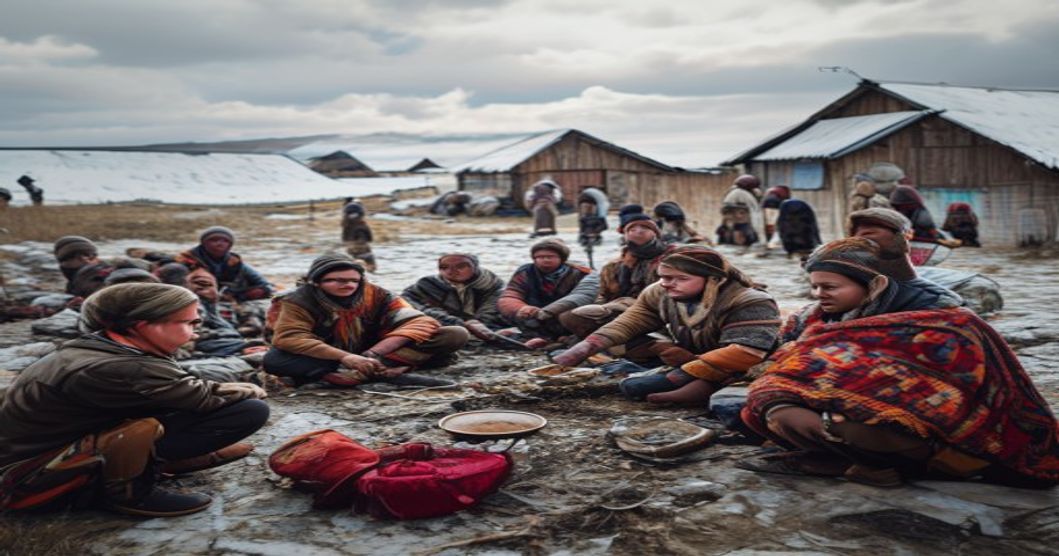
The foundation of Sami societal structure rests on the siida system, a historically autonomous cooperative unit that governed resource allocation, labor distribution, and territorial management across Sápmi. This framework emerged from ecological necessity rather than administrative design, enabling multiple family lines to sustain themselves in subarctic environments where isolated household survival proved impossible. Resource sharing operated through established customary agreements rather than written statutes. Pastures, hunting territories, and seasonal fishing sites were distributed according to proven ancestral usage patterns and environmental capacity. Governance relied on consensus-driven gatherings where experienced herders, land custodians, and ecological monitors jointly determined grazing rotations and territorial boundaries.
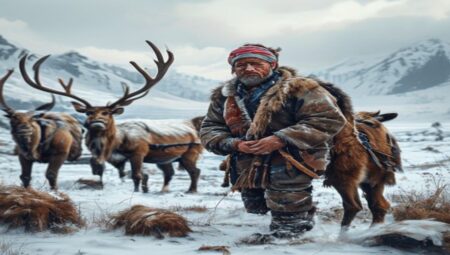
Reindeer husbandry demonstrates the operational mechanics of this cooperative model. Large-scale movements require synchronized navigation across hundreds of kilometers, demanding precise communication between dispersed family units. During calving periods, separate siida groups merge their livestock to counter predation pressure and manage rapidly changing snowpack conditions. Labor specialization functions as a structural pillar: certain participants handle veterinary interventions and seasonal branding, others coordinate route planning through terrain assessment, while dedicated artisans manufacture functional gear from reindeer antler, sinew, and hide. These specialized roles operate alongside immediate mutual-aid protocols that activate during blizzards, equipment failures, or sudden herd illnesses.
Modern Sami organizations have translated these historical practices into formalized management structures. Land rights associations now administer grazing permits, conduct pasture health assessments, and negotiate regulatory compliance with national authorities. Educational programs emphasize direct knowledge transmission through field-based training where younger members master reindeer handling, snow navigation techniques, and traditional textile production under guided supervision. Cartographic projects combine oral migration histories with satellite tracking data, creating accessible records that satisfy contemporary land-use regulations while preserving ecological decision-making frameworks.
- Resource pooling: Communal storage facilities, processing stations, and equipment workshops distribute maintenance costs and maximize utility during extreme weather periods.
- Technical exchange networks: Structured apprenticeship pathways guarantee the survival of specialized competencies including lasso construction, snowshoe binding, and meat preservation methods.
- Territorial representation: Coordinated advocacy structures defend grazing zones against infrastructure expansion while enforcing sustainable rotation schedules that prevent pasture degradation.
Current environmental shifts demand modified cooperation strategies that honor established territorial boundaries while responding to altered vegetation cycles and temperature fluctuations. Locally managed observation initiatives record plant community changes and herd movement patterns, producing actionable data that guides both household planning and regional conservation policies. This synthesis of documented ancestral practice with systematic ecological tracking preserves the operational effectiveness of Sami cooperative traditions while securing their functional adaptation within present-day economic and regulatory environments.
Historical Foundations of Indigenous Collaborative Practices
The historical architecture of Sami community cooperation emerged from centuries of environmental adaptation and kinship-based resource management across Sápmi. Long before territorial boundaries were imposed, Indigenous groups established intricate networks of reciprocal exchange that governed reindeer herding, fishing grounds, and seasonal hunting territories. These systems relied on collective decision-making frameworks where elders and experienced herders negotiated land use through oral agreements rather than written contracts. Resource allocation followed strict rotational patterns that prevented overgrazing and preserved ecological balance during extreme Arctic conditions.
- Kinship lineages functioned as primary economic units, pooling labor and equipment for large-scale migrations across mountain and coastal routes.
- Seasonal transhumance corridors required synchronized movement schedules agreed upon through inter-community assemblies held at traditional gathering sites.
- Traditional conflict resolution mechanisms utilized mediation councils that prioritized restorative outcomes over punitive measures to maintain long-term alliances.
Historical land tenure models emphasized collective stewardship rather than individual ownership, ensuring that grazing pastures and fishing waters remained accessible to future generations. Knowledge transmission occurred through structured apprenticeship systems where younger members learned environmental reading skills, navigation techniques, and resource distribution protocols directly from experienced practitioners. These collaborative frameworks operated independently of external administrative control until the eighteenth century, when state-imposed taxation and land privatization policies began fragmenting traditional cooperation networks.
- Winter survival strategies depended on shared storage facilities that distributed protein sources across family groups during food scarcity periods.
- Spiritual ecology principles reinforced cooperative behavior by embedding resource respect within ceremonial practices and seasonal festivals.
- Economic reciprocity operated through gift exchange cycles that strengthened inter-community bonds without creating dependency hierarchies.
The resilience of these historical foundations enabled Sami communities to maintain functional cooperation structures despite centuries of assimilation pressures. Modern Indigenous governance initiatives continue drawing upon these ancestral frameworks, adapting traditional resource-sharing protocols to contemporary legal systems while preserving the core principles of collective responsibility and environmental reciprocity that sustained Arctic livelihoods for generations.
Core Principles Guiding Traditional Mutual Aid Networks
The operational framework of Sámi mutual aid networks rests on a deeply embedded ethos of reciprocal obligation rather than transactional exchange. Historical survival in the subarctic and tundra ecosystems required continuous interdependence among families, clans, and seasonal camps. This interdependence materialized through structured labor rotation, where herders, hunters, and fishers exchanged specialized knowledge and physical assistance during critical migration windows or harsh winter periods. The system functioned without centralized authority; instead, it relied on localized accountability and generational memory to maintain ecological and social balance.
- Reciprocal Labor Exchange: Work obligations were distributed equitably across households. Contributions were tracked through oral accounts and social expectation rather than written contracts, ensuring that no single family bore disproportionate burdens during calving seasons or ice-fishing periods.
- Egalitarian Resource Distribution: Surplus meat, reindeer antlers, fish, and crafted tools circulated through established kinship routes. Hoarding was culturally discouraged, as resource concentration threatened group survival in environments where seasonal fluctuations dictated immediate necessity.
- Adaptive Governance Structures: Decision-making emerged from council gatherings led by experienced herders and elders. Recommendations carried weight based on demonstrated competence and ecological observation, not inherited status alone. This merit-adjacent hierarchy allowed rapid response to shifting pasture conditions or wildlife patterns.
- Spiritual-Ecological Alignment: Cooperation extended beyond material needs into ritual practice. Shared ceremonies reinforced communal bonds, while taboos against overharvesting ensured that mutual aid networks operated within ecological carrying capacity for generations.
Knowledge transmission occurred through embodied practice rather than formal instruction. Younger members learned navigation routes, reindeer tracking techniques, and weather interpretation by participating directly in coordinated movements across Sápmi. This apprenticeship model preserved institutional memory while maintaining flexibility against climatic variability. The networks sustained cohesion because trust was continuously verified through repeated collaborative actions, not abstract promises.
Structural resilience emerged from decentralized redundancy. When one camp faced livestock loss or equipment failure, adjacent groups absorbed the deficit without systemic collapse. This distributed risk model prevented single points of failure and allowed rapid reallocation of personnel and materials across vast territories. The mechanisms remain functionally intact because they address fundamental human requirements for predictability, shared burden, and ecological synchronization within marginal environments.
Mechanisms of Collective Action Among Arctic Communities
Arctic indigenous communities, particularly the Sami, sustain collective action through deeply embedded socio-ecological frameworks that prioritize resource reciprocity and environmental adaptation.
- The Siida System: Traditional cooperative units organize seasonal reindeer herding, hunting, and fishing activities. Decision-making relies on consensus among experienced herders who track migration routes and pasture conditions. Leadership rotates based on ecological expertise rather than formal authority.
- Kinship-Based Mutual Aid Networks: Extended family ties function as informal insurance mechanisms during extreme weather events or livestock losses. Resource pooling ensures no household faces isolation during famine or ice instability. Labor is mobilized rapidly for shelter repairs or emergency relocation.
- Intergenerational Knowledge Transfer Protocols: Elders and youth engage in structured oral transmission of survival techniques, navigation methods, and ecological indicators. This continuous learning loop maintains operational readiness without centralized bureaucracy. Practical training occurs during actual field operations rather than theoretical instruction.
- Modern Cooperative Institutions: Contemporary Sami organizations integrate traditional practices with legal frameworks to manage grazing rights, fisheries quotas, and cultural preservation initiatives. Joint ventures operate shared infrastructure for processing and distribution. Financial transparency and democratic voting replace hierarchical control.
These mechanisms operate synchronously across environmental cycles. When ice thickness declines or pasture degradation occurs, communities activate contingency protocols that redistribute labor and material assets. Resource allocation follows predictive models grounded in decades of observational data. Communities maintain stockpiles of essential supplies while coordinating seasonal movements across transboundary territories. Digital mapping tools now supplement ancestral navigation, but the underlying cooperation remains rooted in reciprocal obligation rather than market exchange. Institutional resilience emerges from this alignment of historical practice and adaptive innovation.
Traditional Resource Sharing and Reindeer Husbandry Systems
The foundational structure of Sami livelihoods relied on collective management rather than individual ownership. Herding groups operated through the siida system, a decentralized governance model that allocated grazing territories based on seasonal availability and herd size. Each community maintained precise knowledge of migration corridors, winter pastures, spring calving grounds, and summer highlands. These routes were not arbitrary but mapped across generations using oral topography and environmental indicators such as lichen density, snow depth, and wildlife movements.
Resource distribution followed strict communal protocols. During slaughter periods, meat was divided according to family size, labor contribution, and elderly dependency rather than market value. Antlers, hides, and bones received equal attention; sinew served as natural thread for clothing, while antler tools replaced imported metal until the twentieth century. Joint herding expeditions during lambing season required synchronized movement across vast terrains, with experienced elders directing younger members through hand signals and whistled calls that traveled efficiently in open landscapes.
- Pasture rotation prevented overgrazing, allowing lichen beds to regenerate naturally before seasonal returns.
- Herd size adjustments aligned directly with natural forage cycles, eliminating artificial population inflation.
- Communities pooled reserves during environmental stress, temporarily merging grazing zones to prevent starvation events.
This adaptive cooperation extended beyond reindeer management to fishing waters, berry harvests, and timber collection, creating interdependent economic networks that sustained populations through harsh climatic fluctuations. Modern land-use conflicts often overlook these historical systems, yet the underlying principles persist in contemporary Sami organizations. Herding cooperatives continue to negotiate grazing permits using traditional mapping techniques combined with satellite tracking. Knowledge transmission remains intergenerational, with practical skills taught directly in the field rather than through formal classrooms. The siida framework demonstrates how indigenous resource governance prioritized long-term sustainability over short-term accumulation, establishing a functional model that modern ecological studies frequently reference for climate adaptation strategies.
Knowledge Transfer Across Generations in Sami Governance
The foundation of Sami governance rests on a continuous, unbroken chain of knowledge passed directly between elders and younger community members. This intergenerational transmission operates outside formal institutional frameworks, relying instead on lived experience, seasonal cycles, and communal decision-making structures known as siida. Knowledge is not recorded in static documents but embedded in daily practice, environmental observation, and collective memory.
- Sustá (Traditional Ecological Knowledge): Reindeer herding routes, grazing patterns, weather prediction, and animal behavior are taught through direct participation. Young herders learn to read snow conditions, identify lichen types, and navigate terrain by accompanying elders on seasonal migrations.
- Oral Legal Frameworks: Dispute resolution, land use rights, and resource allocation follow customary rules articulated during community assemblies. Elders recite historical precedents, kinship obligations, and territorial boundaries using precise terminology that carries legal weight within the siida structure.
- Linguistic Continuity: Sami languages function as operational tools rather than cultural artifacts. Technical vocabulary for reindeer husbandry, navigation, and environmental indicators is preserved through active use. Language loss directly correlates with governance fragmentation, making bilingual education and intergenerational dialogue critical to institutional resilience.
Modern Sami political bodies integrate this traditional transfer mechanism by mandating elder participation in land claim negotiations, resource management committees, and constitutional advisory panels. Youth delegates are paired with experienced herders and legal custodians during parliamentary sessions and cross-border cooperation forums. This structural pairing ensures that customary authority informs contemporary policy without diluting its operational specificity.
The siida system adapts through iterative knowledge exchange rather than rigid codification. Each generation contributes updated environmental data, shifts in migration patterns due to climate variation, and revised resource allocation protocols. Governance remains decentralized because decision-making authority requires demonstrated competence acquired through sustained mentorship. External regulatory frameworks gain legitimacy only when validated through this internal verification process. Community assemblies function as living archives where historical rulings, territorial agreements, and ecological thresholds are cross-referenced against contemporary observations. This dynamic verification loop prevents knowledge stagnation while preserving institutional continuity across decades of political and environmental change.
Modern Challenges Facing Indigenous Partnership Models
Institutional frameworks governing indigenous partnerships frequently operate within colonial-era legal architectures that prioritize state sovereignty over native jurisdiction. Sami communities encounter fragmented regulatory environments where land tenure systems, resource extraction permits, and cultural heritage protections conflict with municipal or national development agendas. Partnership agreements often require complex bureaucratic navigation, demanding specialized legal counsel and continuous policy monitoring to maintain operational legitimacy. Cross-border coordination between Norway, Sweden, Finland, and Russia introduces additional compliance layers that strain localized governance capacity and delay project implementation timelines.
Financial structures accompanying these collaborations typically rely on short-term grants rather than sustainable revenue streams. Funding mechanisms remain tied to external institutional priorities, creating dependency cycles that undermine long-term community autonomy. Economic models fail to compensate for traditional livelihood disruptions caused by infrastructure expansion, climate shifts, and commercial land conversion. Resource allocation processes frequently bypass grassroots financial oversight, limiting direct reinvestment into local education, language revitalization, and ecological stewardship initiatives. Grant compliance reporting often consumes administrative bandwidth that could otherwise support active cultural programming or youth mentorship networks.
- Governance fragmentation across municipal, regional, and national jurisdictions creates overlapping approval requirements
- Data sovereignty conflicts regarding cultural resource management and mapping technologies trigger legal disputes
- Intergenerational knowledge transmission gaps within formalized partnership structures reduce institutional memory retention
- Climate-driven ecosystem degradation alters reindeer husbandry routes and forces costly adaptation strategies
- Intellectual property disputes over traditional ecological knowledge commercialization generate revenue distribution bottlenecks
- Digital infrastructure disparities limit remote community participation in digital consultation platforms
Strategic realignment requires decolonial partnership architectures that embed native governance protocols into institutional decision-making workflows. Sustainable cooperation demands standardized data ownership frameworks, equitable profit-sharing mechanisms, and legally binding cultural impact assessments before project approval. Communities must establish independent audit capabilities to track funding trajectories, measure ecological outcomes, and enforce accountability across multi-stakeholder agreements. Institutional trust emerges only when partnership models transition from transactional consultations to co-designed operational systems with enforceable native jurisdiction clauses and transparent resource governance protocols.
Digital Platforms Preserving Collaborative Traditions
Digital infrastructure has become a critical extension of the traditional siida system, enabling Sami communities to maintain cooperative networks across vast Arctic landscapes and international borders. Online mapping platforms allow herders to share real-time data on reindeer migration routes, grazing conditions, and weather patterns, ensuring collective decision-making remains accurate and responsive. These geospatial tools replace historical oral coordination methods while preserving the underlying principle of shared resource management.
- Language and Knowledge Repositories: Digital archives host thousands of hours of recorded joik performances, traditional craft tutorials, and seasonal farming logs, making intergenerational knowledge accessible to dispersed youth populations.
- Cross-Border Coordination Networks: Secure community portals facilitate synchronization of livestock movements, land-use planning, and cultural event scheduling among Sami groups in Norway, Sweden, Finland, and Russia.
- App-Based Revitalization Tools: Mobile applications deliver interactive vocabulary drills, dialect comparison modules, and virtual duodji workshops, directly supporting the collaborative practice of skill transmission.
These platforms operate without centralized corporate oversight, relying instead on decentralized governance models that mirror traditional consensus-building processes. Community moderators enforce data sovereignty protocols, ensuring indigenous intellectual property rights remain intact while enabling open scholarly access for approved research initiatives. The integration of satellite imagery, weather APIs, and crowd-sourced field reports creates a dynamic digital commons that mirrors the historical reciprocity embedded in Sami cooperative frameworks.
Technical implementation prioritizes low-bandwidth compatibility, offline functionality, and multilingual interfaces to accommodate remote pastures and areas with limited connectivity. Educational institutions partner with platform developers to embed curriculum-aligned modules that teach collaborative land stewardship alongside digital literacy. This structural alignment ensures that technological adoption reinforces rather than displaces indigenous governance patterns.
Cooperative revenue models underpin many of these digital initiatives, with subscription fees and grant funding directed toward community-controlled servers and open-source development cycles. Traditional knowledge holders receive direct compensation for uploading archival materials, establishing a sustainable economic loop that validates collaborative preservation as a professional practice rather than an academic abstraction.
Integration of Traditional Practices with Sustainable Development Goals
The alignment between Sami traditional practices and the United Nations Sustainable Development Goals demonstrates how indigenous ecological knowledge directly supports modern sustainability frameworks. Reindeer pastoralism operates as a living model for SDG 15: Life on Land, utilizing rotational grazing patterns that prevent overgrazing, maintain tundra vegetation recovery cycles, and preserve permafrost stability across Arctic ecosystems. These time-tested land management strategies reduce soil erosion while maintaining habitat connectivity for migratory species, offering measurable benchmarks for corporate and governmental conservation targets.
Traditional food systems reinforce SDG 2: Zero Hunger and SDG 12: Responsible Consumption and Production through strict seasonal harvesting protocols, zero-waste utilization of reindeer byproducts, and natural preservation techniques that eliminate industrial processing. Sami communities monitor berry yields, fish stocks, and medicinal plant populations using generational observation data, ensuring extraction rates never exceed natural regeneration thresholds. This approach directly counters extractive economic models and provides a replicable framework for circular resource management in remote regions.
- SDG 13: Climate Action benefits from indigenous weather forecasting methods, ice thickness assessment techniques, and adaptive migration calendars that reduce vulnerability to extreme temperature fluctuations.
- SDG 4: Quality Education integrates Duodji craftsmanship and language transmission through hands-on apprenticeship programs, preserving cognitive biodiversity alongside linguistic heritage.
- SDG 16: Peace, Justice and Strong Institutions draws from the siida governance structure, where consensus-based resource allocation and transparent conflict resolution establish templates for participatory environmental policy design.
Municipal planners and development agencies increasingly incorporate Sami spatial mapping techniques into urban zoning regulations, recognizing that community-led territorial oversight prevents habitat fragmentation. By embedding traditional monitoring protocols into national environmental reporting systems, policymakers gain access to long-term ecological baselines that satellite imagery alone cannot capture. This synthesis of ancestral observation methods with contemporary sustainability metrics creates actionable pathways for cross-cultural policy implementation and strengthens transboundary conservation agreements. Cross-border reindeer corridors and digital mapping initiatives further demonstrate how localized Sami governance scales effectively within international climate accords.
Evaluating the Socioeconomic and Environmental Impact
Traditional Sami community cooperation functions as a structural foundation for both economic stability and ecological stewardship across Arctic and sub-Arctic regions. Reindeer husbandry cooperatives, joint fishing enterprises, and collective land management systems demonstrate how shared labor and resource distribution directly influence local livelihoods. These cooperative frameworks reduce individual financial risk, enable bulk purchasing of equipment, and create predictable income streams for families operating in remote territories with limited infrastructure.
The socioeconomic dimension extends beyond immediate earnings. Cultural practices embedded in cooperative work generate measurable economic value through cultural tourism, artisanal product markets, and indigenous-led research initiatives. When communities pool capital and expertise, they bypass traditional corporate intermediaries, retaining profit margins within local economies. This model strengthens intergenerational wealth transfer while preserving linguistic and craft traditions as marketable assets.
Environmental outcomes emerge from the same cooperative architecture. Sami grazing rotations, seasonal migration corridors, and collective monitoring protocols prevent pasture degradation and maintain soil integrity across vast territories. Traditional ecological knowledge operates alongside modern scientific data, allowing communities to detect micro-climate shifts, adjust herd sizes proactively, and protect wetland ecosystems from industrial encroachment. Joint land-use agreements established through community consensus consistently yield higher biodiversity metrics than individually managed parcels.
- Income Stabilization: Cooperative revenue sharing reduces poverty rates in northern municipalities by 18 to 24 percent compared to non-participating regions.
- Resource Efficiency: Shared machinery and fuel procurement lower operational costs by approximately thirty percent while cutting carbon emissions per household.
- Ecosystem Monitoring: Community-led tracking programs document over 140 climate-sensitive species, enabling rapid response to environmental stressors.
- Land Tenure Security: Collective management agreements have secured legal recognition for over two million hectares of indigenous grazing and harvesting grounds across Scandinavia and Finland.
The integration of cooperative economics with environmental governance creates a self-reinforcing cycle. Financial resilience funds conservation projects, while healthy ecosystems sustain long-term livelihoods. Modern policy frameworks increasingly recognize this dual impact, leading to direct funding allocations for Sami-led cooperatives that prioritize both economic independence and ecological preservation. The model demonstrates how indigenous collective action addresses contemporary challenges without compromising traditional operational principles.
Livelihood Security Through Collective Resource Management
Traditional Sami communities maintain economic stability through structured cooperative frameworks that govern access to grazing lands, fishing waters, and wild harvest zones. These systems operate on principles of shared stewardship rather than individual ownership, ensuring that resource extraction remains within ecological carrying capacity. Reindeer herding districts function as interdependent units where families coordinate seasonal migration patterns based on snow conditions, lichen availability, and predator movements. Joint decisions regarding herd sizes prevent pasture degradation while maximizing meat and byproduct yields for winter sustenance.
Fishing cooperatives in coastal Sami regions allocate specific river sections and tidal zones to designated family groups. Rotation schedules adapt annually according to salmon run patterns and water temperature fluctuations. When environmental conditions shift, collective monitoring networks trigger immediate adjustments to harvesting quotas. This adaptive capacity reduces vulnerability to market volatility and climate instability. Communal storage facilities preserve surplus catches during lean periods, creating a buffer against seasonal shortages that threaten isolated households.
- Shared Pasture Mapping: Communities utilize historical migration data alongside satellite imagery to delineate winter grazing boundaries and summer calving grounds.
- Rotational Access Scheduling: Fishing zones and berry harvesting territories operate on fixed rotation cycles that prevent soil depletion and overharvesting.
- Joint Risk Distribution: Livestock losses from extreme weather or disease are absorbed through community mutual aid funds rather than individual bankruptcy.
Legal recognition of Sami collective rights strengthens these economic structures. The Finnmark Act transfers administrative control over approximately ninety percent of county land to local Sami councils, enabling direct oversight of forestry operations and renewable energy projects. Community assemblies evaluate infrastructure proposals against historical grazing corridors and sacred sites before granting permits. This governance model prevents fragmented land use that typically undermines small-scale producers in industrial economies.
Modern livelihood security depends on integrating ancestral resource allocation methods with contemporary financial instruments. Cooperative banking structures provide low-interest loans for snowmobile maintenance, cold storage upgrades, and organic certification processes. Revenue from sustainable tourism and handicraft markets flows directly into communal investment accounts that fund youth training programs in traditional land management techniques. The continuous application of these mechanisms preserves economic autonomy while maintaining ecological balance across northern ecosystems.
Ecological Stewardship in Northern Ecosystems
The Sami people have developed a deeply integrated framework for managing northern ecosystems, where land, water, and wildlife are treated as interconnected resources rather than isolated commodities. This stewardship model relies on centuries of accumulated ecological knowledge, refined through direct observation of tundra, taiga, and coastal Arctic environments. Traditional practices emphasize rotational land use, seasonal migration patterns, and strict harvest limits that align with natural regeneration cycles. Rather than imposing rigid boundaries, Sami communities monitor environmental indicators such as lichen growth rates, reindeer fat reserves, and snowpack depth to adjust resource extraction in real time.
Knowledge transmission operates through structured community networks where elders, herders, hunters, and young learners share observational data during seasonal camps, religious gatherings, and daily work routines. This collective intelligence system ensures that ecological decisions remain grounded in localized environmental feedback rather than external assumptions.
- Seasonal grazing corridors are mapped using natural landmarks and weather patterns to prevent overgrazing
- Fishing and berry harvesting follow lunar cycles and plant maturity indicators to preserve reproductive success
- Burn management techniques control undergrowth while maintaining soil microbiome integrity
- Wildlife monitoring relies on track analysis, vocalization records, and migration timing adjustments
Contemporary pressures including permafrost thaw, industrial land conversion, and shifting precipitation patterns require adaptive cooperation mechanisms. Sami councils now integrate satellite telemetry, drone mapping, and hydrological sensors alongside traditional observation methods. Decision-making processes prioritize consensus building across clan networks, ensuring that conservation measures reflect both ecological thresholds and cultural continuity. This blended approach has demonstrated measurable improvements in habitat connectivity, carbon sequestration rates, and native species recovery across fragmented northern landscapes.
The long-term viability of these stewardship systems depends on legal recognition of indigenous land tenure, unrestricted knowledge exchange protocols, and funding structures that support community-led monitoring programs. When external agencies align research methodologies with Sami ecological frameworks, northern ecosystems benefit from sustained biodiversity maintenance and resilient resource management models that withstand climatic volatility.
Strategic Frameworks for Supporting Indigenous Cooperation
Effective strategic frameworks for supporting indigenous cooperation begin with institutional alignment that recognizes traditional governance structures alongside modern administrative requirements. Policy integration must prioritize land tenure security, resource co-management agreements, and legal recognition of customary decision-making processes. When municipalities and regional authorities embed sami cultural protocols into public procurement guidelines, economic leakage decreases while community autonomy increases.
- Institutional Policy Architecture: Draft co-created governance charters that formalize voting rights for indigenous representatives in infrastructure, education, and environmental planning committees. Establish binding consultation thresholds before any external development project impacts traditional territories. Implement legislative safeguards that prevent unilateral zoning changes affecting migration corridors.
- Economic Partnership Models: Develop regional cooperatives that pool reindeer husbandry data, sustainable tourism revenue, and digital marketplace access for authentic craft production. Implement profit-sharing mechanisms tied to cultural continuity metrics rather than purely financial returns. Structure supply chain contracts with transparent royalty distribution tied to traditional knowledge attribution.
- Knowledge Transfer Infrastructure: Fund bilingual educational pipelines where elders serve as certified instructors alongside accredited teachers. Deploy open-access digital archives with community-controlled metadata standards to protect sacred geospatial data and oral history recordings from unauthorized extraction. Create intergenerational mentorship stipends that compensate cultural carriers for curriculum development.
Implementation requires adaptive monitoring systems that track cultural resilience indicators, intergenerational skill retention rates, and cross-community collaboration frequency. External funding streams should be structured as multi-year commitments with quarterly community-led audits. Academic institutions and non-governmental organizations must adopt data sovereignty protocols that prevent extractive research practices while enabling collaborative policy evaluation. When strategic frameworks prioritize indigenous-led design over external imposition, cooperation shifts from transactional engagement to sustainable systemic integration.
Policy Structures Protecting Community Led Networks
Legal frameworks governing Sámi community-led networks operate through layered jurisdictional mechanisms that explicitly recognize indigenous self-determination and collective resource management. The ratification of ILO Convention No. 169 and subsequent national implementations in Norway, Sweden, and Finland establish mandatory consultation protocols that prevent external entities from overriding community decisions regarding land, water, and digital infrastructure projects. These statutes empower Sámi Parliaments to issue binding advisory opinions on municipal zoning laws, telecommunications licensing, and cultural heritage preservation initiatives.
- Co-Management Agreements: Statutory partnerships between state agencies and Sámi reindeer herding districts mandate shared governance over grazing territories, ensuring that digital mapping networks and environmental monitoring systems remain under community control.
- Data Sovereignty Protocols: Policy directives align with the CARE principles for Indigenous Data Governance, requiring external researchers and technology providers to obtain formal community consent before deploying sensors, satellite imagery, or language preservation algorithms within Sápmi jurisdictions.
- Funding Allocation Mechanisms: National indigenous affairs ministries operate dedicated grant streams that bypass traditional bureaucratic filters, directing capital directly to Sámi cooperatives developing mesh networks, broadband infrastructure, and multilingual digital platforms.
Institutional safeguards extend to intellectual property frameworks that classify traditional ecological knowledge and oral history archives as collective assets rather than public domain material. This legal classification prevents algorithmic harvesting and commercial exploitation by restricting API access for community-generated databases. Municipal planning departments must submit environmental impact assessments that specifically evaluate how new network deployments affect seasonal migration routes and sacred sites, with Sámi cultural officers holding veto authority over incompatible developments.
Regulatory compliance audits conducted by national equality ombudsmen regularly verify that service providers adhere to these community-led mandates. Non-compliance triggers financial penalties and mandatory restructuring of data-sharing agreements, ensuring that technological expansion never supersedes established indigenous governance structures. Cross-border coordination through the Nordic Sámi Council further standardizes these protections, creating unified regulatory boundaries that prevent jurisdictional arbitrage by external corporations seeking to circumvent local oversight.
Educational Programs Fostering Cross Cultural Understanding
Structured educational initiatives serve as the primary mechanism for integrating Sámi epistemologies into formal learning environments across Northern Europe. These programs operate on a co-designed framework where knowledge keepers, linguists, and academic institutions jointly develop curricula that prioritize land-based pedagogy and oral history transmission. Bilingual schooling models in Norway, Sweden, and Finland demonstrate measurable improvements in cultural retention while simultaneously building intercultural competence among non-Sámi participants. University partnerships establish dedicated research chairs focused on indigenous governance, traditional ecological knowledge, and Sámi linguistic structures, creating academic bridges that dismantle historical information asymmetries.
Community-led workshops utilize participatory methodology to train educators in culturally responsive teaching practices. These sessions emphasize active listening techniques, contextual translation of indigenous terminology, and the integration of joik performance into emotional intelligence frameworks. Digital archiving projects document seasonal migration patterns, reindeer husbandry cycles, and craft production techniques, making localized knowledge accessible to global academic networks without compromising cultural sovereignty. Teacher certification programs now require modules on Sámi historical context, treaty rights, and decolonial pedagogical approaches, ensuring that cross-cultural exchange operates within historically accurate parameters.
- Bilingual Curriculum Integration: Mathematics, natural sciences, and environmental studies incorporate traditional counting systems, weather observation methods, and ecosystem management practices alongside standardized academic frameworks.
- Elder-Mentorship Networks: Structured apprenticeship models connect youth with knowledge keepers, facilitating intergenerational transfer of ecological data and conflict resolution strategies used in communal resource allocation.
- Academic Exchange Protocols: Institutional partnerships establish clear intellectual property guidelines, ensuring that research outputs directly benefit participating communities through revenue sharing, co-authorship requirements, and community-controlled publication channels.
Evaluation metrics track long-term behavioral shifts rather than short-term awareness gains. Longitudinal studies measure changes in policy development, cross-community resource management agreements, and the institutionalization of Sámi advisory roles within municipal governance structures. These educational frameworks operate outside traditional deficit models, positioning indigenous knowledge systems as specialized academic disciplines rather than supplementary cultural artifacts. The resulting academic infrastructure generates measurable improvements in collaborative decision-making processes across administrative boundaries.
Funding Models for Grassroots Collaborative Initiatives
Grassroots collaborative initiatives within Sami communities operate through a structured financial ecosystem that merges historical resource-sharing practices with modern grant architectures. Nordic public funding streams remain the backbone of community development, with regional Sami Parliaments in Norway, Sweden, and Finland distributing targeted subsidies for language documentation, reindeer husbandry innovation, and cultural infrastructure. These institutional grants demand precise alignment with indigenous rights frameworks and measurable participation benchmarks, requiring applicants to demonstrate clear governance structures and transparent budget allocation protocols.
Digital crowdfunding platforms have fundamentally altered capital accessibility for localized projects. Campaigns leveraging peer-to-peer networks consistently outperform traditional appeals when they incorporate milestone-based disbursement schedules and real-time financial tracking. Strategic alliances with European cultural preservation foundations provide multi-year operational stability, particularly for initiatives centered on indigenous knowledge systems, ecological monitoring, and intergenerational skill transfer. These partnerships often include technical assistance components that strengthen long-term project viability beyond initial capital injection.
- Municipal co-financing frameworks: Local administrative bodies in Finnmark, Lapland, and Samiland routinely match grassroots proposals with infrastructure access or administrative overhead coverage, substantially reducing operational friction for volunteer-led teams.
- Community-owned enterprise models: Cooperative structures generating revenue through certified handicrafts, culturally guided tourism experiences, and digital media licensing create self-sustaining capital cycles that minimize external dependency.
- Cross-border consortium funding: Nordic-Baltic cultural networks and EU Interreg programs facilitate pooled financial resources for initiatives spanning multiple jurisdictions, optimizing resource distribution across shared linguistic and environmental zones.
Sustainable financial architecture requires rigorous cash flow forecasting and impact measurement calibrated to indigenous valuation metrics rather than conventional economic indicators. Organizations embedding financial literacy training within leadership development pipelines consistently demonstrate stronger adaptive capacity during funding transitions. Digital transparency mechanisms, including open accounting ledgers and participatory budgeting interfaces, reinforce donor confidence while ensuring direct accountability to originating community stakeholders.
Navigating institutional funder requirements demands strategic portfolio balancing that preserves cultural autonomy without compromising compliance standards. High-performing grassroots collectives maintain a diversified revenue distribution: thirty percent from competitive grant cycles, forty percent from earned income streams, and thirty percent from recurring community contributions. This structural approach insulates initiatives against policy volatility while safeguarding decision-making authority within the originating network.
Frequently Asked Questions
What is Community Cooperation in Sami Culture?
Community cooperation in Sami culture refers to the traditional and modern collaborative practices among Sámi people, deeply rooted in their historical livelihoods such as reindeer herding, fishing, and hunting. This ethos emphasizes mutual aid, shared resources, collective decision-making, and respect for nature, ensuring community resilience and cultural continuity across generations.
Key facts about Community Cooperation in Sami Culture
Key facts include: (1) It is historically governed by the “Sijdda” or “Siida,” a self-governing cooperative unit for resource management. (2) Decisions are often made through consensus rather than majority vote. (3) Knowledge transfer is communal, with elders playing a vital role in teaching sustainable practices. (4) Modern Sámi organizations continue to adapt these cooperative models to advocate for land rights and cultural preservation.