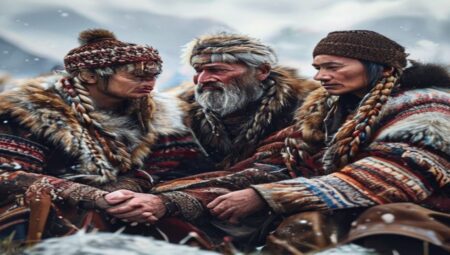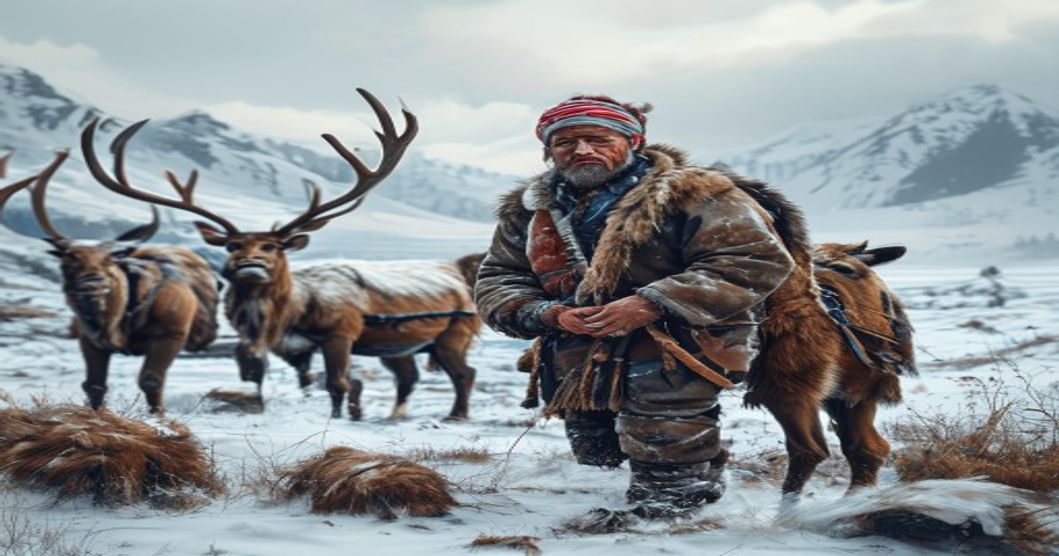
Sami Men and Reindeer Herding Traditions
Reindeer herding among Sami men functions as a complex ecological management system governed by strict seasonal calendars. The annual migration routes follow historical lichen pastures, requiring continuous assessment of snow crust stability and wind-scoured grazing zones. Spring calving operations demand precise timing to match herd arrival with peak birch leaf-out and insect relief, reducing parasite loads on newborn calves. Autumn slaughter cycles align with fat deposition periods, ensuring optimal meat quality before winter fasting begins. The siida structure organizes labor through hereditary cooperatives, where task allocation depends on individual tracking proficiency and weather adaptation skills.
Technical mastery encompasses multiple specialized domains. Craft
Historical Foundations of Nomadic Pastoralism
The archaeological record across Fennoscandia demonstrates that the Sami relationship with reindeer evolved from opportunistic hunting to systematic pastoralism over several centuries. Early material evidence, including domesticated reindeer bones found adjacent to longhouses in northern Norway and Sweden, dates this transition to the late medieval period between the twelfth and sixteenth centuries. Prior to this shift, Arctic communities relied on seasonal caribou hunts, utilizing every part of the animal for survival. The gradual domestication process required deliberate selection of docile herds, development of specialized lasso techniques, and the establishment of predictable movement corridors aligned with natural forage cycles.
Nomadic pastoralism in this region adapted to extreme latitudinal gradients where agriculture remained impossible. Herders structured their annual cycle around four distinct pasture zones. Summer pastures located in exposed mountain ridges provided abundant lichen and shrub growth after snowmelt. Autumn migrations directed herds toward coastal pine forests where wind-swept terrain kept snow layers thin enough for digging access to vegetation. Winter ranges extended into dense boreal taiga, offering shelter from polar storms while allowing steady foraging on ground cover. Spring calving grounds required precise timing, often situated in protected valleys near river deltas where early plant growth supported lactating females and newborn calves.
- The siida governance model coordinated herd management through kinship networks rather than centralized authority
- Rotational grazing prevented overexploitation of sensitive lichen beds that require decades to regenerate
- Traditional knowledge transmission occurred through generational field instruction rather than written documentation
- State boundary formations in the eighteenth and nineteenth centuries disrupted historic migration corridors, forcing adaptation to fragmented territories
Historical taxation records from Danish-Norwegian and Swedish administrations reveal how external pressures reshaped pastoral practices. Authorities initially imposed reindeer taxes using numbered ear marks, inadvertently accelerating herd standardization and territorial consolidation. Later land enclosure policies attempted to fix nomadic groups to municipal boundaries, contradicting ecological requirements for continuous movement. Despite these interventions, core herding techniques remained intact because survival in subarctic environments demanded precise environmental reading, weather forecasting, and animal behavior interpretation. Contemporary genetic analyses confirm that Sami reindeer populations diverged from wild caribou lineages during the same period as documented pastoral expansion, validating centuries of selective breeding practices.
Evolution of Livestock Management in Sápmi
Reindeer husbandry in Sápmi has undergone significant structural transformations since the early twentieth century, shifting from subsistence-based seasonal migration to a regulated commercial enterprise. Traditional management relied on deep ecological knowledge passed through generations of herders, primarily men who directed herd movements across vast tundra and boreal forest territories. The practice known as boazodoallu required precise timing for calving, slaughtering, and winter grazing, dictated by snow conditions, lichen availability, and predator patterns.
Regulatory Frameworks and Land Rights
Nordic governments introduced reindeer husbandry acts in Norway (1978), Sweden (1971), and Finland (1990) to formalize grazing rights. These laws established exclusive herding districts, historically organized as siida cooperatives, and restricted access to designated pastures. Male herders transitioned from autonomous pastoralists to license holders subject to annual herd quotas, slaughter permits, and mandatory reporting. The legal framework fragmented traditional communal decision-making, replacing it with state-controlled resource allocation.
- Annual census requirements replaced observational tracking methods.
- Motorized transport gradually substituted sleds and skis for herd guidance.
- Digital monitoring systems now track GPS collars, reducing reliance on physical patrols.
Economic Restructuring and Market Integration
The post-1980 period accelerated the commercialization of reindeer meat, hides, and antler products. Herding cooperatives established centralized slaughter facilities and export channels, altering profit distribution among family units. Male herders now navigate complex supply chains, securing contracts with processors while managing fluctuating international demand. Subsidies from Nordic agricultural programs offset operational costs but introduced dependency on bureaucratic compliance.
Environmental Pressures and Adaptation
Climate instability has disrupted historical migration corridors. Thawing permafrost, erratic snowfall, and increased ice layers have compromised lichen access, forcing herders to alter traditional routes. Younger generations integrate satellite imagery, weather forecasting software, and drone surveillance to monitor pasture degradation. Infrastructure development, including wind farms and railway networks, fragments grazing land, requiring negotiated access agreements with industrial operators. Modern livestock management in Sápmi now demands technical proficiency alongside traditional ecological literacy.
Gender Roles and Male Responsibilities in the Community
Historically, Sami reindeer herding communities structured labor around seasonal survival requirements rather than rigid ideological frameworks. Men traditionally managed the most physically demanding and logistically complex phases of the herd cycle. The annual transhumance pattern required males to lead long-distance migrations across Arctic terrain, navigating snow conditions, ice formation, and predator movements. This role demanded exceptional knowledge of microclimates, reindeer behavior, and emergency veterinary interventions. Women historically maintained daily husbandry operations, including calf monitoring, milking, and domestic management, but the strategic oversight of herd movement and resource allocation remained predominantly a male domain.
The practical responsibilities assigned to men extended beyond transportation. Herd protection required direct engagement with wolves, wolverines, and bears, often during extreme winter nights. Men operated in coordinated teams using traditional herding dogs and acoustic signals before modern technology. During the autumn slaughter period, males handled carcass processing, hide preparation, and antler harvesting, activities that directly determined household income and trade negotiations with regional markets. Knowledge transfer followed strict apprenticeship models, where sons learned terrain reading, animal husbandry, and equipment maintenance through direct observation and guided practice rather than formal instruction.
- Siida governance: Male elders held voting rights in communal decisions regarding grazing routes, breeding schedules, and conflict resolution with neighboring herding districts.
- Infrastructure management: Maintenance of corrals, feeding stations, and transportation sleds required specialized woodworking and metalworking skills traditionally passed through male lineage.
- Legal representation: Men frequently acted as official representatives during negotiations with state agricultural agencies regarding grazing permits, subsidy allocations, and environmental regulations.
Contemporary shifts in gender expectations have gradually opened herding roles to women, particularly in veterinary care and administrative management. However, the core operational framework still centers on male-led seasonal movements due to the physical demands of Arctic transhumance and inherited land-use rights tied to historical labor patterns. Climate volatility has intensified these responsibilities, requiring men to monitor permafrost degradation, adjust migration timelines, and implement adaptive grazing strategies that preserve pasture regeneration cycles. The survival of reindeer herding culture depends on maintaining this specialized knowledge network while navigating modern regulatory landscapes.
Leadership Structures Within Reindeer Herding Families
Within Sami reindeer herding communities, leadership operates through a deeply embedded framework of practical expertise rather than formal hierarchy. Decision-making authority naturally aligns with accumulated experience, seasonal specialization, and proven judgment in managing herd dynamics. Elders who have navigated multiple decades of grazing cycles hold significant influence, not through imposed control but through respected advisory roles that guide collective movements across traditional pastures.
Day-to-day operational leadership typically falls to individuals responsible for specific herd sectors. These herders monitor animal health, track weather patterns, and adjust migration routes based on snow conditions and lichen availability. Strategic planning—such as determining winter grazing boundaries, coordinating with neighboring siida units, or negotiating slaughter quotas—requires consensus among senior family members who each contribute specialized knowledge. Financial transactions, marketing of meat and hides, and interactions with governmental agencies often involve family members with administrative competence or formal education, creating a complementary distribution of authority that balances field expertise with bureaucratic navigation.
- Experiential Authority: Leadership legitimacy derives from demonstrated success in herd survival rates, calving season management, and emergency response during extreme weather events.
- Knowledge Transfer Protocols: Younger members absorb operational decision-making through gradual responsibility shifts, beginning with calf tagging and progressing to independent route planning under supervised conditions.
- Evolving Gender Dynamics: Historical male-dominated field leadership has progressively integrated women into strategic positions, particularly in resource allocation, digital herd management systems, and legal advocacy for grazing rights.
Modern pressures including climate variability, land-use restrictions, and veterinary regulations have necessitated adaptive leadership models. Families now frequently combine traditional ecological knowledge with data-driven tools like satellite tracking and herd analytics platforms. Authority remains fluid, shifting toward those who successfully bridge ancestral grazing wisdom with contemporary compliance requirements. This pragmatic structure ensures operational resilience while maintaining cultural continuity across generations, allowing herding units to remain economically viable and ecologically sustainable under evolving regulatory frameworks.
Apprenticeship Models and Skill Development
The transmission of reindeer herding expertise among Sami men operates through structured, experience-based learning rather than formal classroom instruction. Young boys typically begin observing herd movements and animal behavior alongside their fathers or uncles during the calving season in spring. This initial exposure establishes foundational recognition of individual reindeer, migration patterns, and environmental cues. As participants mature, practical responsibilities expand systematically across distinct seasonal cycles.
Phased Competency Development
- Novice Stage: Direct handling of calves, learning vocal commands, and recognizing early signs of illness or stress within the herd.
- Intermediate Stage: Managing winter branding camps, operating snowmobiles across frozen terrain, and applying traditional marking techniques while maintaining herd cohesion.
- Advanced Stage: Aerial navigation across vast boreal landscapes, interpreting wind direction, snow composition, and subtle topographical shifts to guide migration routes safely.
Veterinary interventions represent a critical skill set acquired through mentorship. Herders learn to stabilize fractures using indigenous splinting methods, treat wound infections with locally sourced antimicrobial plants, and manage gastrointestinal parasites during summer grazing periods. Modern protocols now integrate antiseptic treatments and diagnostic tools while preserving traditional diagnostic intuition.
Evaluation occurs continuously through herd performance metrics rather than standardized testing. Success is measured by calf survival ratios, migration route efficiency, predator avoidance strategies, and community recognition of decision-making accuracy under extreme weather conditions. Communication with reindeer herding dogs undergoes rigorous conditioning during this phase, requiring precise hand signals and whistle frequencies that minimize stress while maximizing directional control.
Contemporary apprenticeship frameworks now incorporate GPS tracking data analysis and climate pattern forecasting into traditional mentorship models. Young herders must interpret satellite imagery alongside historical family records to adjust grazing schedules in response to rapidly shifting freeze-thaw cycles and altered vegetation patterns across Sápmi regions. This hybrid approach preserves cultural continuity while addressing ecological volatility that threatens sustainable pastoral practices.
Seasonal Migration Patterns and Territory Navigation
Sámi reindeer herding operations rely on precise spatial awareness and deep ecological literacy to execute annual movements between summer grazing grounds and winter pastures. The migration cycle typically spans over two hundred kilometers across fragmented landscapes where terrain shifts from dense boreal forests to open alpine plateaus. Men responsible for leading these groups operate without fixed roads or digital mapping tools, instead reading environmental indicators that change rapidly across tundra ecosystems.
Navigation depends on layered knowledge systems passed through direct observation and intergenerational instruction. Herders track lichen density, snow crust formation, and wind direction to predict pasture quality before the herd arrives. Each family unit maintains proprietary maps of grazing zones, marked by distinctive rock formations, frozen riverbeds, and historical kill sites. These landmarks function as waypoints during whiteout conditions when visibility drops below fifty meters.
The migration timeline follows strict biological rhythms rather than calendar dates. Herders monitor reindeer physiological cues, including coat shedding patterns and calving timing, to determine departure windows. Moving too early exposes the animals to premature snow freezing that blocks foraging access. Delaying departure triggers overgrazing in summer zones and forces reliance on supplementary feeding protocols.
- Topographic triangulation using mountain ridges, lake shorelines, and valley contours as reference points.
- Snow condition assessment through probe testing to evaluate ice thickness and substrate hardness across different elevations.
- Auditory monitoring of herd vocalizations and hoof impacts to maintain directional alignment during fog or precipitation events.
- Vegetation succession tracking by observing moss growth stages, shrub height variations, and insect activity patterns that signal optimal grazing windows.
Territory management requires continuous spatial recalibration. Herders adjust movement corridors annually based on ice stability, predator presence, and human infrastructure encroachment. Digital GPS coordinates supplement traditional methods but never replace ground truthing. Route selection incorporates historical weather patterns, permafrost thaw cycles, and mosquito emergence timelines that dictate herd stress levels. Herders maintain mental cartography through repeated seasonal foot patrols, recording subtle shifts in water table depths and soil compaction rates. This spatial intelligence enables rapid corridor adjustments when unexpected storms or grazing depletion occur. Territory boundaries remain fluid, governed by real-time resource availability rather than fixed property lines. The lead herder maintains authority over route selection by cross-referencing historical migration data with current environmental readings. This adaptive navigation system ensures sustainable pasture utilization while preserving the ecological balance required for long-term herd viability.
Summer Calving Grounds Versus Winter Pastures
The seasonal migration between summer calving grounds and winter pastures forms the biological and logistical backbone of Sami reindeer husbandry. Each environment demands distinct management strategies shaped by centuries of ecological adaptation. Summer calving grounds are typically situated in elevated, wind-exposed plateaus or coastal ridges where cooler temperatures and persistent drafts suppress biting insects. These high-altitude zones deliver nutrient-dense grasses, sedges, and young birch foliage that directly support lactating females and rapidly developing calves. The open topography provides natural visibility for herders monitoring births and intercepting predators such as golden eagles or wolverines. Calving success rates depend heavily on microclimate stability and the precise synchronization of herd arrival with regional snowmelt cycles.
In direct contrast, winter pastures occupy sheltered valleys, dense boreal forests, or insulated mountain slopes where wind chill is minimized and lichen deposits remain accessible beneath shallow snowpacks. Reindeer utilize specialized split hooves to fracture ice crusts and excavate ground lichen, a critical winter forage that sustains herd survival during months when photosynthesis ceases entirely. Herders must continuously relocate encampments to prevent localized overgrazing, applying rotational grazing principles decades before modern agroecology formalized the methodology.
- Dietary composition: Summer nutrition relies on fast-growing herbaceous plants with high protein content, while winter survival depends exclusively on slow-regenerating macrolichens.
- Terrain utilization: Calving zones require exposed landscapes for continuous surveillance, whereas winter ranges demand forested corridors that reduce thermoregulatory energy expenditure.
- Monitoring protocols: Summer operations mandate constant proximity to protect vulnerable neonates, while winter logistics shift toward long-range tracking and supply chain management.
This bidirectional movement operates as a structured knowledge system encoded in Sami toponyms, seasonal calendars, and herd genetics. Contemporary climate variability disrupts snow crust formation and alters vegetation phenology, compelling herders to recalibrate traditional migration timelines while preserving the foundational logic of seasonal resource partitioning.
Traditional Tools and Equipment Craftsmanship
The survival of Sami reindeer herding across millennia relies on meticulously crafted tools that balance durability, weight distribution, and Arctic resilience. Artisans source raw materials directly from the pastoral cycle: spruce wood for handles and frames, cured reindeer antler for structural reinforcement, and sinew for binding. Every component undergoes seasonal preparation to withstand subzero temperatures and constant friction. The resulting equipment is not merely functional but engineered through generations of empirical testing.
Craftsmanship begins with precise material selection. Green wood is bent over open flames to form curved lasso shafts, while aged antler is split, carved, and polished into knife handles that resist splintering during hide processing. Reindeer leather requires a multi-stage tanning process involving brain curing, smoking over birch bark fires, and manual stretching. These techniques preserve flexibility in extreme cold and prevent cracking when exposed to moisture from livestock.
- Noaivi knife: Carved with a reinforced spine and ergonomic grip, used for precise skinning, sinew separation, and tool maintenance without compromising edge integrity.
- Kurkka lasso: Woven from braided reindeer sinew and treated with pine resin, offering controlled friction and rapid deployment during herd navigation.
- Melkkopp milking pail: Constructed from hollowed birch logs or stitched leather panels, lined with beeswax to maintain sanitation and thermal stability.
- Sled runners and harness straps: Laminated wood layers cross-lashed with sinew cords, distributing load across reindeer shoulders without chafing during long transhumance routes.
Knowledge transfer occurs through direct apprenticeship rather than written documentation. Young herders learn to read grain direction in wood, assess antler density by striking tests, and synchronize lashing tension with animal movement patterns. Modern synthetic alternatives are deliberately avoided due to their failure under Arctic stress conditions. The continuous refinement of these tools ensures operational efficiency during seasonal migrations, predator evasion, and emergency veterinary interventions.
Construction of Reindeer Harnesses and Sledges
The construction of reindeer harnesses and sledges demands meticulous material selection and generational knowledge. Craftsmen prioritize cured reindeer belly leather for its supple strength and resistance to freezing temperatures. The tanning process involves smoking over birch wood fires, which imparts antimicrobial properties and prevents stiffening in subzero conditions. Sinew extracted from the animal’s back muscles serves as natural cordage, offering superior tensile strength compared to synthetic alternatives when properly dried and beaten.
- Leather strips are cut with obsidian or steel knives, then braided using a three-strand plait technique that distributes load evenly across the reindeer’s shoulders and chest.
- Wooden components require green ash or birch saplings harvested in late winter when moisture content is lowest. The wood undergoes steam bending over open fires before being clamped into curved runner shapes, preventing fractures during heavy loads.
- Assembly relies on mortise-and-tenon joints reinforced with antler pins and sinew lashings. Critical stress points receive additional leather padding to protect both the animal and the structure from abrasion.
Sled platforms incorporate layered birch bark or thin wooden slats lashed with reindeer hide thongs, creating a flexible yet rigid base that absorbs shock across uneven terrain. Bell attachments are forged from copper alloy or iron, weighted strategically to maintain acoustic signaling without impeding movement. Modern adaptations occasionally introduce nylon webbing for critical load-bearing straps, though traditional sinew remains preferred for its ability to shrink tightly when wet, ensuring permanent tension in freezing environments. Craftsmen time the entire fabrication cycle around seasonal availability, processing hides in autumn and shaping runners during deep snow months to maximize structural integrity.
Traditional harness geometry follows strict anatomical guidelines to prevent chafing and optimize traction. The breastband sits precisely below the throatlatch, while backstraps contour along the withers using graduated leather thickness. Cross straps interlock at reinforced knots that shift dynamically during galloping, eliminating pressure points on the cervical vertebrae. Sledge dimensions scale proportionally to reindeer size, typically measuring three meters in length for adult males and two meters for females. Runner tips curve upward four inches to prevent snow digging, while side rails taper inward to reduce wind resistance. Binding materials undergo repeated wetting and drying cycles during testing, guaranteeing permanent contraction that locks joints without metal fasteners.
Tracking Implements and Communication Methods
Traditional reindeer tracking across boreal and subarctic environments demands implements engineered for precision navigation under extreme weather conditions. Herders historically combined wide leather snowshoes with reinforced birch skis to maintain mobility on frozen tundra without disturbing snowpack integrity. Antler waypoints carved with clan-specific notches functioned as topographical references across featureless plains, while stone cairns marked seasonal migration corridors and grazing boundaries. Contemporary operations layer digital telemetry over these ancestral markers, utilizing solar-powered GPS collars and drone-mounted thermal cameras to locate dispersed groups during whiteout events or rapid temperature fluctuations.
- Footprint Analysis Tools: Steel-reinforced probing poles measure snow depth and track compression rates, revealing recent herd passage even when fresh falls obscure visible trails.
- High-Visibility Signaling Arrays: Reflective flag panels mounted on extension rods create ground-level waypoints that remain detectable during polar darkness or heavy precipitation.
- Acoustic Coordination Devices: Hand-turned wooden horns generate low-frequency sound waves capable of traveling over wind-scoured ridges, enabling rapid assembly of scattered livestock without mechanical noise pollution.
- Telemetry Integration Units: Modular receiver modules attach to snowmobile dashboards, processing multi-band signals from herd collars
Spiritual Frameworks and Land Stewardship Practices
The Sami relationship with reindeer herding operates within a deeply embedded spiritual ecology that treats the landscape not as a resource to extract, but as a living entity demanding reciprocity. Central to this worldview is the concept of sieidi, sacred natural formations such as peculiar rocks, forests, or mountain peaks believed to house protective spirits. These sites function as invisible markers that dictate grazing boundaries and migration routes. Herders consult traditional knowledge keepers and noaidi figures to interpret seasonal signs, animal behavior, and ecological shifts, ensuring that herd movements align with spiritual directives rather than purely economic metrics. This cosmological framework transforms land management into a ritual practice where every decision carries ethical weight.
Stewardship emerges directly from this belief system through strict adherence to seasonal pastures and rotational grazing cycles. Reindeer are moved before grasslands reach critical depletion, preserving lichen beds that require decades to recover. Herders monitor snow depth, vegetation health, and predator activity not merely for survival, but as spiritual readings of the land condition. When a sieidi area shows signs of ecological stress, herding stops immediately until natural regeneration occurs. This restraint prevents overgrazing and maintains biodiversity across Arctic tundra and boreal forest ecosystems. The practice relies on intergenerational transmission of tacit knowledge, where elders teach younger men to read wind patterns, moss growth, and reindeer antler development as indicators of land health.
- Sacred Site Preservation: Grazing is deliberately routed around sieidi locations, protecting both cultural heritage and fragile micro-ecosystems.
- Seasonal Migration Discipline: Herd movements follow historically established corridors that balance reindeer nutrition with vegetation recovery periods.
- Ethical Slaughter Protocols: Animals are processed with ritual respect, ensuring zero waste and acknowledging the spiritual exchange required for survival.
- Communal Monitoring: Herding groups collectively assess pasture quality using traditional ecological indicators rather than external satellite data alone.
These spiritually grounded practices have sustained Arctic ecosystems for centuries while adapting to climate fluctuations. Modern herders integrate contemporary land-use regulations with ancestral frameworks, recognizing that spiritual restraint and scientific observation yield identical outcomes: long-term pastoral viability. The absence of profit-driven expansion ensures that reindeer populations remain within carrying capacity, preventing soil erosion and preserving migratory corridors critical for wider wildlife networks. This holistic approach demonstrates how indigenous cosmology functions as a highly efficient environmental governance system.
Animistic Beliefs Surrounding Animal Welfare
The Sami relationship with reindeer operates within a framework of animistic reciprocity rather than utilitarian ownership. Reindeer are not classified as livestock in the conventional sense but as spiritual kin possessing individual souls and agency. Traditional Sami cosmology views the animal kingdom as an interconnected network where humans occupy a dependent position. This worldview mandates strict ethical boundaries around slaughter, habitat disruption, and breeding practices. Every reindeer possesses a vuelie, a protective spirit that must remain undisturbed. Harm caused through negligence or cruelty disrupts spiritual equilibrium and triggers ecological consequences, including diminished herd vitality and failed migrations. The herder’s role functions as a mediator between the physical and invisible realms, requiring constant attunement to environmental signals rather than mechanical intervention.
Welfare standards emerge organically from ritualized respect and practical survival knowledge. Traditional protocols prohibit unnecessary stress during handling, mandate immediate burial or sacred processing of slaughtered animals, and enforce strict taboos against waste. Herders recognize that forcing reindeer into unnatural conditions breaks the spiritual contract governing the hunt-herd relationship. Seasonal transhumance patterns reflect deep ecological observation rather than administrative scheduling. Movement corridors align with lichen growth cycles, calving grounds, and predator avoidance zones, minimizing physical strain on aging bulls and pregnant cows. Genetic diversity remains protected through selective breeding guided by ancestral dream interpretation and omens rather than industrial metrics.
- Spiritual Reciprocity: Reindeer provide meat, hide, bone, and antler; humans return care, ritual protection, and respectful boundaries.
- Slaughter Taboos: Animals must never be taken without spiritual consent; unnecessary killing disrupts the noaidi’s guidance and invites herd decline.
- Habitat Stewardship: Pasture rotation prevents lichen overgrazing, ensuring long-term nutritional stability and reducing disease transmission.
- Offspring Protection: Calving seasons remain sacrosanct; human presence is minimized to prevent stress-induced miscarriages and abandoned young.
Modern welfare debates often miss the foundational premise that spiritual health directly correlates with physical health in Sami tradition. Infrastructure development, veterinary interventions, and feeding protocols require cultural consultation because altering reindeer behavior outside ancestral parameters weakens their adaptive resilience. The animistic framework prevents short-term optimization by enforcing long-term relational accountability. Herding communities maintain population balance through natural mortality cycles rather than artificial culling, preserving genetic lines adapted to subarctic conditions over millennia. This approach yields lower injury rates, reduced cortisol responses during seasonal drives, and higher calving success compared to industrialized livestock models. The ethical structure operates as a self-regulating system where spiritual compliance guarantees ecological sustainability without external enforcement mechanisms.
Sustainable Grazing Cycles Before External Intervention
Traditional Sami reindeer husbandry operated on a deeply calibrated relationship between herd density, pasture recovery, and seasonal migration routes. Before modern fencing, state-imposed boundaries, or industrial resource extraction altered the landscape, herding communities relied on natural feedback loops to regulate grazing pressure. Lichens, particularly Cladonia species, formed the nutritional foundation of winter pastures and required decades to regenerate. Herders tracked lichen biomass through generations of oral observation, mapping recovery zones across mountain plateaus, coastal forests, and inland tundra. Movement was never arbitrary; it followed established seasonal corridors that aligned with snow depth, wind exposure, and predator activity.
Seasonal rotation dictated the annual rhythm. Spring calving grounds occupied sheltered valleys where early vegetation emerged quickly. Summer pastures shifted to higher elevations where insect relief improved forage quality and calf survival rates. Autumn migrations targeted lichen-rich plateaus before snowfall sealed access routes. Winter camps remained stationary until grazing pressure necessitated a retreat to secondary zones, allowing primary pastures extended recovery periods. This natural pacing prevented overgrazing and maintained soil integrity across vast territories.
- Lichen regrowth thresholds: Herders monitored crust thickness and spore distribution to determine when pastures reached ecological carrying capacity before re-entering.
- Snow penetration dynamics: Wind-scoured ridges provided accessible forage during heavy snowfall, dictating micro-movements within broader seasonal cycles.
- Herding density calibration: Group sizes expanded or contracted based on pasture availability, preventing localized soil compaction and root damage.
- Generational route adaptation: Knowledge transmission focused on terrain reading rather than fixed calendars, enabling rapid response to climatic variations.
Sami men served as the operational core of this system. Their expertise encompassed terrain navigation, herd behavior analysis, weather forecasting, and lichen assessment. Decisions regarding pasture rotation emerged from continuous field observation rather than administrative schedules. The absence of artificial boundaries meant pastures functioned as a continuous mosaic, where temporary grazing intensity naturally cycled into regeneration phases. External disruptions later fragmented these corridors, but the original framework demonstrated a closed-loop resource management model that sustained both ecological balance and community livelihoods for centuries.
Modern Pressures on Indigenous Livelihoods
The reindeer herding economy of the Sami people faces compounding structural challenges that directly threaten ancestral grazing patterns and seasonal migration cycles. Climate instability remains the most immediate ecological threat. Rising winter temperatures create ice crusts over lichen pastures, forcing herds to expend critical energy reserves attempting to access food through frozen layers. This phenomenon has shifted traditional movement timelines, compressing calving windows and increasing calf mortality rates across northern Fennoscandia.
Industrial expansion intensifies spatial conflicts over land use rights. Mining concessions, wind energy installations, and commercial forestry operations fragment contiguous grazing territories. Heavy machinery tracks alter snowpack density, while construction corridors block established migration routes that communities have navigated for centuries. Overlapping jurisdictional claims between state agencies, indigenous councils, and corporate developers frequently delay infrastructure approvals, leaving herders without clear long-term planning frameworks.
- Regulatory fragmentation: National livestock quota systems often ignore ecological carrying capacities, imposing rigid herd size limits that contradict sustainable rotational grazing practices.
- Economic dependency shifts: Traditional barter networks and seasonal wage labor have largely transitioned to cash-based economies, increasing vulnerability to global commodity price volatility and federal subsidy restructuring.
- Knowledge transmission disruption: Urban migration among younger generations reduces the number of practitioners capable of executing complex navigational techniques tied to dialect-specific environmental terminology.
Legal recognition of Sami land rights varies significantly across Norway, Sweden, and Finland. Court rulings occasionally affirm grazing privileges, yet implementation remains inconsistent. State forestry boards and mineral registration offices frequently prioritize national economic indicators over indigenous territorial continuity. Herders report navigating complex permit applications that require technical documentation outside customary knowledge systems.
Infrastructure development compounds these pressures. Road networks increase human-wildlife conflicts with wolves and bears, while noise pollution disrupts herd cohesion during critical autumn gathering periods. Municipal zoning plans rarely incorporate traditional pastures into protected ecological corridors, leaving grazing zones exposed to unregulated recreational tourism and off-road vehicle use.
These intersecting stressors demand adaptive strategies that balance ecological monitoring with policy advocacy. Community-led land mapping initiatives, satellite tracking of herd movements, and cross-border indigenous coalitions increasingly shape contemporary resistance frameworks. Sustainable livelihood preservation requires integrating traditional ecological knowledge with modern conservation science while securing enforceable territorial protections.
Ecological Shifts and Forage Availability Decline
Reindeer herding across Sami territories depends heavily on predictable seasonal forage cycles, yet rapid ecological shifts have fractured these natural rhythms. Temperature volatility across boreal and subarctic zones alters snowpack stability, directly compromising the winter grazing foundation. When precipitation falls as rain during freezing periods, reindeer encounter impenetrable ice layers that seal off lichen pastures. These crust formations require extensive energy expenditure to breach, often resulting in mass starvation events during harsh winters. Historical climate records demonstrate a steady increase in freeze-thaw cycles over recent decades, pushing traditional grazing windows beyond sustainable limits.
Lichen communities, particularly Cladonia species, serve as the primary winter forage and exhibit extreme sensitivity to microclimatic fluctuations. Prolonged warmth accelerates lichen desiccation while increased humidity promotes fungal pathogens that degrade thallus integrity. Simultaneously, changing wind patterns redistribute snow drifts unevenly across landscapes, leaving large swaths of grazing terrain inaccessible or excessively deep. The cumulative effect reduces both caloric intake and reproductive success within established herds.
- Rain-on-snow events creating physical barriers to lichen extraction
- Accelerated shrub encroachment outcompeting ground-dwelling forage species
- Permafrost degradation altering soil moisture and spring vegetation emergence
- Fragmented migration corridors due to infrastructure expansion and land-use changes
Spring and autumn grazing grounds face parallel pressures from shifting vegetation zones. Warmer temperatures encourage woody plant expansion into previously open tundra, displacing nutrient-dense grasses and sedges that support lactating females and growing calves. Nitrogen deposition from atmospheric pollution further alters soil chemistry, favoring competitive species over traditional forage plants. These ecological transformations force herders to navigate increasingly unpredictable terrain, requiring continuous route adjustments and intensified herd monitoring. Long-term pastoral viability now hinges on integrating observational knowledge with real-time environmental data to anticipate forage depletion before critical nutritional thresholds are breached. Continuous tracking of snow depth, ice layer thickness, and lichen biomass provides early warning indicators that guide rotational grazing strategies and reduce seasonal mortality rates.
Legal Frameworks and Cross Border Herding Restrictions
The traditional migration patterns of Sami reindeer herders historically operated across uninterrupted territories spanning modern Norway, Sweden, Finland, and Russia. Contemporary legal frameworks have fragmented these ancestral routes through national legislation that treats each border as a jurisdictional boundary rather than a cultural continuum. Each nation has enacted distinct Reindeer Husbandry Acts that grant grazing rights exclusively to registered herding communities within their territory, effectively compartmentalizing what was once a unified ecological system.
Norway operates under the Reindeer Husbandry Act of 1978, which recognizes only Norwegian Sami associations as legitimate grazing authorities. Cross-border movement requires bilateral permits negotiated through the Nordic Reindeer Herding Commission, yet approval rates fluctuate based on livestock quotas and veterinary inspections. Sweden enforces similar territorial restrictions under its 1971 Reindeer Pasture Act, mandating that herders obtain special authorization from both Swedish and Norwegian authorities before seasonal transhumance. The system heavily favors sedentary practices and often denies passage during critical calving seasons.
- Permit Requirements: Herders must submit detailed migration schedules, livestock counts, and health certifications to border agencies months in advance.
- Veterinary Controls: Stricter disease prevention protocols in Finland and Norway have led to automated gate systems that delay traditional movement by days.
- Land Allocation Conflicts: Wind farms, forestry concessions, and mining licenses increasingly override historical grazing corridors established under the Lapp Codicil of 1751.
Judicial precedents across the Nordic region consistently prioritize state sovereignty over customary land use, though the European Court of Human Rights has occasionally intervened when herding rights face systematic exclusion. The Finnish Lapland Reindeer Herders’ Association actively litigates boundary enforcement cases, arguing that Article 27 of the International Covenant on Civil and Political Rights protects indigenous economic practices as cultural preservation. Despite ongoing diplomatic negotiations through the Nordic Council, practical restrictions remain tied to agricultural subsidies and environmental impact assessments that treat reindeer as livestock rather than keystone species in boreal ecosystems.
Strategies for Cultural Continuity and Adaptation
Sami reindeer herding communities rely on a multi-layered approach to preserve ancestral practices while navigating contemporary ecological and socioeconomic pressures. The foundation of this resilience lies in structured intergenerational knowledge transfer. Elders document grazing patterns, animal health indicators, and seasonal migration routes through oral narratives and field-based mentorship. These lessons are increasingly supplemented by digital archives that record audio interviews, historical maps, and veterinary protocols, ensuring that tacit expertise survives demographic shifts.
Technological integration serves as a critical adaptation mechanism. Modern herders deploy GPS collars, satellite imagery, and drone surveillance to monitor herd movements across vast pastures. Real-time data collection enables precise pasture rotation, reduces overgrazing, and accelerates response times during blizzards or predator encounters. Despite this digital shift, core decision-making remains rooted in ecological observation and community consensus rather than automated systems.
- Co-Management Land Agreements: Negotiating shared stewardship frameworks with national forestry and environmental agencies secures grazing corridors against industrial encroachment.
- Youth Apprenticeship Programs: Structured training initiatives pair novice herders with experienced handlers, combining formal agricultural education with hands-on pasture management.
- Economic Diversification Models: Sustainable branding of reindeer-derived products, alongside regulated wildlife tourism, generates alternative revenue streams without fragmenting the core herding economy.
- Climate-Responsive Infrastructure: Reinforced winter shelters, automated water stations, and emergency feed reserves mitigate increasing weather volatility in northern latitudes.
Legal advocacy remains equally vital. Sami institutions leverage indigenous rights frameworks to influence grazing legislation, subsidy allocation, and environmental impact assessments. By embedding traditional ecological knowledge into policy documentation, herding communities transform cultural preservation into actionable political leverage. Cooperative structures further amplify this effect, enabling collective bargaining for equipment, veterinary services, and market access while maintaining decentralized decision-making at the family level.
Long-term continuity depends on balancing innovation with cultural fidelity. Successful adaptation does not require abandoning ancestral rhythms but rather recalibrating them through evidence-based management, cross-sector collaboration, and institutional recognition of Sami sovereignty over pastures. Communities that institutionalize these strategies consistently demonstrate higher herd viability, stronger youth retention rates, and greater resistance to external regulatory shifts.
Youth Training Initiatives and Digital Documentation
Young Sami herders are now bridging centuries-old pastoral practices with modern technology through structured apprenticeship programs and systematic digital archiving. These initiatives address the critical demographic shift in northern Scandinavia, where fewer families continue reindeer husbandry as primary livelihoods. Training frameworks pair newcomers with experienced elders who demonstrate seasonal migration routes, veterinary care for antler development, and grazing management under extreme Arctic conditions. The curriculum emphasizes traditional ecological knowledge alongside contemporary land-use regulations, ensuring participants understand both cultural obligations and legal boundaries defined by the Norwegian Reindeer Herding Act or Swedish Sami Village statutes.
- Mentorship Structures: Youth spend extended periods accompanying herders during spring calving and autumn slaughter seasons, learning snow reading, vocal commands for directing animals, and emergency medical interventions.
- Digital Mapping Tools: Participants utilize GIS software to plot historical grazing lands against current satellite imagery. This layering technique reveals vegetation changes caused by climate shifts and industrial development.
- Mobile Data Collection: Custom-built applications allow herders to log animal health metrics, weather patterns, and pasture quality in real time. Synchronized databases feed into regional conservation models.
- Audio-Visual Archiving: Drones capture aerial footage of herd movements across tundra landscapes. Recorded interviews with elder herders preserve dialect-specific terminology and navigation techniques that rarely appear in written records.
The integration of digital documentation serves multiple strategic functions beyond mere record keeping. Automated tracking systems reduce manual tallying errors during large-scale transhumance events, while cloud-based repositories protect cultural data from physical degradation or political interference. Educational institutions across Finnmark and Lapland have incorporated these digital workflows into secondary vocational programs, creating certified pathways for young adults seeking sustainable employment in rural economies. Graduates often transition into roles requiring dual expertise: interpreting satellite thermal imaging to locate water sources during summer droughts, or managing blockchain-ledger systems that verify indigenous land claims against government mapping agencies.
Research indicates that communities maintaining active digital preservation protocols experience stronger intergenerational continuity compared to those relying solely on oral transmission. Real-time weather alerts paired with historical migration calendars enable younger herders to adjust grazing schedules before severe storms compromise animal welfare. Furthermore, open-access repositories allow non-Sami researchers, environmental NGOs, and policy makers to verify traditional practices without disrupting daily operations. This transparency strengthens legal advocacy efforts while ensuring that technological adoption does not dilute core cultural values. The resulting ecosystem demonstrates how precision agriculture methodologies can coexist with indigenous pastoralism when governed by community-led data standards.
Balancing Commercial Demands With Heritage Preservation
The commercialization of Sámi reindeer herding and traditional food systems requires precise economic calibration to prevent cultural erosion. Global demand for authentic Nordic cuisine and ethical tourism creates both revenue streams and existential risks. Herders face mounting pressure to scale production while adhering to strict seasonal migration routes, slaughter regulations, and land-use restrictions mandated by northern grazing laws.
- Regulatory Compliance: Norway, Sweden, and Finland enforce separate herding rights tied to specific siida territories. Commercial ventures must navigate the Sámi Parliament certification protocols to avoid misappropriation claims and ensure royalty distribution supports younger herders.
- Supply Chain Transparency: Direct-to-consumer models utilizing blockchain traceability verify origin, reducing middleman margins while guaranteeing buyers that meat, antler crafts, and dairy products originate from legally recognized herding communities.
- Cultural IP Protection: Traditional preparation methods like bidos blood sausage and smoked reindeer cuts require documented generational knowledge. Licensing agreements now mandate co-authorship with elder knowledge bearers to prevent industrial replication.
- Eco-Tourism Integration: Limited-access herding experiences replace mass tourism. Groups participate in seasonal feeding, tent setup, and language workshops, generating income without disrupting migration corridors or overloading fragile tundra ecosystems.
Sustainable commercialization relies on reinvesting export tariffs into digital archiving projects that record dialect-specific terminology for butchery, weather reading, and medicinal plant use. Mobile applications developed by northern universities now map historical grazing grounds against climate shift data, enabling herders to adapt routes while maintaining legal land claims. Marketing campaigns emphasizing terroir, seasonal scarcity, and Indigenous stewardship resonate with premium buyers who prioritize provenance over price. When commercial frameworks embed cultural valuation metrics rather than treating heritage as a decorative overlay, reindeer herding transitions from a declining subsistence practice into a financially viable, self-determined enterprise.
Frequently Asked Questions
What is Sami Men and Reindeer Herding Traditions?
Sami men are indigenous herders from the Sápmi region, spanning parts of Norway, Sweden, Finland, and Russia. Their reindeer herding traditions involve managing semi-domesticated reindeer herds for food, clothing, transport, and cultural sustenance, relying on centuries-old ecological knowledge passed down through generations.
Key facts about Sami Men and Reindeer Herding Traditions
Reindeer herding is a central pillar of Sámi culture, governed by strict seasonal migrations across vast pastures. Sámi men traditionally use specialized tools like the lasso (geaidnu), sleds, and specific dialects for whistling to communicate with animals. The practice is deeply intertwined with indigenous land rights, sustainable ecology, and cultural ceremonies, though it faces modern challenges from climate change and industrial development.