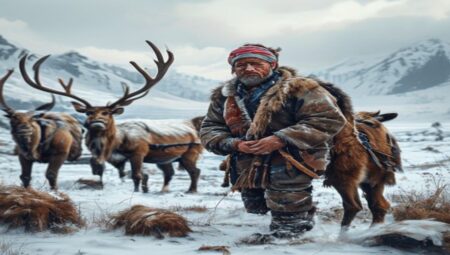
Sami Approaches to Living With Nature: A Comprehensive Guide
The Sámi people have developed ecological strategies over centuries that align human activity with the rhythms of the Arctic and subarctic ecosystems. Their land management system relies on rotational grazing, where reindeer herds are moved across distinct seasonal pastures to prevent overgrazing and allow vegetation recovery. This migratory pattern follows established routes called leihtat, which connect summer highlands, autumn migration corridors, winter forests, and spring calving grounds. Each zone supports specific forage types and maintains soil moisture levels critical to peatland preservation.
- Resource extraction operates under strict customary laws that prioritize long-term yield over immediate harvest.
- Traditional fish weirs are constructed from locally sourced wood and positioned to allow juvenile salmon to pass downstream, ensuring population regeneration.
- Medicinal plant collection follows seasonal windows; birch sap is harvested in early spring when nutrient concentration peaks, while lichens like Cladonia species are gathered only after natural die-back to avoid depleting active growth tissue.
- Craftsmanship incorporates every usable component: sinew becomes thread, antlers transform into tools, and hides receive treatment through fermentation rather than chemical tanning.
Spiritual frameworks reinforce sustainable behavior. The concept of vuodje recognizes animals as collaborative partners rather than commodities. Hunting protocols require permission from the spirit of the land (Máttaráhkká) before entering new territories, a practice that naturally limits expansion into fragile zones. Knowledge transmission occurs through oral instruction and practical demonstration during seasonal migrations, where elders teach navigation by wind patterns, snow depth analysis, and animal tracking without reliance on written records or digital instruments.
Modern implementation integrates satellite telemetry with ancestral route mapping to monitor herd health and pasture degradation. Community-based monitoring networks document shifts in vegetation cycles and permafrost stability, feeding data into regional land-use policies. Educational programs now pair field expeditions with ecological modeling, ensuring younger generations understand both the cultural significance and scientific parameters of traditional practices.
Historical Context and Philosophical Foundations
The Sámi relationship with nature evolved over millennia across Sápmi, spanning northern Fennoscandia and the Kola Peninsula. Long before modern borders divided the region, Sámi communities developed adaptive strategies rooted in deep ecological observation. Reindeer husbandry emerged not as a static practice but as a dynamic system shaped by seasonal migrations, snow conditions, and pasture ecology. Fishing along Arctic rivers and coastal foraging further diversified subsistence patterns, each requiring precise knowledge of animal behavior, plant cycles, and weather shifts.
Philosophically, Sámi cosmology rejects the separation between humans and the environment. Landscapes are inhabited by spirits, and every mountain, lake, or forest holds relational significance. The traditional noaidi served as intermediaries who interpreted natural signs to maintain balance rather than dominate resources. This worldview embedded reciprocity into daily life: taking only what was needed, honoring animal sacrifices, and restoring depleted areas through controlled grazing and fallow periods.
- Ancient Sámi settlements date back to the Iron Age, with archaeological evidence showing early reindeer domestication around 500 CE.
- Medieval Scandinavian treaties recognized seasonal mobility rights, though these were systematically revoked during 18th-century state-building campaigns.
- Colonial forestry laws and agricultural mandates forced sedentarization, fracturing intergenerational knowledge transfer until mid-20th century resistance movements.
Historical records show systematic erosion of these practices during the 18th and 19th centuries when state policies enforced agriculture, taxation, and cultural assimilation across Scandinavian kingdoms. Land dispossession and language suppression disrupted transmission of ecological knowledge. Yet Sámi communities preserved core principles through oral tradition, joik singing, and seasonal rituals that encoded environmental ethics into collective memory. Contemporary Sámi land rights movements draw directly from these historical foundations, framing sovereignty not as territorial control but as custodianship grounded in mutual obligation to the ecosystem.
Core Principles of Traditional Ecological Knowledge
Traditional Ecological Knowledge operates through continuous environmental monitoring and direct resource interaction rather than isolated data collection. Practitioners develop ecological literacy by maintaining long-term presence within specific territories. Generational tracking of seasonal transitions, wildlife movements, vegetation cycles, and atmospheric patterns creates comprehensive environmental baselines. This information accumulates through deliberate practice and oral instruction that prioritizes tactile experience alongside theoretical understanding. Field navigation techniques, harvesting protocols, and weather prediction methods transfer directly from experienced elders to younger community members through guided observation.
Sustainability functions as the operational foundation rather than a secondary consideration. Extraction limits derive from calculated population dynamics and habitat recovery rates observed across decades. Every resource collection activity incorporates replacement mechanisms that maintain ecological equilibrium. Management strategies operate on multi-generational timeframes where immediate yield remains subordinate to long-term system stability. This temporal perspective prevents overexploitation by embedding conservation directly into daily decision-making processes.
Reciprocity governs the interaction between communities and landscapes. Human activities generate measurable ecological responses that subsequently determine community viability. This continuous feedback loop requires constant adjustment based on environmental indicators. Practitioners interpret subtle signals such as snow density, avian behavior, and plant phenology to modify movement routes, grazing schedules, and gathering locations. Static protocols fail when ecosystems shift due to climate variability or natural disturbances, making adaptive response essential.
Knowledge transmission follows structured mentorship pathways that integrate cultural values with ecological mechanics. Mentorship occurs alongside practical tasks where theoretical concepts merge with hands-on application. Linguistic precision develops around environmental features, creating specialized descriptive systems for terrain conditions, weather patterns, and biological states. This vocabulary ensures accurate communication regarding resource availability and safety parameters across generations.
- Place-Based Observation: Continuous monitoring of specific territories detects micro-changes that broad-scale surveys miss.
- Intergenerational Mentorship: Skill transfer occurs through guided practice under expert supervision rather than institutional curricula.
- Reciprocal Resource Management: Harvesting protocols align extraction rates with natural regeneration cycles and habitat capacity.
- Adaptive Decision Making: Real-time environmental indicators trigger immediate adjustments to land use strategies and movement patterns.
These frameworks establish self-sustaining systems where human activity reinforces ecological processes. The integration of cultural values with environmental mechanics produces resilient communities capable of navigating uncertainty without external intervention.
Land Stewardship and Resource Management Practices
The Sámi concept of land stewardship operates on a foundation of reciprocal exchange rather than ownership. Generations of continuous observation have produced a highly localized ecological framework that dictates resource extraction, seasonal movement, and habitat preservation across the northern taiga and tundra biomes. This system prioritizes long-term landscape resilience over short-term yield, embedding conservation directly into daily subsistence routines.
Reindeer herding remains the central pillar of this management model. Herders follow established migration corridors that rotate annually based on lichen cover, snow depth, and predator activity. These routes function as natural pressure valves that prevent overgrazing in sensitive valleys while allowing dormant pastures to regenerate. During winter months, restricted grazing zones protect fragile ground vegetation from trampling during deep snow conditions. Summer calving grounds receive strict seasonal closures, ensuring minimal human interference during critical reproductive windows.
- Rotational Pasture Allocation: Herds are divided into seasonal units that shift across defined territories, allowing lichen beds and moss layers to recover for three to five years before reoccupation.
- Targeted Fire Management: Low-intensity controlled burns clear underbrush, stimulate new forage growth, and reduce catastrophic wildfire risk in dry summer periods.
- Hydrological Stewardship: Rivers and lakes are managed through seasonal fishing restrictions, ice thickness monitoring protocols, and strict limits on net placements to preserve spawning populations.
- Communal Monitoring Networks: Local herding districts maintain real-time observation systems that track wildlife movements, vegetation health, and climate anomalies, adjusting grazing pressure accordingly.
Knowledge transmission occurs through direct field instruction rather than formal documentation. Young herders learn to read bird flight patterns for weather shifts, interpret reindeer hoof prints for snow density, and identify medicinal plants by microhabitat placement. This embodied expertise ensures that management decisions adapt dynamically to environmental fluctuations without relying on centralized directives. Contemporary land use conflicts often arise when external industrial projects override these customary boundaries, yet the underlying framework remains highly effective at maintaining biodiversity hotspots across Sápmi. Integrating these traditional protocols with modern GIS mapping and satellite vegetation tracking has strengthened resource allocation accuracy while preserving cultural continuity.
Reindeer Herding Cycles and Seasonal Migration Routes
The seasonal rhythm of Sami reindeer herding operates on a precise ecological calendar that aligns human activity with reindeer biology and tundra vegetation cycles. Each phase demands specific interventions, from veterinary care to territorial adjustments, ensuring herd survival across extreme Arctic conditions. Spring activities center on the calving grounds, typically located in sheltered valleys or coastal plains where early snowmelt provides tender forage. Herders monitor parturition closely, assisting weak calves and marking newborns with traditional ear cuts that serve as generational ownership records. The timing of these migrations depends heavily on snowpack depth and ground temperature, requiring continuous field observation rather than fixed calendar dates.
Summer pastures shift toward elevated duottar plateaus and inland highlands where cooler temperatures reduce insect pressure. This phase prioritizes fat accumulation and herd expansion, with calves developing independence while adults graze on lichen-rich mosses and dwarf shrubs. Herders rotate through historical grazing zones to prevent overgrazing, relying on generational knowledge of soil composition and plant recovery rates. Autumn transitions trigger the rutting period, where bulls compete for mating rights before the mass movement begins. Reindeer instinctively follow ancient corridors toward winter forests, navigating by topographical landmarks, magnetic fields, and wind patterns. Modern mapping technologies now supplement traditional wayfinding, yet the core route network remains unchanged for centuries.
Winter pastures within coniferous zones provide critical shelter from blizzards and access to under-snow lichen beds. Herders establish temporary enclosures near riverbanks or ridge lines, managing feed distribution during deep snow conditions. Continuous monitoring of herd condition, parasite loads, and calf survival rates dictates annual breeding selections and territorial boundaries. Climate volatility increasingly disrupts these cycles, forcing adaptive adjustments in migration timing and pasture rotation schedules. Sustainable land management requires balancing traditional ecological metrics with contemporary environmental data to preserve both cultural heritage and ecosystem integrity.
Navigation across these routes relies on skattjarga markers and cairns placed at critical junctions, guiding both animals and handlers through unmarked terrain. Historical grazing agreements between northern communities established seasonal rights that prevented territorial conflicts, a system still referenced in modern land-use planning. Contemporary herders utilize satellite imagery and drone surveys to assess vegetation health, integrating remote sensing data with oral histories of pasture degradation. This hybrid approach maintains route continuity while addressing infrastructure encroachment from mining operations and renewable energy projects. Adjustments to migration windows now occur earlier or later depending on ice formation patterns along rivers, demonstrating how ancestral knowledge adapts without losing its foundational principles.
Forest Ecosystem Maintenance and Plant Harvesting Techniques
The Sami relationship with boreal forests operates on a foundational principle of reciprocal stewardship rather than resource extraction. Traditional land management prioritizes long-term ecological stability through low-impact practices that preserve soil structure, mycorrhizal networks, and understory diversity. Foresters within Sámi communities historically mapped forest zones using natural indicators such as lichen succession patterns, reindeer grazing trails, and water table fluctuations. This spatial awareness dictated where harvesting could occur without disrupting regeneration cycles.
Plant harvesting protocols follow strict seasonal windows aligned with phenological markers. Berries like cloudberry and lingonberry are hand-plucked only after frost exposure, which naturally concentrates sugars and reduces microbial spoilage. Mushrooms undergo selective collection where mature fruiting bodies are removed while stipes remain embedded to sustain spore dispersal. Harvesters utilize bone or antler knives that cut cleanly without tearing bark, preventing pathogen entry in surrounding trees. Every gathering site maintains a mandatory fallow period, typically ranging from three to seven years, allowing nutrient recovery and fungal colonization.
- Root system preservation: Tubers and rhizomes are excavated using controlled prying motions that avoid fracturing the primary taproot, ensuring regrowth in the following season.
- Canopy gap maintenance: Fallen timber is prioritized over live trees for construction and fuel. When standing deadwood is unavoidable, only branches exceeding four meters in length are removed to maintain habitat continuity for cavity-nesting species.
- Sacred landscape integration: Harvesting boundaries exclude sieidi sites and old-growth stands where ancient birch or pine formations regulate microclimate stability. These zones function as natural seed banks and genetic reservoirs for surrounding managed areas.
Modern implementation of these methods integrates with certified sustainable forestry frameworks while retaining indigenous monitoring metrics. Field teams track canopy closure rates, understory biomass accumulation, and reindeer lichen bed recovery to adjust harvest quotas dynamically. This adaptive management model demonstrates how traditional ecological knowledge can inform contemporary conservation strategies without compromising commercial viability or biodiversity thresholds.
Biodiversity Conservation and Ecological Balance
The Sámi relationship with Arctic and subarctic ecosystems operates on reciprocal stewardship rather than resource extraction. Continuous land use across Sápmi has generated a functional framework for biodiversity maintenance where human activity acts as an ecological driver. This system depends on precise understanding of keystone species dynamics, primarily through reindeer husbandry, which directly regulates vegetation structure, soil aeration, and nutrient distribution across expansive terrain.
Core mechanisms sustaining ecological balance include:
- Mosaic landscape management: Rotational grazing patterns prevent localized overgrazing while accelerating organic matter decomposition. Reindeer hooves fracture compacted snowpack, improving winter forage accessibility and naturally mitigating avalanche formation, which redistributes nutrients across topographic gradients.
- Population-based harvest protocols: Traditional quotas reference herd body condition, seasonal fat reserves, and calf survival metrics rather than fixed numerical limits. These indicators are documented through oral tracking systems that detect phenological shifts weeks before remote sensing captures them.
- Invasive species suppression: Targeted grazing pressure and controlled low-intensity burns inhibit non-native shrub expansion in tundra zones. Sámi herders map microrefugia where native lichens and mosses regenerate rapidly when excluded during critical reproductive windows.
- Hydrological corridor preservation: Pasture boundaries align with natural drainage networks rather than political lines. This maintains peatland hydrology, which stores carbon at densities surpassing boreal forests while providing essential breeding grounds for amphibians and ground-nesting avian species.
Ecosystem resilience emerges from this distributed knowledge network. Reducing grazing intensity during spring calving periods stabilizes lemming populations, which directly regulates predator dynamics involving Arctic foxes and snowy owls. Summer pasture configuration creates thermal refuges for ground-nesting birds while allowing alpine willow thickets to recover. Modern conservation science increasingly validates that these practices do not merely protect isolated species; they engineer functional habitats through low-intensity, high-frequency landscape manipulation.
Contemporary land-management disputes frequently originate from conflicting wilderness definitions. Sámi ecological balance rejects static preservation in favor of dynamic stewardship. Integration of GPS herd telemetry with satellite-derived NDVI indices now confirms traditional indicators, demonstrating that biodiversity conservation succeeds when indigenous governance structures operate as active habitat architects rather than passive environmental observers.
Symbiotic Interactions Within Arctic and Subarctic Habitats
Arctic and subarctic ecosystems operate under severe physiological constraints, yet they sustain complex symbiotic networks that drive nutrient cycling and primary production. Crustose lichens represent one of the most resilient partnerships in these zones, combining fungal hyphae with photobionts such as Trebouxia algae or cyanobacteria. The fungal structure provides thermal insulation and moisture retention, while the photobiont supplies carbohydrates through limited photosynthetic windows. This mutualism enables colonization of bare rock and permafrost surfaces where soil development remains minimal.
- Mycorrhizal associations dominate tundra root systems, forming extensive underground networks that connect dwarf shrub species like Salix and Betula nana. These hyphal extensions dramatically increase phosphorus uptake efficiency in frozen soils where microbial activity remains suppressed during extended winter periods.
- Nitrogen-fixing symbioses occur between actinorhizal plants, particularly alder (Alnus), and Frankia bacteria. Root nodules develop specialized compartments that maintain anaerobic conditions necessary for nitrogenase enzyme function, directly enriching nutrient-poor substrates without external fertilizer inputs.
- Gut microbiome dependencies in large herbivores such as caribou (Rangifer tarandus) rely on specialized rumen bacteria and protozoa to ferment lignin-rich lichen biomass. This fermentation process yields volatile fatty acids that sustain metabolic demands during winter months when forage availability drops below critical thresholds.
Pollinator-plant synchrony in subarctic regions demands precise phenological alignment. Bumblebee queens emerge simultaneously with early-blooming Dryas octopetala and willow species, relying on nectar carbohydrates to fuel egg development while transferring pollen across fragmented landscapes. Disruption of this temporal coordination reduces seed set by nearly forty percent in isolated populations. Permafrost thaw alters soil moisture gradients, forcing microbial communities to restructure around newly exposed organic matter. Methanogenic archaea establish syntrophic relationships with hydrogen-producing bacteria, converting complex polysaccharides into methane under anaerobic saturation. These microbial partnerships dictate carbon flux dynamics across thousands of square kilometers. Thermal buffering within moss carpets creates microclimates that protect root tip meristems from freeze-thaw cycles. The physical matrix retains liquid water films even when ambient temperatures fall below negative fifteen degrees Celsius, enabling continued solute diffusion and ion exchange. Symbiotic resilience in these biomes depends on biochemical adaptations including antifreeze glycoproteins, compatible solutes, and delayed senescence pathways that extend photosynthetic efficiency beyond typical growing seasons.
Validation of Indigenous Methods in Contemporary Environmental Research
Traditional Sami ecological knowledge operates through generational observation, seasonal tracking, and landscape-specific land management practices that prioritize symbiotic resource allocation. Contemporary environmental research has systematically integrated these methodologies by deploying rigorous validation frameworks that bridge ethnographic documentation with quantitative ecological modeling. Academic institutions and conservation agencies now utilize geospatial analysis to map historical reindeer migration routes against satellite-derived vegetation indices, confirming that traditional grazing calendars align precisely with optimal forage recovery periods. Phytochemical laboratories cross-reference Sami botanical classifications with molecular taxonomy, revealing that centuries-old plant usage protocols correspond directly to documented antimicrobial and anti-inflammatory compounds. Meteorological departments validate ancestral seasonal forecasting through long-term climate datasets, demonstrating that community-led environmental indicators—such as ice thickness measurements and wind pattern recognition—predict microclimate shifts with measurable accuracy.
Validation occurs through structured interdisciplinary pipelines. Peer-reviewed journals now mandate co-authorship protocols that position knowledge holders as equal research partners rather than data sources. Field ecologists employ participatory monitoring systems where traditional land stewards record soil moisture, lichen growth cycles, and predator activity using standardized digital interfaces. These datasets feed into machine learning models that detect ecological thresholds previously invisible to conventional sampling grids. Methodological rigor requires cross-triangulation between oral histories, archaeological site surveys, and remote sensing outputs. Researchers apply statistical error margins to traditional indicators, transforming qualitative observations into reproducible variables that satisfy peer-review standards. Funding bodies require transparent intellectual property agreements that protect communal knowledge while enabling open-access scientific dissemination. The integration process eliminates epistemological fragmentation by establishing shared terminology between academic researchers and indigenous practitioners. Conservation outcomes include adaptive wildlife corridors, precision restoration techniques, and early-warning systems for permafrost degradation. Regulatory agencies increasingly reference these validated frameworks when drafting land-use policies, ensuring that ecological interventions respect baseline biodiversity metrics established through continuous environmental stewardship.
Modern Challenges and Heritage Preservation Initiatives
The Sami relationship with Arctic ecosystems has historically been defined by cyclical land use, seasonal migration routes, and a deep understanding of microclimates that sustain reindeer herding, fishing, and gathering practices. Contemporary pressures have fractured these traditional rhythms. Rapid climate shifts alter snowpack stability and vegetation cycles, directly threatening the viability of pastoral livelihoods across Sápmi. Simultaneously, extractive industries, infrastructure expansion, and overlapping land claims introduce systemic friction between economic development mandates and indigenous territorial rights. These pressures extend beyond physical landscapes; they manifest in language attrition, where fewer youth acquire fluency in North, South, and Lule Sami dialects, accelerating the erosion of place-based ecological terminology.
Preservation frameworks have responded through multi-layered strategies. Legal recognition mechanisms, including the Norwegian Sámi Act, Swedish Reindeer Herding Act amendments, and Finnish Indigenous People’s Policy, attempt to formalize grazing corridors and consultation protocols. Cross-border cooperation via the Sámi Council coordinates policy alignment across state boundaries. Educational initiatives integrate traditional ecological knowledge into municipal curricula, pairing
Legal Frameworks for Indigenous Land Rights and Autonomy
Indigenous land rights in Northern Europe operate within a complex intersection of international treaties, national legislation, and customary law. The 1982 revision of the Norwegian Constitution explicitly recognizes the Sami people’s right to preserve and develop their language, culture, and way of life, which directly impacts territorial autonomy. Article 108 mandates state support for safeguarding Sami cultural heritage and natural resource management. Similarly, Sweden’s Mining Act requires consultation with the Sami Parliament before granting extraction permits, though actual veto power remains limited in practice.
- ILO Convention 169 ratified by Norway and Finland establishes free, prior, and informed consent as a baseline for resource development on ancestral territories.
- UN Declaration on the Rights of Indigenous Peoples (2007) reinforces self-determination principles, though non-binding status creates enforcement gaps across Nordic jurisdictions.
- National Sami Parliaments in Norway, Sweden, and Finland exercise advisory authority over land-use planning, yet legislative alignment with traditional ecological knowledge remains inconsistent.
Land ownership models diverge sharply from Western fee-simple systems. Instead, the Sami utilize a usage-right framework rooted in historical reindeer husbandry districts, fishing grounds, and hunting territories. The 1986 Norwegian Reindeer Husbandry Act grants exclusive grazing rights to registered herders, creating a legally recognized spatial boundary that intersects with state forestry and energy infrastructure projects. Judicial interpretations have increasingly acknowledged customary land management practices as valid legal evidence in property disputes.
Contemporary autonomy challenges center on resource extraction, climate-induced ecological shifts, and legislative fragmentation. Norway’s Finnmark Act transferred 95% of county land to the Finnmark Estate, granting local municipalities and Sami representatives joint decision-making authority over land and natural resources. Sweden and Finland lack equivalent comprehensive statutes, relying instead on case-by-case administrative reviews that frequently delay project approvals. Legal practitioners now prioritize mapping traditional land use through historical documentation, oral testimony, and GPS-traditional practice data to strengthen claims in regulatory hearings. International monitoring bodies continue to pressure Nordic governments to harmonize domestic resource laws with self-determination standards.
Integration of Traditional Stewardship into Sustainable Development Goals
Traditional ecological knowledge systems operate on intergenerational observation cycles that capture microclimatic shifts, species behavior patterns, and soil regeneration timelines. When these stewardship frameworks align with the United Nations Sustainable Development Goals, they transform abstract policy targets into actionable landscape management practices. SDG 15 explicitly recognizes indigenous land rights as critical to halting biodiversity loss, yet implementation requires moving beyond symbolic inclusion toward structural governance reform. Co-management agreements that grant communities decision-making authority over watersheds and grazing territories directly strengthen ecosystem resilience against industrial extraction pressures.
- Policy Alignment: Mapping seasonal migration routes to protected area boundaries ensures SDG 15 targets meet actual wildlife corridors rather than arbitrary political lines.
- Monitoring Frameworks: Community-led soil moisture tracking and reindeer herd health indicators provide hyperlocal data that satellite imagery alone cannot capture, directly supporting SDG 13 climate adaptation metrics.
- Economic Integration: Valuing non-timber forest products and pasture-based livelihoods within green finance mechanisms advances SDG 8 without triggering extractive conversion pressures.
Legal recognition of customary land tenure remains the primary bottleneck in scaling these approaches. When traditional stewards hold formal property rights, deforestation rates drop significantly compared to state-managed or privately held adjacent lands. This correlation strengthens SDG 5 gender parity objectives as women traditionally manage seed selection and medicinal plant harvesting, ensuring intergenerational knowledge transfer survives demographic transitions. Funding mechanisms must bypass centralized agricultural subsidies that favor monocultures, redirecting capital toward rotational grazing infrastructure, cold-storage cooperatives, and indigenous-led research stations.
Implementation requires hybrid monitoring systems that respect data sovereignty while feeding into global reporting structures. Traditional stewards should control how ecological observations are stored, shared, or aggregated for SDG 14 coastal management or SDG 6 freshwater accessibility metrics. When communities retain ownership of their environmental datasets, they prevent greenwashing by external contractors and maintain accountability to local carrying capacity thresholds rather than short-term yield targets.
Capacity building programs must prioritize technical literacy alongside cultural preservation, enabling stewards to interface with satellite GIS tools, carbon credit verification protocols, and international funding applications. Joint management boards that include elders alongside environmental scientists create decision-making matrices that balance ecological baselines with adaptive harvesting windows. These institutional designs directly accelerate SDG 17 partnership frameworks by establishing measurable, culturally grounded cooperation models that other regions can replicate without extracting knowledge or displacing communities.
Frequently Asked Questions
What is Sami Approaches to Living With Nature?
Sami Approaches to Living With Nature refer to the traditional ecological knowledge, practices, and sustainable lifestyles of the Sámi people, indigenous to the Arctic regions of Norway, Sweden, Finland, and Russia. These approaches emphasize deep respect for the environment, seasonal reindeer herding, fishing, hunting, and gathering, all guided by a holistic understanding of ecosystems and a commitment to preserving biodiversity for future generations.
Key facts about Sami Approaches to Living With Nature
Key facts include: (1) The Sámi have inhabited the Arctic region for thousands of years, developing highly adaptive survival strategies. (2) Their livelihoods traditionally revolve around reindeer herding, which requires extensive knowledge of grazing lands and migration routes. (3) They practice sustainable resource management without written texts, relying on oral tradition and close observation of nature. (4) Their cultural identity is deeply intertwined with the landscape, viewing humans as part of nature rather than separate from it. (5) Modern Sámi communities continue to advocate for land rights and environmental conservation based on these ancestral principles.