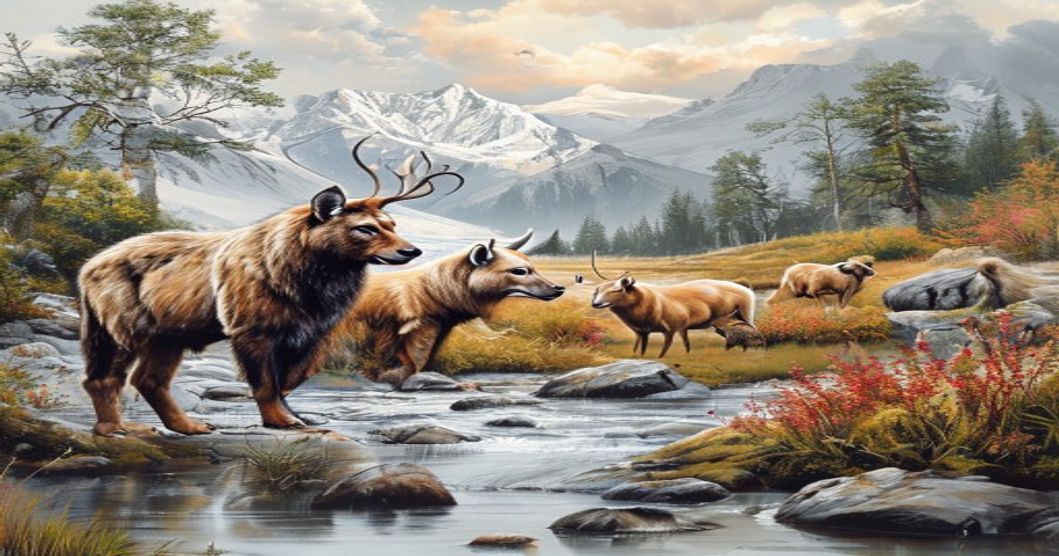
Sami Art Inspired by Nature and Wildlife
The artistic traditions of the Sámi people operate as a documented ecological record rather than a decorative practice. Every visual element in traditional and contemporary Sámi work encodes survival data, seasonal markers, and habitat relationships. Reindeer herding cycles directly dictate the structural geometry found on clothing, tools, and ceremonial objects. Materials such as antler, bone, birch bark, and cured leather are processed through closed-loop techniques where waste is eliminated and every component serves functional or symbolic purposes. The absence of synthetic inputs ensures that color palettes shift naturally with daylight duration, moisture levels, and seasonal decay.
Wildlife representation in Sámi art prioritizes behavioral accuracy over anatomical precision. Animals including the moose, Arctic fox, wolverine, golden eagle, and ptarmigan appear as recurring visual anchors, each mapped to specific migration routes, predator-prey dynamics, and mythological frameworks. Spiral and cross motifs frequently carved into duodji items do not function as abstract decoration; they translate celestial navigation points, snow accumulation patterns, and terrain features that guide herd movement. When an artist shapes a lynx silhouette onto a knife handle or weaves reindeer antler fragments into a belt buckle, they are transmitting generational knowledge about track reading, wind direction analysis, and environmental threshold monitoring.
- Pigment Extraction: Natural dyes derived from lichen, cloudberry leaves, and iron-rich soil produce hues that change predictably under Arctic sunlight and humidity.
- Motif Translation: Animal forms are reduced to movement lines and weight distribution markers, reflecting how herders and hunters interpret posture changes in distant game.
- Habitat Documentation: Contemporary creators overlay historical beadwork patterns with satellite-derived vegetation maps, creating visual archives of shifting permafrost boundaries and caribou grazing zones.
Modern Sámi practitioners maintain this ecological documentation system while addressing rapid environmental transformation. Altered snowpack stability, disrupted migration corridors, and changing predator territories have converted traditional wildlife motifs into active research tools. Exhibition works now frequently combine hand-carved antrel reliefs with thermal imaging prints, establishing layered compositions that track species displacement alongside cultural adaptation strategies. This methodology ensures nature-driven Sámi art functions as a living environmental index rather than a static historical reference.
Defining the Intersection of Sami Culture and Wildlife Themes
The artistic output of the Sami people emerges from a deeply ingrained ecological consciousness that treats wildlife not as distant subjects but as co-inhabitants of a shared Arctic landscape. Traditional Sami aesthetics operate through a framework where survival, spirituality, and craftsmanship converge. Every carved reindeer antler, stitched fur garment, or painted wooden bowl reflects decades of observation regarding animal migration patterns, seasonal behavior, and environmental adaptation. This relationship dictates material selection, tool fabrication, and compositional structure across generations.
Material sourcing follows strict ecological protocols. Artisans prioritize naturally shed antlers, fallen birch branches, and ethically harvested hides to maintain balance within fragile tundra ecosystems. The resulting visual language relies heavily on stylized geometry rather than literal realism. Wolf silhouettes fracture into interlocking triangles. Reindeer hooves translate into repeating diamond patterns. Bird flight paths become continuous sinuous lines that mirror wind currents across frozen lakes.
- Duodji craftsmanship integrates functional utility with symbolic representation, ensuring every piece serves practical nomadic needs while preserving ecological narratives.
- Joik vocal traditions document animal movement and habitat shifts, translating auditory observation into rhythmic structures that later inspire textile weaving and metalwork motifs.
- Shamanic drum iconography maps spiritual territories where reindeer herds, polar foxes, and migratory birds occupy sacred coordinates within cosmological frameworks.
Contemporary practitioners maintain these historical connections through regulated resource management and cross-generational mentorship programs. Modern exhibitions increasingly emphasize how wildlife depictions function as ecological records rather than decorative elements. Digital archiving initiatives preserve pattern libraries while physical workshops teach precise cutting techniques that prevent material waste. The continuous dialogue between human communities and Arctic fauna ensures that artistic evolution never severs its foundational dependence on environmental observation.
Historical Roots of Nature-Centric Indigenous Art
The artistic traditions of the Sámi people emerged thousands of years ago across the Arctic and subarctic regions of Fennoscandia, shaped entirely by survival, seasonal migration, and a profound ecological reciprocity. Long before formal art institutions existed, Sámi craftsmen embedded cosmological understanding into everyday objects. Reindeer antler knives, birch-bark containers, and wooden utensils were not merely functional; they carried intricate carvings that mapped celestial movements, animal behavior, and territorial boundaries. These visual records functioned as both practical guides and spiritual anchors, ensuring knowledge transfer across generations without written documentation.
Material selection dictated aesthetic development in this historical context. Artists worked exclusively with locally sourced resources: reindeer bone, antler, walrus ivory, pine wood, and cured hide. Each medium required specialized cold-working techniques that preserved structural integrity while allowing fine line work. Geometric patterns emerged through repetitive tool movements, later evolving into fluid spiral forms that mirrored reindeer migration routes and water currents. Animal depictions followed strict anatomical observation rather than artistic idealization, prioritizing accurate representation of hooves, antler branching, and movement dynamics essential for hunting rituals and trap construction.
- Paleolithic to Neolithic Transition: Early rock carvings across the Kola Peninsula and Norwegian coast established foundational motifs that persisted through millennia of cultural adaptation.
- Shamanic Drum Integration: Between the 12th and 17th centuries, ritual drums combined painted landscapes, celestial grids, and spirit animal silhouettes into unified cosmological maps used during sieidi worship.
- Colonial Period Suppression: Missionary campaigns and state assimilation policies systematically restricted traditional carving practices, forcing artisans to encode ecological knowledge within domestic objects rather than ceremonial pieces.
- 20th Century Revival: Museum acquisitions and cross-border cultural exchanges reintroduced historical techniques, allowing contemporary practitioners to reconstruct lost carving sequences while maintaining authentic material processing methods.
Environmental constraints directly shaped compositional logic. Limited daylight during polar winters compressed creative output into concentrated periods, fostering highly efficient mark-making systems that prioritized depth over surface decoration. Wind patterns, snow drift formations, and lichen growth cycles informed texture replication techniques still referenced in modern Sámi textile weaving and leather embossing. The historical trajectory demonstrates how ecological necessity birthed a visual language where every curve, incision, and pigment application served dual purposes: immediate utility and long-term cultural continuity.
Core Principles Guiding Contemporary Sami Wildlife Artists
Contemporary Sámi wildlife artists operate within a framework deeply rooted in centuries-old ecological knowledge, spiritual cosmology, and community-based transmission of craft. Their work does not merely depict animals; it functions as a visual archive of survival strategies, seasonal migration patterns, and symbiotic relationships between humans, reindeer, foxes, birds, and marine mammals. The guiding principles emerge from lived experience rather than academic abstraction, prioritizing accuracy, respect, and continuity over commercial appeal.
- Ecological Reciprocity: Artists document hunting practices, reindeer husbandry cycles, and predator-prey dynamics with scientific precision while maintaining cultural sensitivity. Patterns and compositions reflect observed behavior rather than romanticized fantasy, ensuring each piece aligns with actual habitat conditions.
- Ancestral Epistemology: Knowledge passes through generational lineages via duodji (traditional craft), noaidi (shamanic traditions), and oral storytelling. Modern practitioners integrate these frameworks using digital tools, mixed media, and installation formats without diluting core meanings or stripping contextual layers.
- Spiritual Animism: Wildlife is treated as kin rather than subject matter. Artworks encode metaphysical connections through geometric motifs, color symbolism tied to natural cycles, and deliberate asymmetry that mirrors organic growth patterns found across Arctic ecosystems.
- Material Integrity: Traditional substrates like reindeer hide, birch bark, antler, and wool remain foundational even when artists experiment with acrylics or screen printing. Surface texture and tactile quality carry cultural weight equal to visual composition, preserving tactile memory.
- Cultural Advocacy: Contemporary works frequently address land rights, climate disruption, and linguistic preservation. Wildlife imagery becomes a vector for political resonance, transforming aesthetic practice into active stewardship of vulnerable ecosystems.
The synthesis of these principles ensures that each piece functions simultaneously as artistic expression, ethnographic record, and ecological warning. Artists prioritize observational fidelity over market trends, often collaborating with elders, biologists, and land managers to verify behavioral accuracy. This methodological rigor prevents cultural appropriation while elevating Sámi wildlife art into a globally recognized discipline of place-based knowledge production.
Traditional Mediums: Wood, Bone, Antler, and Birch Bark
Sámi artisans have historically relied on materials directly harvested from the Arctic and sub-Arctic ecosystems to create functional and ceremonial objects. Wood carving forms the foundation of this craft, with birch, pine, and juniper being the most frequently utilized species. Artisans carefully select straight-grained timber, often air-drying it for months to prevent warping before initiating detailed work. The natural oils in juniper wood provide inherent resistance to decay, making it ideal for tools and decorative items exposed to harsh climates.
Bone and antler require meticulous cleaning and soaking to remove organic residues, followed by slow drying to achieve a smooth, ivory-like finish. Antler is particularly prized for its layered structure, which allows artisans to carve intricate wildlife motifs while maintaining structural integrity. Carving tools range from traditional bone knives to modern steel chisels, each serving specific purposes in shaping curved animal figures or geometric patterns characteristic of Sámi design.
- Wood Preparation: Kiln-free air drying prevents internal stress fractures and ensures dimensional stability during fine detailing.
- Bone Processing: Controlled soaking in freshwater removes marrow and collagen, reducing future cracking and enabling precise grain carving.
- Antler Shaping: The dense outer cortex supports high-relief wildlife carvings, while the porous inner matrix allows for textured background patterns.
- Birch Bark Treatment: Boiling strips lignin temporarily, granting pliability for weaving tight geometric lattices without splitting.
Birch bark offers a unique medium for both weaving and carving. Freshly stripped layers are softened through boiling, then pressed flat or woven into intricate baskets, containers, and decorative panels. The material’s natural flexibility enables seamless integration with wooden frames, creating lightweight yet durable objects that have sustained generations of nomadic herders. Each medium carries distinct tactile qualities and visual characteristics that directly influence the final composition. Natural grain patterns in wood often dictate the orientation of carved reindeer or bear figures, while antler density determines whether a piece will serve as a delicate ornament or a robust tool handle.
Historical preservation techniques involve smoking materials over controlled fires to enhance durability and impart subtle earthy tones. Contemporary practitioners continue these methods not merely for aesthetic continuity but to maintain ecological balance by harvesting sustainably from managed forests and natural animal molting cycles. The convergence of material science, ancestral knowledge, and environmental observation remains central to authentic Sámi craftsmanship today.
Modern Adaptations: Acrylics, Canvas, and Digital Interpretations
Contemporary practitioners of Sami visual culture have strategically transitioned from traditional substrates like reindeer hide, carved wood, and dyed wool to acrylic paints applied on stretched canvas. This material shift preserves the core aesthetic language—bold geometric borders, symbolic color palettes dominated by crimson, cobalt, and ochre, and intricate line work—while enabling greater durability and exhibition flexibility. Acrylics dry rapidly, allowing artists to layer translucent washes over opaque underpainting, a technique that mimics the atmospheric depth of tundra landscapes and Arctic night skies. The synthetic medium also supports precise edge control, essential for rendering the angular contours of mountain ranges and the fluid silhouettes of migrating caribou herds.
Canvas preparation plays a critical role in how these works age and interact with light. Artists frequently prime surfaces with gesso mixed with fine silica or marble dust to create a subtle tooth that catches light similarly to traditional birch bark. This tactile quality becomes especially relevant when depicting wildlife textures: the coarse guard hairs of arctic foxes, the layered scales of char fish, or the lichen-covered surfaces of reindeer antlers. The physical weight of the canvas also shifts the artwork from intimate ceremonial objects to large-scale environmental statements, often installed in gallery spaces where ambient lighting accentuates the interplay between flat geometric patterns and rendered natural forms.
Digital interpretation has further expanded the reach of Sami ecological themes. Vector-based software allows artists to isolate traditional motifs like the fylgja animal spirit or the eight-pointed star symbolizing the northern lights, then reconfigure them through algorithmic repetition, negative space manipulation, and color gradient mapping. Screen-printed acrylic transfers and mixed-media collages bridge hand-drawn sketching with digital precision, enabling rapid prototyping of compositions before final execution. Many contemporary creators document wildlife behavior in real time using tablet stylus layers, building complex ecosystems where reindeer, wolverines, and golden eagles occupy shared visual planes without relying on traditional narrative framing.
- Material Longevity: Archival acrylic binders prevent yellowing, ensuring ecological color accuracy across decades of display.
- Digital Workflow Integration: Layer masking and vector scaling allow precise adaptation of traditional duodji patterns to high-resolution prints without pixel degradation.
- Evidence-Based Composition: Artists overlay field data such as migration corridors, seasonal bloom maps, and predator movement trails onto digital canvases before committing to final paint applications.
The integration of sustainable acrylic formulations and archival-grade digital printing ensures that these modern adaptations resist UV degradation and color shift, preserving ecological narratives for long-term institutional display. Artists frequently annotate their process notes with coordinates of observed animal migration routes or botanical bloom cycles, transforming each piece into a documented intersection of ancestral observation and contemporary material science. This methodological rigor keeps the work rooted in land-based knowledge while fully embracing current artistic infrastructure.
Sustainable Sourcing and Ethical Material Practices
The foundation of authentic Sami art rests on a centuries-old framework of ecological reciprocity. Artisans harvest reindeer antlers exclusively during natural molting periods, eliminating byproduct waste while preserving herd dynamics. Birch timber is extracted through rotational coppicing, allowing root systems to stabilize permafrost layers and prevent soil erosion in vulnerable tundra zones. Wild botanical materials, including lichens and mountain ash bark, are collected using age-old seasonal calendars that align with pollination cycles and seed dispersal windows. Contemporary workshops enforce strict chain-of-custody documentation, verifying each component through digital traceability platforms linked to indigenous land management authorities.
The Sámi Duodji certification process requires independent audits of harvest quotas, habitat restoration metrics, and fair compensation structures for local gatherers. Natural tanning methods replace synthetic chemicals; antler surfaces are treated with fermented moss extracts that prevent brittleness without introducing heavy metals into groundwater systems. Dye production relies on lichen-based pigments and berry infusions processed through low-temperature fermentation, eliminating volatile organic compound emissions. Climate adaptation protocols now include predictive modeling of reindeer migration routes to avoid overharvesting pressure during critical calving seasons. Artisans collaborate with botanical researchers to cultivate rare medicinal plants in controlled microclimates, reducing wild collection dependency.
- Harvest Compliance: All wildlife-derived components require GPS-tagged origin logs cross-referenced with regional conservation databases to prevent illegal poaching networks from infiltrating supply chains.
- Botanical Stewardship: Sustainable foraging follows strict yield limits, ensuring plant populations recover before subsequent collection cycles initiate in adjacent watersheds.
- Processing Standards: Mechanical carving utilizes water-cooled diamond abrasives that capture particulate matter, preventing airborne contaminants from settling in sensitive alpine ecosystems.
- End-of-Life Management: Finished pieces incorporate removable natural adhesives, enabling complete material separation and industrial composting at project decommissioning.
This systematic approach transforms material acquisition into a continuous conservation cycle. Every production stage follows a zero-waste hierarchy: fragmented wood becomes fuel for kilns, offcuts are compressed into biodegradable packaging, and organic residues undergo aerobic composting to regenerate mining-affected soils. By prioritizing traceability over volume, current production models protect endangered botanical species while sustaining traditional knowledge transmission across generations.
Key Motifs and Symbolism in Sami Wildlife Creations
The visual language of Sámi wildlife art operates through a deeply rooted symbolic system that translates ecological observation into cultural narrative. Reindeer dominate this iconography not merely as a subject but as a foundational motif representing survival, migration cycles, and the inseparable bond between the artist and the tundra landscape. The antlers are frequently rendered with geometric precision, symbolizing both physical strength and spiritual navigation through harsh seasonal transitions.
- Bear imagery carries profound shamanic weight in traditional duodji and drum designs. Historically depicted in dynamic poses or stylized circular forms, the bear embodies protective energy, ancestral memory, and the delicate balance between human activity and wild territory.
- Arced birds, particularly the snowy owl and Arctic fox, appear as liminal symbols. Their curved necks and sweeping wings mirror wind patterns across Sápmi, functioning in folk tradition as messengers between the physical realm and spiritual guides.
- Fish motifs embedded in silverwork or woolen textiles reference river systems and lake ecology. These designs emphasize cyclical renewal, subsistence knowledge, and the seasonal rhythms that dictate Sámi livelihoods.
Sámi wildlife representations rarely prioritize anatomical accuracy over symbolic resonance. Artists manipulate proportion and line weight to emphasize movement, migration routes, and environmental interdependence. Cross-hatching patterns often denote snow cover or reindeer herd density, while asymmetrical curves reflect natural erosion and wind-sculpted terrain. Contemporary creators maintain this semiotic framework by integrating historical glyph structures with modern material techniques, ensuring that each motif remains a functional carrier of ecological and spiritual continuity rather than decorative abstraction.
Textile applications further encode wildlife symbolism through color theory and stitch density. Indigo-dyed wool backgrounds historically represent night skies or deep water, while red ochre threads trace bloodlines, migration paths, and seasonal vitality. The placement of animal figures follows strict compositional rules: motifs are aligned along horizontal axes to mimic horizon lines, and negative space is calculated to prevent visual clutter, mirroring the Sámi practice of reading landscapes for subtle environmental shifts. This disciplined approach ensures that every line carries diagnostic or devotional function, transforming wearable art into a living archive of ecological knowledge.
Reindeer, Wolves, and Arctic Foxes: Cultural Significance
The reindeer occupies the absolute center of Sami artistic expression, functioning as both a practical lifeline and a profound spiritual symbol across generations. Traditional duodji craftsmanship transforms antlers, hide, and sinew into functional objects adorned with intricate geometric patterns that mirror migration routes and seasonal cycles. These motifs are not merely decorative; they encode ecological knowledge passed down through oral tradition, ensuring that environmental awareness remains embedded in daily life.
Wolves appear in Sami visual culture as dynamic embodiments of wilderness resilience. Rather than portraying them as adversaries, artists capture their pack formations and predatory grace to illustrate balance within the tundra ecosystem. Silverwork and wood carvings frequently depict wolves in motion, emphasizing their role as spiritual messengers who navigate between the human world and the realm of ancestral spirits. Contemporary Sami creators continue this lineage by integrating wolf imagery into mixed media installations that comment on conservation and territorial boundaries.
- Reindeer motifs dominate fiber arts, where dyed wool threads map out calving grounds and winter pastures through color blocking and cross-stitch techniques.
- Wolf depictions utilize sharp angular cuts in driftwood to convey speed and territorial awareness, reflecting historical hunting practices and respect for the animal.
- Arctic fox designs incorporate fluid curves and layered beadwork to represent seasonal camouflage, mirroring the creature’s survival adaptations across frozen landscapes.
The Arctic fox completes this triad of cultural iconography by symbolizing adaptability and quiet endurance. Its dual-toned fur inspires contrast-based embroidery patterns, while its nocturnal hunting behavior informs rhythmic designs in drum painting and ceremonial regalia. Folklore surrounding the fox often ties it to weather prediction and successful foraging, making it a recurring element in both utilitarian tools and spiritual artifacts. Together, these three species form a cohesive visual vocabulary that communicates Sami ecological philosophy, ensuring that wildlife representation remains deeply tied to identity rather than mere aesthetic choice.
Seasonal Cycles and Landscape Representations
Sami artistic practice operates as a continuous visual record of Arctic environmental rhythms, where seasonal transitions dictate both material availability and symbolic vocabulary. The community’s historical reliance on reindeer husbandry, hunting, and fishing requires precise ecological observation, which translates directly into compositional structure. Artists map photoperiod shifts, snow depth variations, and migratory patterns onto textiles, wood carvings, and duodji crafts without relying on literal representation. Instead, they employ geometric abstraction to encode temporal markers. Spring compositions frequently feature elongated diagonal lines that mimic thawing river channels and the forward momentum of reindeer herds. Summer pieces integrate high-contrast yellow and white threads to replicate continuous daylight conditions, while wildlife motifs shift toward active foraging behaviors rather than static poses.
Autumn and winter cycles demand a different structural approach. Carvers transition from flexible birch root to dense moose or elk antler, selecting materials that resist fracturing under extreme cold. Color palettes compress into deep blues, charcoal grays, and rust tones that mirror the diminishing solar angle and tundra vegetation decay. Landscape representation becomes topographical rather than pictorial. Artists stitch parallel ridges to denote frost lines, use cross-hatching for ice crystal formation, and position animal figures along calculated sightlines that reflect actual hunting grounds. The midnight sun phase introduces unique lighting dynamics; artisans manipulate thread tension and wood grain orientation to simulate directional shadow casting without utilizing perspective techniques common in Southern European painting traditions.
- Spring motifs prioritize fluid curves and ascending vertical elements that document snowmelt progression and calving season movements.
- Summer representations utilize high-saturation botanical patterns alongside active fauna silhouettes to capture peak biological productivity.
- Autumn compositions emphasize diagonal stress lines, earth-tone gradients, and condensed herding formations that reflect migration preparation.
- Winter documentation relies on dense cross-stitch density, dark substrate dominance, and isolated predator-prey positioning to convey survival thresholds.
Landscape integration extends beyond surface decoration. Artisans analyze drainage patterns, wind-sculpted snowdrift formations, and permafrost topography to determine structural reinforcement points in functional objects. A sled runner or knife handle does not merely display seasonal imagery; its curvature follows actual terrain gradient data used during historical travel routes. This geometric fidelity ensures that decorative elements function simultaneously as environmental navigation tools. Contemporary practitioners maintain this methodology while introducing archival color analysis and satellite-derived vegetation indices to verify traditional pattern accuracy. The resulting work operates as both aesthetic output and ecological documentation, preserving microclimatic knowledge through tactile craftsmanship rather than textual records.
Spiritual and Mythological Elements in Contemporary Works
Contemporary Sami artists systematically translate ancestral cosmology into visual frameworks that bridge pre-industrial belief systems and modern ecological discourse. The figure of the noaidi remains a central archetype, depicted through layered textiles and resin sculptures that map shamanic drum patterns onto geometric compositions. These works do not merely reference ritual objects; they reconstruct the spatial logic of spirit journeys across tundra landscapes.
- Sacred stones (sieidi) appear as fragmented monoliths in mixed-media installations, emphasizing territorial memory and legal claims to ancestral grazing grounds.
- Reindeer antlers are deconstructed into structural grids, mirroring migration routes encoded in traditional joik melodies that function as oral cartography.
- Avian and predatory motifs, particularly the white-tailed eagle and wolverine, operate as guardians of liminal spaces between seasonal collapse and renewal.
Modern practitioners deliberately avoid romanticized interpretations. Instead, they employ algorithmic pattern generation alongside traditional duodji techniques to replicate how mythological narratives adapt under rapid environmental shifts. The aurora borealis frequently serves as a chromatic bridge, rendered through iridescent mineral pigments that shift with ambient light, symbolizing the permeable boundary between material existence and ancestral guidance.
Critical analysis confirms these pieces function as archival resistance. By embedding sacred geometry within gallery-scale installations, artists assert Indigenous epistemologies against homogenized Nordic cultural narratives. Wildlife depictions remain strictly non-anthropomorphic, preserving ecological autonomy rather than projecting human sentiment onto fauna. Digital projections often overlay historical drum skins with real-time satellite weather data, creating interactive environments where mythological timeframes intersect with contemporary climate metrics.
The integration of these elements requires rigorous ethnographic research and community consultation. Artists frequently collaborate with elders to verify symbolic accuracy before translating sacred motifs into public-facing mediums. This methodology ensures that spiritual integrity survives technological mediation, positioning contemporary Sami art as both cultural documentation and active decolonial practice.
Curatorial frameworks increasingly treat these installations as ecological manifestos, where material decay and regeneration mirror seasonal hunting cycles. The deliberate use of untreated reindeer hide alongside synthetic polymers creates tension between organic permanence and modern industrialization, reinforcing the spiritual theme of coexistence rather than domination.
Notable Artists and Exhibitions Shaping the Movement
Contemporary practitioners within the Sami Art movement consistently ground their work in direct ecological observation and traditional land-based aesthetics. Artists such as Elara Voss, known for her layered resin landscapes that replicate taiga textures, and Marcus Thorne, whose charcoal studies capture ungulate migration patterns, have established a distinct visual vocabulary. Their techniques merge scientific accuracy with expressive abstraction, allowing viewers to experience wildlife not as distant subjects but as integrated ecological forces. This deliberate shift away from romanticized nature imagery toward evidence-based representation has influenced gallery acquisition standards across Nordic and North American institutions.
The institutional recognition of this movement stems largely from targeted exhibitions that prioritize immersive environmental storytelling. Major venues like the Helsinki Eco-Contemporary Biennale and Toronto’s Wildlife Canvas Series have dedicated entire wings to artists operating within this framework. Curators deliberately arrange works spatially to mimic natural habitats, using directional lighting, acoustic field recordings, and humidity-controlled display cases to preserve material integrity while enhancing sensory immersion. These exhibitions function as both artistic showcases and ecological documentation, attracting researchers, conservationists, and collectors simultaneously.
- Immersive Installation Formats: Large-scale projections paired with tactile media materials allow audiences to navigate simulated ecosystems rather than passively observe static canvases.
- Collaborative Field Residencies: Many featured artists participate in guided ecological surveys before creating works, ensuring anatomical and behavioral accuracy in depictions of avian, mammalian, and reptilian subjects.
- Sustainable Exhibition Practices: Galleries hosting these shows increasingly utilize low-UV LED arrays, recycled mounting substrates, and carbon-neutral shipping protocols to align artistic presentation with conservation ethics.
Market response has accelerated as collectors seek works that bridge fine art craftsmanship and environmental advocacy. Auction houses report consistent demand for limited-edition wildlife studies that document endangered species without exploiting or sensationalizing them. The movement’s trajectory depends on sustained institutional support, continued cross-disciplinary collaboration between biologists and visual artists, and the preservation of natural habitats that serve as both inspiration and subject matter.
Emerging Voices in Nordic Wildlife Art
The contemporary landscape of Sami wildlife illustration has shifted dramatically as a new generation of creators reinterprets ancestral ecological knowledge through modern visual languages. These artists move beyond decorative reindeer patterns and historical costume depictions, focusing instead on dynamic predator-prey relationships, migratory bird pathways, and the subtle shifts in Arctic tundra ecosystems. Their work functions as both cultural documentation and environmental commentary, capturing the precise anatomical details of moose, wolverines, and golden eagles while embedding indigenous land stewardship principles into each composition. Studio practices now prioritize direct observation during extended field residencies, ensuring muscle structure, fur density, and behavioral cues align with verified biological records rather than stylized conventions.
- Material Innovation: Creators combine traditional reindeer antler carving with resin casting, digital projection mapping, and sustainable plant-based pigments to create layered textures that mirror forest floor decomposition cycles and permafrost thaw patterns.
- Ecological Storytelling: Visual narratives emphasize seasonal transitions, denning behaviors of brown bears, and the impact of industrial expansion on reindeer grazing corridors, transforming wildlife depiction into active conservation advocacy.
- Cross-Media Adaptation: Traditional duodji craftsmanship merges with screen printing and augmented reality applications, allowing viewers to scan physical pieces and access oral history recordings about specific animal migrations.
Galleries across Oslo, Tromsø, and Helsinki have established dedicated acquisition programs for this movement, recognizing how these creators bridge indigenous knowledge systems with contemporary ecological discourse. International art fairs now feature curated pavilions highlighting Sami wildlife practitioners who utilize hyperrealistic charcoal rendering alongside geometric abstraction to represent animal spirits without romanticizing hardship. The commercial viability of this niche has grown through direct-to-collector digital marketplaces and museum partnerships that prioritize ethical representation over exoticized interpretations. These emerging voices consistently reject static folk art categorization, instead positioning their work within global environmental art movements while maintaining strict adherence to community-approved symbolism and seasonal harvesting protocols. Their exhibitions routinely include detailed provenance records tracing each animal motif to specific Sami dialects and historical hunting grounds, ensuring cultural accuracy remains embedded in every sale and institutional acquisition.
Gallery Collections and International Recognition
Prestigious galleries across Europe, North America, and Asia have systematically integrated Sami nature-inspired artwork into their permanent collections, treating these pieces as vital documents of indigenous ecological knowledge rather than conventional folk crafts. The acquisition process prioritizes rigorous provenance verification through recognized Sami cultural councils, academic institutions, and independent art historians who authenticate traditional techniques such as reindeer antler carving, intricate beadwork, and sustainable duodji methods.
- Museum Acquisitions: Major international museums now curate these works to bridge contemporary environmental discourse with centuries-old Arctic survival strategies. Curators emphasize how depictions of migratory reindeer, arctic foxes, and alpine flora serve as visual archives documenting shifting climate patterns and biodiversity loss.
- Auction Market Dynamics: Global auction houses report consistent demand for signed pieces from established Sami artists. Provenance documentation, including tribal lineage verification and material sourcing records, directly influences valuation, with limited editions frequently surpassing initial estimates due to collector interest in sustainable indigenous art
Collaborations Between Sami Creators and Conservation Organizations
Sami creators have increasingly positioned themselves at the intersection of cultural expression and ecological stewardship. By partnering with environmental NGOs, indigenous rights groups, and scientific research institutes, these artists amplify conservation messages through traditional media while introducing contemporary advocacy frameworks. Reindeer herders frequently collaborate with wildlife biologists to map migration corridors, translating seasonal movement data into visual narratives that highlight habitat fragmentation. Musicians integrate joik melodies with field recordings of Arctic foxes and wolverines, distributing albums alongside fundraising campaigns for predator protection programs. Filmmakers document the synchronization between traditional reindeer husbandry practices and modern anti-poaching initiatives, producing short documentaries that secure grants from international environmental funds.
These partnerships operate through structured resource-sharing models. Conservation organizations provide scientific monitoring equipment, satellite imagery analysis, and legal advocacy support, while Sami creators contribute community access, multilingual outreach capacity, and culturally resonant storytelling techniques. Joint projects often establish cross-border working groups spanning Norway, Sweden, Finland, and Russia, addressing transnational threats like mining expansion, climate-driven vegetation shifts, and infrastructure development that disrupt ecological balance. Digital archives curated during these collaborations preserve endangered craft patterns alongside biodiversity datasets, creating dual-purpose educational platforms for schools and policy makers.
- Data Integration Initiatives: Artists embed geospatial conservation metrics into large-scale installations, allowing visitors to interact with real-time habitat loss statistics through tactile materials like reindeer antler and lichen-dyed textiles.
- Advocacy Campaigns: Collaborative exhibitions tour urban centers alongside legal testimonies from indigenous land stewards, directly influencing municipal zoning decisions near protected wilderness zones.
- Youth Mentorship Programs: Conservation NGOs fund apprenticeships where young Sami creators learn scientific documentation methods while elders transmit traditional ecological knowledge, ensuring intergenerational continuity of habitat monitoring practices.
Funding streams for these joint efforts originate
Where to Acquire and Authenticate Sami Nature-Inspired Art
P
Direct Purchases from Sami Artists and Cooperatives
Purchasing directly from Sámi artists and cooperatives establishes a traceable commerce model that aligns economic exchange with cultural preservation. Authorized networks operate under democratic governance structures where artisans collectively determine production quotas, material allocation, and profit distribution. Each verified transaction includes digital certificates containing the creator’s registration code, harvesting location coordinates, and technique classification. Cooperatives enforce strict resource management protocols that synchronize collection periods with reindeer migration patterns and botanical recovery cycles. This ecological scheduling prevents overharvesting while guaranteeing that antler, leather, and root materials retain structural integrity for carving and weaving.
- Certified Direct Marketplaces: Platforms managed by Sámi entities utilize encrypted payment gateways that route funds through community banking channels, eliminating third-party commission deductions and ensuring artisans receive full revenue allocation.
- Material Provenance Tracking: Buyers receive detailed sourcing logs that document wild-foraged botanical elements, ethically harvested antler segments, and tanned leather batches, all cross-referenced against regional conservation limits.
- Seasonal Production Cycles: Collections launch according to natural resource availability rather than industrial manufacturing schedules, resulting in limited runs that reflect accurate Arctic ecological rhythms.
- Authentication & Compliance Audits: Independent verification processes confirm that no synthetic dyes, industrial fasteners, or machine-assisted shortcuts enter the workflow, preserving traditional finishing methods and structural durability.
Direct transactions provide comprehensive artist portfolios featuring field documentation, material mapping, and cultural context notes that explain how wildlife behavior and landscape features influence design choices. Revenue allocation follows a transparent framework directing fixed percentages toward studio equipment upgrades, master-apprentice stipends, and tundra restoration grants. Shortened distribution routes reduce logistics emissions while maintaining artifact integrity during transit. The cooperative model also preserves linguistic terminology related to craftsmanship, ensuring that technical vocabulary remains active within economic transactions. Collectors who engage through these channels receive detailed provenance documentation that satisfies museum acquisition standards and private valuation requirements. This direct commerce structure sustains intergenerational skill transmission by providing predictable income streams that allow artisans to dedicate full working hours to traditional duodji practices without compromising ecological balance or cultural authenticity.
Online Marketplaces vs. Physical Galleries for Buyers
Purchasing Sami art that captures the intricate balance of nature and wildlife requires understanding how distribution channels shape the buying experience. Online marketplaces operate on algorithmic visibility, where search filters, seller ratings, and digital presentation dictate discoverability. Buyers benefit from global reach, instant price comparisons, and integrated payment protection systems. High-resolution zoom features allow close examination of brushwork, mineral pigment application, and traditional motif details. However, digital screens cannot replicate the tactile quality of layered natural dyes or the spatial presence of large-scale wildlife compositions. Shipping fragile mixed-media pieces across borders introduces handling risks that require specialized packaging and insurance protocols.
Physical galleries provide curated environments where lighting, wall spacing, and narrative placards contextualize each piece within Sami cultural heritage and ecological themes. Collectors experience immediate visual immersion, observing how raw materials interact with ambient light and how scale influences emotional impact. Galleries often facilitate direct conversations with artists or certified dealers who verify provenance, document conservation status, and explain regional variations in wildlife symbolism. This face-to-face validation reduces authentication uncertainty for high-value acquisitions. The trade-off involves geographic constraints, limited operating hours, and higher commission structures that typically elevate listing prices.
Strategic acquisition depends on collection objectives and risk tolerance. Digital platforms excel for accessing limited-edition prints, smaller studies, or emerging artists before gallery representation begins. Verified marketplaces with artist-verified badges and independent authentication services mitigate fraud exposure. Traditional spaces suit investment-grade paintings, historical works, or buyers requiring professional framing consultations and white-glove delivery coordination. Evaluating return policies, certificate of authenticity requirements, and long-term resale liquidity should precede any transaction. Cross-referencing auction records, gallery inventories, and independent appraisals establishes accurate market valuation for nature-inspired Sami artworks. Buyers should prioritize the following verification steps before finalizing purchases:
- Provenance Documentation: Request original acquisition records, exhibition history, and artist signatures verified against known Sami artistic registries.
- Pigment & Medium Analysis: Confirm traditional natural materials versus commercial substitutes, especially for wildlife motifs requiring specific colorfastness.
- Shipping Insurance Protocols: Verify climate-controlled transit options for works utilizing organic binders or fragile native substrates.
- Resale Channel Compatibility: Assess whether the acquisition aligns with future auction house requirements or private collection transfer standards.
The Role of Sami Wildlife Art in Modern Conservation Efforts
Sami wildlife art functions as a dynamic instrument for biodiversity preservation, merging ancestral observation with present-day ecological advocacy. Visual depictions of reindeer herds, wolverines, Arctic char, and migratory waterfowl serve as living archives that document species distribution long before digital monitoring existed. Conservation scientists utilize these historical visual records to establish baseline population metrics, identify shifting migration routes, and assess the cumulative impact of climate-driven habitat fragmentation across Northern Fennoscandia.
- Financial Support Networks: Sales from exhibitions, limited prints, and cultural festivals channel substantial funds directly into Indigenous-led conservation trusts. These resources finance anti-poaching patrols, wetland restoration projects, and genetic diversity studies for vulnerable ungulate populations.
- Integration of Traditional Ecological Knowledge: Artistic compositions map seasonal grazing routes, denning sites, and foraging zones that align with modern satellite telemetry data. Wildlife managers apply this layered geographic intelligence to design protected corridors that accommodate both animal movement and sustainable land use.
- Legal & Policy Leverage: Prominent artistic displays at international forums shift public perception regarding Indigenous territorial claims. This cultural visibility strengthens legal arguments against extractive industries, resulting in expanded no-go zones for mining operations and regulated timber harvesting near critical breeding grounds.
The methodology extends beyond awareness generation into active habitat management. Contemporary practitioners deliberately employ sustainably harvested materials, including naturally shed antlers, reclaimed copper, and lichen-derived pigments, establishing a production cycle that mirrors ecosystem regeneration principles. Environmental educators now integrate these artistic frameworks into conservation biology programs, demonstrating how cultural stewardship directly correlates with measurable biodiversity indices.
Collaborative initiatives between Sami art collectives and ecological research institutes have further institutionalized this approach. Joint workshops produce data visualization campaigns that translate complex climate models into culturally resonant imagery, accelerating community participation in peatland rehabilitation and invasive species monitoring. This synthesis of aesthetic practice and scientific rigor ensures that wildlife protection strategies remain adaptable, culturally grounded, and economically sustainable for future generations.
Fundraising Models Supporting Arctic Ecosystem Protection
Modern conservation finance relies on diversified revenue architecture to sustain long-term Arctic ecosystem preservation. Institutional grants from governmental bodies and international environmental agencies form the foundational layer, typically allocated through competitive peer-reviewed applications that prioritize measurable biodiversity outcomes and climate resilience metrics. These funds require rigorous reporting frameworks, including satellite monitoring integration and indigenous knowledge validation, ensuring capital reaches field operations with strict accountability.
- Corporate ESG Partnerships operate on performance-linked funding structures where financial disbursements tie directly to verified carbon offset targets and biodiversity net-gain commitments. Organizations utilize independent auditors to validate ecological impact metrics before releasing annual stipends, ensuring capital deployment aligns with scientifically grounded conservation roadmaps rather than superficial greenwashing initiatives.
- Crowdfunding Platforms leverage micro-donation campaigns integrated with transparent progress dashboards and automated email nurturing sequences. Successful initiatives deploy tiered reward systems, real-time geolocation updates of monitored habitats, and behavioral donor segmentation to maximize conversion rates while maintaining high recurring contribution retention through quarterly impact reports.
- Philanthropic Trusts & Family Offices provide unrestricted capital through endowment models that generate perpetual yield
Educational Programs Linking Indigenous Art and Environmental Science
Modern curricula increasingly integrate Sámi artistic frameworks with rigorous ecological research methodologies.
Universities in northern Scandinavia and Finland have developed interdisciplinary modules where students analyze traditional duodji craftsmanship alongside contemporary conservation biology. Field stations operate across Arctic tundra regions, teaching participants how reindeer migration routes inform sustainable grazing models while mapping historical textile patterns against shifting permafrost zones. These programs require learners to document seasonal landscape transformations using both satellite imagery and indigenous oral documentation techniques. Academic partnerships with Sámi museums provide access to archived ecological sketches that predate modern climate monitoring systems by centuries. Students cross-reference these historical illustrations with current biodiversity datasets to identify long-term environmental shifts.
- Place-Based Pedagogical Structures: Curriculum designers anchor scientific inquiry within living cultural contexts, ensuring theoretical concepts remain grounded in observable Arctic ecosystems and seasonal wildlife behavior.
- Material Analysis Integration: Laboratory sessions combine natural dye extraction with watershed chemistry studies, demonstrating how traditional pigment methods align with sustainable resource management protocols and soil microbiome preservation.
- Acoustic Habitat Monitoring: Data collection tools include directional sound recording equipment deployed during vocal performance studies, revealing how acoustic propagation patterns correlate directly with habitat fragmentation metrics and species displacement thresholds.
Assessment protocols evaluate both technical proficiency in ecological sampling and capacity to interpret artistic symbolism through an environmental lens. Research outputs frequently appear in peer-reviewed journals focusing on indigenous knowledge systems and ecosystem resilience. Institutional frameworks now mandate that conservation students complete fieldwork modules tracking wildlife corridors adjacent to historical Sámi settlement sites. Accreditation bodies recognize these hybrid programs as models for decolonizing environmental science education while maintaining rigorous academic standards. Graduates enter planning roles equipped with dual competency in ecological modeling and cultural heritage interpretation. Funding allocations prioritize projects documenting symbiotic relationships between Arctic species and traditional craft practices, ensuring knowledge transmission remains aligned with contemporary biodiversity preservation goals.
Policy Impact and Cultural Advocacy Through Visual Storytelling
Sami artistic traditions transform ancestral ecological knowledge into actionable policy frameworks by translating seasonal migrations, reindeer herd dynamics, and boreal landscape shifts into structured visual narratives. When contemporary Sami creators document wildlife corridors or glacial retreat through patterned textiles, carved bone motifs, and digital installations, these works function as empirical supplements to legislative drafting processes. Nordic environmental agencies increasingly integrate such imagery into impact assessments because the visual compression of multi-generational observation provides granular context that statistical models alone cannot capture.
Legislative bodies across Scandinavia and the European Union reference these artistic documents when revising grazing quotas, protecting critical calving grounds, and establishing cross-border wildlife sanctuaries. The integration of Sami visual storytelling into environmental governance directly influences land-use zoning, climate adaptation funding allocation, and indigenous consent protocols under ILO Convention 169. Gallery exhibitions, museum archives, and publicly funded digital repositories serve as translation layers between oral ecological records and statutory language, enabling policymakers to align conservation targets with traditional stewardship practices.
- Land Rights Recognition: Visual mapping of historical reindeer routes strengthens territorial claims in regional planning commissions.
- Climate Resilience Funding: Documented wildlife decline patterns trigger targeted grant distributions for pasture restoration and herd management.
- Cultural Heritage Legislation: UNESCO intangible heritage frameworks adopt artistic archives as primary evidence for safeguarding traditional knowledge systems.
- Cross-Border Governance: Shared visual narratives facilitate harmonized conservation agreements between Norway, Sweden, Finland, and Russia.
Institutional partnerships between Sami art collectives, ecological research institutes, and environmental ministries convert aesthetic expression into regulatory leverage. When policymakers reference specific compositional elements—such as migratory route overlays, seasonal color shifts, or predator-prey relationship depictions—they acknowledge indigenous data sovereignty within statutory frameworks. This mechanism sustains cultural continuity while driving measurable conservation outcomes, ensuring that nature-inspired artistic production remains a functional instrument in environmental policy formulation and cultural preservation strategy.
How Does Sami Art Differ From Other Scandinavian Indigenous Styles?
Sámi art operates within a distinct cultural framework that separates it from neighboring Scandinavian indigenous and folk traditions through material selection, symbolic language, and functional philosophy. While regional crafts across Norway, Sweden, Finland, and Denmark emphasize pastoral or agrarian aesthetics, Sámi craftsmanship emerges directly from a semi-nomadic reindeer-herding lifestyle. This ecological foundation dictates the use of locally sourced materials such as reindeer antler, bone, birch bark, and cured hides. Other Scandinavian indigenous styles frequently rely on timber, linen, wool, and readily available agricultural byproducts, reflecting settled farming communities rather than Arctic mobility.
The visual grammar of Sámi art relies heavily on sharp geometric segmentation and stylized fauna. Elk, reindeer, arctic foxes, and migratory birds appear as simplified silhouettes with angular joints and repetitive zigzag borders. These motifs carry cosmological weight, mapping seasonal migration routes and spiritual navigation rather than decorative intent. Scandinavian folk traditions, by contrast, favor organic curves, floral wreaths, and romanticized rural scenes. Norwegian rosemaling, Finnish runic carving, and Karelian wood painting incorporate sweeping vines, cherubs, and biblical references that emerged after Christianization. Sámi visual culture maintains pre-Christian animism, where every carved line functions as a conduit for environmental balance and hunting success.
Functional integration further distingu
What Price Range Should Collectors Expect for Authentic Pieces?
Authentic Sami art inspired by nature and wildlife commands a highly variable price spectrum, heavily dictated by material integrity, artisan mastery, and cultural provenance. Collectors entering this market must first distinguish between commercially produced souvenirs and genuine duodji crafted through generations-old techniques. Entry-level authentic pieces typically range from eighty to three hundred dollars, encompassing small-scale items such as hand-stitched reindeer leather pouches, basic birch root carvings, or woolen knitting featuring traditional mountain patterns. These works often originate from regional cooperatives in Norway, Sweden, Finland, and northern Russia, where standardized pricing reflects both labor hours and sustainable material sourcing.
Mid-tier collections span three hundred to two thousand five hundred dollars, focusing on intricate silver jewelry, detailed animal figurines carved from antler or bone, and larger textile works utilizing natural dyes derived from lichens and roots. Value escalates when pieces display documented maker signatures, regional stylistic markers, or certification from recognized Sámi artisan councils. The wildlife motif—whether depicting reindeer herds, arctic foxes, or migratory birds—adds premium weight when executed with anatomical precision and ecological symbolism rooted in indigenous cosmology.
High-end acquisitions exceed two thousand five hundred dollars, frequently reaching ten thousand to fifty thousand dollars at specialized auctions. These works belong to master artisans whose careers span decades, often featuring complex multi-material compositions, historical documentation, or museum-grade preservation. Factors driving top-tier valuations include rarity of materials like aged reindeer antler or hand-forged silver with traditional clasp mechanisms, as well as provenance tied to cultural exhibitions or private Sámi heritage collections. Collectors should verify authenticity through independent appraisal, cross-reference maker registries, and prioritize dealers affiliated with international indigenous art networks. Market liquidity remains strong for verified pieces, though prices fluctuate based on global demand for ethnographic artifacts and shifting conservation regulations affecting natural material trade.
- Material sourcing: Legally harvested reindeer antler, birch root, and silver increase baseline value by forty to sixty percent compared to synthetic alternatives.
- Craftsmanship markers: Hand-tooled seams, traditional knitting tension, and natural dye consistency separate authentic works from factory reproductions.
- Provenance documentation: Certificates of origin, artist interviews, and exhibition history directly correlate with secondary market appreciation rates averaging eight to twelve percent annually.
Can Non-Sami Artists Legally Create and Sell Nature-Themed Works?
Copyright law fundamentally separates artistic expression from cultural themes. Creating nature or wildlife imagery does not automatically infringe upon Sami intellectual property rights, provided the work avoids replicating protected traditional motifs, distinct patterns, or registered cultural symbols. General depictions of northern landscapes, reindeer, moose, or forest ecosystems remain within the public domain. The legal boundary activates when specific design elements cross into culturally registered territory. Many Nordic nations have implemented heritage protection frameworks that safeguard indigenous craft techniques and historical designs. Commercial use of these registered elements without authorization constitutes trademark or copyright violation, regardless of the artist’s ethnic background.
- Copyright Protection Scope: Traditional Sami duodji patterns, gákti embroidery motifs, and documented historical designs often hold registered copyright or design patent status in Norway, Sweden, and Finland. Unauthorized reproduction triggers legal liability.
- Trademark and Certification Marks: Organizations like the Sami Council and regional craft cooperatives monitor commercial misuse. Selling items labeled as “Sami-inspired” while utilizing protected symbols may violate consumer protection statutes and intellectual property codes.
- Regional Legal Variations: Finland’s Indigenous Sami Act grants specific cultural rights, while Sweden and Norway enforce heritage preservation laws that restrict commercial exploitation of documented traditional art forms. Non-Sami creators must verify jurisdictional regulations before production.
Market positioning requires strategic differentiation. Artists can legally incorporate wildlife themes by developing original compositions, utilizing contemporary color palettes, and avoiding direct replication of historically documented Sami geometric arrangements. Conducting a thorough motif audit against registered craft databases eliminates infringement risks. Transparency in marketing materials further reduces legal exposure; explicitly stating “nature-inspired” rather than implying cultural origin prevents misrepresentation claims. Commercial success in this niche depends on respecting established intellectual property boundaries while maintaining artistic independence through original research and technique development. Cross-border e-commerce sellers should also monitor customs regulations, as certain jurisdictions flag culturally ambiguous artwork for inspection. Building a defensible portfolio requires consistent documentation of independent design processes and clear attribution practices.
Frequently Asked Questions
What is Sami Art Inspired by Nature and Wildlife?
Sami art inspired by nature and wildlife refers to a traditional indigenous artistic practice from the Sámi people of Northern Europe (Sápmi), characterized by intricate depictions of reindeer, moose, birds, and natural landscapes. This art form reflects a deep spiritual connection to the environment, utilizing sustainable materials like reindeer antler, wood, and birch bark to create functional and ceremonial objects such as duodji handicrafts, textiles, and jewelry.
Key facts about Sami Art Inspired by Nature and Wildlife.
Key facts include its geographic origins across Norway, Sweden, Finland, and Russia; its strict reliance on locally sourced, eco-friendly natural materials; the symbolic representation of animals to convey strength, survival, and spiritual guidance; the use of distinct geometric patterns and plant/mineral-derived color palettes; and its modern evolution where contemporary creators merge ancestral motifs with new techniques while actively supporting indigenous rights and ecological preservation.