


Imagine standing on the edge of a vast, snowy landscape, where every hill and valley has a story to tell. That’s how the Sami view their land. They know the migration patterns of reindeer like the back of their hands, and their understanding of animal behaviors is nothing short of incredible. This intuitive grasp can guide researchers toward vital information about habitats that might otherwise be overlooked. It’s like having a GPS that doesn’t just show you the fastest route but reveals hidden treasures along the way.
Incorporating Sami knowledge into wildlife research is like adding a secret ingredient to your favorite recipe—it just enhances the whole dish! By working together with Sami communities, researchers can learn about traditional ecological practices. These practices often promote sustainable relationships with nature, ensuring wildlife isn’t just studied but nurtured. For instance, Sami reindeer herding practices have proven valuable in managing ecosystems and ensuring biodiversity flourishes.

Let’s face it: nature is complex, and so is the interplay between human activity and wildlife. Sami knowledge, with its rich tapestry of experiences and care for the land, enriches scientific understanding. So next time you think about wildlife research, remember that the answers might be found in age-old wisdom, interwoven with the threads of modern science. Isn’t that a beautiful collaboration?
Sami Wisdom: Bridging Indigenous Knowledge and Modern Wildlife Research
You know how we sometimes overlook the subtle hints nature gives us? The Sami have perfected the art of listening. They can interpret the whispers of the wind, understand animal migrations, and even predict the health of ecosystems without the fancy equipment scientists rely on. Their rich tapestry of knowledge isn’t just fascinating; it’s vital for our understanding of climate change and biodiversity loss. It’s like they’ve been holding an ancient map that tells us where to go and what to do to save our planet.
Modern wildlife research, with its high-tech gadgets and intricate data analysis, is beginning to realize that it can’t operate in a vacuum. There’s a collaborative dance happening—a delightful fusion where scientists and Sami elders exchange insights. Imagine a scientist equipped with GPS and drones walking side by side with a Sami elder, who shares stories of reindeer migrations passed down through centuries. The results? A deeper understanding of wildlife patterns that could change the conservation game.
Unlocking Biodiversity: The Crucial Role of Sami Knowledge in Wildlife Conservation
First off, the Sami view the natural world as a tapestry of interconnections. They understand that each species, be it a majestic reindeer or a tiny plant, plays a critical role in this ecosystem’s balance. Their practices are not merely survival techniques; they’re a treasure chest of sustainable methods that prioritize respect for nature. Think of it like having a trusted GPS guiding you through a dense, tangled forest—you can’t just charge ahead blindly if you want to reach your destination intact!
Moreover, the Sami’s seasonal migration patterns, informed by generations of observing animal behaviors and environmental changes, provide invaluable data for modern scientists studying climate change and its effects on biodiversity. It’s like having a time-lapse camera that reveals patterns we may have overlooked!
By integrating Sami knowledge with scientific research, we’re not just preserving wildlife; we’re revitalizing a holistic approach to conservation. The insights gained from this collaboration can illuminate new paths for protecting endangered species and restoring habitats. Imagine the synergy when traditional wisdom meets cutting-edge research—the results can be astounding!
In essence, as we strive to unlock biodiversity, the Sami’s profound understanding of the land can guide us towards a more sustainable future. Their relationship with nature teaches us that every voice counts in the symphony of life.
Sami Perspectives: Traditional Ecological Knowledge Transforming Wildlife Studies
So, what’s this TEK all about? Picture the Sami wandering through snow-covered forests and icy rivers, observing animal behaviors and environmental changes over generations. It’s like they have a sixth sense for knowing how the land and its inhabitants work together in this delicate ballet of nature. They don’t just see animals; they see stories, relationships, and patterns that many scientists might overlook.
Now, think about how this perspective can transform wildlife studies. By integrating Sami insights, researchers can gain a holistic view of ecosystems that numbers and satellite images simply can’t provide. It’s like pairing a seasoned chef’s intuition with a precise recipe; the result is a richer, more flavorful dish. Let’s face it—data is great, but stories and lived experiences breathe life into that data, creating a more comprehensive understanding of ecosystems.

Imagine studying reindeer migrations using both GPS technology and Sami wisdom. No more relying solely on charts and graphs! Instead, you get to weave narratives of migrations passed down through time, shaping conservation strategies in a way that resonates with the land and its stewards. This collaboration isn’t just smart; it’s revolutionary, elevating wildlife studies to a level where science and culture coalesce beautifully.
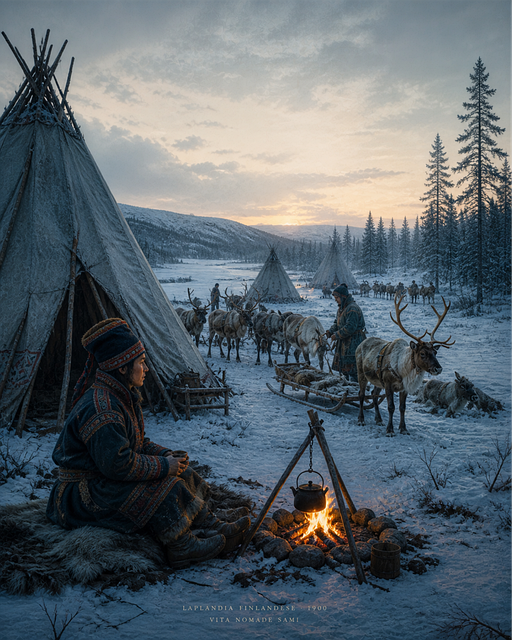
So next time you think about wildlife studies, remember that the Sami have been observing and interpreting nature for centuries. Their perspectives aren’t just interesting—they’re essential for a sustainable future. Isn’t it fascinating how deep-rooted knowledge can change the game?
From Reindeer to Raptors: How Sami Insights Enhance Global Wildlife Research
When we think about reindeer, we might picture them prancing through snowy landscapes, but for the Sami, they represent much more. These remarkable animals are intertwined with their culture, livelihoods, and traditions. The Sami understand the behavioral patterns of these creatures like few others do. They know when to expect migration, the changes in feeding habits, and how weather fluctuations impact their movements. Isn’t that fascinating? It’s almost like they hold a special key to the secrets of the Arctic wildlife!
Now, let’s pivot to raptors. These incredible birds, with their keen eyesight and powerful wings, are significant players in the ecosystem. Sami insights about these birds help researchers understand their hunting strategies and nesting preferences. Picture this: a Sami elder shares stories of witnessing a majestic eagle swoop down to catch its prey. These anecdotes not only enrich our knowledge but also guide conservation efforts by highlighting areas critical for raptor breeding.
Frequently Asked Questions
What Role Do Sami Communities Play in Wildlife Research?
Sami communities contribute invaluable traditional ecological knowledge and cultural perspectives to wildlife research. Their sustainable practices and deep understanding of local ecosystems enhance data collection and conservation strategies, making research more effective and inclusive.
Why Is Sami Perspective Important for Understanding Local Ecosystems?
Understanding local ecosystems requires recognizing the Sami perspective because it integrates traditional knowledge with ecological practices. Sami insights into land use, resource management, and biodiversity contribute to a holistic view of environmental sustainability. Their unique relationship with nature informs adaptive strategies, emphasizing the importance of cultural context in ecological health.
How Does Sami Knowledge Contribute to Wildlife Conservation Efforts?
Indigenous Sami knowledge and practices play a crucial role in wildlife conservation by promoting sustainable resource management, enhancing biodiversity, and fostering a deep understanding of ecosystems. Their traditional ecological knowledge integrates centuries of observations and respect for nature, enabling effective strategies for habitat protection and species management, ultimately contributing to the health of wildlife populations.
What Unique Insights Does Sami Knowledge Provide for Wildlife Management?
Sami knowledge offers valuable insights for wildlife management by integrating traditional ecological wisdom with contemporary practices. This involves understanding animal behavior, migration patterns, and habitat conditions based on centuries of observation. Utilizing this knowledge can enhance conservation efforts, promote sustainable practices, and foster a deeper connection between communities and their environment.
How Is Traditional Sami Knowledge Integrated into Modern Scientific Practices?
The integration of traditional Sami knowledge into modern scientific practices involves recognizing and incorporating indigenous methods, perspectives, and ecological wisdom into contemporary research and management. This collaboration enhances understanding of local ecosystems, supports biodiversity conservation, and promotes sustainable practices. By valuing the holistic approaches of the Sami, modern science can benefit from time-tested insights while fostering respect for cultural heritage.