Ecological Shifts and the Warming Arctic
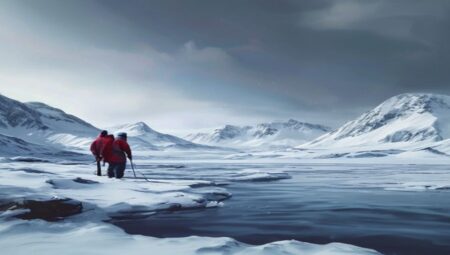
The Arctic is experiencing rapid temperature rise, warming at nearly four times the global average. This accelerated Arctic climate change triggers cascading ecological disruptions across Sámi traditional territories. Permafrost degradation, altered snowpack dynamics, and shifting vegetation zones fundamentally reconfigure the landscape that indigenous communities have navigated for millennia.
Impacts on Sámi Livelihoods and Traditional Practices
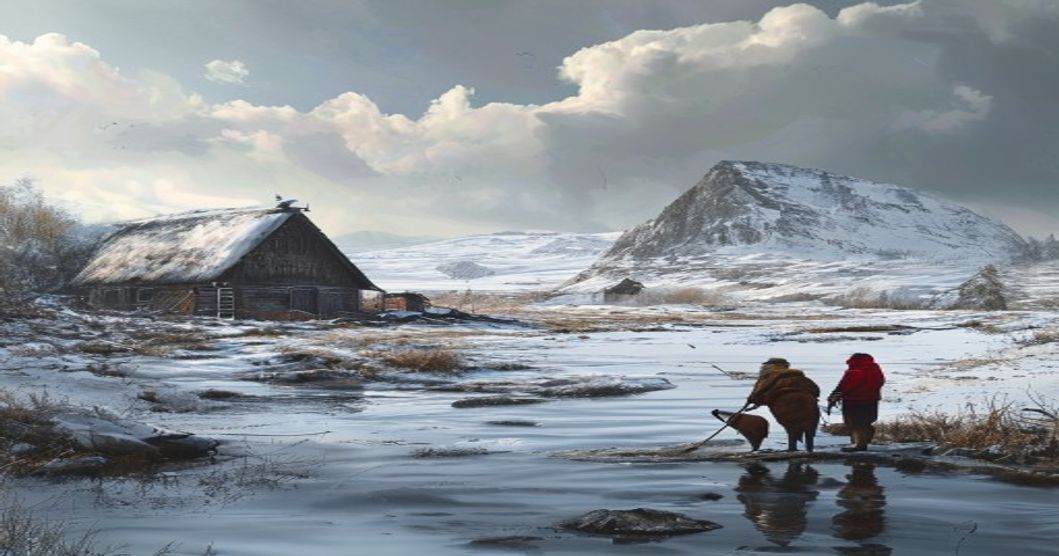
Sámi economic survival remains deeply intertwined with reindeer herding, fishing, and hunting. Climate-induced weather events, such as rain-on-snow episodes, create impenetrable ice layers that block reindeer from accessing lichen. These climate change impacts on indigenous livelihoods force herders to expend critical energy reserves, reduce calf survival rates, and trigger seasonal migration disruptions.
Disruption of Seasonal Migration Patterns
Traditional Sámi transhumance routes rely on predictable winter snow conditions and summer pasture availability. Unpredictable thaw cycles and earlier spring melt force herders to adjust grazing schedules, often leading to overgrazing in compressed pastures and increased conflict with agricultural expansion.
Aquatic Ecosystem Stress and Fishing Decline
Rising water temperatures and altered flow regimes threaten Arctic salmon and whitefish populations. Sámi coastal and riverine communities face declining catches, which directly undermines food security and weakens the cultural transmission of traditional ecological knowledge.
Cultural Erosion and Identity Preservation
The Sámi language, spiritual practices, and oral histories are geographically anchored to specific landscapes. As ecosystems transform, Sámi cultural heritage faces irreversible erosion. Place names, sacred sites, and generational storytelling lose their ecological context when the physical environment no longer matches historical records.
Integration of Indigenous Knowledge in Climate Science
Sámi elders and herders document indigenous observations of climate change through decades of lived experience. These data points—tracking ice thickness, animal behavior shifts, and flora phenology—complement satellite modeling and provide ground-truthed insights for Arctic adaptation strategies.
Adaptation Strategies and Policy Responses
Sámi communities implement climate resilience measures through mixed livelihood models, including sustainable tourism, digital monitoring of reindeer movements, and cooperative resource management. Legislative frameworks like the Sámi Convention and Arctic Council initiatives increasingly recognize indigenous land rights in climate policy.
Technological Innovation and Community-Led Solutions
Drone surveillance, GPS tracking collars, and mobile applications enable real-time Sámi climate adaptation monitoring. These tools reduce labor intensity during extreme weather events while preserving traditional herding practices within modern regulatory environments.
The Future of the Arctic: Projections and Indigenous Sovereignty
Modeling indicates that continued Arctic warming trajectories will expand shipping routes, unlock mineral extraction opportunities, and intensify geopolitical competition. Without enforceable protections for Sámi territorial sovereignty, industrial development could permanently displace indigenous populations from their ancestral grounds.
Pathways to Climate Justice and Co-Management
Long-term Arctic sustainability requires co-management governance models that embed Sámi decision-making authority into resource allocation, conservation planning, and emissions reduction targets. Empowering indigenous institutions ensures that the future of the Arctic reflects ecological balance rather than extractive expansion.
Frequently Asked Questions: Climate Change and the Sami People
What is Climate Change and the Sami People?
Climate change refers to long-term shifts in global or regional climate patterns. For the Sami people, the indigenous inhabitants of Sápmi (spanning northern Norway, Sweden, Finland, and Russia), climate change poses a direct threat to their traditional livelihoods, particularly reindeer herding, fishing, and foraging, as rising temperatures, altered precipitation patterns, and unpredictable weather disrupt the Arctic ecosystem and their cultural heritage.
Key facts about Climate Change and the Sami People
The Arctic is warming at up to four times the global average, leading to rapid ice melt and permafrost thaw. This directly impacts the Sami by destabilizing reindeer grazing grounds, causing thin ice on traditional travel routes, and disrupting the natural cycles of plants and animals they depend on. Despite contributing minimally to global emissions, the Sami face disproportionate environmental, economic, and cultural challenges, prompting increased advocacy for indigenous rights and climate justice.