Imagine standing in the heart of Lapland, surrounded by breathtaking landscapes, while the sound of the yoik—the traditional Sami song—fills the air. It’s not just music; it’s a way of preserving a rich heritage that has been passed down through generations. The yoik can evoke feelings and memories, allowing the Sami people to express their connection to nature and their ancestors. Each yoik serves as a unique identifier, representing a person, place, or event—much like a snapshot frozen in time, crafted through sound.
As globalization sweeps across the globe, Sami music stands as a fortress against cultural erasure. It invites listeners to experience the Sami worldview, filled with respect for nature and deep-rooted traditions. This vibrant musical form acts like a bridge, connecting the past to the present, ensuring that the voices of the ancestors resonate alongside the modern Sami experience.
Harmonies of Heritage: Exploring the Role of Sami Music in Cultural Preservation
The Sami people, indigenous to the Arctic regions of Norway, Sweden, Finland, and Russia, have a musical heritage that speaks volumes about their identity. Through joiks, a form of traditional Sami singing, they convey deep emotions, tell stories, and honor their ancestors. Picture it as a sonic bridge, allowing them to traverse time and space, from their ancestral past to the present moment.
But in today’s fast-paced world, where globalization threatens cultural diversity, how does Sami music stand its ground? It’s like a powerful oak tree rooted firmly in the soil of history, with branches reaching out to touch new audiences while preserving its essence. By sharing their music through modern platforms and collaborations with contemporary artists, the Sami are not only keeping their sounds alive but also inviting others to embrace their culture.
Echoes of the North: How Sami Music Keeps Indigenous Traditions Alive
Imagine a captivating voice that rises and falls like the gentle sway of the Arctic winds, telling stories of reindeer herding and the changing seasons. That’s what you get with joik, a traditional Sami musical form. It’s more than just singing; it’s an expression of identity. Each joik is personal, capturing the essence of a person, animal, or place. When you listen, it’s as if you’re transported to a snowy landscape, feeling the pulse of the earth beneath your feet.
But why does this matter? In a world that sometimes feels disconnected from its roots, Sami music acts as a powerful reminder of cultural heritage. As globalization sweeps across the globe, the Sami people face the challenge of preserving their unique identity. Their music serves as a lifeline, a way to pass down stories and traditions to younger generations. It’s not just about the melodies; it’s about fostering a community and keeping the spirit of the Sami alive.
Melodies of the Past: Sami Music as a Tool for Cultural Survival in Modern Times
Imagine standing under the vast, starry Scandinavian sky, the crisp cold nipping at your nose, as a Sami musician starts to sing. The joik, a traditional Sami form of singing, resonates through the air like a warm embrace, telling stories of ancestors, nature, and identity. Every note is a thread woven into the fabric of their history, connecting generations of Sami people with their roots. In a world that often feels like it’s spinning too fast, these melodies serve as a reminder of their unique cultural tapestry.
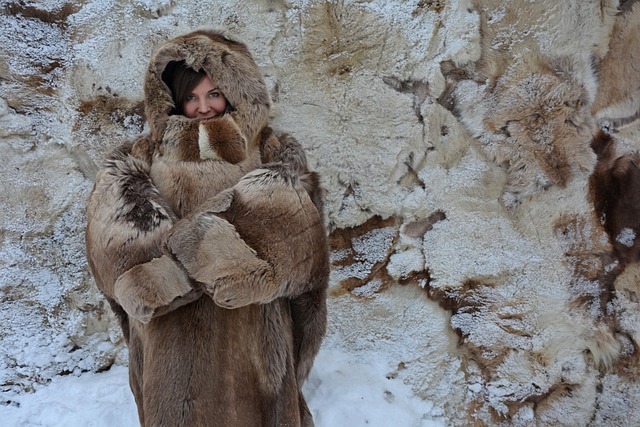
But why does this matter today? Well, with globalization pulling cultures in every direction, the Sami face the risk of losing their distinct identity. Music becomes a lifeline, a way to preserve their language and stories in a format that’s digestible for younger generations. When Sami youths participate in music workshops or listen to contemporary artists fusing traditional sounds with modern beats, they’re not just enjoying a catchy tune—they’re engaging in a cultural revival.
From Drum to Digital: The Evolution of Sami Music in Safeguarding Cultural Identity
Fast forward to today, and we see a striking contrast. Digital platforms have become the new stage for Sami artists! It’s like transforming a small campfire performance into a global concert – one where the world tunes in. Through social media, streaming services, and online collaborations, the sounds of the Sami are reaching ears far beyond the Arctic Circle. Isn’t it amazing how a simple click can connect you to a culture thousands of miles away?
However, this transition isn’t just about technology; it’s a lifeline for cultural preservation. The digital age allows for innovative expressions of Sami music, where electronic beats blend seamlessly with traditional melodies. Imagine a remix where age-old sounds are layered with contemporary beats, creating something entirely fresh yet deeply rooted. This fusion sparks curiosity and invites new audiences to appreciate Sami culture, much like offering a taste of a secret family recipe to a friend.
Soundscapes of the Sámi: Preserving Indigenous Heritage Through Music and Song
But why is preserving this unique sound so crucial? Well, think about it: music is a bit like a time capsule. It holds memories, stories, and emotions that resonate deep within us. For the Sámi, their songs encapsulate centuries of tradition, telling tales of reindeer migrations and the whispers of the Northern Lights. Through every joik, they weave a narrative that reminds us of the struggles and triumphs of their people, offering a glimpse into their soul.
As globalization sweeps across the globe, there’s a real risk of losing these intricate soundscapes. Just like a rare flower struggling to bloom in a concrete jungle, the Sámi musical heritage faces challenges. Yet, there is hope! Many contemporary Sámi artists are merging traditional sounds with modern music, creating a fascinating blend that captivates new audiences while honoring age-old practices. It’s like savoring a beloved family recipe with a new, unexpected twist—familiar yet refreshingly innovative.
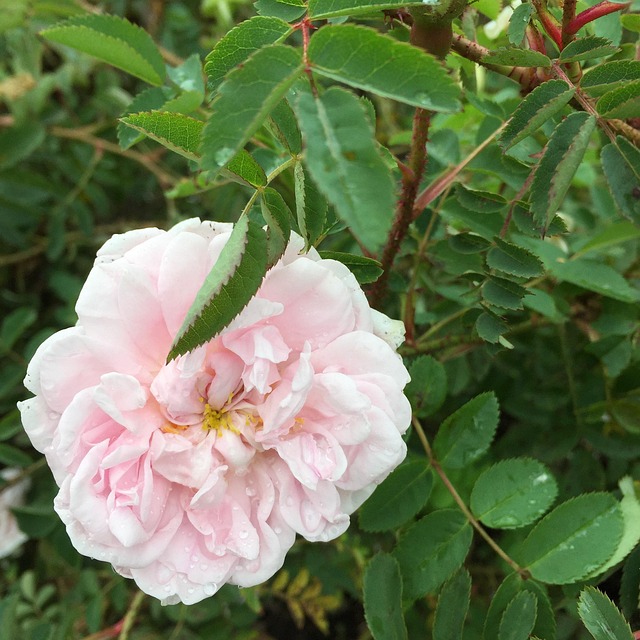
Moreover, these efforts aren’t merely about keeping the past alive; they’re also about education and awareness. When people hear joik in concerts or on streaming platforms, they connect with the Sámi story. It sparks curiosity and fosters a deeper appreciation for a culture that’s often overlooked. It’s a beautiful reminder that music can bridge gaps, allowing us to step into someone else’s shoes, or in this case, their boots set against a snowy backdrop.
Cultural Resilience: The Revitalization of Sami Music in Contemporary Society
Think of Sami music as the heartbeat of a culture that has faced centuries of marginalization. Just like a plant pushing through the cracks of concrete, this musical form is thriving against the odds. Artists today are weaving traditional elements with modern styles, creating a vibrant tapestry that pulls in younger generations. Have you ever noticed how a catchy beat can make you want to dance? This blend of the old and the new is not merely an artistic choice; it’s an act of cultural reclamation.
But why is this evolution so important? It’s all about storytelling. Sami music carries tales of the land, the reindeer, and the changing seasons. When contemporary musicians incorporate electronic beats or pop influences, they’re not just reaching out to a wider audience but also inviting people into their narrative. It’s like giving a warm hug to someone you’ve missed for years—inviting, inclusive, and real.
Songs of the Soil: How Sami Music Connects Generations to Their Ancestral Roots
Sami music, with its unique vocal styles and nature-inspired themes, tells stories that have traveled across the landscape for centuries. Think of it as a bridge linking the past to the present. Each song carries the weight of family traditions, echoing the voices of elders who once walked the same snow-covered paths. It’s incredible how just a few notes can capture the essence of a way of life, isn’t it?
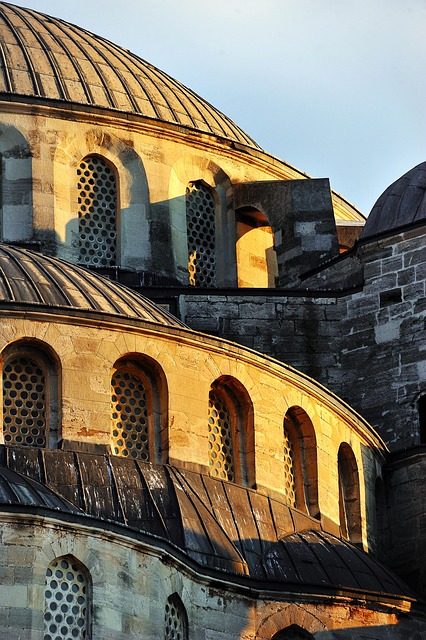
When Sami youth engage with this music, they’re not just learning about tunes and rhythms; they’re diving headfirst into the depths of their lineage. It’s like nurturing a plant from the seeds of their ancestors. By performing these songs, they honor memories, struggles, and triumphs of those who came before them. Through the rich textures of their music, stories of love, loss, and resilience intertwine, fostering a sense of belonging and identity.
Frequently Asked Questions
How Does Sami Music Preserve Cultural Heritage?
Sami music plays a vital role in preserving the cultural heritage of the Sami people by conveying traditional stories, practices, and values. Through unique vocal styles and instruments, it reflects the community’s history and identity, fostering a sense of belonging and continuity among future generations.
What Are the Key Elements of Sami Music?
Sami music is characterized by distinctive traditional elements, including joik, a form of vocal chanting that expresses emotions or tells stories. Instruments like the frame drum and the kokle also play a crucial role in performance. The music often reflects the natural environment and cultural heritage of the Sami people, emphasizing themes of nature, spirituality, and community.
What is Sami Music and Its Significance?
Sami music, rooted in the indigenous Sami culture of Northern Europe, is characterized by distinctive vocal styles, traditional instruments like the yoik (a form of chanting), and folk songs. It plays a crucial role in expressing the Sami identity, connecting communities, preserving cultural heritage, and reflecting the relationship with nature. Understanding its significance highlights the importance of cultural diversity and the Sami people’s history.
Who Are Notable Sami Musicians and Their Contributions?
Notable Sami musicians have significantly contributed to the preservation and promotion of Sami culture through their music. Artists such as Mari Boine, known for blending traditional Sami sounds with contemporary styles, utilize elements of the yoik, a traditional form of song. Other musicians, like Sofia Jannok, incorporate modern genres while addressing social and political issues relevant to the Sami community. These musicians play a crucial role in raising awareness about Sami traditions and advocating for indigenous rights.
How Can I Support Sami Music and Culture?
Supporting Sami music and culture can be achieved by promoting awareness and education about their traditions, attending cultural events and performances, purchasing Sami music and products, collaborating with Sami artists, and sharing their stories through various platforms. Engaging with Sami communities and advocating for their rights and recognition also play a crucial role in preserving their heritage.