Think about the way the seasons shift; for the Sami, these transitions are more than just dates on a calendar. Traditionally, they rely heavily on reindeer herding, which is tightly linked to the weather patterns and the land. But recently, they’ve noticed warmer winters and unpredictable weather, altering migratory patterns and, ultimately, their way of life. Imagine trying to herd animals that can’t find enough snow to graze on!
What’s fascinating is how the Sami are essentially living climate sensors, taking mental notes of dwindling ice thickness and changing plant life. They’ve observed that the berries and mushrooms they forage for have ripened earlier, which is wonderful at first glance but can throw off established ecological balances.
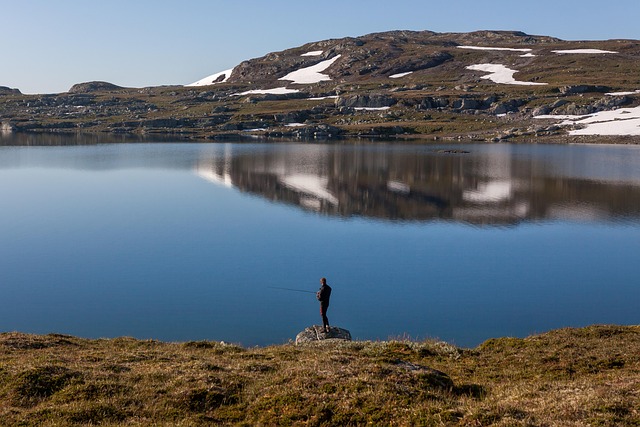
These changes aren’t just numbers on a report; they shape everyday realities. Sami fishermen are seeing fish species shifting northward, altering historical fishing grounds. It’s like watching a game of musical chairs where the music just stops unexpectedly, leaving everyone scrambling to adapt.
Voices from the North: Sami Communities Document Widespread Arctic Climate Shifts
From cultural stories passed down through generations, the Sami are not just watching; they are documenting these changes. Every thawing river and unpredictable snowstorm tells a story of upheaval. Their rich oral history reflects not just a way of life, but the pulse of the Arctic—one that is now faltering under the weight of global warming. Think of it like a symphony where the melodies, once harmonious, are now discordant, each note representing a shift that affects wildlife migration patterns and traditional food sources.
As the Sami engage in documenting these climate shifts, they are using modern technology to capture insights that blend age-old wisdom with current data. It’s like mixing a traditional recipe with a modern twist—creating something uniquely powerful that grabs attention. By sharing their narratives, the Sami are not only preserving their heritage but are also educating the world about the fragile ecosystem they inhabit.
Cultural Insights: How Sami Knowledge Illuminates the Impacts of Climate Change in the Arctic
Imagine living in a place where the seasons dictate every aspect of your life. For the Sami, the reindeer—a creature sacred to their culture—plays a pivotal role. As temperatures rise and weather patterns shift, the Sami witness firsthand how these changes affect migration routes and grazing patterns. It’s not just about reindeer; the very fabric of their way of life hangs in the balance. They’ve become living barometers, tuning into subtle shifts that many might overlook, like changes in snow quality or the timing of seasonal events.
And what’s fascinating is how their knowledge isn’t just anecdotal—it’s backed by Western science. By blending traditional ecological knowledge with modern research, the Sami provide a fuller, richer understanding of the Arctic’s health. Picture a bridge connecting old wisdom with contemporary science; that’s what the Sami represent. They tell stories of the land that resonate beyond their communities, reminding us that every temperature increase or snowstorm is part of a larger narrative.
From Reindeer to Rivers: Sami Observations Reveal the Realities of a Warming Arctic
As global temperatures rise, the Sami have become keen observers of their changing environment. Picture reindeer, their lifeblood, moving restlessly across ice that once gleamed without a hint of worry. Now, that same ice is melting faster than you can say “climate change.” Sami herders have noted how these majestic creatures are forced to roam farther in search of food; they’re not just tracking the herds. They’re tracking the shifts in season, the altering landscape that tells a story only they can narrate.
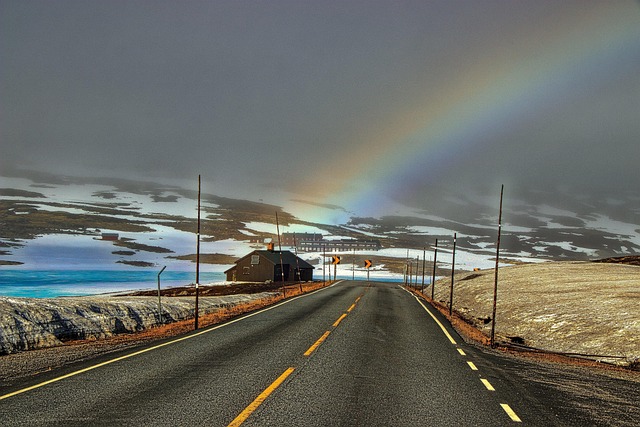
But it’s not just about reindeer. Rivers, too, are impacted by the warming Arctic. They swell with unprecedented water levels, transforming into torrents that reshape the land. Sami observations highlight how once-stable fishing spots are being washed away, leaving their methods outdated and their communities at risk. Who knew the fate of centuries-old traditions could hang in the balance of a single melting glacier?
The Sami voice holds a wealth of wisdom regarding these changes. Their stories, steeped in resilience and deep connection to the land, act as a bridge between old ways and new realities. Each observation they share is like a text message from the earth itself, reminding the rest of the world that every change matters. Isn’t it time we listen?
Indigenous Wisdom vs. Scientific Data: Sami Perspectives on Unprecedented Climate Change
Imagine standing on the icy tundra, where Sami herders have roamed for centuries. They read the land like a finely written book, and their observations run deep. While scientists can measure temperature shifts and melting ice caps, the Sami have a more nuanced understanding of these changes—like how the migration patterns of reindeer are shifting, or how traditional food sources are dwindling. Their intuitive knowledge acts like a keen compass, directing us toward sustainable practices that often get lost in graphs and charts.
But here’s the kicker: this isn’t about choosing one over the other. It’s about the harmony that can emerge when we blend Indigenous insights with scientific rigor. Picture a symphony where every instrument plays its part, creating a powerful melody. Sami perspectives offer a narrative that enriches scientific data, emphasizing the importance of relationships with the land, animals, and each other.
Frequently Asked Questions
What are Sami Observations of Climate Change in the Arctic?
Indigenous Sami communities in the Arctic have documented significant changes in their environment due to climate change. Their observations include alterations in traditional species’ migration patterns, changes in weather conditions, and impacts on reindeer herding practices. These insights are vital for understanding broader ecological shifts and highlight the need for adaptive strategies in response to ongoing environmental changes.
What role do Sami observations play in Arctic climate research?
Sami observations provide invaluable, traditional ecological knowledge that enhances understanding of Arctic climate change. Their insights on local environmental changes, animal behaviors, and seasonal patterns contribute to more accurate climate models and forecasts, helping to bridge scientific data with human perspectives in Arctic research.
How do the Sami people monitor Arctic climate changes?
The Sami people monitor Arctic climate changes through traditional knowledge combined with scientific methods. They observe shifts in wildlife patterns, vegetation changes, and ice conditions, which are critical for their reindeer herding practices. This knowledge is often shared within communities and supplemented by collaboration with researchers, helping to track environmental changes and advocate for sustainable practices.
How do Sami traditional practices relate to climate observations?
Sami traditional practices, rooted in a deep connection with nature, provide valuable insights into climate observations. Through their knowledge of seasonal changes, animal migrations, and plant behavior, the Sami can observe and document environmental shifts. Their sustainable practices and adaptations offer a unique perspective on climate change impacts, highlighting the importance of integrating indigenous knowledge with scientific research for better understanding and responding to climate variability.
What impacts of climate change have been reported by the Sami?
The Sami have reported various impacts of climate change, including alterations in traditional livelihoods such as reindeer herding due to changing temperatures and precipitation patterns. They have observed shifts in wildlife behavior, plant growth, and seasonal changes, which affect their cultural practices and food security. Additionally, increasing temperatures lead to challenges like thawing permafrost and changes in ice conditions, impacting transportation and access to traditional lands.