You might wonder, why is Sami political representation so crucial? Well, it’s not just about having a seat at the table; it’s about ensuring that their rights, culture, and way of life are safeguarded. In recent years, we’ve seen a significant push for greater visibility and inclusion. The establishment of representative bodies, like the Sámediggi (Sami Parliament) in Norway and Sweden, is a powerful testament to their quest for political agency. Imagine a lively marketplace where everyone has a stand—without the Sami’s presence, this marketplace would lack its colorful diversity.
But it’s not all sunshine and rainbows. Despite the progress, the Sami still encounter challenges in amplifying their voices. Issues like land rights, natural resource management, and climate change loom large, often overshadowing their concerns in national debates. Think of it as trying to hit a bullseye in a dart game while surrounded by distractions—it’s tough!
Voices of the North: The Rise of Sami Political Representation in Scandinavia
Imagine a community that has often felt like a whisper in the wind, now finding the courage to shout from the peaks of the majestic Nordic mountains. That’s what’s happening as more Sámi individuals occupy political roles. The Sámi Parliament in Norway, established in 1989, was a pivotal moment, kind of like planting a seed that has now grown into a robust tree of representation. It has empowered Sámi voices to advocate for their rights and culture directly.


But it’s not just about politics; it’s about identity and pride. Young Sámi leaders are emerging, and they’re not just talking the talk. They’re raising issues like environmental protection, cultural preservation, and land rights, connecting with a broader audience passionate about sustainability and social justice. It’s like they’re weaving a vibrant tapestry, interconnecting their unique heritage with contemporary values.
And let’s not forget the power of collaboration! The Sámi are increasingly working alongside non-indigenous allies, creating a coalition of support that resonates across borders. They’re proving that representation isn’t just limited to the political realm; it spills over into art, education, and beyond, echoing through the valleys of Scandinavia.
In this landscape of change, the stories of the Sámi are gaining traction, shifting perceptions and fostering respect. As they continue to climb the political ladder, one thing’s clear: the voices of the North are becoming a force to be reckoned with, echoing their resilience and aspirations far and wide.
From Margins to Mainstream: The Evolving Landscape of Sami Politics
Historically, the Sami have faced intimidation and erasure, but today they’re stepping into the limelight, advocating for their rights and cultural identity with a powerful voice. What’s driving this shift? It’s a blend of grassroots activism, digital engagement, and a broader global conversation about indigenous rights that resonates deeply. Social media platforms have given Sami voices a megaphone, propelling their stories and struggles into the public eye. Ever wonder how a single tweet or viral video can spark a dialogue? The Sami have harnessed this power, turning local issues into international conversations.
Take a look around—climate change is hitting the Sami homeland hard, and this isn’t just an environmental issue; it’s a lifeline for their culture. The Sami people are at the forefront of advocating for sustainable practices, blending traditional knowledge with modern science. They’re like the guardians of the Arctic, shouting for attention just when the world needs to stop and listen.
Sami Rights: How Indigenous Advocacy is Shaping Scandinavian Governance
So, how exactly is Indigenous advocacy making waves here? For starters, think about it like a river carving out a canyon over time. Sami advocacy has gradually created channels for dialogue, helping to protect their lands, languages, and way of life. This advocacy isn’t just about preserving traditions, though—it’s about ensuring that the Sami have a voice in decisions that affect their future. Just like you wouldn’t want someone else deciding the fate of your home without your say-so, the Sami want that same respect.
In recent years, the Scandinavian countries have made strides by acknowledging Sami rights in their political systems. Policies are evolving from a top-down approach, where outsiders impose decisions, to a bottom-up model where Sami leaders and their communities are at the forefront. This shift not only respects their history but also enriches Scandinavian governance, turning it into a tapestry of diverse voices.
Support has come in various forms, from legal frameworks affirming land rights to educational programs promoting the Sami language and culture. These changes represent a broader global trend, where Indigenous advocacy is pushing for social justice and recognition worldwide. Just like a ripple that expands in a pond, the effects of these movements are felt far beyond the banks of the water.
Empowerment Through Representation: The Sami Journey in Scandinavian Politics
Imagine trying to find your voice in a crowd that doesn’t always listen. For the Sami, who inhabit parts of Norway, Sweden, Finland, and Russia, this has been the daily reality. But the shift is palpable. With increasingly strong representation in political spaces, they’re not just participating; they’re leading! Remember the day when your voice finally broke through the noise? For the Sami, that day is here. More Sami individuals are now taking active roles in local and national politics, advocating for their rights and heritage.
Think about the power dynamics – when a group that’s been marginalized steps into positions of influence, it’s like turning the tide. The Sami Parliament in Norway is a prime example of this shift. It’s a platform designed for self-governance and cultural preservation, which puts their needs right at the forefront of Scandinavian policy-making. It’s akin to planting a seed; with the right care and nurturing, it blossoms into something magnificent.
Bridging Cultures: The Impact of Sami Politicians on Scandinavian Policy-making
Imagine for a moment the Sami people, with their rich history and vibrant traditions, representing their communities in a system that may not always understand their needs. Sami politicians are not just representatives; they are powerful voices advocating for environmental protection, land rights, and sustainable practices. By stepping into the political fray, they’ve managed to inject indigenous perspectives into broader dialogues that often focus on industrial progress at the expense of traditional ways.
Have you ever tried to explain your culture to someone who has no frame of reference? That’s what Sami politicians face every day. Their challenge isn’t just about being heard; it’s about translating their cultural values into policies that resonate with all Scandinavians. Think of them as cultural bridges, connecting ancient customs with modern legislation.
Their impact can be seen in legislative shifts that prioritize renewable resources or protect the diverse ecosystems in the Arctic. By actively voicing their concerns and solutions, Sami politicians have sparked conversations around these essential topics—it’s like planting seeds of awareness in a garden that’s just beginning to bloom.
So, next time you look at Scandinavian policies, remember that the threads woven into those decisions are as colorful and varied as the Sami culture itself, showcasing how bridging cultures can lead to a more inclusive and aware society.
Cultural Identity and Political Power: The Sami Experience in Nordic Countries
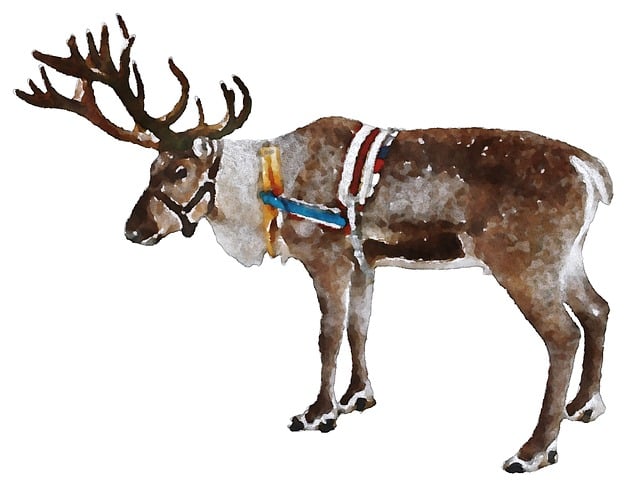
At its core, cultural identity for the Sami is rooted deeply in a relationship with the land, the reindeer, and the rhythms of nature. Picture a symphony of traditions, language, and spirituality that reverberate through generations. Yet, this melody has not always been harmonious. For centuries, the Sami faced assimilation policies and marginalization, similar to how a vibrant mural might be whitewashed over time. These experiences highlight the stark contrast between cultural richness and political disenfranchisement.
In recent years, however, we’ve seen a shift. Sami activists and leaders are not just standing on the sidelines; they’re stepping into the spotlight, demanding a seat at the political table. It’s like watching a bear finally awaken from hibernation, ready to reclaim its territory. The establishment of the Sami Parliament in Norway, for instance, is a monumental step toward self-governance, allowing the Sami to voice their concerns and reclaim their narrative.
Frequently Asked Questions
What challenges does the Sami community face in political representation?
The Sami community encounters several challenges in achieving political representation, including historical marginalization, underrepresentation in national and local governments, and limited influence in decision-making processes that affect their rights and land. These issues are compounded by the need for greater awareness and recognition of Sami interests within broader political frameworks.
What role do Sami organizations play in advocacy and policy-making?
Sami organizations play a crucial role in advocating for the rights and interests of the Sami people, influencing policy-making at local, national, and international levels. They work to ensure representation in discussions about cultural preservation, land rights, and self-determination, fostering awareness and aiming to protect Sami heritage and autonomy.
What is the Sami Parliament and how does it operate?
The Sami Parliament is a representative body for the Sami people, focusing on cultural, social, and political issues relevant to their communities. It operates to promote Sami interests, manage cultural funds, and provide a platform for dialogue between the Sami and national governments. Elected representatives ensure that the voices of the Sami are heard in decision-making processes affecting their rights and ways of life.
How are Sami representatives elected in Scandinavia?
Sami representatives in Scandinavia are elected through a democratic process that involves the Sami population in designated electoral districts. Each region holds elections for a representative assembly, known as the Sami Parliament, which allows eligible Sami citizens to vote for candidates who will advocate for their rights and issues within their communities.
How does Sami political representation vary between countries in Scandinavia?
The political representation of the Sami community varies significantly across Scandinavia. In Norway, the Sami have their own parliament, the Sami Parliament, which holds substantial authority over cultural and political issues. Sweden also recognizes Sami interests through a parliamentary committee and specific electoral rights, though they lack an independent governmental body. In Finland, the Sami Parliament exists but with limited powers, primarily focusing on cultural matters. Each country’s approach reflects its historical relationship with the Sami people, leading to different levels of autonomy and representation.