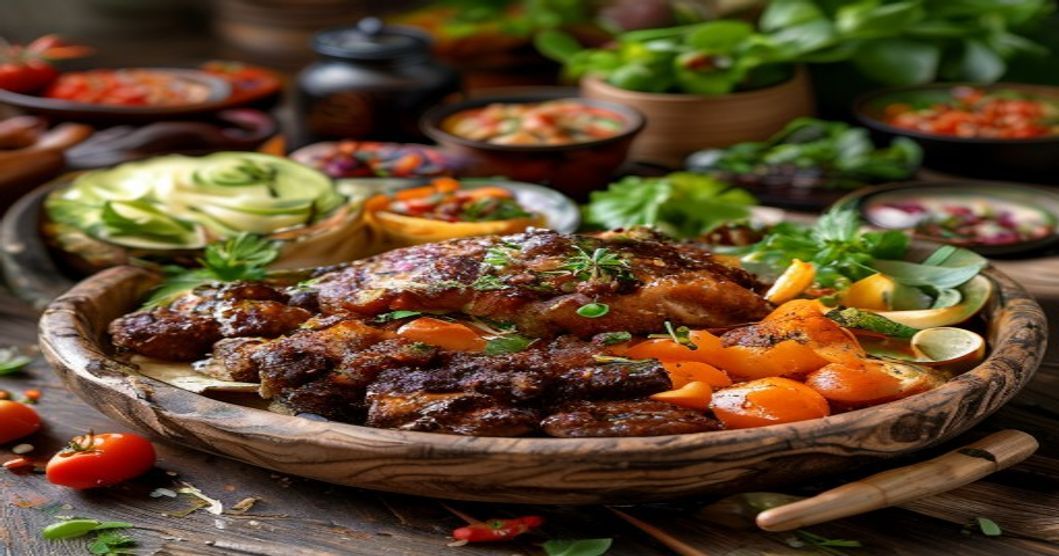
The Historical Roots of Sami’s Kitchen
Tracing the culinary lineage behind Sami’s Kitchen requires an examination of multi-generational food preservation practices that predate modern industrialization. Historically, household kitchens functioned as cultural archives where cooking techniques were transmitted orally and through hands-on practice. Ancestral recipe documentation relied on memory, seasonal availability, and localized ingredient substitution, creating a dynamic yet deeply rooted culinary framework.
Tracing Culinary Lineages Through Generations
Family cookbooks and handwritten recipe cards serve as primary sources for understanding how flavor profiles evolved across decades. Each generation adapted dishes to reflect economic conditions, migration patterns, and agricultural shifts. By analyzing these historical adjustments, contemporary cooks can distinguish between authentic base recipes and later commercialized variations.
Preserving Ancestral Cooking Methods
Traditional preparation techniques such as hand-grinding spices, clay-pot simmering, and wood-fired baking fundamentally altered texture and chemical breakdown in ingredients. These methods maximize enzymatic activity and flavor compound release without synthetic additives. Modern interpretations must respect these mechanical processes to maintain historical accuracy.
Authentic Ingredients and Seasonal Sourcing
The foundation of authentic historic flavors lies in ingredient integrity and seasonal alignment. Pre-industrial agriculture dictated meal planning around harvest cycles, ensuring that every dish reflected its geographic origin and climatic constraints.
Heirloom Varieties and Terroir-Driven Harvests
Heirloom grains, heritage vegetables, and region-specific livestock breeds possess distinct nutritional profiles and flavor compounds lost in commercial monocultures. Sourcing these ingredients requires direct relationships with small-scale growers who maintain traditional cultivation practices.
Traditional Fermentation and Curing Techniques
Fermentation and dry-curing were originally preservation necessities that evolved into signature flavor development methods. Controlled microbial activity breaks down proteins and carbohydrates, producing umami-rich compounds, complex acids, and aromatic esters. Replicating these processes demands precise temperature management, salt ratios, and time-based monitoring.
Mastering Historic Flavor Profiles
Achieving the depth characteristic of traditional recipes depends on understanding spice chemistry, layering sequences, and heat application. Historical cuisines rarely relied on a single flavor dominant; instead, they built complexity through sequential ingredient integration.
Layering Spices Using Ancient Spice Routes
Historical spice trade networks established standardized blending ratios that balanced earthy, bitter, sweet, and pungent notes. Toasting whole spices before grinding releases essential oils while reducing raw bitterness. Combining these with locally sourced aromatics creates a layered flavor matrix that mimics historical palates.
Slow-Cooking Methods for Depth and Complexity
Prolonged gentle heating facilitates collagen breakdown, fat emulsification, and Maillard reaction enhancement. Traditional stews, braises, and grain porridges required extended cooking windows that allowed flavor molecules to migrate and integrate. Modern pressure cookers accelerate time but cannot fully replicate the gradual chemical transformation achieved through traditional simmering.
Adapting Traditional Recipes for Contemporary Kitchens
Bridging historical culinary practices with modern home cooking requires strategic modifications that preserve core flavors while improving accessibility.
Balancing Historical Accuracy with Modern Accessibility
Ingredient substitutions must maintain functional equivalence rather than aesthetic similarity. For example, replacing heritage grains with refined alternatives alters texture, glycemic response, and flavor retention. Successful adaptation involves identifying the structural role of each historical ingredient and sourcing modern equivalents that fulfill the same chemical and culinary purpose.
Documenting and Sharing Cultural Food Heritage
Systematic recipe documentation ensures that traditional techniques survive beyond oral transmission. Standardized measurements, step-by-step thermal logs, and ingredient provenance records create reproducible frameworks for future generations. Digital archival platforms and community cooking workshops amplify preservation efforts while maintaining cultural context.
Frequently Asked Questions
What is Sami Food Recipes and Traditional Meals?
Sami Food Recipes and Traditional Meals refer to the indigenous culinary practices of the Sámi people, the native inhabitants of Sápmi, which spans northern Norway, Sweden, Finland, and Russia. This cuisine is deeply rooted in reindeer herding, fishing, foraging, and seasonal hunting, featuring dishes like gravlaks, reindeer stews, breads made from barley or rye, and fermented dairy products.
Key facts about Sami Food Recipes and Traditional Meals
Key facts include: 1) Reindeer meat is the central protein, utilized in nearly every part of the animal. 2) Preservation techniques like drying, smoking, and fermentation are essential for surviving long winters. 3) Foraged ingredients such as cloudberries, lingonberries, wild mushrooms, and birch sap are heavily featured. 4) Meals are traditionally served on reindeer antlers or wooden plates, reflecting a sustainable, land-based lifestyle. 5) The cuisine is recognized for its strong connection to nature and seasonal cycles, with recipes passed down orally through generations.