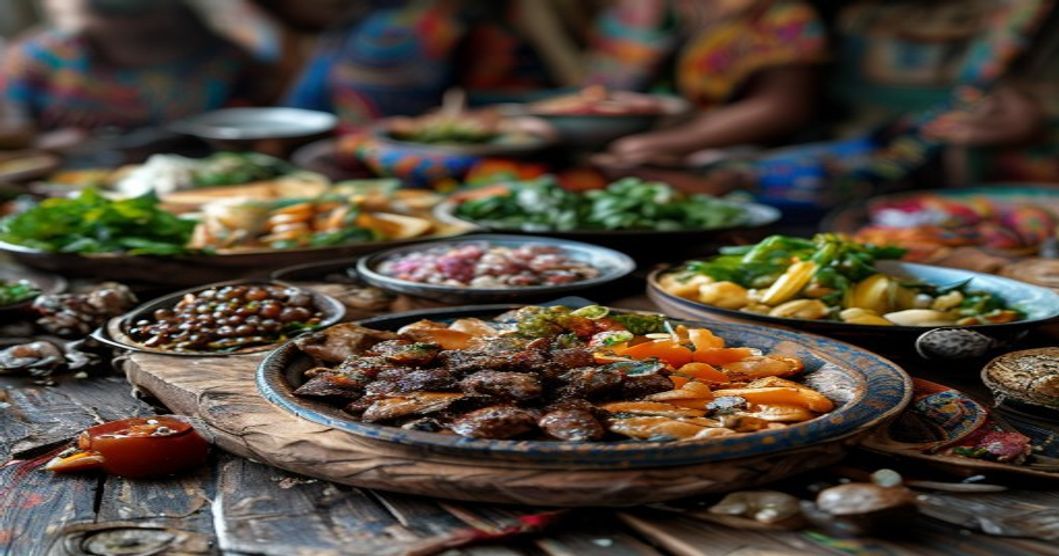
The Foundations of Sámi Traditional Cuisine
The traditional Sámi diet emerged from the harsh Arctic environment across Sápmi, spanning northern Norway, Sweden, Finland, and Russia. Indigenous communities adapted to extreme subarctic conditions by developing a highly sustainable food system centered on reindeer herding, freshwater fishing, and seasonal foraging. Unlike agricultural societies, the Sámi relied on mobile livelihoods, which shaped a diet rich in protein, fat, and wild nutrients essential for thermal regulation and physical endurance.
Reindeer as the Cornerstone of the Diet
Reindeer meat remains the most iconic component of Sámi cuisine, providing essential calories and iron during long winters. Every part of the animal is utilized without waste: lean cuts are grilled or boiled, fat is rendered for cooking oil, bones are boiled into nutrient-dense broth, and blood is mixed with flour to create traditional sausages. Reindeer milk, though produced in small quantities, yields a rich, creamy product used for cheese and butter, delivering concentrated calcium and probiotics.
Foraged Berries and Wild Plants
The Arctic tundra supplies an abundance of wild edibles that supplement the meat-heavy diet. Cloudberry (lakka), rowan berries, blueberries, and lingonberries are harvested in late summer and early autumn. These fruits are naturally high in vitamin C and antioxidants, historically preventing scurvy among nomadic populations. Mosses, wild onions, and edible lichens were also processed into flatbreads or fermented for winter consumption, ensuring consistent micronutrient intake.
Freshwater Fish and Coastal Seafood
Inland Sámi communities depend on rivers and lakes teeming with Arctic char, whitefish, trout, and salmon. Coastal groups supplement their diet with cod, herring, and seal meat. Fish is typically smoked over pine wood or dried into hard, lightweight provisions that survive months of travel. The high omega-3 content from aquatic sources was vital for maintaining cardiovascular health and joint flexibility in cold climates.
Daily Meal Patterns Across Seasons
Sámi eating habits historically followed a nomadic rhythm dictated by reindeer migrations and seasonal light cycles. Meals were not strictly clock-bound but adapted to labor intensity, temperature, and resource availability.
Winter Sustenance and Preservation Techniques
During polar nights, fresh produce vanished, making stored provisions the daily staple. Hearty stews known as bidos combined frozen reindeer meat, onions, and rendered fat into a calorie-dense meal that warmed travelers during herding expeditions. Dried fish, cured meat strips, and frozen cloudberry paste provided necessary carbohydrates and vitamins. Snow-melted water and fermented dairy replaced fresh vegetables.
Summer Harvests and Nomadic Feasting
Short summers triggered intensive foraging and fishing. Fresh berries were consumed immediately, while excess was mashed into jam or layered between flatbreads to prevent spoilage. Reindeer calving season brought communal meals featuring young meat and fresh milk products. Lighter dishes like raw fish slices, wild herb salads, and reindeer liver were common during warmer months when heavy preservation was unnecessary.
Traditional Preparation Methods and Fermentation
Beyond ingredient selection, Sámi culinary heritage relies on specialized techniques born from environmental necessity. These methods extended shelf life while enhancing nutritional bioavailability.
Smoking, Drying, and Freezing in the Arctic Climate
Natural freezing provided an efficient cold-storage system before modern refrigeration. Meat and fish were hung on elevated wooden racks to dry slowly in the wind, reducing moisture and inhibiting bacterial growth. Pine-smoked provisions absorbed antimicrobial compounds from the wood, adding flavor and preservation properties. Some communities buried food in permafrost or insulated it with moss for long-term storage.
The Role of Cloudberry Jam and Reindeer Blood Pudding
Cloudberry jam serves as both a sweetener and a nutritional bridge, balancing the richness of fatty meats with bright acidity. Traditionally prepared without sugar, it relies on natural pectin and slow simmering to achieve
Frequently Asked Questions
What is What Do Sami People Eat Every Day?
This query explores the traditional daily dietary habits of the Sami people, an indigenous group native to the Arctic regions of Norway, Sweden, Finland, and Russia. Historically, their diet has centered on reindeer meat, fresh and preserved fish, dairy products, and foraged ingredients like berries and herbs, all adapted to survive and thrive in a harsh northern climate.
Key facts about What Do Sami People Eat Every Day?
Key facts include: (1) Reindeer is the foundational food source, providing meat, fat, and milk. (2) Fish such as salmon, trout, and whitefish are consumed fresh, dried, or fermented. (3) Traditional preservation techniques like air-drying, smoking, and fermenting ensure food security year-round. (4) The diet is deeply seasonal and intrinsically linked to reindeer herding and nature-based livelihoods. (5) While modern Sami diets now include grains and vegetables, traditional foods remain culturally and nutritionally essential.