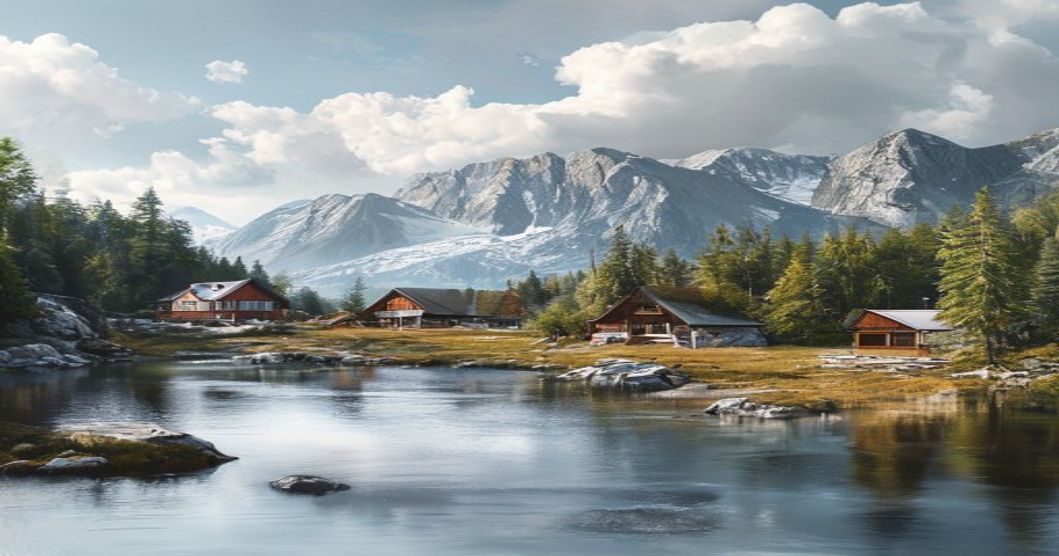
1. Siida Museum & Inari Lake Shore Trail (Inari, Finland)
Location: Inari Municipality, Lapland region, Finnish Sápmi
Cultural Significance: Siida serves as the national museum of the Sami people, housing an extensive archive of indigenous artifacts, historical documents, and contemporary artworks. The adjacent Inari Lake Shore Trail follows ancient reindeer migration routes and offers guided walks led by local Sami educators who explain traditional land-use practices, yoik vocal music, and seasonal resource management.
Visitor Experience: Exhibitions detail the linguistic diversity of Sami dialects, the impact of 19th-century assimilation policies, and modern indigenous rights movements. Interactive workshops demonstrate duodji craftsmanship, including knife-making, reindeer antler carving, and traditional textile weaving using natural dyes.
Best Time to Visit: June to August for daylight hiking and cultural festivals; December to February for snowshoeing and winter storytelling sessions. Advance booking required for guided indigenous walks.
2. Sápmi Visitor Centre & Duodji Craft Workshops (Kárášjohka, Norway)
Location: Kárášjohka, Finnmark County, Norwegian Sápmi
Cultural Significance: The Sápmi Visitor Centre operates as the official cultural gateway to the Sami heritage region. It houses a dedicated duodji (Sami handicraft) center where master artisans preserve centuries-old techniques passed through generations. The facility emphasizes sustainable material sourcing and ethical representation of indigenous artistry.
Visitor Experience: Hands-on sessions teach participants how to shape birch wood, tan reindeer hides, and stitch traditional gákti garments using authentic patterns that denote specific family lines and regional identities. Audio-visual archives document oral histories and pre-Christian spiritual beliefs tied to the landscape.
Best Time to Visit: May to September for open-air demonstrations; November to March for indoor craft intensives and cultural lectures. Workshops operate on a reservation-only basis due to limited artisan availability.
3. Abisko National Park & Ancient Sami Rock Carvings (Abisko, Sweden)
Location: Abisko National Park, Norrbotten County, Swedish Sápmi
Cultural Significance: The park protects one of Northern Europe’s most intact boreal ecosystems while safeguarding prehistoric Sami petroglyph sites depicting reindeer, bears, and shamanic drum motifs. These carvings, dating back over 5,000 years, provide archaeological evidence of early nomadic lifeways and cosmological frameworks.
Visitor Experience: Certified Sami naturalists lead interpretive hikes to documented carving locations, explaining how seasonal aurora patterns influenced spiritual rituals and navigation methods. The park’s low-traffic corridors minimize ecological disruption while maximizing observational clarity for wildlife and geological features.
Best Time to Visit: Location: Jokkmokk Municipality, Lapland region, Swedish Sápmi Cultural Significance: Established in the 17th century, the Jokkmokk Winter Market remains the oldest and most prominent annual gathering of Sami communities across Scandinavia. The event functions as a living forum for trade, legal dispute resolution, traditional sports competitions, and intergenerational knowledge transfer. Visitor Experience: Vendors display authentic duodji textiles, copper jewelry, and hand-forged tools within designated market zones. Cultural stages host daily joik performances, reindeer racing exhibitions, and storytelling circles that preserve dialectal variations and mythological narratives. Best Time to Visit: First weekend of February for the main market; surrounding weekdays offer quieter cultural workshops and museum access. Accommodations fill rapidly; early reservations are mandatory. Location: Alta Municipality, Finnmark County, Norwegian Sápmi Cultural Significance: Reindeer herding constitutes the economic and spiritual core of Sami identity. The Alta region hosts active grazing territories where indigenous families manage seasonal transhumance routes across tundra and boreal forests. Lavvu (traditional conical tents) symbolize mobile shelter systems adapted to extreme Arctic conditions. Visitor Experience: Guided safaris follow herding patterns with certified Sami handlers who demonstrate rope crafting, tracking techniques, and ethical wildlife interaction protocols. Overnight stays in insulated lavvus provide exposure to traditional cooking methods, including boiled reindeer meat and cloudberries prepared over open flames. Best Time to Visit: September to October for autumn calving migrations; January to April for snow-covered herding routes. All tours require prior consent from local Sami family enterprises. The Top Sami Attractions in Northern Europe refer to the most iconic and culturally significant sites, experiences, and activities dedicated to the indigenous Sami people, including reindeer safaris, traditional lavvu camps, duodji handicraft workshops, and visits to historic Sami villages across Norway, Sweden, Finland, and Russia. Key facts include: the Sami are the only indigenous people in the EU; their culture revolves around reindeer herding, joik singing, and seasonal migration; major attractions are concentrated in Finnmark (Norway), Lapland (Sweden & Finland); many sites offer eco-tourism and cultural preservation programs; and the best time to visit for aurora and winter festivals is from November to March.4. Jokkmokk Winter Market & Saami Cultural Village (Jokkmokk, Sweden)
5. Finnmark Reindeer Safari & Traditional Lavvu Camps (Alta, Norway)
Frequently Asked Questions
What is Top Sami Attractions in Northern Europe?
Key facts about Top Sami Attractions in Northern Europe