The Midnight Sun and the Arctic Landscape
Geographic Extent and Astronomical Mechanics
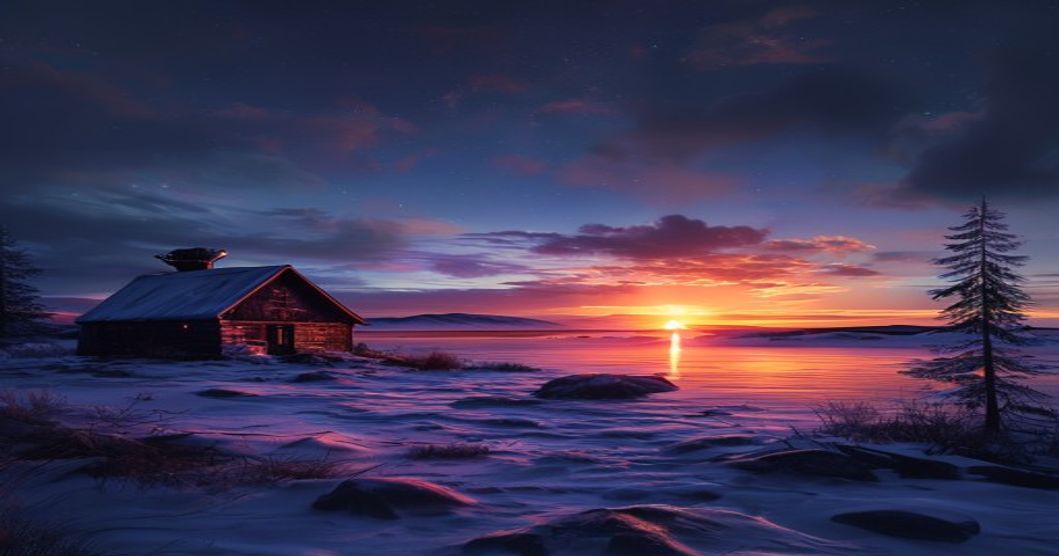
The Sami midnight sun phenomenon occurs when the sun remains visible at local midnight, typically between late May and mid-July across the Arctic Circle. This astronomical event spans northern regions of Norway, Sweden, Finland, and Russia, where geographical coordinates exceed 66°33′N latitude. The continuous daylight results from Earth’s axial tilt of approximately 23.5 degrees, positioning the polar axis toward the sun during the summer solstice. For indigenous communities, this celestial pattern dictates ecological cycles, agricultural planning, and traditional navigation methods.
Seasonal Rhythms Shaping Arctic Ecosystems
Prolonged daylight accelerates plant growth cycles, enabling rapid vegetation recovery after winter dormancy. Mosses, lichens, wildflowers, and berry species thrive under extended photoperiods, creating critical forage bases for herbivores. The Arctic ecosystem responds to light intensity through synchronized biological clocks, influencing insect emergence patterns and migratory bird routes. Researchers monitor these shifts to understand climate resilience in high-latitude environments.
Sami Indigenous Heritage Across Northern Latitudes
Historical Migration and Traditional Territories
The indigenous Sami people have inhabited Fennoscandia’s Arctic territories for millennia, maintaining distinct cultural identities across four sovereign nations. Historical evidence suggests early pastoral adaptations between 1000 BCE and 500 CE, with reindeer domestication emerging as a cornerstone livelihood strategy. Traditional territories encompass vast migratory corridors, seasonal grazing grounds, and coastal fishing zones. Cross-border movements remained customary until modern political boundaries restricted nomadic patterns during the nineteenth and twentieth centuries.
Linguistic Diversity and Oral Traditions
Sami languages belong to the Uralic language family, branching into numerous dialects including North Sami, South Sami, Lule Sami, Inari Sami, and Skolt Sami. These tongues preserve extensive ecological vocabulary describing snow conditions, reindeer behavior, and terrain features. Oral literature transmits survival knowledge through Sami joik melodies, storytelling formats, and generational teachings. Linguistic preservation initiatives now partner with academic institutions to digitize archival recordings and develop standardized orthographies.
Cultural Adaptations to Continuous Daylight
Reindeer Herding in the Summer Months
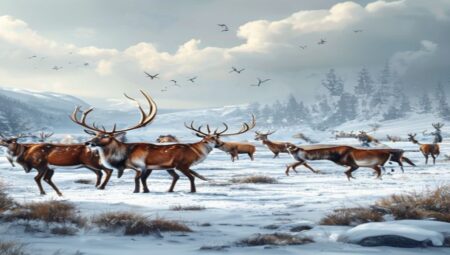
Summer grazing strategies during the Sami midnight sun period prioritize high-altitude pastures and coastal tundra regions where mosquitoes remain less active. Herders utilize drone technology alongside traditional tracking methods to monitor herd distribution across expansive landscapes. Calving seasons align with peak vegetation nutrition, ensuring milk production for both offspring and human consumption. Sustainable pasture management requires rotational grazing schedules that prevent soil compaction and maintain lichen regeneration rates.
Agricultural Practices and Foraging Customs
Communities cultivate hardy crops including potatoes, turnips, and barley in microclimates shielded by mountain ranges. Extended daylight enables double harvesting cycles for certain vegetables while supporting greenhouse operations powered by renewable energy sources. Traditional foraging protocols govern wild blueberry, cloudberry, and lingonberry collection, emphasizing selective picking techniques that preserve seed dispersal mechanisms. Community-led ecological surveys document shifting fruiting seasons due to temperature variations.
Spiritual Connections to Light and Nature
Traditional Cosmology and Solar Symbolism
Sami worldview integrates celestial observation with terrestrial stewardship, positioning the sun as a source of life-giving energy rather than mere astronomical body. Traditional drum designs encode solar paths, seasonal transitions, and ancestral migration routes through painted symbols. The concept of Sápmi encompasses not only physical geography but also spiritual territories where human activity must maintain ecological equilibrium. Modern practitioners reference these frameworks when advocating for land rights and environmental protection policies.
Contemporary Rituals During the Midnight Sun Period
Summer solstice celebrations feature communal gatherings, traditional food preparation, and craft demonstrations highlighting reindeer hide processing and duodji metalwork. Communities organize dawn-to-dusk festivals that blend historical reenactments with educational workshops on sustainable Arctic living. Youth programs emphasize intergenerational knowledge transfer through guided wilderness expeditions and satellite tracking exercises. These events reinforce cultural continuity while attracting respectful tourism that funds local infrastructure development.
Modern Challenges and Cultural Preservation Efforts
Climate Change Impact on Arctic Livelihoods
Rising temperatures alter precipitation patterns, converting snowfall into rain events that create icy crust layers over grazing grounds. Reindeer struggle to access underlying lichen mats beneath ice formations, leading to increased mortality rates during winter transitions. Permafrost thaw destabilizes traditional travel routes and compromises infrastructure supporting remote settlements. Conservation organizations collaborate with Sami councils to implement adaptive management strategies, including supplementary feeding programs and habitat restoration projects.
Legal Recognition and Tourism Balancing
National governments have established Sami parliaments to represent indigenous interests in resource allocation and policy formulation. International frameworks like UNDRIP provide legal foundations for land tenure claims and cultural heritage protection. Unregulated tourism threatens fragile tundra vegetation through off-trail vehicle use and wildlife disturbance. Certified eco-tourism operators implement carrying capacity limits, employ local guides, and direct revenue toward language revitalization programs. Sustainable visitation models demonstrate how economic development can align with ecological preservation goals.
Midnight Sun Traditions in Sami Culture: Origins and Context
Geographic Scope Across Sápmi
The **Sápmi** region spans northern Norway, Sweden, Finland, and the Kola Peninsula. **Continuous daylight** peaks above the **Arctic Circle** during June. Indigenous communities maintain distinct practices across these borders. **Cross-border Sámi groups** adapt traditions to local terrain and climate.
Astronomical Mechanics and Seasonal Shifts
The **summer solstice** occurs when the Earth tilts toward the sun at 23.5 degrees. **Solar declination** keeps sunlight above the horizon for weeks. **Sámi seasonal calendars** track this light shift using natural markers. **Lichens**, **wildflowers**, and **reindeer movement** signal astronomical changes.
Core Cultural Practices During Continuous Daylight
Summer Solstice Gatherings and Rituals
**Midsummer gatherings** replace traditional fire rituals with daylight ceremonies. **Sámi elders** lead **joik** performances to honor solar cycles. **Community feasts** feature **reindeer meat**, **cloudberries**, and **fermented fish**. These events reinforce intergenerational knowledge transfer.
Reindeer Pastoral Calendars and Grazing Patterns
**Sámi reindeer herders** adjust migration routes during endless daylight. **Calving grounds** shift toward higher elevations to avoid insects. **Grazing pressure** decreases as vegetation growth accelerates. **Herding councils** coordinate movements across traditional **siida** districts.
Symbolic Frameworks and Spiritual Dimensions
Light in Sami Oral Traditions and Joik
**Sámi oral tradition** treats light as a living entity rather than a physical phenomenon. **Joik melodies** mimic wind patterns and solar intensity. **Vocal techniques** require precise breath control to replicate natural acoustics. **Light symbolism** appears in **drum patterns** and **textile weaving**.
Seasonal Transitions in Indigenous Cosmology
**Sámi cosmology** divides the year into **valkea** (light) and **seavlu** (dark) phases. **Cosmological boundaries** shift gradually rather than abruptly. **Spirit guides** accompany herders during transition periods. **Ritual offerings** maintain balance between human activity and natural cycles.
Contemporary Adaptations and Cultural Continuity
Modern Festivals and Community Programming
**Sámi cultural centers** host midnight sun events alongside digital archives. **Youth programs** integrate traditional knowledge with contemporary media. **Educational curricula** emphasize **Sámi environmental science** and **historical land rights**. **Community-led initiatives** prioritize self-determined cultural preservation.
Language Preservation Through Seasonal Storytelling
**Sámi languages** require active usage to prevent structural erosion. **Seasonal storytelling** provides context for specialized vocabulary. **Dialectal variations** reflect regional adaptation strategies. **Digital dictionaries** and **audio archives** support fluency among younger generations.
Practical Guidance for Observing Sami Traditions
Ethical Engagement and Regional Access
**Ethical tourism** demands direct consultation with **local Sámi councils**. **Traditional grazing lands** remain private property with restricted access. **Visitor permits** require explicit consent from **Sámi reindeer herders**. **Cultural protocols** prohibit drone photography and unauthorized recording.
Optimal Timing and Location Coordinates
**Tromsø** and **Kautokeino** offer accessible observation points during peak daylight. **Kirkenes** provides extended sun exposure with minimal tourist congestion. **Latitude 69°N** guarantees uninterrupted solar visibility from late May. **Trail markers** and **weather stations** ensure safe navigation in remote zones.
Frequently Asked Questions: Midnight Sun Traditions in Sami Culture
What is Midnight Sun Traditions in Sami Culture?
The Midnight Sun traditions in Sami culture refer to the unique cultural practices, celebrations, and spiritual beliefs observed by the Indigenous Sami people during the period when the sun remains visible at midnight in northern Scandinavia and Russia. These traditions often involve outdoor gatherings, traditional joik singing, drumming, and rituals that honor the sun’s continuous light as a symbol of life, renewal, and connection to nature.
Key facts about Midnight Sun Traditions in Sami Culture
Key facts include: (1) The Sami have inhabited the Arctic regions for millennia and adapted their lifestyle to the extreme seasonal light changes. (2) During the midnight sun, traditional activities like reindeer herding, fishing, and crafting continue with extended daylight hours. (3) The phenomenon holds spiritual significance, often marking times for community bonding, storytelling, and honoring ancestral customs rather than a single unified festival. (4) Modern Sami communities blend these traditions with contemporary life, using the period for cultural festivals and tourism while preserving indigenous knowledge.