Historical Roots and Cultural Significance
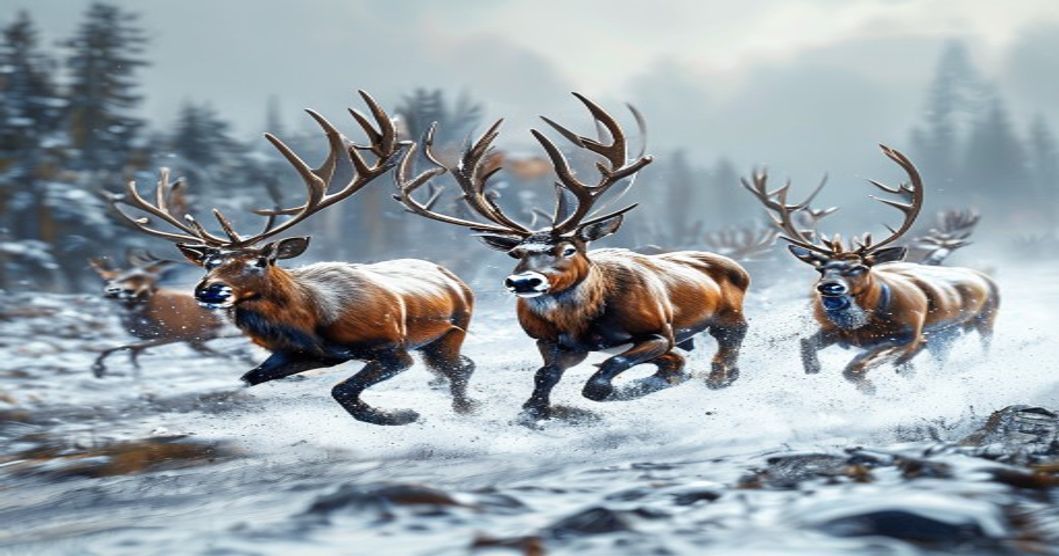
Sámi reindeer racing traces its origins to centuries-old herding practices across Fennoscandia. The Sámi people, indigenous to northern Scandinavia and the Kola Peninsula, developed winter mobility strategies that required speed, endurance, and precise handling of ungulates across frozen tundra. Early contests emerged not as formalized competitions but as practical demonstrations of herding efficiency during seasonal migrations. Over time, these demonstrations evolved into organized events that preserved linguistic traditions, navigational knowledge, and ecological awareness unique to Arctic pastoralism.
The Mechanics of Ice-Based Racing
Track Configuration and Environmental Adaptation
Winter racing takes place on frozen lakes, rivers, or packed snow trails spanning distances between three and five kilometers. Organizers measure trajectories using GPS coordinates and natural landmarks like birch groves or glacial ridges. Jockeys navigate without reins, relying instead on vocal commands, leg pressure, and specialized harnesses designed to distribute weight evenly across the reindeer’s shoulders. The ice surface demands precise hoof traction; teams adjust riding techniques based on temperature fluctuations, wind chill, and snow density.
Equipment and Animal Preparation
Participants utilize domesticated Rangifer tarandus populations bred specifically for cold tolerance and sprint capacity. Racing harnesses feature reinforced leather straps, padded girths, and metallic bells that serve both acoustic signaling and cultural decoration. Reindeer undergo seasonal conditioning programs that shift from summer grazing patterns to high-protein winter diets supplemented with lichen and mineral blocks. Riders wear insulated parkas woven from reindeer wool, equipped with moisture-wicking liners and reinforced knee pads for stability during high-speed turns.
Competitive Structure and Regional Dynamics
Event Formats and Scoring Systems
Competitions divide into sprint heats, endurance relays, and traditional herding challenges. Sprint divisions prioritize acceleration over two-hundred-meter ice strips, while relay formats require synchronized handoffs between paired riders. Judges evaluate performance through digital timing gates, penalty points for course deviations, and technical assessments of reindeer gait consistency. Regional qualifiers determine advancement to the Saami Grand Prix circuit, where municipalities from Tromsø, Kiruna, Inari, and Kautokeino compete for municipal funding and cultural recognition.
Rivalry Patterns and Community Investment
Historical territorial boundaries between Sámi districts manifest in modern team allegiances. Northern Lapland factions emphasize speed-driven strategies, whereas eastern competitors prioritize stamina-based pacing. Local governments sponsor training facilities, veterinary clinics, and youth academies to maintain competitive parity. Sponsorship agreements with regional telecommunications firms and renewable energy cooperatives fund equipment upgrades and ice-resurfacing machinery, transforming traditional contests into economically sustainable cultural industries.
Preservation Versus Modernization Pressures
Cultural Authenticity and Commercial Expansion
The integration of professional broadcasting, athlete endorsements, and international tourism generates revenue streams that sustain indigenous language programs and land rights advocacy. Conversely, standardized rule modifications for spectator entertainment occasionally conflict with ancestral riding techniques. Traditionalists advocate for mandatory inclusion of elder herders in coaching roles, ensuring transmission of generational knowledge regarding animal behavior and weather reading.
Ecological Considerations and Sustainable Practices
Racing organizers implement strict environmental protocols to prevent permafrost degradation and wildlife displacement. Ice thickness monitoring systems utilize ultrasonic sensors before track opening. Post-event cleanup procedures involve biodegradable traction materials and restored snow compaction techniques. Veterinary teams conduct physiological stress testing on participants, mandating rest periods that align with natural molting cycles and calving seasons.
Frequently Asked Questions
What is Reindeer Racing in Sami Communities?
Reindeer racing is a traditional winter sport practiced by the Sámi people across northern Scandinavia and parts of Russia. It involves skilled riders competing over snowy or icy tracks, reflecting deep cultural ties to reindeer herding, historical survival practices, and community identity.
Key facts about Reindeer Racing in Sami Communities
• It originated as a practical method for selecting the fastest reindeer for herding, travel, and communication across vast tundra landscapes.
• Competitions are traditionally held during winter festivals, cultural gatherings, and seasonal transitions.
• Riders typically use minimal tack, often riding bareback or with simple, lightweight saddles to maintain a close bond with the animals.
• The practice is recognized as a vital element of Sámi intangible cultural heritage and is promoted to preserve indigenous knowledge.
• Modern events blend traditional techniques with contemporary sportsmanship, often attracting cultural tourism and international interest.