The Noaidi and the Drum of Spirits
Central to Sámi cosmology stands the Noaidi, a shamanic figure who mediated between the human realm and the unseen forces governing the Arctic landscape. The sacred drum, or goavddis, functioned as a navigational chart for spiritual journeys. Crafted from reindeer wood and stretched with hide, each drum bore painted symbols representing celestial bodies, land spirits, and herding routes. When struck during rituals, the Noaidi would place a brass knob on the surface to trace paths across these markings, interpreting shifts in weather patterns, migration timing, and hidden threats. Historical records from the 17th century colonial missionaries documented these practices as heretical, yet modern ethnographic studies confirm the drum’s role as a sophisticated mnemonic system encoding generations of Arctic survival knowledge.
Reading the Bones and Bark Patterns
Divination relied heavily on osteomancy and botanical omens. Reindeer scapulae, heated over open flames until they cracked, produced fracture lines that Noaidi read like topographical maps. The angle of splits indicated wind direction, while the presence of specific bone fragments signaled proximity to land spirits known as vuelie. Birch bark offered another layer of interpretation; strips were folded and burned, with the resulting ash patterns revealing whether a hunting party would return safely or encounter predatory wolves. These methods required precise training passed through oral lineage, where terminology for fracture types and bark reactions remained strictly guarded within clan networks.
Reindeer Taboos and Herding Lore
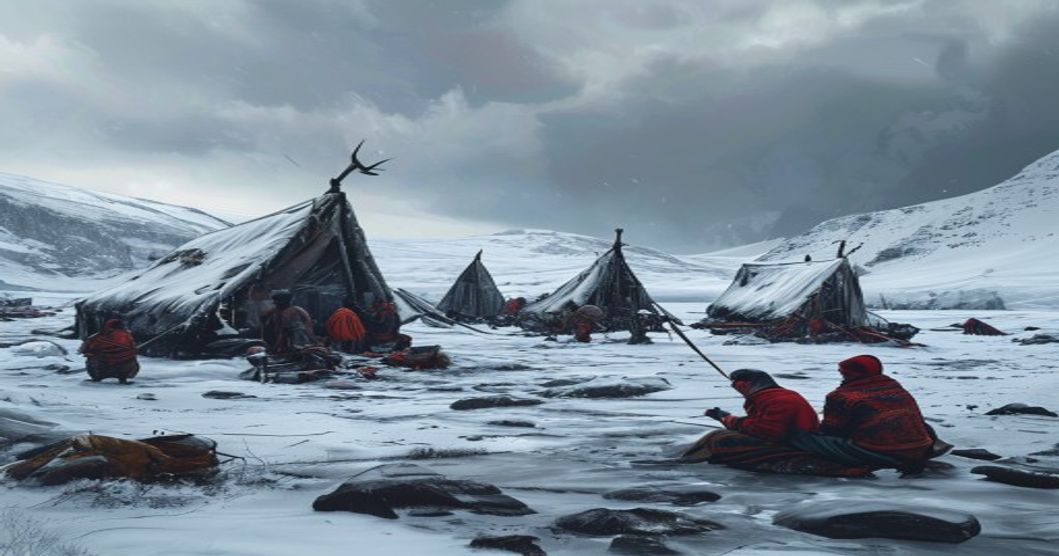
The relationship between Sámi herders and their reindeer flocks operated under a strict framework of unspoken prohibitions. Whistling inside the lavvu (traditional tent) was strictly forbidden, as certain tones were believed to mimic wolf calls or attract malevolent forest spirits. Herders avoided using iron tools near newborn calves, adhering to the belief that cold metal disrupted the animals’ spiritual connection to their migratory instincts. Salt held sacred properties; spilling it on the ground required immediate covering with fresh moss to prevent land spirits from stealing herd fertility. These taboos functioned as ecological management strategies, embedding sustainable practices within mythological narratives that ensured compliance across generations.
The Fear of Northern Lights and Fire Rituals
While contemporary audiences view the aurora borealis as a natural atmospheric phenomenon, traditional Sámi communities treated it with profound caution. Direct eye contact with the lights was considered dangerous, potentially severing the viewer’s spiritual tether to their ancestors. Children were instructed not to whistle toward the sky or throw stones at the glowing bands, actions believed to invite misfortune or sudden storms. Campfires served as protective barriers; elders would kindle pine resin fires along the perimeter of winter camps to create smoke veils that repelled wandering forest spirits. The directional orientation of hearths followed precise astronomical alignments, with flames always facing southward to maintain harmony between domestic warmth and the frozen exterior.
Seasonal Shifts and Hidden Folk Creatures
Winter solstice rituals centered on appeasing territorial spirits that governed snow depth, ice stability, and game availability. Offerings of dried fish, carved wooden figurines, and fermented grain were placed at sacred stones or ancient burial mounds to secure passage through the darkest months. Encounters with stallo figures—giants associated with barren landscapes and spiritual stagnation—required immediate silence and backward retreat, as facing them directly was thought to transfer their freezing influence into the human body. Spring equinox ceremonies focused on thawing rituals, where communities would scrape ice from riverbanks while reciting genealogical lines to awaken dormant land spirits responsible for vegetation cycles.
Healing with Herbs and Bloodline Ancestors
Sámi medicine practitioners combined botanical knowledge with ancestral invocation to treat ailments that Western frameworks classified as spiritual or psychological. Dried cloudberry leaves, arctic willow bark, and reindeer antler ash formed the base of topical treatments, while internal remedies required specific preparation sequences dictated by lunar phases. Healing sessions involved rhythmic joik chanting designed to alter consciousness, allowing practitioners to enter trance states where they negotiated with ancestral guides for patient recovery.
Frequently Asked Questions: Arctic Superstitions in Sami Culture
What is Arctic Superstitions in Sami Culture?
Arctic superstitions in Sami culture refer to the traditional beliefs, rituals, and taboos held by the indigenous Sami people of northern Scandinavia and Russia. These superstitions are deeply intertwined with their shamanistic worldview, nature reverence, and survival in harsh Arctic environments. They often involve spirits of the land (Landvættir), sacred drums (Goavddis), and omens interpreted through nature to ensure safety during hunting, fishing, and reindeer herding.
Key facts about Arctic Superstitions in Sami Culture
Key facts include: 1) The Sami traditionally believed that breaking taboos (such as whistling at night or insulting sacred stones) could anger nature spirits and bring misfortune. 2) Rituals often involved offerings of food, blood, or reindeer fat to appease deities like Stoor-Oakko (god of the sea) or Hábme (god of the sky). 3) The noaidi (shaman) used a sacred drum to communicate with the spirit world and predict outcomes of hunts or migrations. 4) Many superstitions were practical survival strategies codified into spiritual beliefs to regulate behavior and maintain ecological balance in the Arctic ecosystem.