The Historical Context of Medieval Sámi Commerce
During the high medieval period (10th–14th centuries), the Sámi people operated a sophisticated network of Medieval Sámi trade routes that connected the Arctic periphery with emerging market centers in Scandinavia, Kievan Rus’, and later the Hanseatic League. These corridors were not accidental pathways but carefully negotiated economic arteries shaped by seasonal migration patterns, ecological constraints, and diplomatic relations with neighboring Norse, Finnish, and Slavic populations.
Geographic Scope and Environmental Adaptation
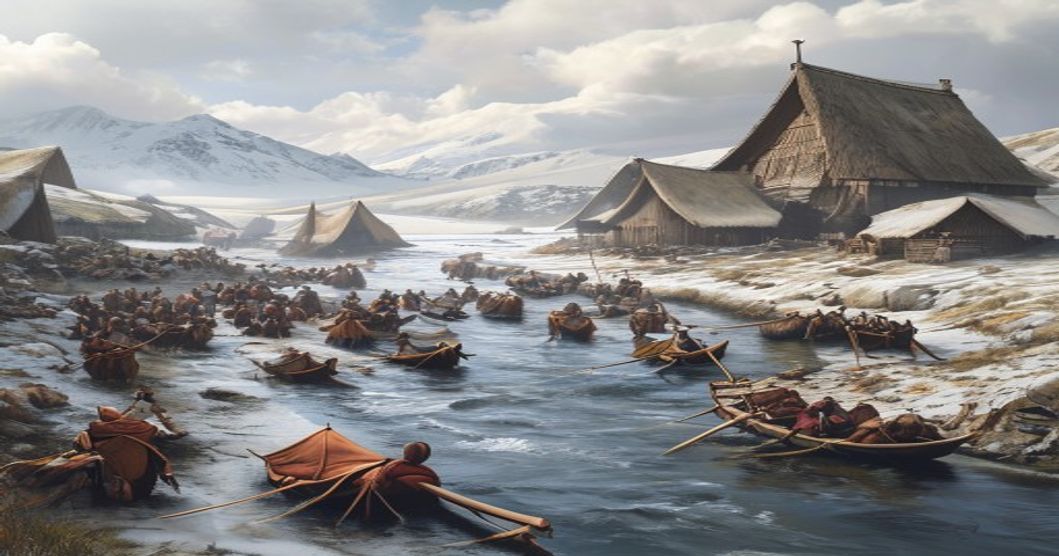
The Sámi trade networks spanned the vast territories of Fennoscandia, extending from the Kola Peninsula in the east to the Norwegian coast in the west. Merchants utilized a combination of riverine waterways, coastal fjords, and overland reindeer-driven sled routes that adapted to extreme winter conditions and summer thaw cycles. This environmental responsiveness allowed Arctic trade caravans to maintain year-round connectivity with southern agricultural zones, where surplus grain, iron tools, and manufactured textiles were in high demand.
Key Trade Corridors Across Northern Europe
Historical records and place-name etymology reveal several dominant medieval northern europe trade routes heavily utilized by Sámi merchants. The coastal Finnmark corridor linked Sami settlements to Trondheim and Bergen, while inland routes followed the Torne, Muonio, and Kemijoki rivers toward Novgorod and Murmansk. These corridors functioned as seasonal exchange hubs where Sámi commerce intersected with Norse mercantile ventures and Slavic fur trade enterprises.
Economic Networks and Commodity Exchange
The economic foundation of Sámi trade routes rested on the extraction, processing, and distribution of high-value natural resources. Unlike centralized feudal economies, Sámi commerce operated through decentralized barter systems, gift exchange protocols, and later, silver-weight transactions that mirrored broader medieval monetary practices.
Primary Export Goods: Fur, Antler, and Wool
Sámi exports dominated the northern luxury and utilitarian markets. Arctic fox pelts, reindeer hides, and ermine furs commanded premium prices in southern European courts and Byzantine silk markets. Crafted antler combs, whalebone needles, and Sámi wool textiles (viedde) served both domestic needs and long-distance trade demands. The processing of these materials required specialized knowledge passed through generations, ensuring consistent quality that sustained merchant trust across vast distances.
Imported Goods and Technological Exchange
In return for raw materials, Sámi communities acquired iron axes, copper alloys, grain, salt, and later, woolen cloth from Norwegian merchants. This cultural and technological exchange accelerated metallurgical advancement in Sami blacksmithing traditions and influenced tool design adapted to reindeer husbandry. The influx of foreign goods also triggered regional economic stratification, as certain Sámi chieftains accumulated surplus wealth through strategic control over trade nodes.
Cultural Interactions and Social Dynamics
Trade was never merely an economic transaction in medieval Sámi society; it functioned as a primary mechanism for diplomatic engagement, linguistic assimilation, and religious syncretism. The constant movement of merchants across ethnic boundaries fostered multilingual pidgins, notably the precursor to Kvensk and Terningen dialects, which facilitated commercial negotiation.
Trade as a Catalyst for Cross-Cultural Exchange
The Sámi cultural legacy is deeply intertwined with the material culture of neighboring societies. Norse sagas document Sámi merchants acting as intermediaries between Scandinavian kings and eastern Slavic rulers, while Finnish oral traditions preserve accounts of Sámi-led caravan leadership. Archaeological findings at medieval trading sites like Kistrand and Petsamo reveal hybrid artifact assemblages, confirming sustained cultural interplay rather than isolated commercial contact.
Sámi Agency in Medieval Mercantile Systems
Rather than passive suppliers, Sámi merchants actively shaped market dynamics by regulating supply chains, negotiating tribute terms, and establishing seasonal fairgrounds that functioned as proto-market institutions. This Sámi economic agency challenged later colonial narratives that framed Arctic populations as peripheral or economically dependent. Instead, historical evidence positions the Sámi as strategic actors who leveraged geographic knowledge to maintain autonomy within broader medieval trade networks.
Long-Term Cultural Legacy and Archaeological Evidence
The legacy of Medieval Sámi trade routes persists in both material archaeology and contemporary Sámi identity. Excavations across Troms, Finnmark, and Lapland have uncovered medieval weighing scales, foreign coin hoards, and imported ceramics that attest to the scale and sophistication of these commercial systems.
Material Remains and Historical Documentation
Chronicles from Norse kings’ sagas, Hanseatic ledger fragments, and Russian birch-bark letters provide documentary corroboration of Sámi merchant activities. When cross-referenced with Sámi oral histories (duodji craftsmanship records and seasonal migration chants), these sources construct a multidimensional picture of medieval commerce that transcends traditional state-centric historiography.
EnduringFrequently Asked Questions
What is Medieval Sami Trade Routes Explained?
Medieval Sami Trade Routes Explained refers to the historical network of paths and waterways used by the indigenous Sami people during the Middle Ages to exchange goods, culture, and resources across Scandinavia and northern Europe.
Key facts about Medieval Sami Trade Routes Explained
Key facts include the reliance on reindeer migration patterns for seasonal trading, the exchange of furs, antler, and dried fish for grain and iron, the use of both overland trails and river systems, and the routes’ role in connecting northern Sami communities with southern Scandinavian and Russian markets.
Frequently Asked Questions
What is Medieval Sami Trade Routes Explained?
Medieval Sami Trade Routes Explained refers to the historical network of paths and waterways used by the indigenous Sami people during the Middle Ages to exchange goods, culture, and resources across Scandinavia and northern Europe.
Key facts about Medieval Sami Trade Routes Explained
Key facts include the reliance on reindeer migration patterns for seasonal trading, the exchange of furs, antler, and dried fish for grain and iron, the use of both overland trails and river systems, and the routes’ role in connecting northern Sami communities with southern Scandinavian and Russian markets.