

- Home
- •
- World History
World History

From Hands to Utensils: A Century-spanning Shift in How We Eat
From hands to utensils: explore a century of eating habits, tools, and the cultural shift shaping how we dine today.

Pocket-Sized Realities: Everyday Objects Carried by World War II Soldiers
Pocket-Sized Realities: Everyday objects carried by WWII soldiers—uncover tiny tools, talismans, and gear that shaped daily life on the front lines.

Before Coffee: The Real Social Hubs of Medieval Europe
Explore medieval Europe’s social hubs before coffee: markets, inns, and monasteries shaping daily life, culture, and conversation across towns.
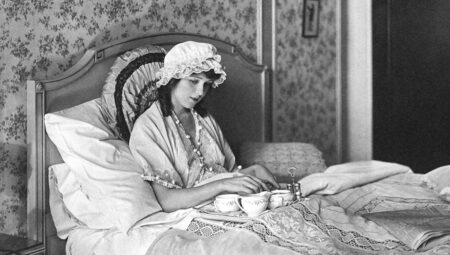
Why Did People Wear Sleeping Caps?
If you picture bedtime a few centuries ago, you might imagine a candle flickering low, a heavy bed curtain drawn tight, and a soft cap pulled snugly over the sleeper’s head. Nightcaps show up so often in early modern portraits and literature that they can feel like a quaint cliché. But for the people who wore them, these caps served practical, medical, and even social purposes. They were, in short, small garments with a surprisingly large job. Here’s a look at why they were worn. Keeping Warm in a Cold World One of the simplest reasons for nightcaps is also one of the most important: warmth. Before the widespread use of central heating, homes were notoriously cold at night. Even well-to-do households relied on fireplaces that burned down after bedtime, leaving rooms chilly by morning. Drafts slipped through ill-fitting windows and doors, and …Read More
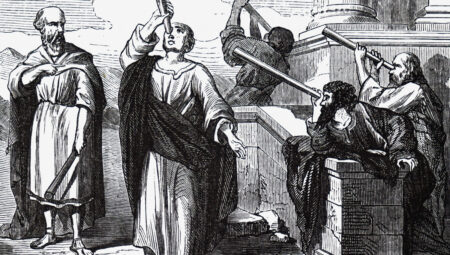
Why Is a Week 7 Days?
The seven-day week is so deeply baked into modern life that it feels almost inevitable. Workdays, weekends, school schedules, streaming release dates — nearly everything runs on the same seven-day rhythm. But there’s nothing especially natural about a week. Unlike a year, a month, or a day, it doesn’t neatly correspond to a major astronomical event. While a year is tied to Earth’s orbit around the sun, a month is roughly one full cycle of moon phases, and a day is one rotation of Earth on its axis, the length of a week isn’t cut and dry. So why is it seven days instead of, say, five, eight, or 12? How the Ancients Shaped the Week The seven-day week has endured for thousands of years, surviving empires, revolutions, religious shifts, and even a few determined attempts to replace it. Its origins lie in …Read More

The Kneeling Tradition: How Proposals Took Center Stage on Screen and in Society
Exploring how proposals on screen reshaped social norms and sparked a kneeling tradition in modern romance and media.