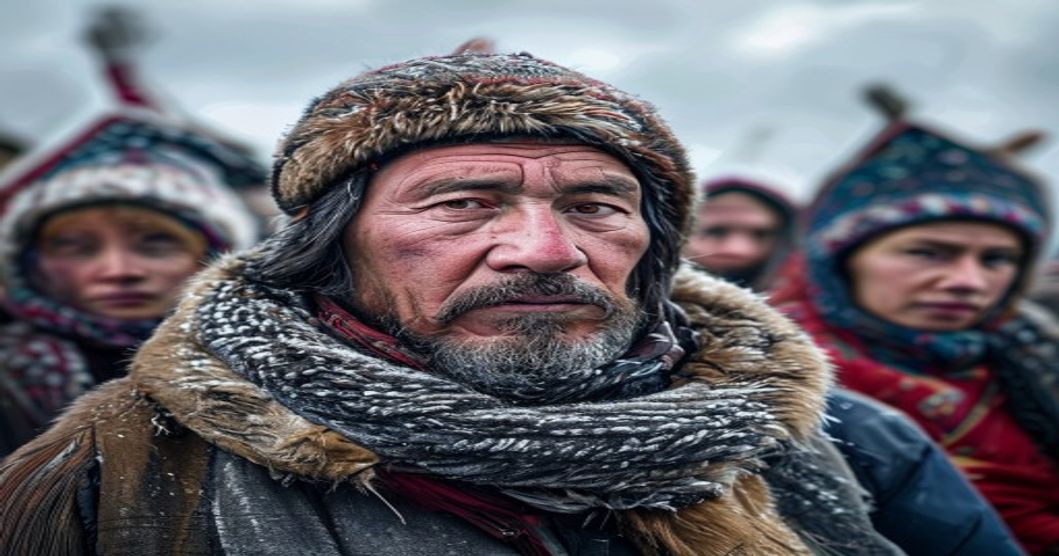
Historical Foundations of Sami Political Mobilization
The political struggle of the Sami communities emerged from centuries of state-imposed assimilation policies across Norway, Sweden, Finland, and the Kola Peninsula. Colonial administrative frameworks systematically restricted indigenous governance structures, replacing traditional siida councils with centralized bureaucratic control. By the late nineteenth century, taxation systems and forestry concessions triggered widespread land dispossession, catalyzing early organized resistance among reindeer herders and coastal fishing populations.
Early twentieth-century legal reforms introduced discriminatory regulations that marginalized Sami political participation. State-sponsored boarding schools and language bans intensified cultural erosion, prompting grassroots movements to demand constitutional recognition. The post-World War II era witnessed the first formal indigenous advocacy networks, which leveraged international human rights discourses to challenge national sovereignty narratives.
Legal Frameworks and Land Rights Advocacy
Central to the Sami political struggle is the ongoing contest over territorial jurisdiction and resource extraction. National courts have repeatedly adjudicated conflicts between indigenous reindeer husbandry rights and state-sanctioned mining, forestry, and hydropower developments. The ratification of ILO Convention 169 by Norway established a critical precedent for free, prior, and informed consent, yet implementation gaps persist across Scandinavian jurisdictions.
Land claim negotiations frequently center on the legal recognition of customary grazing corridors and seasonal migration routes. Strategic litigation has successfully halted several large-scale infrastructure projects, reinforcing judicial acknowledgment of indigenous title. Contemporary advocacy groups utilize environmental impact assessments as political leverage, arguing that ecological degradation directly threatens Sami livelihoods and cultural continuity.
Cross-Border Legal Coordination and Precedent Setting
Sami legal coalitions have institutionalized transnational litigation strategies to harmonize indigenous rights across sovereign boundaries. Joint submissions to the United Nations Human Rights Committee and the European Court of Human Rights have established binding interpretations of cultural protection standards. These coordinated efforts force national governments to align domestic statutes with international indigenous law.
Political Representation and Institutional Structures
The establishment of regional Sami parliaments marked a transformative shift in political representation. Norway inaugurated the Sámediggi in 1989, followed by parallel institutions in Sweden in 1993 and Finland in 1996. These elected bodies exercise advisory authority over cultural funding, education curricula, and language preservation initiatives. Despite institutional recognition, fiscal autonomy remains constrained by parliamentary budget allocations and ministerial oversight.
Election eligibility criteria for Sami political institutions generate persistent debate regarding ethnic self-identification versus genealogical verification. Activists argue that restrictive voter rolls undermine democratic legitimacy and fragment community cohesion. Grassroots organizations continuously monitor electoral reforms to prevent bureaucratic exclusion of urbanized and diaspora populations.
International Advocacy and Policy Influence
Sami representatives actively participate in the Arctic Council, UN Permanent Forum on Indigenous Issues, and the Nordic Council of Ministers. Diplomatic engagement focuses on securing binding commitments for indigenous data sovereignty and climate adaptation funding. Strategic alliances with environmental NGOs amplify pressure on multinational corporations operating in Lapland.
Contemporary Challenges and Strategic Resistance
Modern Sami political mobilization confronts accelerating ecological transformations and extractive capitalism. Glacial retreat and permafrost destabilization disrupt traditional herding patterns, necessitating adaptive management strategies. Wind farm expansions across northern territories generate renewed legal disputes over noise pollution impacts on reindeer behavior and habitat fragmentation.
Digital activism has become a primary mechanism for political mobilization. Social media campaigns document land encroachments, coordinate protests against state subsidies to mining enterprises, and circulate indigenous knowledge repositories. Youth-led collectives leverage cryptographic mapping tools to protect sacred sites from unauthorized surveying.
Economic Sovereignty and Resource Governance
Communities increasingly demand equity stakes in renewable energy projects that utilize ancestral territories. Cooperative business models emphasize sustainable tourism, traditional craft export markets, and indigenous-led research institutes. Political platforms prioritize circular economic frameworks that decouple development from industrial extraction.
Future Trajectories in Indigenous Governance
Legislative modernization efforts target constitutional amendments guaranteeing self-determination without territorial secession. Policy architects advocate for co-management agreements over national parks, marine protected areas, and wildlife corridors. Academic partnerships with indigenous universities produce jurists fluent in both statutory law and customary governance systems.
The next decade will test the durability of cross-regional Sami political networks. Sustained success depends on institutionalizing intergenerational knowledge transfer, securing independent financing mechanisms, and maintaining diplomatic leverage within Arctic geopolitical realignments.
Frequently Asked Questions
What is Political Issues Facing Sami Communities?
The political issues facing Sami communities primarily revolve around land rights, resource extraction, cultural preservation, and self-governance. The Sami, indigenous people of northern Fennoscandia, have historically struggled against state policies that prioritized national development over indigenous sovereignty. Key challenges include restricted access to traditional grazing lands for reindeer herding, opposition to mining, wind farm, and dam projects on ancestral territories, and ongoing efforts to secure legal recognition and political representation in Norway, Sweden, Finland, and Russia.
Key facts about Political Issues Facing Sami Communities
Key facts include: the establishment of Sami Parliaments in Norway, Sweden, and Finland as advisory bodies; ongoing legal battles over land ownership and water rights; the impact of climate change on traditional livelihoods; and the continuous advocacy for the ratification and implementation of ILO Convention 169. Despite political progress, systemic discrimination and marginalization in policy-making remain significant hurdles.