Historical Roots and Cultural Significance of Sami Winter Festivals
The Sami winter festivals represent a profound intersection of indigenous spirituality, seasonal survival, and community resilience across the Arctic regions of Norway, Sweden, Finland, and Russia. Historically, these gatherings emerged from the necessity of reindeer herding cycles, where prolonged daylight loss in December demanded communal bonding to withstand extreme temperatures. Elders utilized these periods to transmit oral histories, resolve clan disputes, and honor ancestral deities associated with nature’s cyclical renewal.
Unlike agrarian winter celebrations tied to harvest completion, Sami traditional celebrations function as ecological calibration events. Communities monitor snow depth, reindeer migration patterns, and ice stability to determine festival timing. This adaptive calendar ensures that cultural practices remain synchronized with Arctic environmental rhythms, reinforcing a worldview where human activity and natural systems operate as interdependent entities rather than separate domains.
Key Traditional Celebrations Across Sami Regions
Midwinter Reindeer Gatherings
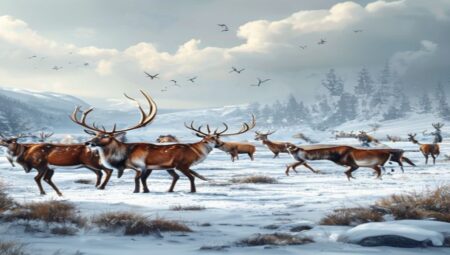
Central to Sami winter festivals is the annual midwinter reindeer gathering, a logistical and spiritual milestone where herders consolidate livestock from dispersed summer pastures. This event functions as both an economic audit and a cultural cornerstone, featuring competitive sled dog races, traditional skiing competitions, and communal feasting that reinforce intergenerational knowledge transfer.
Rituals and Symbolic Practices
Traditional ceremonies within Sami cultural heritage heavily emphasize reverence for natural elements. Participants perform midwinter purification rituals using sacred drums, smoke from juniper branches, and rhythmic chanting to cleanse the community of winter’s spiritual weight. Symbolic fire lighting marks the transition toward increasing daylight, embodying the indigenous cosmology that views time as cyclical rather than linear.
Culinary Traditions and Artisanal Crafts During Winter Festivals
Traditional Sami Winter Cuisine
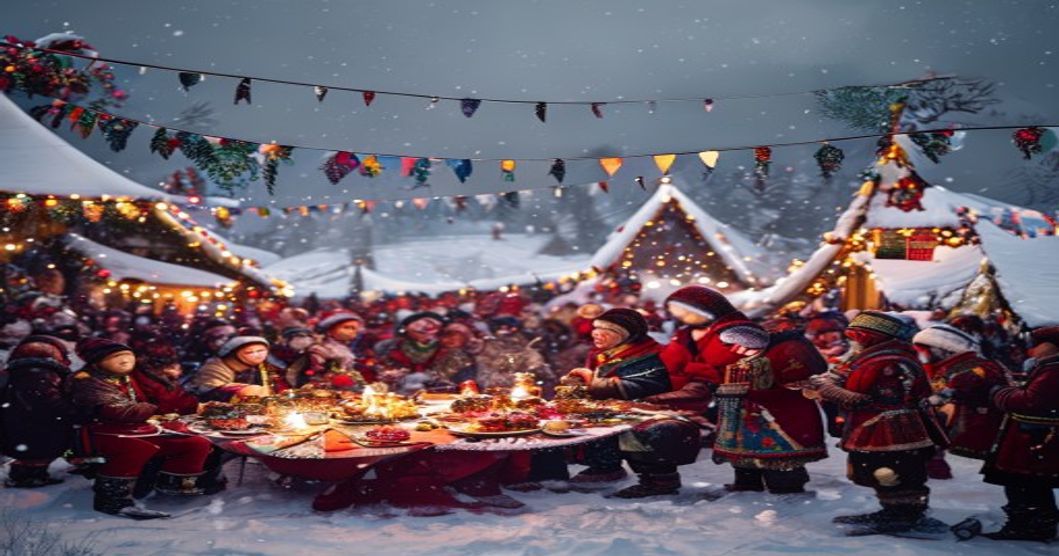
Nourishment during Sami winter festivals relies on time-honored preservation techniques adapted to subarctic climates. Core ingredients include smoked reindeer meat, dried fish, cloudberries, and fermented dairy products. Dishes such as bidos (blood sausage) and gáhkku (barley porridge) are prepared communally, with cooking methods serving as living archives of pre-industrial survival strategies.
Duodji and Handicraft Heritage
The duodji tradition, or Sami handicraft, reaches its peak visibility during winter gatherings. Artisans carve bone and antler tools, weave woolen textiles using natural dyes from lichens, and embroider gákti (traditional garments) with region-specific patterns that denote clan affiliation and social status. These crafts are not merely decorative; they encode environmental knowledge and legal customs passed through tactile education.
The Role of Joik Music and Oral Storytelling in Winter Celebrations
At the heart of every Sami winter festival lies the joik, a unique form of vocalization that does not describe a subject but embodies its essence. Accompanied by frame drums (goavddis) and reindeer hooves, joiks navigate through themes of landscape, animal spirits, and historical migration routes. Alongside music, elders perform oral storytelling sessions that map ecological changes, track celestial movements, and preserve legal precedents, ensuring that indigenous epistemology remains intact despite colonial pressures.
Preservation Efforts and Modern Adaptations of Sami Cultural Heritage
Contemporary Sami winter festivals operate within a dynamic framework of cultural revitalization and political advocacy. Indigenous organizations integrate festival programming with language immersion workshops, reindeer rights activism, and sustainable tourism models that prevent commodification. Digital archiving initiatives record elder interviews, while cross-border Sámi councils coordinate policy frameworks to protect grazing lands
Frequently Asked Questions
What is Sami Winter Festivals and Celebrations?
Sami Winter Festivals and Celebrations are cultural gatherings organized by the indigenous Sami people across Sápmi (northern Norway, Sweden, Finland, and Russia) to honor their heritage during the Arctic winter. These events feature traditional joik singing, reindeer sledding, snow and ice art, displays of handcrafted gákti clothing, and communal feasting, serving as a vital platform for preserving Sami language, spirituality, and Arctic survival knowledge.
Key facts about Sami Winter Festivals and Celebrations
The festivals primarily occur in late winter when daylight begins to return, often aligning with traditional Sami seasonal cycles. They highlight reindeer herding traditions, indigenous craftsmanship, and oral storytelling. Many events are community-led, free to attend, and actively promote eco-tourism and indigenous rights. The celebrations also serve as a cultural resistance movement, emphasizing language revitalization, land stewardship, and the preservation of Arctic ecosystems against climate change.