So, what’s on the horizon for Sami reindeer husbandry? For starters, advancements in technology are game-changers. Picture drones soaring above, mapping grazing patterns, or AI algorithms crunching data to predict herd movements and health. It’s not just science fiction anymore; this innovative tech can empower Sami herders to be more efficient while ensuring the well-being of their herds. Pretty cool, right?

Then there’s the impact of climate change—yes, that elephant in the room. Warmer temperatures and unpredictable weather patterns can disrupt traditional grazing lands. As a result, Sami herders may need to adapt their practices, seeking new pastures or employing sustainable strategies to preserve their way of life. It’s like rearranging the furniture in your living room; it’s tough at first, but it can breathe new life into your space!
Cultural shifts can’t be overlooked either. Younger generations are increasingly engaging with reindeer husbandry, merging old traditions with new ideas. This blending can help keep the practice alive, proving that while roots run deep, growth is essential for survival. The future just might hold more collaboration between Sami communities and researchers, creating a melting pot of knowledge and innovation.
As we look ahead, it’s clear that Sami reindeer husbandry is at a crossroads. How will the blend of tradition and modernity shape the lives of those who call the tundra home? The possibilities are as endless and vibrant as the Northern Lights!
Reindeer Revolution: How Sami Communities Are Innovating for a Sustainable Future
Picture vast, snowy landscapes where reindeer roam freely. In these serene settings, the Sami people, indigenous to the Arctic region, are embracing a blend of tradition and modernization. They’re not just herders—they’re innovators. Using traditional knowledge passed down through generations, Sami communities are now integrating cutting-edge technology to enhance reindeer herding practices. Imagine using drones to track the herds or GPS collars to monitor their health and migration patterns. It’s like giving a new pair of binoculars to an experienced birdwatcher; they can see more and do better!
But it goes beyond just herding. Sami entrepreneurs are turning reindeer products into sustainable businesses. From eco-friendly fashion made with reindeer leather to delicious culinary offerings, they’re creating opportunities that respect their heritage while paving the way for economic growth. It’s a brilliant strategy—like planting seeds in a garden; it nurtures both the earth and their culture.
Moreover, Sami communities are becoming champions of climate awareness. By promoting sustainable practices and advocating for biodiversity preservation, they’re not only protecting their livelihood but also acting as guardians of the environment. It’s a powerful reminder that innovation can intertwine with tradition, creating a symphony that resonates through generations.
So, next time you think of reindeer, remember they’re more than just winter companions; they’re vital to an inspiring revolution that’s making waves for sustainability. Isn’t it incredible how one community is redefining the future while honoring the past?
Adapting Tradition: The Integration of Technology in Sami Reindeer Husbandry
Picture this: a Sami herder using GPS trackers to keep tabs on their reindeer herds as they roam vast, often icy terrains. It’s like giving each reindeer a tiny smartphone, allowing herders to locate them with just a glance at their devices. Not only does this enhance their ability to manage the herds efficiently, but it also reduces the stress on the animals, which is paramount in a culture that cherishes every single reindeer as a member of their family.
Now, think about drones soaring overhead, capturing real-time footage of herd movements. This isn’t sci-fi; it’s happening now! By monitoring grazing patterns and discovering new grazing grounds, Sami herders can make informed decisions that benefit both the reindeer and the land. It’s a dance of tradition and innovation, where each beats complement the other.
But wait, there’s more! Apps designed for tracking herd health are stepping into the picture, too. These tools facilitate quick assessments of the animals’ conditions, ensuring that any signs of illness don’t go unnoticed. It’s like having a virtual vet in your pocket!
Climate Change and Reindeer: The Challenges and Opportunities for Sami Livestock Management
The Sami rely heavily on the seasonal rhythms of their environment. A warmer climate means that snow melts sooner, leading to early green growth that can be misleading. If reindeer gorge on these delicate shoots too soon, they miss the nutritional peak that comes later, resulting in weakened animals. It’s like racing to the finish line too early; you might think you’re winning, but you end up with nothing but disappointment.
Yet, it’s not just a story of struggle; there are opportunities hiding amid the challenges. For instance, the Sami are uniquely positioned to adapt through sustainable pasture management. By leveraging traditional knowledge with modern science, they can develop new grazing strategies that account for shifting conditions. Imagine blending ancient wisdom with innovative practices—this fusion could pave the way for resilient livestock management.
Furthermore, climate change opens doors for diversification. As ecosystems shift, previously unsuitable areas might become viable for reindeer herding or other livestock. The Sami could explore new territories, expanding their herding practices and increasing their sustainability. Isn’t it fascinating how adversity can lead to fresh beginnings? Just like a caterpillar transforms into a butterfly, the Sami’s approach to livestock management might evolve, embracing both tradition and innovation to thrive in a warming world.
From Herd to Market: Future Trends Transforming the Sami Reindeer Economy
First off, technology is making some serious waves. Picture this: drones soaring above, tracking the movements of reindeer with pinpoint accuracy, helping herders find their animals faster than ever. This tech not only saves time but also ensures better management of the herds. Think of it as giving herders a high-tech pair of binoculars, helping them navigate those vast landscapes more efficiently.
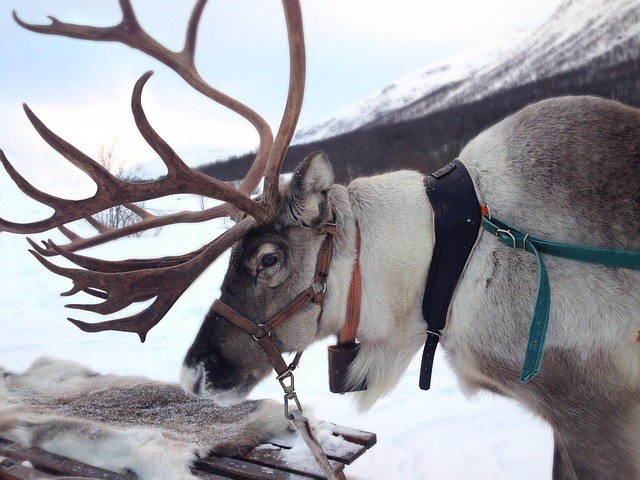
Then there’s the sustainability factor. Consumers today are craving authenticity and eco-friendliness. Reindeer meat is not just a delicacy; it’s a testament to centuries of sustainable practices. Sami herders are tapping into this global demand for responsibly sourced products, transforming their age-old traditions into a trendy, sought-after commodity. Just as the best wines carry the essence of their terroir, reindeer meat embodies the spirit of the Arctic landscape, attracting foodies and eco-conscious eaters alike.
And don’t overlook the power of storytelling. The Sami are not just selling meat; they’re sharing a rich cultural narrative. It’s like turning every bite of reindeer steak into a captivating tale of heritage and identity. By emphasizing their traditions, they’re connecting with consumers on an emotional level, making every purchase a piece of their history.
Cultural Resilience: Sami Reindeer Husbandry in the Face of Modernization
So, what does cultural resilience look like in the Sami community? Picture this: Sami herders donning traditional attire, proudly guiding their reindeer herds across pristine terrain. They’re not just following the old ways blindly; they’re blending age-old practices with modern techniques. Think of it like balancing on a tightrope, where one side represents heritage and the other innovation. They harness technology, using drones for tracking herds, while still respecting the ancient paths their ancestors walked.
But it’s not all smooth sailing. The pressures of climate change and encroaching industries can feel like storms threatening to uproot their way of life. Seasonal patterns shift, making it tricky to predict migration. Yet, instead of giving in, the Sami adapt, evolving their practices to accommodate these challenges. It’s a testament to their tenacity—like a mighty tree standing firm amid harsh winds, adapting without breaking.
Cultural resilience shines brightest in how the Sami teach younger generations. It’s like passing the torch in a relay race, ensuring that the knowledge of reindeer husbandry doesn’t fade away. They share stories around campfires, infusing their youth with pride and purpose, reminding them that their roots run deep, even as the world around them rapidly evolves.
Shaping Sustainability: The Future of Reindeer Grazing Practices Among Sami People
Sami reindeer herding isn’t just about keeping livestock; it’s a way of life that embodies respect for the land. Traditionally, these pastoralists moved with the seasons, allowing the land to recover and regenerate after grazing. However, with climate change disrupting weather patterns and affecting food sources, they’re adapting their methods. Imagine trying to work with nature as a dance partner who keeps stepping on your toes; the Sami have learned to adjust their rhythm, finding new ways to balance their needs with environmental stewardship.
They’re incorporating technology, using GPS and drone technology to monitor grazing patterns, ensuring the reindeer aren’t overgrazing vulnerable areas. This blend of old and new is like mixing ancient wisdom with modern innovation, creating a fresh blueprint for sustainable grazing. Also, by collaborating with scientists, they’re not just preserving their cultural heritage—they’re enhancing biodiversity and promoting a healthier ecosystem.
Frequently Asked Questions
What Role Does Technology Play in Modern Sami Reindeer Husbandry?
Technology enhances modern reindeer husbandry by improving tracking, health monitoring, and resource management. Innovations like GPS collars help herders locate and manage herds effectively, while data analytics optimize grazing patterns and herd health. This integration of technology supports sustainable practices and ensures the preservation of traditional Sami methods.
What Are the Key Future Trends in Sami Reindeer Husbandry?
Emerging trends in reindeer husbandry include climate adaptation strategies, increased use of technology for herd management, sustainable grazing practices, and enhanced collaboration with indigenous knowledge to address ecological changes. These trends focus on improving animal welfare, optimizing herd productivity, and ensuring the sustainability of the practice in the face of environmental challenges.
How Are Sami Communities Adapting to Changing Market Demands?
Sami communities are adapting to changing market demands by diversifying their traditional practices. They are integrating modern technologies and sustainable practices in reindeer herding, crafts, and tourism, ensuring cultural preservation while meeting contemporary consumer needs. This approach not only enhances economic opportunities but also strengthens their resilience in the face of globalization.
What Sustainable Practices Are Emerging in Reindeer Management?
Emerging sustainable practices in reindeer management focus on balancing ecological health and traditional herding methods. These include rotational grazing to prevent overgrazing, integrating modern technology for herd monitoring, and promoting biodiversity by preserving natural habitats. Emphasizing community involvement, these practices aim to enhance resilience against climate change while sustaining the cultural heritage of Indigenous peoples.
How Is Climate Change Affecting Reindeer Herding Practices?
Climate change is impacting reindeer herding practices through shifts in weather patterns, affecting vegetation growth and migration routes. Warmer temperatures can lead to earlier snowmelt, disrupting traditional grazing areas, while increased extreme weather events pose risks to herds’ health. Additionally, changes in habitat may force herders to adapt their practices, altering seasonal movements and resource management to sustain their livelihoods.