

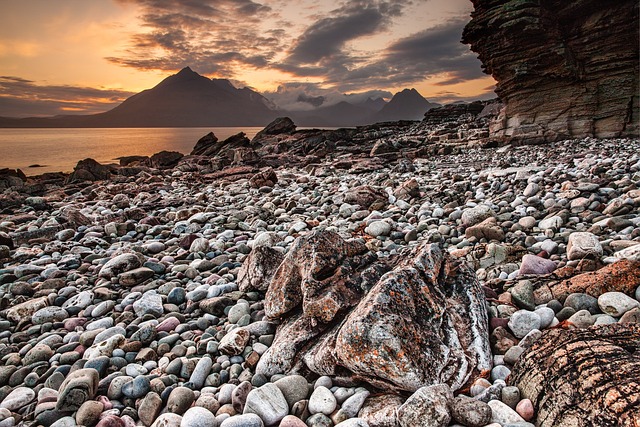
Coastal Sami have a vibrant relationship with the sea, which is their lifeline. They’ve mastered the art of fishing, crafting intricate nets and boats that dance on the water. For them, the ocean is a treasure chest, full of delicious fish and rich stories passed down through generations. Picture a community gathering, where the catch of the day is celebrated with laughter and traditional songs echoing across the waves. Doesn’t that feel alive and magical?
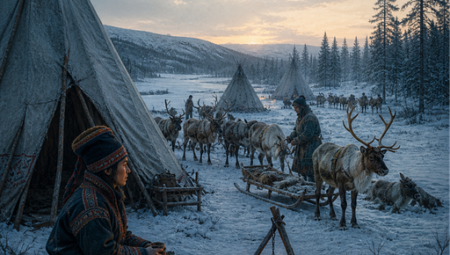
On the flip side, the inland Sami embrace the wild, rugged terrain of the tundra. They are renowned for herding reindeer, which isn’t just a livelihood—it’s a symbiotic relationship. These majestic creatures are their companions, offering meat, skin, and even transportation. Imagine the sprawling landscapes, dotted with herds peacefully grazing under the vast, open sky. It’s a lifestyle grounded in harmony with nature.
While both groups share the same rich cultural heritage, their daily lives and traditions diverge like a creek splitting from a river. The coastal Sami express themselves through art inspired by the ocean, while their inland counterparts draw creativity from the majestic mountains and forests. Isn’t it amazing how environment shapes identity? It’s like two sides of the same coin, each reflecting a unique story of resilience, adaptation, and deep-rooted traditions.
Tides and Traditions: Exploring the Distinctive Sami Coastal Lifestyle vs. Inland Culture
In contrast, the inland Sami engage with the land through reindeer herding, their connection as deep as the roots of ancient trees. Imagine the vast, open spaces where reindeer roam freely, and the Sami families gather around the nighttime campfires, sharing tales that echo through time. These traditions are not just activities; they’re a way of life filled with respect for nature and its cycles.
Consider the differences between the two lifestyles. Coastal Sami people may have built their homes close to the sea, developing skills in fishing that have been passed down for generations. Meanwhile, inland Sami rely on the rhythm of the seasons—when to herd, when to gather for festivals—offering a unique perspective on time and community. It’s like comparing two intricate dance forms; one is fluid and ever-changing, while the other is grounded and cyclical.
Both lifestyles are vital to the Sami identity, showcasing their incredible adaptability and deep respect for the world around them. Whether it’s the splash of waves on a fishing boat or the crunch of snow underfoot in a winter herd, each element paints a vibrant picture of what it means to be Sami. Have you ever wondered how these diverse practices shape their stories and cultural heritage?
From Fjords to Forests: A Deep Dive into Sami Coastal and Inland Living
Ever wonder how they adapt to such contrasting environments? Think of it like being a chameleon, shifting colors to blend in with the landscape. In coastal areas, the Sami thrive on fishing and gathering seafood, taking advantage of the bountiful riches the sea offers. The salty breeze and rhythmic waves are their constant companions, influencing their diet and culture. They’ve mastered the art of crafting tools and preserving fish, ensuring that no catch goes to waste.
On the flip side, when you wander into the inland forests, it’s like stepping into a different world. Here, the Sami embrace the serenity of the woods, hunting reindeer and gathering forest treasures—berries, mushrooms, and medicinal plants. Their knowledge of the land is unparalleled, passed down through generations like sacred texts. It’s not just about survival; it’s a dance with nature, where every season tells a story.
Saltwater vs. Freshwater: How Geography Shapes Sami Culture and Traditions
Imagine standing by the shore of the Arctic Ocean, the salty breeze kissing your face. For coastal Sami communities, the ocean is more than just a pretty view; it’s a lifeline. Fishing, with its rich bounty of cod, herring, and shrimp, is central to their way of life. These communities have tuned into the rhythms of the tides, crafting traditional practices around the best times to cast nets, just like a musician who knows the perfect moments to strike a chord. The ocean breathes life into their festivals, folklore, and even their diets, with maritime themes echoing in their stories and songs.
Now, shift gears to the inland Sami who thrive near freshwater lakes and rivers. This geography nurtures a different type of abundance—think of the rich ecosystems that support fish like salmon and trout. The rivers are their highways, teeming with life and stories. You might compare fishing in these rivers to a treasure hunt; every catch is a little victory, a moment to celebrate with family and friends. Here, traditions revolve around the seasonal cycles of the water, and you could almost feel the pulse of the land in their vibrant summer festivals, which include singing, dancing, and the deep bond they share with nature.
So, whether it’s the salty embrace of the ocean or the serene stillness of freshwater lakes, the geography significantly influences how the Sami define themselves, their community, and their heritage. Every wave, every ripple tells a story, binding them to the land and water in ways that are as profound as they are beautiful.
Two Worlds Apart: The Unique Aspects of Sami Coastal and Inland Ways of Life

In the coastal regions, Sami communities thrive on the bounty of the sea. Fishing and hunting are not just ways to fill bellies; they’re woven into the very fabric of their identity. Think of it as a dance, where fishermen skillfully navigate the water, casting nets that glimmer like stars in the night sky. The coastal Sami have an intimate relationship with the ocean—its rhythms shape their traditions, from seasonal festivals to culinary delights that highlight the freshest catches.
Now, let’s hop over to the inland territories. Picture a landscape dotted with reindeer herds grazing on lush greenery. Here, the Sami have mastered the art of herding, using age-old techniques passed down through generations. It’s akin to a symbiotic relationship, where the Sami and reindeer rely on each other for survival. The deep connection they share is palpable; the herds don’t just provide food, but also clothing and tools, making them the lifeblood of inland Sami culture.
So, what’s the takeaway? While one group finds sustenance in the embrace of the ocean, the other flourishes in the heart of the land. Each lifestyle holds unique stories, colors, and rhythms that resonate deeply within the Sami heritage, painting a vivid picture of resilience and adaptability in two worlds apart.
Resilience on the Shores: The Coastal Sami’s Connection to the Sea
For the Coastal Sami, the sea is not just a body of water; it’s a lifeline, a provider, and a partner in enduring the whims of nature. Fishing isn’t merely a job; it’s an art passed down through generations, much like the delicate strokes of a painter capturing a sunset. Picture them harnessing traditional techniques amidst modern challenges, blending the old with the new to sustain their way of life. The struggle to preserve their culture while adapting to climate change is a testament to their unwavering spirit.
You might wonder, what keeps them grounded? It’s their profound connection to the marine ecosystem. The Sami’s understanding of the sea reflects an ancient wisdom, a delicate dance of respect and reliance. They know, just like a sailor reads the stars, how to read the tides, weather patterns, and animal behaviors, creating a symbiotic relationship that fosters both survival and sustainability.
In the face of adversity—be it economic challenges or environmental shifts—the Coastal Sami stand steady, like old cliffs against crashing waves. Their resourcefulness mirrors the very landscape they inhabit, where every ebbing tide reveals the treasures and challenges hidden beneath the surface. Through storms and calm, their resilience shines brightly, reminding us that sometimes, strength comes from our roots in nature and from the stories we share as a community.
Frequently Asked Questions
How do the clothing styles of coastal Sami differ from inland Sami?
Coastal Sami clothing styles are typically more influenced by trade with other cultures and feature lighter materials suited for maritime environments, while inland Sami garments are traditionally made from reindeer skin and fur, emphasizing warmth and durability for colder climates. The differences reflect adaptations to their respective environments and lifestyles.
How do fishing practices differ in coastal and inland Sami cultures?
Fishing practices in coastal and inland Sami cultures vary significantly due to environmental and cultural factors. Coastal Sami utilize marine resources, employing techniques like net fishing and traditional traps, focusing on fish such as salmon and herring. In contrast, inland Sami practice freshwater fishing, utilizing methods such as ice fishing and spear fishing, targeting species like trout and pike. These practices reflect adaptations to their respective ecosystems and cultural traditions.
What are the key differences between Sami coastal and inland lifestyles?
The coastal Sami engage primarily in fishing and marine activities, relying on the sea for sustenance and culture. In contrast, the inland Sami focus on reindeer herding and land-based resources, adapting to a nomadic lifestyle that provides seasonal grazing for their herds. These distinct lifestyles reflect the environmental conditions and available resources in their respective regions.
What are the main economic activities for coastal versus inland Sami communities?
Coastal Sami communities primarily engage in fishing, sea reindeer herding, and marine resource management, benefiting from rich oceanic biodiversity. In contrast, inland Sami communities focus on reindeer herding, traditional hunting, and gathering, relying on forest resources and land-based activities. These economic activities reflect the adaptation of each community to their respective environments.
What traditional foods are unique to the coastal Sami versus the inland Sami?
The coastal Sami traditionally rely on seafood, such as fish and shellfish, due to their proximity to the sea, incorporating ingredients like fish roe and seaweed into their diet. In contrast, the inland Sami focus on reindeer herding and utilize game, root vegetables, and berries, reflecting the tundra and forest landscapes. This distinction highlights the regional adaptations of the Sami culture to their environments.