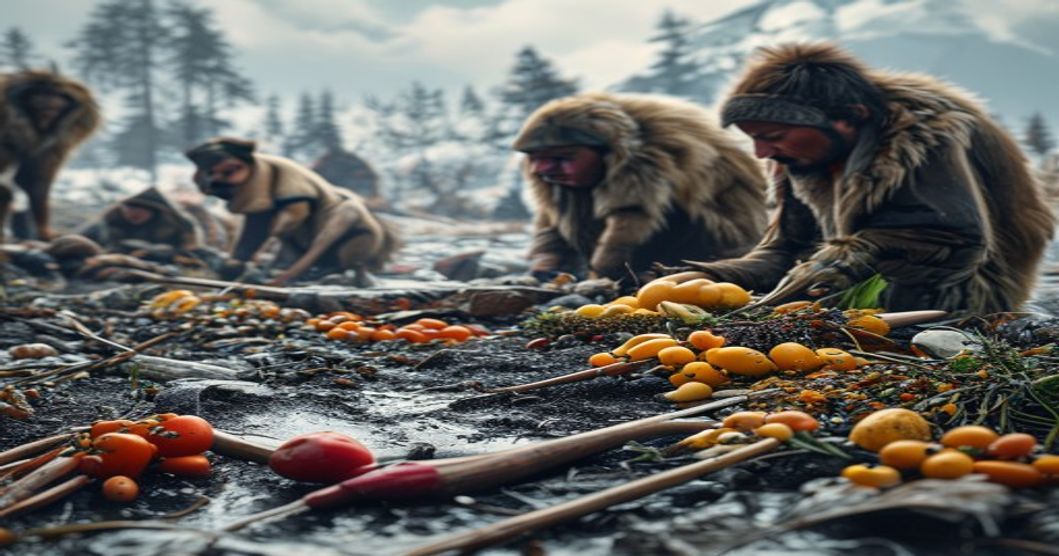
Historical Context of Arctic Foraging Traditions
The archaeological and ethnographic record traces Sami subsistence strategies back over ten thousand years, documenting a continuous adaptation to extreme boreal and subarctic ecosystems. Long before modern cartography or state borders divided Sápmi, indigenous communities developed precise phenological calendars that dictated the timing of wild plant harvesting, root excavation, and fungal collection. These practices functioned as sophisticated ecological frameworks built on generations of empirical observation rather than passive resource extraction.
Seasonal mobility governed resource extraction cycles across vast territories. Spring expeditions targeted early emergent greens and nesting sites during tundra thaw periods, while summer months focused on berry-rich fens and coniferous understories. Autumn harvesting prioritized high-calorie lichen species, medicinal herbs, and root vegetables that required curing or fermentation for winter storage. Winter survival depended heavily on preserved botanical reserves alongside reindeer-derived nutrition, creating a closed-loop dietary system that minimized agricultural dependency.
Historical drivers shaped Arctic foraging methodologies:
- Post-glacial retreat patterns established vegetative corridors that determined early settlement routes and wild food distribution zones
- Oral transmission protocols encoded botanical identification, processing techniques, and seasonal timing into traditional music and craft motifs
- Medieval Norse chronicles and 17th-century administrative records document extensive trade networks where dried cloudberries, bilberries, and cured licorice roots circulated alongside pelts
- Nineteenth-century taxation policies forced reliance on documented subsistence practices, inadvertently preserving foraging knowledge during rapid economic transitions
Digital analysis of peat bog deposits and settlement middens reveals consistent presence of arctostaphylos uva-ursi, Vaccinium myrtillus, and Betula nana pollen alongside lithic processing tools. These botanical remnants confirm that wild food gathering operated as a foundational economic pillar rather than supplementary activity. The Sami understanding of microclimates allowed precise harvesting windows that maximized nutrient density while preventing overexploitation. Historical continuity persists through documented reindeer herding territories overlapping with traditional berry grounds, demonstrating how ecological stewardship and dietary preservation remained intertwined across centuries.
Cultural Significance and Indigenous Knowledge Systems
The foraging practices of the Sami people transcend basic survival, functioning as a foundational pillar of Sápmi cultural identity and intergenerational continuity. Wild food gathering operates within a tightly regulated ecological calendar, where seasonal shifts dictate precise harvesting windows for cloudberries, bilberries, reindeer moss, medicinal lichens, and wild herbs. This rhythm is not arbitrary; it emerges from centuries of hyper-localized observation transmitted through direct mentorship rather than formal education. Elders teach youth how to read snow melt patterns, identify soil composition indicators for fungal growth, and recognize the subtle phenological markers that signal peak nutritional value. Such transmission preserves a dynamic knowledge framework where language, place names, and harvesting techniques remain inseparable.
- Seasonal Synchronization: Harvesting cycles align with natural fertility windows, ensuring plant populations regenerate before intensive collection resumes the following year.
- Spatial Memory Mapping: Communities maintain detailed cognitive maps of productive landscapes, noting microclimates, drainage patterns, and historical yield data passed orally across generations.
- Processing Preservation Techniques: Traditional methods like sun-drying, fermentation in birch bark containers, and ash-curing prevent spoilage while concentrating nutrients for winter sustenance.
Indigenous knowledge systems governing wild food collection function as adaptive management frameworks rather than static traditions. Sami harvesters apply selective yield principles, leaving root structures intact and capping annual extraction rates to maintain ecosystem balance. This approach predates modern sustainability science by millennia, operating on the principle that resource abundance depends directly on reciprocal stewardship. Medicinal foraging integrates with holistic health practices, where lichen extracts treat respiratory ailments, berry concentrates address scurvy-like deficiencies, and specific mosses regulate digestive function. Contemporary researchers increasingly validate these ethnobotanical applications through phytochemical analysis, yet the primary authority remains community-based observation rather than external validation.
Modern pressures including land enclosure, climate-induced phenological shifts, and commercial extraction threaten these knowledge networks. Nevertheless, Sami organizations have institutionalized traditional ecological knowledge through language revitalization programs, community-led monitoring initiatives, and legal advocacy for autonomous resource management. The persistence of wild food gathering demonstrates how indigenous epistemologies maintain functional relevance in rapidly changing Arctic environments, offering tested models for resilient food systems grounded in long-term ecological accountability.
Primary Categories of Edible Flora and Fungi
The Sami foraging tradition relies on distinct botanical and mycological groups that thrive across subarctic and alpine ecosystems. Lichens form the foundational carbohydrate source, with Cetraria islandica serving as the most widely processed species. This epiphytic lichen requires extended boiling to remove bitter acids before drying into flour or rehydrating for soups and flatbreads. Its high mucilage content provides essential dietary fiber, while historical records confirm its consumption during seasonal lean periods when game availability drops.
- Lichens: Includes Cetraria nivalis and Bryoria species. Harvested from rocky outcrops and reindeer grazing grounds, these require meticulous cleaning to remove lichenicin compounds before safe consumption. Traditional preparation involves repeated water changes over forty eight hours.
- Acidic Berries: Crowberry (Empetrum nigrum), bilberry (Vaccinium myrtillus), and rowanberries (Sorbus aucuparia) dominate late summer collections. Fermentation in birch bark containers preserves vitamin C during winter months, while cloudberry (Rubus chamaemorus) demands precise timing to avoid seed spoilage.
- Aquatic & Wetland Flora: Watercress (Nasturtium officinale), bog cranberry (Vaccinium oxycoccos), and edible roots from Saxifraga species provide critical micronutrients. Traditional harvesting occurs during snowmelt when tissue moisture peaks and soil nitrogen levels support rapid growth.
- Mycological Resources: The Sami prioritize Suillus boletes, chanterelles (Cantharellus cibarius), and honey fungus (Armillaria mellea). Proper identification prevents amatoxin exposure. Drying on spruce branches concentrates umami compounds, while boiling removes tremorgenic alkaloids in certain species.
Sustainable collection practices dictate leaving thirty percent of any stand intact, ensuring fungal mycelial networks and lichen thalli regenerate before the next thaw. Seasonal calendars align harvesting with lunar cycles and reindeer migration patterns, maximizing nutritional yield while maintaining ecosystem balance across tundra and boreal transition zones. Knowledge transfer occurs through direct field instruction, preserving taxonomic precision and processing techniques across generations.
Arctic Berries and Seasonal Fruit Varieties
The short Arctic growing season creates a concentrated window for wild fruit accumulation, making seasonal berry gathering a critical component of Sami food security and ecological knowledge. Intense midnight sun exposure accelerates photosynthesis while cold temperatures slow sugar degradation, resulting in berries with exceptionally high concentrations of antioxidants, organic acids, and fat-soluble vitamins. Traditional harvesting aligns with lunar cycles and reindeer migration patterns, ensuring that foraging does not disrupt pastoral activities or deplete regenerating patches.
Sami communities historically classified wild fruits by ripeness stages, soil composition, and microclimate indicators rather than calendar dates. Drying on pine branches, fermenting in birch-bark containers, and preserving in rendered reindeer fat extended seasonal availability through harsh winters. These methods also neutralized mild toxins while concentrating nutrients, transforming perishable harvests into caloric reserves that sustained families during months of limited plant growth.
- Cloudberries (Rubus chamaemorus): Thrive in acidic bogs and peatlands. Harvested in late summer, these golden fruits deliver elevated levels of vitamin C, omega-3 fatty acids, and anthocyanins. Traditionally steeped in reindeer milk or fermented into winter condiments.
- Crowberries (Empetrum nigrum): Grow across exposed tundra and heathlands. Picked throughout summer, they contain robust polyphenol profiles and were historically chewed during long hunting expeditions to suppress fatigue and thirst.
- Bilberries (Vaccinium myrtillus): Found in boreal forest margins and subarctic woodlands. Collected in early autumn, these dark berries provide dense quercetin concentrations and were processed into pastes that prevented scurvy during extended ice travel.
- Lingonberries (Vaccinium vitis-idaea): Cultivated naturally under conifer canopies. Gathered year-round where snow cover is shallow, these fruits supply tartaric acid and were traditionally mixed with reindeer blood to create nutrient-dense survival rations.
Ecological observation dictates that Sami foragers never harvest more than half of any fruiting patch, allowing seed dispersal through avian and mammalian vectors. Soil moisture levels, lichen coverage, and insect activity serve as natural indicators of regenerative capacity. Modern climate shifts have altered berry phenology, prompting adaptive adjustments in harvest timing and documentation of traditional ecological knowledge to preserve food sovereignty across generations.
Wild Mushrooms and Medicinal Fungal Species
The Sami people’s utilization of wild mushrooms extends across the boreal forests and subarctic tundra of Sápmi, reflecting centuries of targeted foraging adapted to extreme seasonal shifts. Key edible species include Suillus luteus, which forms symbiotic relationships with Scots pine in Lapland, and Cantharellus cibarius, harvested during late summer when its carotenoid-rich fruiting bodies reach peak nutritional density. Beyond sustenance, specific fungal taxa serve as foundational elements in traditional Sami pharmacopeia.
- Fomes fomentarius was historically processed into absorbent wound packing and fire-starting tinder due to its highly porous keratin structure.
- Inonotus obliquus, commonly known as chaga, colonizes dying birch trees across northern Scandinavia and has been traditionally prepared through prolonged decoction to address gastrointestinal inflammation and support respiratory function.
- Sami foragers use fungal distribution as a bioindicator of forest microclimates; the appearance of Morchella species marks thawing peatlands with active nitrogen cycling, while Hygrophorus fruiting signals mature mycorrhizal networks in spruce stands.
Harvesting cycles align precisely with mycelial maturation windows, typically spanning mid-June to late August, when soil temperatures exceed six degrees Celsius and moisture levels optimize spore dispersal. Traditional preparation methods involve immediate dry-curing over reindeer hide or slow simmering in bone broth to preserve heat-sensitive polysaccharides. Contemporary pharmacological analyses confirm elevated concentrations of beta-glucans, triterpenoid acids, and ergosterol derivatives in these northern fungal species, validating historical applications for immune modulation and tissue repair.
Sami customary harvesting protocols mandate leaving thirty percent of visible fruiting bodies intact, rotating collection zones annually, and avoiding extraction during active spore release periods. These practices maintain mycelial viability while preventing localized nutrient depletion. Foragers distinguish viable specimens by cap elasticity, gill coloration, and substrate attachment strength, discarding any fungi exhibiting darkened stipes or powdery spore deposits that indicate advanced senescence. Microscopic examination of traditional Sami fungal preparations reveals intact chitin cell walls and unbroken hyphal networks, confirming that low-temperature drying preserves structural integrity for later medicinal extraction.
Leafy Greens, Roots, and Herbaceous Plants
The Sami foragers of northern Fennoscandia rely on precise microclimatic reading and soil pH assessment to harvest wild edible flora across tundra, boreal ecotones, and glacial river corridors. Spring emergence defines the narrow harvesting window for leafy greens before floral transition degrades cellular structure and concentrates bitter phenolic compounds. Alpine sorrel (*Rumex alpinus* and *Rumex acetosa*) delivers a sharp oxalic acid profile that traditional processing neutralizes through repeated boiling or lacto-fermentation in reindeer whey. Watercress (*Nasturtium officinale*) colonizes cold mineral springs, supplying concentrated vitamin C and glucosinolates essential during months with limited fresh produce access.
- Purple saxifrage (Saxifraga oppositifolia) rosettes are collected at dawn when turgor pressure peaks, yielding mild, nutty leaves suitable for raw consumption or rapid wilting in bone broth.
- Dwarf birch leaves (Betula nana) contain betulin derivatives with documented anti-inflammatory properties, traditionally steeped as a winter tea substitute when commercial supplies were unavailable.
Root harvesting demands careful soil assessment to avoid damaging mycorrhizal networks critical to reindeer lichen ecosystems. Alpine bistort (*Polygonum viviparum*) tubers are extracted using curved bone or iron tools during late summer, then dried on heated stones before grinding into flour that supplements grain-based diets. Cloudberry rhizomes, though primarily valued for fruiting, yield edible underground stems rich in pectin and fatty acids when properly leached. Ground pine (Lycopodium annotinum) root systems are historically processed through ash-leaching to remove alkaloids, producing a starchy additive used in bread-making across coastal Sápmi communities.
- Northern bedstraw (Galium boreale) stems are collected during full bloom for their coumarin content, which naturally sweetens fermented dairy preparations without refined sugar.
- Meadow saxifrage (Saxifraga granulata) taproots require slow roasting over peat fires to convert inulin into digestible sugars, a technique preserved through oral transmission in pastoral family lines.
Sustainable extraction protocols govern all root and herbaceous plant collection. Foragers rotate harvesting zones annually, leaving three-quarters of mature specimens intact to ensure seed dispersal and soil stabilization. Modern botanical surveys confirm that traditional Sami gathering methods maintain higher understory diversity compared to mechanized land use, particularly in areas where reindeer grazing pressure naturally suppresses competitive grasses. The integration of wild greens, roots, and herbaceous flora into seasonal meal planning remains a documented strategy for mitigating micronutrient deficiencies across Arctic indigenous populations.
Seasonal Timing and Environmental Monitoring
The Sami reliance on wild edible flora, fungi, and bark is fundamentally anchored in precise seasonal observation and continuous environmental tracking across Arctic and subarctic ecosystems. Foraging cycles do not follow a fixed calendar but respond dynamically to microclimatic shifts, snowmelt progression, and biological indicators that signal resource availability.
During early spring, as reindeer initiate northward migration and snow retreats from southern elevations, the terrain yields wild leeks, early angelica shoots, and accessible birch sap. These resources demand immediate extraction before rapid vegetative growth renders tissues fibrous or chemically bitter. Practitioners monitor soil temperature gradients and insect emergence patterns to gauge root development and optimal harvesting windows.
- Spring window: Prioritizes protein-dense shoots, medicinal bark layers, and early carbohydrates that reverse winter metabolic depletion.
- Summer peak: Aligns with extended daylight hours when cloudberry, cowberry, and wild strawberry accumulate maximum sugar content. Fungal fruiting emerges only after specific rainfall saturation and sustained humidity thresholds.
- Autumn phase: Delivers the final harvest for late-ripening berries, northern hazelnuts, and nutrient-concentrating roots prepared before first frost.
- Winter operation: Shifts toward preserved stores, lichen collection during brief atmospheric thaws, and controlled extraction from frozen substrates where dormant plant tissue remains viable.
Environmental monitoring functions through generational ecological literacy rather than technological measurement. Foragers interpret wind patterns, cloud density, animal grazing behavior, and moss pigmentation to forecast edible abundance. The exact moment of birch leaf unfurling directly correlates with secondary metabolite concentration in adjacent understory species. Soil moisture retention following snowmelt dictates fungal colonization zones, while reindeer movement trails reveal soil nutrient redistribution and vegetation recovery capacity.
Sustainable extraction protocols remain embedded within this temporal structure. Selective harvesting preserves root architecture, and rotational land access allows complete reproductive cycles without ecological disruption. Contemporary climate volatility has intensified the necessity for hyper-local tracking, yet the operational foundation remains unaltered: observation dictates timing, ecological thresholds determine yield, and seasonal rhythm sustains long-term viability.
Drying, Fermenting, and Storage Practices
The Sami have developed highly specialized preservation techniques that transform seasonal foraged ingredients into reliable winter provisions. Drying remains the primary method for extending the shelf life of Arctic berries, mosses, and root vegetables. Harvested cloudberry and crowberry clusters are spread across porous sandstone slabs or woven birch bark trays. These natural surfaces allow continuous airflow while preventing moisture retention. Wind speeds across the tundra accelerate dehydration without degrading delicate phytochemicals. Reindeer lichen undergoes a two-stage drying process. Initial exposure to subfreezing air removes bulk moisture, followed by placement near heated stones or within traditional smoke-filled shelters where low temperatures prevent mold development. Smoked dried moss retains higher concentrations of usnic acid compared to sun-exposed batches, making it more effective for medicinal and dietary applications.
Fermentation relies on controlled anaerobic environments to develop complex flavor profiles and boost microbial activity. Foraged plant matter is layered into hollowed log containers or reinforced with pine resin seals. Natural lactic acid bacteria dominate the initial stages, breaking down cellulose and releasing organic acids that inhibit spoilage organisms. Cloudberry mash often ferments alongside wild garlic shoots, creating a probiotic-rich paste that retains vitamin C levels despite extended storage periods. Mosses undergo mild fermentation in birch bark cylinders before being compressed into tight bundles. This process softens fibrous structures while converting starches into accessible carbohydrates. Traditional wooden pressing stones maintain consistent pressure during the first seventy-two hours, ensuring uniform microbial colonization throughout the substrate.
Long-term storage depends on microclimate management and insulated architecture. Root cellars excavated into moss-covered permafrost maintain temperatures between zero and four degrees Celsius year-round. These subterranean chambers feature wooden ventilation pipes that regulate humidity without introducing condensation. Dried provisions are wrapped in cured reindeer hides or packed into hollowed caribou antlers, which naturally repel moisture and
Nutritional Composition and Health Implications
Arctic and subarctic ecosystems force indigenous plant species to develop concentrated secondary metabolites as survival mechanisms against ultraviolet radiation, freezing temperatures, and short growing seasons. These adaptations directly translate into exceptional nutritional density for the wild foods traditionally harvested by Sami communities across Fennoscandia and Sápmi. Cloudberry alone delivers vitamin C levels exceeding citrus fruits, alongside substantial amounts of tocopherols and carotenoids that function as potent lipid-soluble antioxidants.
Bilberries and lingonberries contribute high concentrations of anthocyanins, particularly delphinidin and cyanidin glycosides, which cross the blood-brain barrier and support vascular endothelial function. Reindeer moss contains usnic acid and lichen polysaccharides that demonstrate antimicrobial activity while providing soluble fiber critical for colonic fermentation. Wild mushrooms gathered during brief summer windows supply vitamin D precursors when fortified through sun exposure, along with beta-glucans that modulate macrophage activity.
- Polyphenol density: Compounds like quercetin and chlorogenic acid reduce oxidative stress markers in hepatic tissue and improve insulin sensitivity.
- Essential fatty acids: Cold-adapted berries accumulate alpha-linolenic acid derivatives that support neuronal membrane fluidity and dampen systemic inflammation.
- Mineral bioavailability: High potassium-to-sodium ratios in leafy wild greens regulate blood pressure and counteract mineral depletion from traditional fermented dairy diets.
- Gut microbiome modulation: Non-digestible oligosaccharides act as prebiotic substrates, increasing butyrate production and strengthening intestinal barrier integrity.
Clinical investigations into these botanicals confirm that regular consumption correlates with decreased low-density lipoprotein oxidation, improved endothelial nitric oxide synthesis, and attenuated postprandial glucose spikes. The synergistic matrix of fiber, polyphenols, and trace minerals creates a metabolic environment that supports long-term cardiovascular resilience and immune homeostasis. Harvesting protocols remain seasonally precise to maximize phytochemical retention, ensuring that traditional foraging practices continue to deliver measurable physiological advantages in modern nutritional frameworks.
Comparison with Commercially Grown Alternatives
The nutritional profile of Sami-harvested wild foods consistently outperforms commercially cultivated counterparts due to environmental stress factors inherent to subarctic ecosystems. Cloudberry and crowberry, collected during brief summer windows, accumulate significantly higher concentrations of anthocyanins, vitamin C, and tocopherols compared to greenhouse-grown or temperate-zone alternatives. These compounds develop as natural photoprotective responses to intense UV exposure and rapid temperature fluctuations, a biochemical advantage rarely replicated in controlled agricultural settings where climate stability reduces phytochemical synthesis.
Ecological metrics further distinguish traditional Sami foraging from industrial agriculture. Commercial berry production frequently depends on intensive irrigation, synthetic fertilizers, and pesticide applications that degrade soil microbiomes and reduce regional biodiversity. In contrast, Sami harvesting follows rotational patterns aligned with reindeer migration routes and lichen recovery cycles. This low-impact methodology preserves peatland hydrology, prevents carbon release from drained wetlands, and maintains genetic diversity within wild plant populations. Commercial supply chains, conversely, prioritize yield uniformity over ecological resilience, often requiring land conversion that fragments migratory corridors.
- Nutrient bioavailability: Wild-harvested Arctic flora demonstrates superior mineral chelation in acidic tundra soils, enhancing iron, magnesium, and zinc absorption rates compared to hydroponically grown equivalents.
- Supply chain transparency: Traditional foraging operates on localized knowledge systems with zero intermediate processing steps, eliminating contamination risks associated with globalized distribution networks.
- Economic sustainability: Commercial monocultures face mounting vulnerability to climate shifts and chemical regulations, whereas Sami harvesting models distribute ecological risk across diverse microhabitats and seasonal windows.
Shelf stability presents the primary functional divergence between these systems. Wild-harvested ingredients require immediate preservation through fermentation, smoking, or sun-drying techniques developed over centuries. Commercial alternatives achieve extended retail lifespans via refrigerated logistics, modified atmosphere packaging, and genetic modification for decay resistance. However, this convenience correlates with measurable declines in enzymatic activity and volatile aromatic compounds critical to metabolic function.
Market integration of Sami wild foods encounters structural barriers rooted in certification frameworks designed for standardized agriculture. Organic labels often fail to recognize customary ecological practices, while traceability requirements overlook oral knowledge transmission. Bridging this gap demands adaptive regulatory models that validate biodiversity-positive harvesting methods without imposing industrial processing mandates.
Ecological Sustainability and Conservation Efforts
The Sami people’s approach to harvesting wild foods operates on centuries-old ecological principles that prioritize long-term resource renewal over short-term yield. Traditional foraging cycles align with Arctic phenology, allowing plant populations and fungal networks to recover between harvest windows. This seasonal rhythm prevents overexploitation and maintains soil microbial balance across tundra and boreal landscapes. Modern conservation initiatives build directly upon this foundational knowledge, integrating indigenous monitoring systems with contemporary biodiversity science. Regional authorities and Sami cooperatives now enforce strict quantity limits for cloudberry, bilberry, and wild mushrooms, ensuring that collection patterns remain within natural regeneration thresholds.
Conservation frameworks emphasize habitat protection alongside regulated access. Protected area designations in Finnmark, Lapland, and Norrbotten include designated Sami gathering zones where traditional practices receive legal recognition. These zones implement real-time ecological assessments using satellite imagery and ground-truthing data to track vegetation stress and reindeer lichen recovery rates. Community-led stewardship programs train younger generations in sustainable harvesting techniques while establishing peer-reviewed quotas that adapt to annual climate variations.
- Rotational harvesting zones prevent continuous pressure on fragile Arctic flora and allow mycorrhizal networks to stabilize.
- Traditional ecological knowledge databases map microhabitat conditions, guiding when and where specific species can be collected without disrupting pollinator pathways.
- Legal protection of customary rights under the Sámi Convention ensures that conservation measures respect cultural continuity while enforcing scientific sustainability benchmarks.
Climate variability introduces new pressures on wild food ecosystems. Extended thaw periods accelerate peatland degradation, while irregular frost cycles disrupt berry fruiting patterns. Conservation bodies respond by developing dynamic management plans that adjust collection permits annually based on snowpack data, soil moisture metrics, and botanical surveys. Cross-border research networks monitor genetic diversity in wild herb populations, identifying resilient strains that can withstand shifting temperature gradients. These adaptive strategies preserve both ecological integrity and the Sami food sovereignty that depends on predictable seasonal abundance.
Climate Impact on Arctic Plant Distribution
The Arctic tundra ecosystem undergoes rapid botanical restructuring due to accelerated warming, directly altering the geographic and temporal availability of wild plants historically harvested by Sami communities. Rising air temperatures have shifted the growing season earlier by two to four weeks across Fennoscandia and northern Scandinavia, creating a phenological mismatch between traditional gathering calendars and peak nutritional windows for species like crowberry Vaccinium vitis-idaea and cloudberry Rubus chamaemorus. Early snowmelt exposes soil surfaces to prolonged frost cycles during critical fruit development stages, reducing yield consistency and sugar accumulation.
Concurrently, shrubification—the northward migration of dwarf birch Betula nana and willow Salix spp.—transforms open heathlands into dense woody thickets. This vegetation shift competes directly with low-growing foraged species for light, nutrients, and soil moisture. Permafrost degradation alters hydrological patterns, drying out previously waterlogged bogs where wild leek Allium victorialis and bog blueberry Vaccinium uliginosum thrive. Soil carbon release from thawing organic layers further modifies microbial activity, impacting lichen diversity essential for both reindeer fodder and traditional Sami medicinal preparations.
- Altitudinal range shifts: Plant communities migrate upward by 10 to 30 meters per decade, forcing Sami gatherers to traverse steeper, less accessible terrain previously covered in seasonal snowpack.
- Precipitation variability: Increased winter rainfall events replace snow cover, accelerating ground freezing and damaging root systems of perennial foraged plants during critical establishment phases.
- Invasive species pressure: Warmer microclimates enable southern plant competitors to establish in northern margins, displacing native Arctic flora through allelopathic and competitive exclusion mechanisms.
These ecological transitions fragment historical foraging grounds across Sápmi, disrupting intergenerational knowledge
Legal Protections and Indigenous Land Rights
The legal architecture surrounding wild food collection in Sápmi operates at the intersection of international human rights instruments, national resource statutes, and customary indigenous law. Norway, Sweden, and Finland each administer distinct territorial governance models, yet all recognize that Sami foraging practices remain legally contested under modern environmental frameworks. International obligations such as UNDRIP Article 25 and ILO Convention No. 169 establish binding standards for indigenous land tenure, explicitly protecting traditional subsistence economies including berry harvesting, mushroom gathering, and medicinal plant extraction. These treaties mandate state consultation mechanisms when proposed infrastructure, forestry operations, or mining concessions threaten ancestral foraging grounds.
Norway’s Finnmark Act (2005) initiated a comprehensive legal review process to determine historical land usage rights across the northern province, creating independent commissions that evaluate Sami customary claims against documented settlement patterns. Sweden maintains Crown land dominance in Lapland, requiring explicit permits for commercial-scale wild food extraction while allowing traditional non-commercial gathering under the Swedish Forest Code’s indigenous use provisions. Finnish legislation classifies vast wilderness zones as state-controlled, limiting collection to municipal-issued seasonal licenses unless protected under the Saami Parliament Act or regional conservation agreements. Administrative courts in all three jurisdictions consistently rule that blanket harvesting bans violate proportional rights assessments when they disregard established Sami ecological management systems.
- International Frameworks: UNDRIP and ILO 169 provide enforceable standards for free, prior, and informed consent regarding land use changes affecting traditional food sources.
- National Statutes: Regional licensing requirements, Crown land classifications, and municipal permitting systems dictate seasonal access windows and species-specific restrictions.
- Judicial Precedents: Constitutional challenges and European Court rulings have repeatedly invalidated arbitrary collection prohibitions that fail to demonstrate legitimate conservation necessity over cultural continuity.
Practical enforcement varies significantly across municipalities, with remote districts often applying customary yield monitoring rather than commercial quota systems. Legal recognition of collective territorial claims continues through legislative amendments and administrative appeals, directly determining which wild food species remain accessible, how harvest boundaries are mapped, and whether ecological stewardship protocols align with intergenerational knowledge transmission.
Culinary Integration and Contemporary Recipe Development
Traditional Sami foraging practices have transitioned from survival necessity to a structured culinary framework that informs modern Arctic gastronomy. Chefs and food researchers now systematically catalog wild edibles such as cloudberries (Rubus chamaemorus), bog blueberries, crowberries, and reindeer lichen (Cladonia species). These ingredients carry distinct terroir profiles shaped by permafrost soil composition, short growing seasons, and natural preservation methods like drying or fermenting. Contemporary recipe development builds upon these botanical foundations by applying precise temperature control, fermentation timers, and plating techniques that highlight native flavors without masking them. The integration process requires strict seasonal alignment; harvest windows for Arctic berries span only four to six weeks, demanding coordinated supply chains between indigenous gatherers and professional kitchens.
- Direct substitution of commercial ingredients with ethically sourced Sami wild foods in breads, jams, and cured meats.
- Fermentation protocols that replicate traditional skaidi preservation while adjusting acidity levels for modern palates.
- Flavor pairing matrices that match the resinous notes of Arctic herbs with local dairy proteins and smoked fish techniques.
- Cross-regional collaborations where Lapland-based chefs mentor international culinary teams on sustainable harvesting quotas and land-use agreements.
Recipe standardization relies on botanical verification and nutritional mapping. Laboratory analysis confirms high concentrations of polyphenols, vitamin C, and omega-3 fatty acids in commonly foraged species. This data guides portion sizing and pairing recommendations in commercial kitchens. Digital recipe databases now archive preparation methods alongside GPS coordinates of harvest sites, ensuring reproducibility while protecting sensitive ecological zones. The culinary sector increasingly adopts rotational harvesting models, allowing fungal and botanical populations to regenerate between collection cycles. Commercial product lines featuring Sami wild ingredients undergo sensory evaluation panels that prioritize historical accuracy over trend-driven modifications. Restaurants serving these dishes frequently publish ingredient provenance statements, detailing collector names, harvest dates, and processing conditions. This transparency aligns with global food safety standards while supporting indigenous economic frameworks. Culinary education programs in Scandinavian universities now include mandatory modules on Arctic foraging ethics, ensuring that recipe development respects seasonal restrictions and cultural ownership protocols.
Educational Programs and Community Preservation Projects
Formal educational institutions across northern Scandinavia have systematically integrated Sami foraging knowledge into environmental science, ethnobotany, and indigenous studies curricula. University programs in Tromsø, Umeå, and Oulu now deliver field-based modules that combine botanical identification with traditional ecological practices. Secondary schools collaborate with local reindeer herding communities to design cross-disciplinary lessons on seasonal food cycles, lichen sustainability, and Arctic flora resilience. These academic frameworks prioritize primary source documentation, ensuring that taxonomic classifications align with indigenous naming systems rather than colonial botanical standards.
Community-driven preservation initiatives operate outside formal academia, focusing on intergenerational knowledge transfer through land-based pedagogy. Elder-led workshops in Finnmark, Lapland, and Kautokeino document wild berry harvesting techniques, cloud berry curing methods, and medicinal plant preparation using audio recordings and annotated field journals. Participatory mapping projects enable youth to geotrack historical gathering sites, overlaying GPS data with oral histories to create dynamic ecological atlases. Local cooperatives establish seed banks and wild food preservation hubs that maintain genetic diversity of Arctic shrubs while supporting regional food sovereignty.
- Digital Archiving Platforms: Open-access repositories host high-resolution botanical specimens, dialect-specific terminology databases, and audio archives of harvesting chants.
- Youth Mentorship Networks: Structured apprenticeships pair adolescents with experienced gatherers to learn sustainable yield calculations and seasonal timing protocols.
- Policy Advocacy Coalitions: Grassroots organizations lobby for inclusion of indigenous ecological metrics in regional land-use planning and conservation funding allocations.
- Certification Frameworks: Community-verified sustainability labels guarantee that commercial wild food products adhere to rotational harvesting limits and habitat restoration requirements.
Economic models supporting these projects emphasize circular valuation systems where traditional knowledge directly influences pricing, distribution, and ecological monitoring. Research stations deploy drone-based vegetation surveys to track lichen regeneration rates after intensive foraging seasons, feeding data back into community management plans. Academic partnerships with the Sámi University of Applied Sciences produce peer-reviewed methodologies that bridge Western scientific validation with indigenous epistemological frameworks. Funding streams from Nordic cultural heritage grants and EU rural development programs sustain long-term operational capacity, ensuring that preservation efforts remain self-directed rather than externally imposed.
“`html
Frequently Asked Questions
What is Wild Foods Gathered by Sami People?
Wild foods gathered by the Sami people refer to a diverse range of edible plants, mushrooms, berries, lichens, and other natural resources collected from the forests, tundra, and mountainous regions of Sápmi—spanning northern Norway, Sweden, Finland, and Russia’s Kola Peninsula. For centuries, these wild foods have been essential to the Sami diet, providing vital nutrients during harsh Arctic winters and periods when traditional reindeer herding was not sufficient.
Key facts about Wild Foods Gathered by Sami People
Here are the key facts about wild foods gathered by the Sami people: (1) Cloudberry (Rubus chamaemorus) is one of the most prized wild berries, rich in vitamin C and traditionally used to prevent scurvy. (2) Birch bark and inner birch fibers were utilized not only for food but also for cooking vessels and utensils. (3) Reindeer lichen (Cetraria islandica), known as “bread lichen,” was dried, ground into flour, and baked into flatbreads during famine periods. (4) Wild rhubarb, sorrel, and nettle were collected in spring to replenish vitamins after the long winter. (5) Mushrooms such as chanterelles and porcini were foraged in summer and preserved by drying or pickling. (6) The knowledge of wild food gathering was passed down orally through generations and is deeply intertwined with Sami spiritual beliefs and seasonal migration patterns. (7) Today, wild food gathering remains a cultural practice and contributes to local economies through sustainable harvesting and eco-tourism.
“`
“`json
{
“@context”: “https://schema.org”,
“@type”: “FAQPage”,
“mainEntity”: [
{
“@type”: “Question”,
“name”: “What is Wild Foods Gathered by Sami People?”,
“acceptedAnswer”: {
“@type”: “Answer”,
“text”: “Wild foods gathered by the Sami people refer to a diverse range of edible plants, mushrooms, berries, lichens, and other natural resources collected from the forests, tundra, and mountainous regions of Sápmi—spanning northern Norway, Sweden, Finland, and Russia’s Kola Peninsula. For centuries, these wild foods have been essential to the Sami diet, providing vital nutrients during harsh Arctic winters and periods when traditional reindeer herding was not sufficient.”
}
},
{
“@type”: “Question”,
“name”: “Key facts about Wild Foods Gathered by Sami People”,
“acceptedAnswer”: {
“@type”: “Answer”,
“text”: “Here are the key facts about wild foods gathered by the Sami people: (1) Cloudberry (Rubus chamaemorus) is one of the most prized wild berries, rich in vitamin C and traditionally used to prevent scurvy. (2) Birch bark and inner birch fibers were utilized not only for food but also for cooking vessels and utensils. (3) Reindeer lichen (Cetraria islandica), known as ‘bread lichen,’ was dried, ground into flour, and baked into flatbreads during famine periods. (4) Wild rhubarb, sorrel, and nettle were collected in spring to replenish vitamins after the long winter. (5) Mushrooms such as chanterelles and porcini were foraged in summer and preserved by drying or pickling. (6) The knowledge of wild food gathering was passed down orally through generations and is deeply intertwined with Sami spiritual beliefs and seasonal migration patterns. (7) Today, wild food gathering remains a cultural practice and contributes to local economies through sustainable harvesting and eco-tourism.”
}
}
]
}
“`