The Heart of Sami Winter Camps in the Arctic Tundra
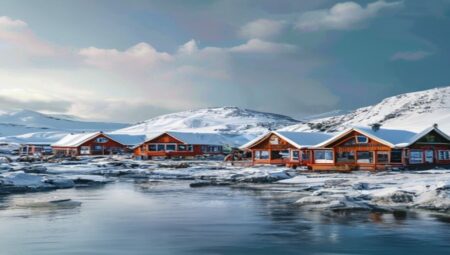
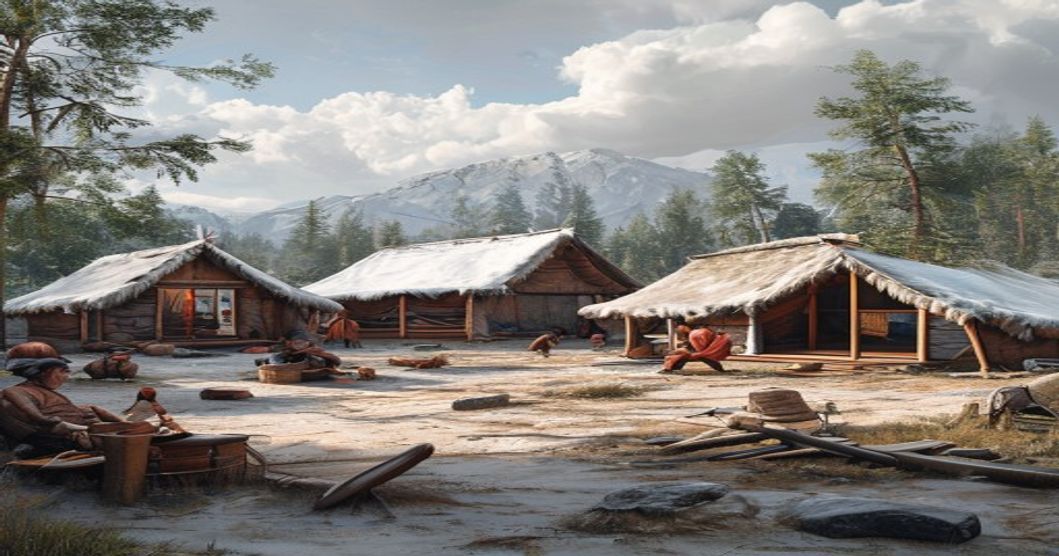
Sami winter camps represent one of the most resilient adaptations to extreme polar environments, anchored across the Sápmi region that spans northern Norway, Sweden, Finland, and Russia’s Kola Peninsula. These seasonal settlements are not temporary shelters but carefully selected ecological nodes where traditional nomadic life intersects with precise environmental monitoring. Camp locations are determined by wind exposure, snow depth, proximity to water sources, and the presence of lichen-rich pastures essential for reindeer nutrition during the coldest months. The architectural foundation of these camps relies on the lavvu (Norwegian/Sammi variant) or goahti, a conical tent structure woven from birch bark, pine branches, and reindeer hides, engineered to withstand gale-force Arctic winds while retaining thermal efficiency through strategic smoke ventilation.
Geographic and Environmental Context
The topography of Arctic migration routes traverses montane taiga, dwarf shrub tundra, and frozen river valleys, where temperatures regularly plunge below -40°C. Camp placement follows microclimatic principles: leeward slopes reduce wind chill, while elevated ground prevents snow accumulation and mosquito breeding in early spring. Historically, camp boundaries were marked by natural landmarks—lichen-covered boulders, ancient pine knots, and carved tree trunks—creating a navigable map passed down through generations without written documentation.
Architectural Design of Traditional Winter Dwellings
Sami winter camps utilize modular structures optimized for rapid assembly and thermal retention. The central hearth, positioned directly beneath the smoke hole, radiates heat upward while drawing fresh air through strategically placed entrance flaps. Reinforced with wooden poles lashed using sinew or braided reindeer hide, these dwellings achieve structural integrity against heavy snow loads. Interior layouts divide functional zones: sleeping platforms lined with dried moss and reindeer pelts, storage alcoves for dried meat and tools, and a dedicated space for processing hides and carving antler implements.
Migration Patterns and Seasonal Rhythms
The pulse of traditional nomadic life is dictated by the annual cycle of reindeer herding, which governs movement across vast territorial expanses. Unlike sedentary agricultural societies, Sami communities operate on a rotational grazing system that prevents overgrazing and preserves lichen meadows critical to herd survival. Migration corridors are not arbitrary; they follow ancient geological pathways shaped by glacial retreats, river drainage patterns, and historical trade routes established centuries ago.
Reindeer Herding as a Driver of Movement
Reindeer herding remains the economic and cultural cornerstone of Sami nomadism. During autumn, herds are driven from highland summer pastures toward coastal or forested winter grounds where snow cover is shallow enough for reindeer to dig through to their primary food source
Sami Camps and Seasonal Living: Structural Overview
Traditional Winter Camp Architecture and Thermal Dynamics
Reindeer hide sod roofs provide superior insulation by trapping air pockets within dense fiber matrices. Central hearth placement creates convective air currents that distribute heat evenly across living spaces. Woven birch branch walls allow controlled ventilation while blocking direct wind penetration during polar storms. Modular tent frames utilize flexible willow branches that absorb structural stress from heavy snow loads without fracturing.
Reindeer Migration Corridors and Seasonal Movement Patterns
Geographic information systems map historical migration paths across Finnmark and Lapland territories. Seasonal pasture rotation prevents overgrazing by rotating herds between summer highlands and winter lowlands. Lichen biomass surveys determine carrying capacity for reindeer populations during extended drought periods. Modern GPS tracking collars transmit real-time location data to herders monitoring herd distribution across vast tundra expanses.
Traditional Food Storage and Winter Rationing
Freeze-dried reindeer meat remains the primary winter calorie source across northern communities. Fermented fish storage utilizes natural permafrost caves for temperature stabilization. Rationing protocols allocate daily portions based on labor intensity and ambient temperature. Bone marrow extraction processes maximize nutrient retention during extreme cold snaps.
Verified Indigenous Operators vs Tourist Traps
Authentic operators display Sámi Duodji certification marks on all commercial materials. Independent tourism boards verify land use permits through Sámi Parliament registries. Red flag indicators include generic reindeer photos and unverified cultural narratives. Direct booking channels ensure revenue supports indigenous community infrastructure projects.
Winter Activity Integration: Sledding and Ice Fishing
Dog sledding routes require frozen lake thickness exceeding thirty centimeters for safe traversal. Ice fishing techniques utilize hand-crank augers to access oxygen-rich water layers beneath ice. Guided expeditions mandate avalanche transceivers and glide-ski training for novice participants. Traditional snare traps demonstrate historical hunting efficiency without modern equipment.
Cultural Programming: Duodji and Oral History
Duodji craftsmanship utilizes reindeer antler carving and birch bark weaving for functional tools. Oral history transmission occurs through joik singing techniques that encode geographical data. UNESCO intangible heritage status protects traditional knowledge-sharing protocols. Modern workshops integrate digital archiving to preserve endangered dialects.
Warming Climates and Lichen Pasture Degradation
Arctic warming rates exceed global averages by triple, disrupting lichen growth cycles. Rain-on-snow events create impenetrable ice layers that block reindeer foraging access. Satellite vegetation monitoring tracks pasture degradation across Finnmark and Lapland regions. Adaptive herding models now incorporate alternative fodder distribution during extreme weather windows.
Land Use Conflicts and Mining Permits
Lithium mining applications threaten critical reindeer calving grounds in northern Norway. Sámi land rights litigation challenges state-issued extraction permits through constitutional courts. Environmental impact assessments now require indigenous consultation clauses under international law. Alternative energy corridors reduce pressure on traditional grazing territories.
Carbon-Neutral Camp Infrastructure Models
Solar thermal collectors replace traditional wood burning for domestic hot water systems. Geothermal heat pumps maintain stable interior temperatures during polar night conditions. Composting toilet networks eliminate wastewater contamination in fragile tundra ecosystems. Modular prefab structures reduce construction carbon footprints by sixty percent.
Optimal Travel Windows by Region
Northern Norway visits peak during February aurora windows and March ice road openings. Swedish Lapland expeditions require December snowfall stability for reliable sled transport. Finnish Arctic tours operate best during April snowmobile season when daylight hours increase. Regional booking windows close three months in advance due to limited operator capacity.
Booking Systems and Guide Certification
Certified guides hold Sámi Tourism Association credentials and wilderness first responder licenses. Booking platforms must display operator land use permits and insurance verification documents. Group size restrictions enforce minimal impact protocols on sensitive tundra vegetation. Cancellation policies align with extreme weather contingency planning.
Extreme Cold Weather Gear Requirements
Layering systems prioritize wicking base layers and insulating mid-layers for moisture management. Windproof outer shells prevent convective heat loss during polar wind events. Thermal boot liners utilize reindeer fur insoles for enhanced foot warmth. Goggle ventilation systems prevent lens fogging during high-exertion activities.
Photography Techniques for Aurora and Ice Landscapes
Long exposure settings capture aurora borealis movement without motion blur artifacts. Macro lens focus reveals ice crystal formations on reindeer hide textures. Manual white balance adjustments preserve authentic twilight color gradients. Weatherproof camera housings protect equipment from blowing snow and sub-zero temperatures.
Sustainable Tourism Metrics and Impact Monitoring
Visitor load limits prevent soil compaction in fragile lichen pasture zones. Waste extraction rates track tourist-generated debris accumulation across camp sites. Carbon offset calculations fund regional reforestation projects in degraded areas. Community benefit indices measure economic leakage prevention through local hiring.
Traditional Navigation and Winter Survival Skills
Star compass navigation enables route finding during whiteout conditions. Wind direction analysis predicts blizzard onset timing across open tundra. Snow trench shelters provide emergency thermal protection when equipment fails. Fire-starting techniques utilize dried birch bark and reindeer antler strikers.
Reindeer Husbandry Laws and Herder Rights
Sámi Reindeer Husbandry Act grants exclusive grazing rights to registered herders. Herding district boundaries are defined by historical usage patterns and geographic markers. Conflict resolution mechanisms address crop damage claims through mediation panels. Modern herd management integrates drone surveillance for anti-poaching patrols.
Ethical Wildlife Viewing Protocols and Distances
Minimum approach distances prevent reindeer stress responses during calving seasons. Observation blind locations utilize natural terrain features for concealment. Flash photography bans protect nocturnal animal vision in dark conditions. Guide interpretation standards enforce quiet observation practices near wildlife.
Winter Tourism Infrastructure and Emergency Services
Avalanche control stations deploy explosive charges along high-risk slopes. Emergency helicopter landing zones are marked by reflective beacons for rapid response. Satellite communication devices enable instant medical evacuation requests. Rescue dog teams locate lost travelers under deep snow cover.
Indigenous Tourism Revenue Models and Fair Trade
Direct booking commissions retain eighty percent revenue for indigenous operators. Cooperative ownership structures distribute profits equitably across herding communities. Fair trade certification verifies living wage standards for all staff members. Transparent pricing models eliminate hidden tour fees for tourists.
Climate Change Adaptation Strategies for Camps
Raised platform foundations prevent permafrost thaw subsidence under camp structures. Alternative fodder cultivation reduces dependency on wild lichen pastures. Early warning systems monitor unseasonal thaw events that threaten camp stability. Relocation protocols activate when traditional grounds become unusable.
Language Preservation and Joik Music Revival
Digital language apps teach Sámi dialect vocabulary through interactive lessons. Joik performance festivals attract global audiences to remote Arctic venues. School curriculum integration ensures intergenerational knowledge transfer. Streaming platforms amplify indigenous musical voices worldwide.
Reindeer Sled Design and Performance Optimization
Asymmetric runners enhance turning stability on packed snow trails. Reinforced tie-down points secure heavy cargo loads during steep descents. Traditional lashings utilize braided reindeer sinew for maximum flexibility. Modern suspension systems reduce driver fatigue over long distances.
Winter Camping Safety and Risk Management
Weather monitoring apps provide real-time avalanche forecasts for campers. Emergency shelter kits include space blankets and high-calorie rations. Communication check-in protocols prevent unreported wanderings in whiteouts. First aid training covers frostbite and hypothermia treatment.
Traditional Sámi Cosmology and Nature Connection
Sacred stone formations serve as spiritual landmarks for herding routes. Nature spirit beliefs inform environmental stewardship practices. Seasonal festivals celebrate reindeer migration milestones with communal feasts. Oral traditions encode ecological knowledge across generations.
Modern Reindeer Husbandry Challenges and Solutions
Climate variability disrupts traditional migration timing across regions. Infrastructure barriers like highways fragment grazing corridors. Predator management balances wolf populations with herd protection. Government subsidies support alternative income streams for herders.
Eco-Friendly Winter Activity Options
Snowshoe trekking minimizes vegetation damage on tundra surfaces. Cross-country skiing offers low-impact exploration of frozen lakes. Ice cave tours utilize guided entry protocols for safety. Wildlife watching requires long-range optics to avoid disturbance.
Indigenous Rights and Land Claims in the Arctic
UN declarations affirm Sámi self-determination over traditional lands. Legal battles challenge state mining permits on grazing grounds. Land use planning integrates indigenous knowledge into policy. International advocacy raises global awareness of Arctic rights.
Winter Tourism Marketing and Authenticity
Storytelling campaigns highlight genuine Sámi experiences for tourists. Visual marketing showcases traditional crafts and daily life. Online platforms connect travelers with operators directly. Testimonial reviews verify cultural authenticity of tours.
Reindeer Herding and Climate AdaptationFrequently Asked Questions
What is Sami Camps and Seasonal Living?
Sami Camps and Seasonal Living refers to the traditional nomadic lifestyle of the Sami people, indigenous to the northern regions of Scandinavia and Russia. This lifestyle involves seasonal migration patterns, where communities move between coastal fishing camps in winter and inland reindeer herding pastures in summer, adapting to the harsh Arctic climate and natural resource cycles.
Key facts about Sami Camps and Seasonal Living
Key facts include: the Sami are the only indigenous people of the EU; their seasonal camps are typically made of traditional lavvu (teepee-like tents) or modern prefabricated structures; reindeer herding is central to their economy and culture; and this lifestyle is increasingly supported by sustainable tourism and cultural preservation initiatives across Norway, Sweden, Finland, and Russia.
Frequently Asked Questions
What is Sami Camps and Seasonal Living?
Sami Camps and Seasonal Living refers to the traditional nomadic lifestyle of the Sami people, indigenous to the northern regions of Scandinavia and Russia. This lifestyle involves seasonal migration patterns, where communities move between coastal fishing camps in winter and inland reindeer herding pastures in summer, adapting to the harsh Arctic climate and natural resource cycles.
Key facts about Sami Camps and Seasonal Living
Key facts include: the Sami are the only indigenous people of the EU; their seasonal camps are typically made of traditional lavvu (teepee-like tents) or modern prefabricated structures; reindeer herding is central to their economy and culture; and this lifestyle is increasingly supported by sustainable tourism and cultural preservation initiatives across Norway, Sweden, Finland, and Russia.