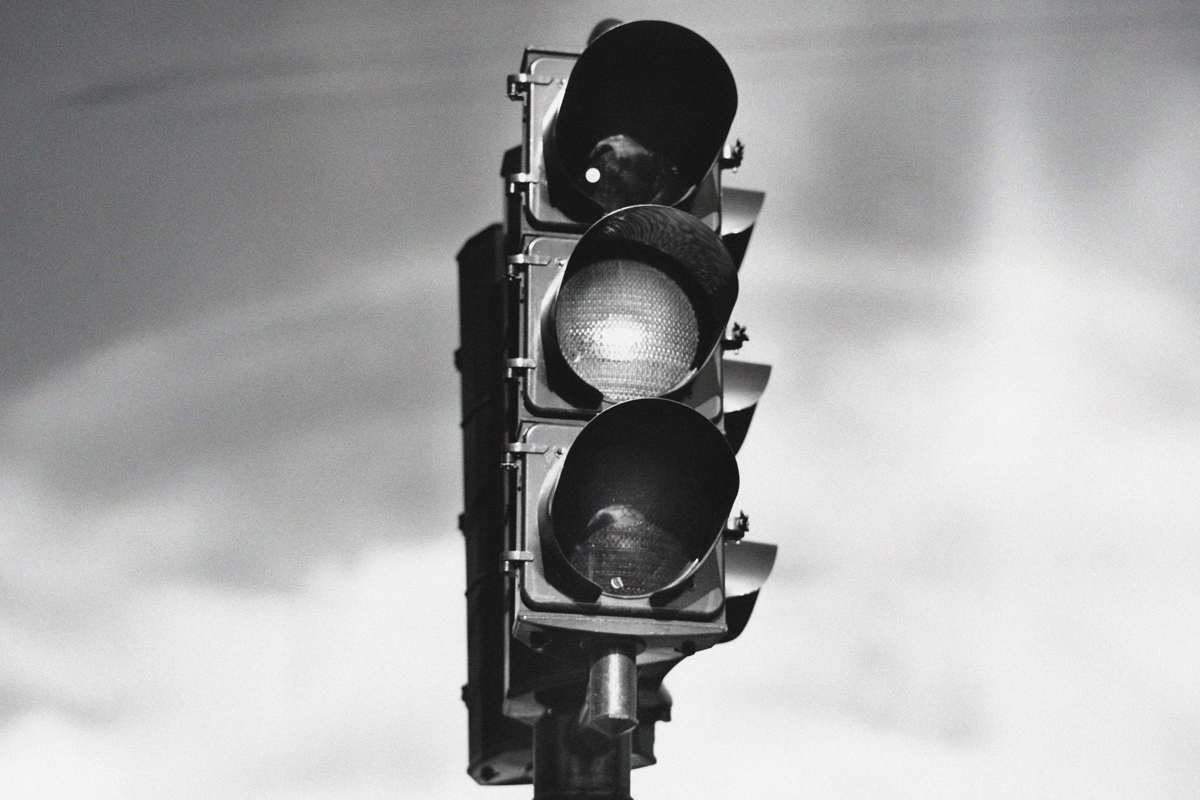
For drivers in many parts of the globe, the red, yellow, and green sequence of traffic lights has become an instinctual part of how we move through the world. But why these three colors? How did they come to govern the movement of billions of people across the planet every day? As it turns out, there are a few factors in play, including the history of transport, color psychology, and basic physics.
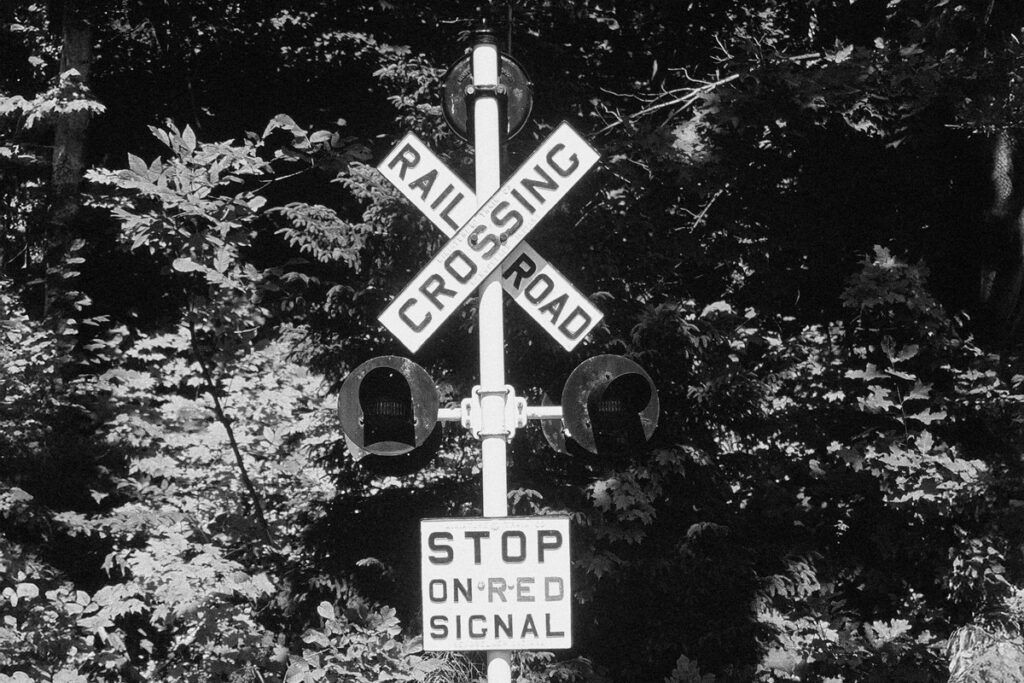
Red Lights and Railroads
The colors used in traffic lights today were not invented for roads. They were largely inherited from the railway industry, which began developing light-based signaling systems in the 1830s (based on even older semaphore flagging). But in the early days of railroads, the colors were slightly different: While red was used to signal “stop,” white meant “go,” and green was the color used to indicate caution.
The use of red in the original system was never really in doubt. In the human psyche, red has an innate connection with warning and danger — a psychological and possibly biological response that might be due to the color’s association with blood and fire.
That alone makes red a natural choice for warning signs. But there’s also some physics in play. Red has the longest wavelength of any color in the visible light spectrum, making it visible over greater distances than many other colors. Red light also dissipates less in the atmosphere when compared to shorter-wavelength light.
So, when a signal must be seen from as far away as possible — and remain visible in fog, rain, or at night — red is the perfect choice. The people in charge of developing railway signals were well aware of both the psychology and physics of the hue, and as it worked just fine for trains, it was later used as the color for “stop” in the world’s first mechanical, electric traffic lights, which appeared in Paris in 1923.
— advertisement —
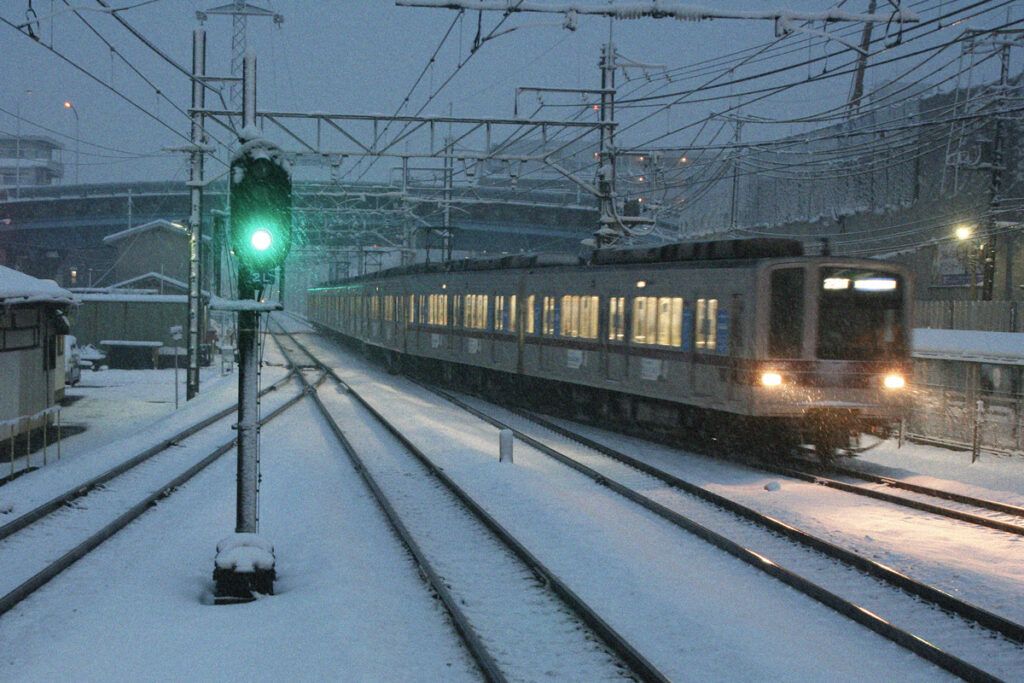
From White Light to Green
While red was a no-brainer for “stop” for both train and traffic lights, the choice of yellow and green wasn’t so inevitable. The railway system originally used white as the color for “go” — but it soon became apparent that this was problematic and potentially dangerous, simply because of the sheer prevalence of white lights in our surroundings. A train driver could easily mistake a star, streetlamp, oil lantern, or the light from a building for a “go” sign. So the railroads decided to adopt a new color — something more distinctive and not easily confused with the light pollution of the modern world.
The solution was to replace white with the color initially used to indicate caution: green. Green light has a shorter wavelength than red but remains highly visible over long distances — and, due to the nature of the photoreceptors in the human eye, green is actually a more widely visible part of the light spectrum at any distance.
The human eye contains photoreceptor cells called cones, which come in three types sensitive to roughly red, blue, and green wavelengths. The green-sensitive cones are the most numerous and most sensitive, so our eyes process green light more efficiently than any other color. This, combined with the psychological association that green has with calm and safety, made it a good option for “go.” It also offered an obvious contrast with the red lights already used for train traffic.
— advertisement —
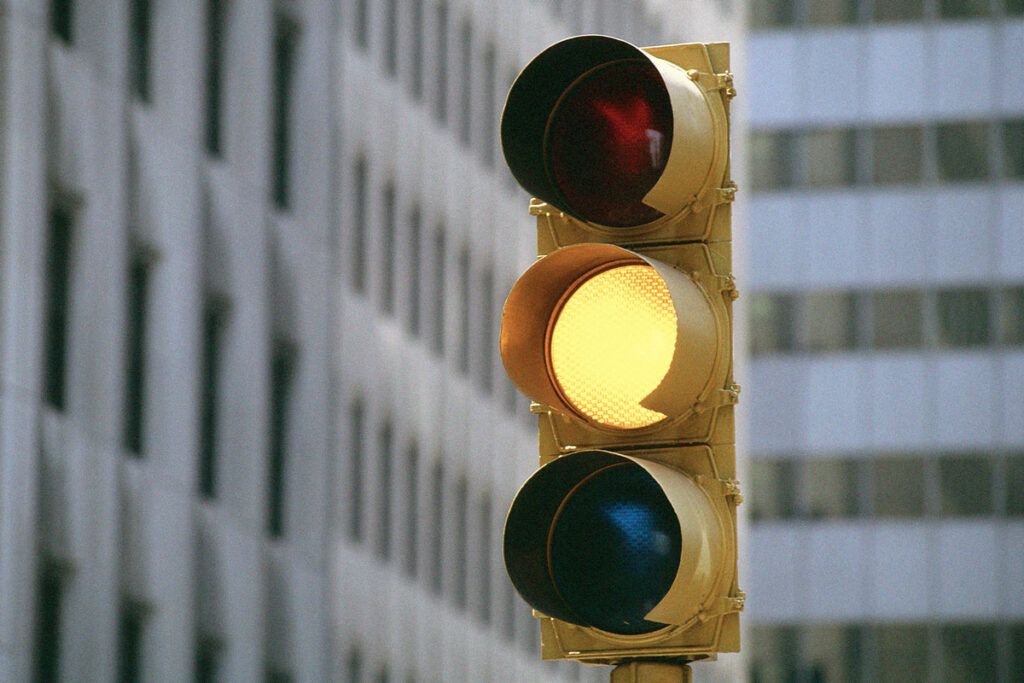
The Addition of Yellow
With green selected for “go,” the railroads chose yellow (or amber) to represent caution. Yellow was distinct enough from red and green to make it a viable option — it sits between those two colors in the visible spectrum. As well as being bright and easy to spot, yellow occupies a middle ground psychologically, having neither red’s alarm nor green’s calm.
When William Potts — the Detroit police officer credited with designing the first three-way colored traffic lights in the 1920s — adapted the system for the road, he continued the use of yellow as the intermediate cautionary light. The system — colors included — spread rapidly, and in 1935 the Federal Highway Administration officially standardized red, yellow, and green as the required colors for all traffic lights in the United States.