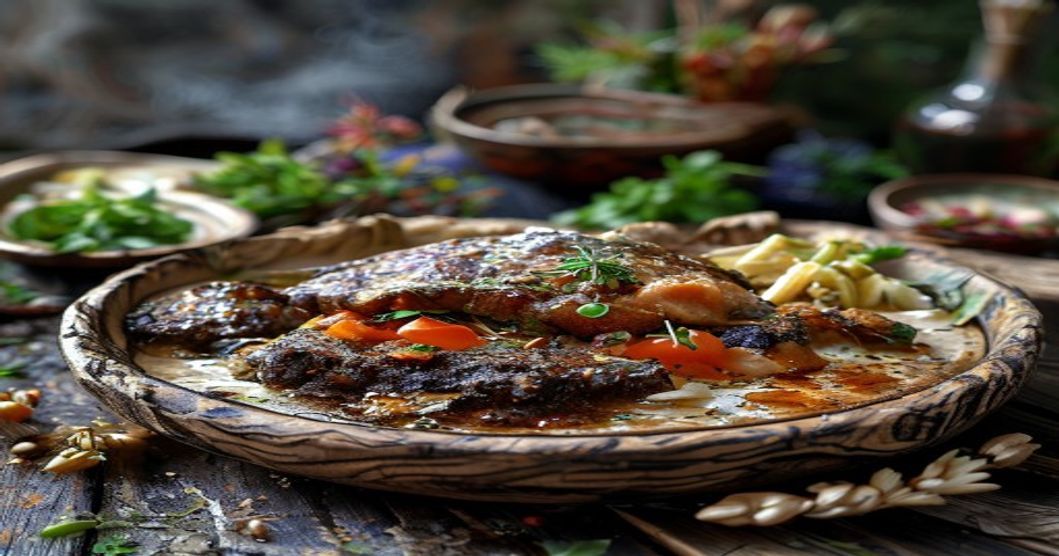
The Geographic and Cultural Foundations of Sápmi Cuisine
Spanning across northern Norway, Sweden, Finland, and the Kola Peninsula of Russia, Sápmi food culture reflects centuries of adaptation to one of Earth’s most extreme environments. The indigenous Sami people developed a highly sustainable culinary system rooted in reindeer herding, Arctic foraging, and seasonal migration patterns. Unlike conventional agricultural societies, traditional Sami cuisine relies on wild ecosystems, requiring deep ecological knowledge passed down through generations. Traditional Sami food practices prioritize resource efficiency, ensuring that every part of hunted or harvested material serves nutritional, medicinal, or cultural purposes.
Core Ingredients and Indigenous Foraging Traditions
The foundation of Sápmi culinary heritage rests on three primary pillars: reindeer, wild fish, and Arctic botanicals. Reindeer herding is not merely an economic activity but a cultural cornerstone that dictates dietary patterns across generations. Reindeer meat dishes supply essential proteins, iron, and B vitamins critical for survival in subarctic conditions. Wild fish from rivers and coastal waters provide omega-3 fatty acids, while Arctic flora contributes antioxidants and antimicrobial compounds.
Arctic Berries and Medicinal Plants
Cloudberries, crowberries, blueberries, and bilberries form the backbone of Sami dessert and preservation traditions. These hardy fruits thrive in acidic tundra soils and are harvested during brief summer windows. Cloudberry preserves and dried berry mixes were historically essential for preventing scurvy and boosting immune function during long winters. Birch sap, wild garlic, and juniper berries also feature prominently in traditional flavoring and natural antiseptic applications.
Wild Fish and Sustainable Harvesting
Atlantic salmon, Arctic char, and whitefish are central to Sami protein sources. Historical fishing methods utilized stone weirs, woven traps, and seasonal netting designed to minimize ecological disruption. Sustainable Sami fishing practices align with modern conservation principles, emphasizing population monitoring and rotational harvesting zones. Saltwater species like cod and halibut were historically preserved through extensive drying racks positioned in Arctic winds.
Traditional Preservation Methods in Harsh Climates
The development of indigenous food preservation techniques was a survival imperative rather than a culinary preference. Sami communities mastered low-energy preservation strategies that required no artificial heat sources, relying instead on ambient temperature, airflow, and natural antimicrobial compounds.
Smoking, Drying, and Fermentation Techniques
Reindeer meat and fish were traditionally smoked over birch or reindeer dung fires, imparting preservative phenols while enhancing flavor. Air-dried Sámi food culture staples like bierga (reindeer jerky) could remain edible for years when stored in ventilated wooden containers. Fermentation occurred naturally in animal stomachs or sealed clay pots, producing probiotic-rich foods that supported gut health during nutrient-scarce months.
Freeze-Drying and Natural Cold Storage
Natural freeze-drying emerged organically as winter temperatures plummeted. Meat and fish laid on elevated racks froze rapidly, then sublimated under dry Arctic winds, creating lightweight, shelf-stable provisions. Underground root cellars insulated with moss and reindeer hides maintained consistent temperatures for storing berries, roots, and preserved dairy products throughout the polar night.
Iconic Traditional Sami Dishes and Culinary Techniques
Sámi culinary identity is expressed through straightforward
Foundations of Indigenous Sápmi Food Culture
Historical Context & Nomadic Dietary Patterns
Sámi subsistence relied on **reindeer husbandry** and seasonal migration routes. Herders followed **calving grounds** in spring and **autumn slaughter zones** in winter. Diet shifted with **transhumance cycles**. Protein sources included **caribou muscle**, **bone marrow**, and **organ meats**.
Core Nutritional Principles & Seasonal Cycles
**High-fat intake** sustained warmth during polar nights. **Vitamin C** came exclusively from raw reindeer liver and wild berries. **Caloric density** dictated meal timing across **transhumance phases**. Summer focused on **fresh catch and green shoots** while winter demanded **preserved stocks and fat-rich cuts**.
Signature Ingredients & Wild Foraging
Reindeer Meat Cuts & Butchery Traditions
**Sivkkat** (dried meat) required precise slicing against the grain. **Rávddeš** (intestine-wrapped meat) cooked slowly over open fire. **Blood sausage** used raw blood and barley flour. **Fat layers** insulated joints during freezing.
Edible Lichens, Mosses & Arctic Fungi
**Reindeer moss** (Cetraria islandica) provided complex carbohydrates. **Cave moss** (Nephroma arcticum) fermented into flatbreads. **Sámi bread** required extended boiling to remove **usnic acid**. **Arctic chanterelles** offered umami during short summers.
Wild Berries, Pine Needles & Herbal Infusions
**Cloudberry** (Rubus chamaemorus) yielded high **antioxidant concentrations**. **Lingonberry** juice acted as natural preservative. **Pine needle tea** replaced scarce citrus fruits. **Juniper berries** flavored curing brines.
Traditional Preservation & Cooking Techniques
Smoke-Curing & Cold Storage Methods
**Reindeer fat** coated meat surfaces to prevent oxidation. **Smoke chambers** utilized **birch bark** for antimicrobial compounds. **Ice cellars** maintained sub-zero temperatures year-round. **Airflow patterns** determined mold growth rates.
Drying Methods & Wind-Curing Practices
**Mountain winds** accelerated moisture evaporation. **Wind-cured strips** required constant turning. **Salt-free drying** preserved delicate textures. **Frost crystallization** concentrated natural sugars.
Acid Fermentation & Lichen Processing
**Lichen starch** converted through **bacterial fermentation**. **Sámi sourdough** utilized **rye bran** as starter. **Lactic acid bacteria** inhibited pathogen growth. **Fermentation vats** lined with **reindeer hide** prevented contamination.
Regional Divergence & Modern Adaptations
Coastal Fishing Communities vs. Inland Herders
**Coastal Sámi** prioritized **dried Arctic char** and **cod liver oil**. **Inland groups** focused on **caribou fat** and **lichen bread**. **Trade routes** exchanged fish for meat. **Dietary boundaries** remained strictly enforced.
Swedish, Norwegian & Finnish Influences
**Swedish Karelian traditions** added **rye sourdough** techniques. **Russian Pomor exchanges** supplied **cod liver oil** and **dried Arctic cod**. **Border zones** created hybrid **preservation recipes**. **Cultural blending** altered fermentation timelines.
Modern Adaptations in Indigenous Restaurants
**Noma-inspired plating** now features **fermented cloudberry gastrique**. **Modern foraging** pairs **reindeer heart tartare** with **birch ash salt**. **Temperature-controlled aging** replaces traditional ice cellars. **Menu pricing** reflects **ethical sourcing costs**.
Where to Source & Experience Authentic Dishes
Verified Culinary Destinations in Tromsø, Sápmi & Lapland
**Gárasavvon** offers **traditional Sámi breakfast** with **blood sausage and reindeer coffee**. **Sámi Dálvi** serves **hand-divided caribou** alongside **lichen flatbread**. **Lapland restaurants** source from **certified herding cooperatives**. **Farm-to-table logistics** maintain **temperature integrity**.
Seasonal Food Festivals & Guided Foraging Tours
**Sámi Food Week** features **live butchery demonstrations** and **fermentation workshops**. **Cloudberry harvest festivals** align with **August peak ripeness**. **Guided foraging** requires **landowner permission** and **species identification training**. **Winter markets** trade **dried Arctic char** for **reindeer antler tools**.
Ethical Consumption & Cultural Preservation
Sustainable Foraging Standards & Land Rights
**Sámi reindeer grazing rights** override commercial logging permits in **Sápmi territories**. **Wild berry harvesting** follows **rotational zone systems** to prevent soil degradation. **Moss collection** requires **subsurface regeneration windows**. **Legal frameworks** protect **traditional ecological knowledge**.
Supporting Indigenous Food Sovereignty Initiatives
**Direct purchasing** from **Sámi producers** bypasses corporate supply chains. **Recipe documentation** requires **community approval** and **cultural context attribution**. **Seed and spore banking** preserves **heirloom lichen strains**. **Educational programs** teach **traditional processing techniques**.
Frequently Asked Questions About Authentic Sami Cuisine From Northern Europe
What is Authentic Sami Cuisine From Northern Europe?
Authentic Sami cuisine from Northern Europe refers to the traditional food culture of the Sámi people, the indigenous inhabitants of Sápmi, which spans across northern Norway, Sweden, Finland, and the Kola Peninsula of Russia. It is characterized by the use of locally sourced, wild, and foraged ingredients such as reindeer meat, fish (like salmon, trout, and whitefish), berries (cloudberries, lingonberries, and bilberries), mushrooms, and herbs. Preservation techniques like drying, smoking, and fermenting are essential due to the harsh Arctic climate, resulting in distinctive dishes such as suovas (smoked reindeer sausage), gáhkku (reindeer and vegetable stew), and rusk (hard bread).
Key facts about Authentic Sami Cuisine From Northern Europe
Key facts include its deep connection to reindeer herding and fishing, reliance on wild foraged ingredients due to limited agriculture in the Arctic tundra, traditional preservation methods that allow food to last through long winters, a strong emphasis on sustainability and respect for nature, and the cultural significance of communal feasting and hospitality in Sámi traditions. Modern interpretations also blend these ancestral techniques with contemporary Nordic cuisine while preserving its indigenous roots.