The Sacred Dance of the Aurora in Sami Cosmology
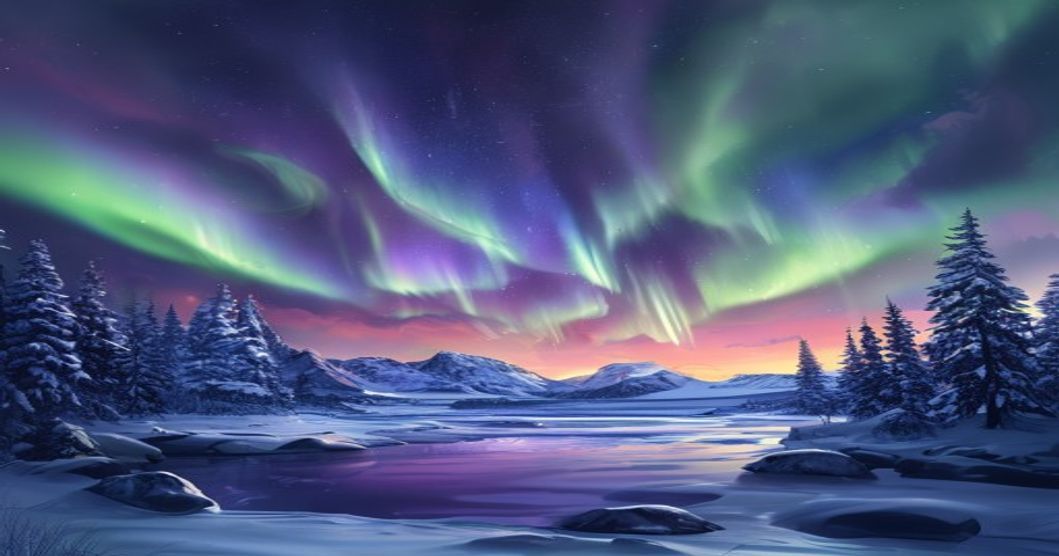
In Sami mythology, the Northern Lights are not merely atmospheric phenomena but living manifestations of the spiritual world. Indigenous communities across Sápmi traditionally viewed the aurora as a bridge between the earthly realm and the celestial domain. The flickering lights were often interpreted as the souls of ancestors returning to guide the living, or as divine messengers carrying omens for hunting seasons and weather patterns. Unlike Western scientific explanations that dominated later centuries, Sami cosmology positioned the aurora as an active participant in daily survival, requiring reverence rather than fear.
The visual dynamics of the lights dictated how they were mythologically categorized. Swift, silent waves were associated with benevolent spirits and favorable fortune, while turbulent, red-tinted displays warned of impending storms or spiritual imbalance. This interpretive framework shaped generations of environmental stewardship, embedding ecological awareness within mythological practice.
Core Legends and Mythological Figures
Bieggaolmmái and the Spirit of the Wind
Central to many Sami aurora narratives is Bieggaolmmái, the giant or spirit who dwells in the sky. According to oral traditions, he kicks his snow boots across the heavens to create the shimmering curtains of light. The myth served a dual purpose: explaining the phenomenon while reinforcing respect for atmospheric forces. When the lights danced vigorously, elders taught that Bieggaolmmái was either celebrating or preparing to release harsh winds, prompting communities to secure their dwellings and reindeer herds.
The Celestial Fox and Cross-Cultural Parallels
While the Finnish term Revontuli translates to “fox fire,” Sami variants describe a mystical arctic fox whose tail brushes against snow-covered peaks, sending sparks into the night sky. This legend aligns with broader Uralic folklore but carries distinct Sami ecological undertones. The fox symbolizes agility and survival in extreme conditions, mirroring how reindeer herders navigated frozen landscapes. The myth emphasized harmony between predator, prey, and environment, reinforcing sustainable hunting practices.
Ancestral Voices and Soul Journeys
Another pervasive belief held that the Northern Lights represented departed souls ascending or descending during liminal periods such as solstices. Sami shamans, known as noaidi, interpreted auroral patterns as spiritual signals during sieidi rituals. The lights were never to be whistled at or mocked, as doing so was believed to attract malevolent entities or disrupt the natural order. This taboo functioned as a psychological and cultural mechanism for maintaining behavioral discipline in isolated Arctic settlements.
Regional Variations Across Sami Territories
Inari Sami Traditions
In the Inari region, aurora legends are tightly interwoven with the deity Aittakaisa and the sacred lake Ivalionjärvi. Stories describe the lights as reflections of celestial battles between good and evil forces, where bright green waves signify victory for the light spirits. Inari elders documented that the phenomenon appeared most frequently during winter solstice ceremonies, marking the sun’s return and reinforcing agricultural cycles despite the region’s reliance on fishing and reindeer husbandry.
Northern Sami Narratives
Northern Sami communities, particularly in Finnmark and Tromsø, emphasize the aurora as a dynamic weather indicator. Legends speak of guovssahasat, the northern lights, whispering warnings about ice thickness on fjords or signaling optimal reindeer migration routes. Oral historians note that these narratives were never static; they adapted to environmental shifts, with newer tales emerging after unusually intense geomagnetic storms recorded in 19th-century missionary accounts.
Southern Sami Perspectives
Further south, where auroral visibility is rarer, Southern Sami myths frame the lights as transient divine visits. Stories describe them as temporary banners raised by sky deities during covenant-making ceremonies between humans and nature spirits. Because of their scarcity in these latitudes, the legends carry heightened symbolic weight, often invoked to mark significant life transitions or tribal alliances rather than routine ecological guidance.
Rituals, Taboos, and Cultural Preservation
Prohibitions and Respectful Observance
Sami aurora folklore is governed by strict behavioral codes. Traditional teachings explicitly forbid whistling, shouting, or gesturing toward the lights, as these actions were believed to provoke Bieggaolmmái or attract wandering spirits. Children were instructed to remain silent and observe with humility, a practice that doubled as safety instruction in treacherous winter terrain. Violations of these taboos were thought to result in frostbite, lost livestock, or spiritual disorientation, reinforcing communal compliance through generational storytelling.
Modern Revival and Mythological Documentation
Contemporary Sami scholars and cultural institutions are actively reconstructing auroral legends that were suppressed during centuries of Christianization. Archives from the 20th century reveal systematic erasure of indigenous cosmologies, prompting current efforts to digitize oral recordings and publish bilingual mythological compendiums. Academic collaborations between Sámi universities and atmospheric researchers now explore how traditional ecological knowledge intersects with modern space weather forecasting, proving that ancient auroral narratives contain empirically observable meteorological insights encoded in metaphorical language.
Frequently Asked Questions: Sami Legends About the Northern Lights
What is Sami Legends About the Northern Lights?
Sami Legends About the Northern Lights refers to the traditional folklore and myths of the Sámi people, the indigenous inhabitants of northern Fennoscandia, who attribute the aurora borealis to spiritual beings, ancestral spirits, or mystical events rather than purely natural phenomena.
Key facts about Sami Legends About the Northern Lights?
Key facts include: the Sámi believed the lights were the spirits of the dead playing football with a reindeer skull; different Sámi groups had varying interpretations (some saw them as protective spirits, others as omens); the legends were traditionally passed down orally through joik (Sámi singing); and the aurora played a central role in Sámi cosmology, influencing daily life and spiritual practices.