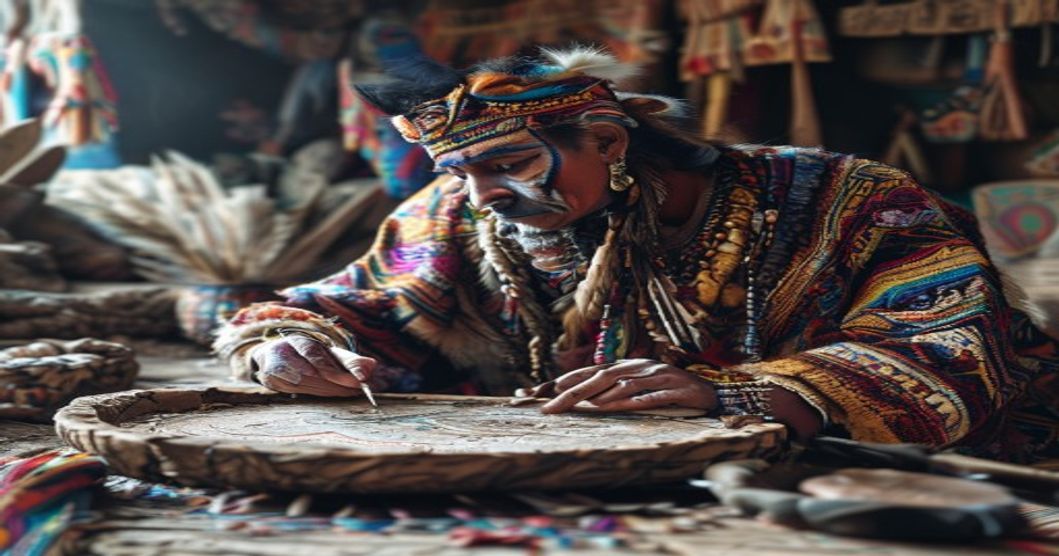
The Origins and Cultural Significance of Sámi Art
Sámi art emerges from centuries of Arctic survival, reflecting a profound connection to the tundra, boreal forests, and frozen seas of northern Scandinavia, Finland, and Russia. This indigenous artistic tradition is not merely decorative but serves as a visual archive of ecological knowledge, seasonal migration routes, and community identity. Traditional Sámi handicrafts prioritize functionality, durability, and spiritual resonance, ensuring that every object carries both practical utility and cultural memory.
Historical Context and Indigenous Roots
The development of traditional handicrafts predates written records, relying instead on oral transmission and generational apprenticeship. Regional variations across the four Sámi homelands—Norwegian Finnmark, Swedish Lapland, Finnish Lappi, and Russian Kola Peninsula—yield distinct stylistic signatures. Archaeological findings reveal that early artisans utilized locally sourced materials long before European contact, adapting tool-making methods to extreme subarctic conditions while maintaining a sustainable relationship with the landscape.
Spiritual Symbolism in Traditional Motifs
Traditional Sámi handicrafts are deeply embedded in animistic and shamanic worldviews. Geometric patterns, sun wheels, reindeer antler silhouettes, and drum motifs represent celestial navigation, seasonal cycles, and ancestral guidance. Colors hold specific meanings: red symbolizes vitality and protection, blue denotes water and the sky, while white reflects snow and spiritual clarity. These symbolic languages transform everyday objects into carriers of cosmological understanding.
Core Materials and Natural Resources
The Arctic environment dictates material selection, forcing artisans to master preservation, transformation, and waste-free utilization. Each resource undergoes meticulous processing to withstand harsh climates while maintaining aesthetic integrity. Sustainable harvesting practices ensure ecological balance, a principle that remains central to contemporary Sámi craft ethics.
Reindeer Hide and Bone Crafting
Reindeer hide and bone are the cornerstone of Sámi material culture. Hides are cured through fermentation, smoking, or brain-tanning methods to produce supple leather resistant to freezing temperatures. Bones and antlers are carved into needles, knife handles, sewing awls, and decorative pendants. Artisans employ traditional bone-burnishing techniques to achieve a polished finish without synthetic coatings, ensuring longevity in nomadic lifestyles.
Wood, Antler, and Metalwork Techniques
Birch root and willow bark provide flexible fibers for weaving baskets, trays, and footwear. Copper and silver smithing traditions utilize cold-hammering, repoussé, and filigree methods to create intricate jewelry and belt buckles. Artisans historically sourced meteoric iron and traded copper across Arctic networks, developing distinctive metal-finishing protocols that resist
“`html
Frequently Asked Questions
What is Sami Craftsmanship and Indigenous Art?
Sami Craftsmanship and Indigenous Art refers to the traditional artistic practices of the Sámi people, the indigenous inhabitants of Sápmi, which spans across northern Norway, Sweden, Finland, and Russia’s Kola Peninsula. This rich cultural heritage includes reindeer leatherwork, duodji (handicrafts), gákti (traditional clothing) adorned with intricate embroidery, joik singing, drum making, and wood carving. These art forms have been passed down through generations and serve as a vital expression of Sámi identity, spirituality, and connection to the Arctic landscape.
Key facts about Sami Craftsmanship and Indigenous Art
Key facts about Sami Craftsmanship and Indigenous Art include: (1) Duodji is the official Sámi handicraft tradition, recognized by UNESCO as part of the intangible cultural heritage of humanity; (2) The Sámi gákti features regional variations in colors and patterns that indicate the wearer’s community and marital status; (3) Reindeer is central to Sámi art, with its antlers, bones, hide, and sinew used for tools, jewelry, and decorative objects; (4) The Sámi drum, or goavddis, was historically used by noaidi (shamans) for divination and spiritual rituals; (5) Traditional Sámi art employs symbolic motifs such as the sun cross, reindeer, and mountain patterns reflecting their deep relationship with nature; (6) Contemporary Sámi artists continue to blend traditional techniques with modern materials, gaining international recognition in galleries and design exhibitions.
“`