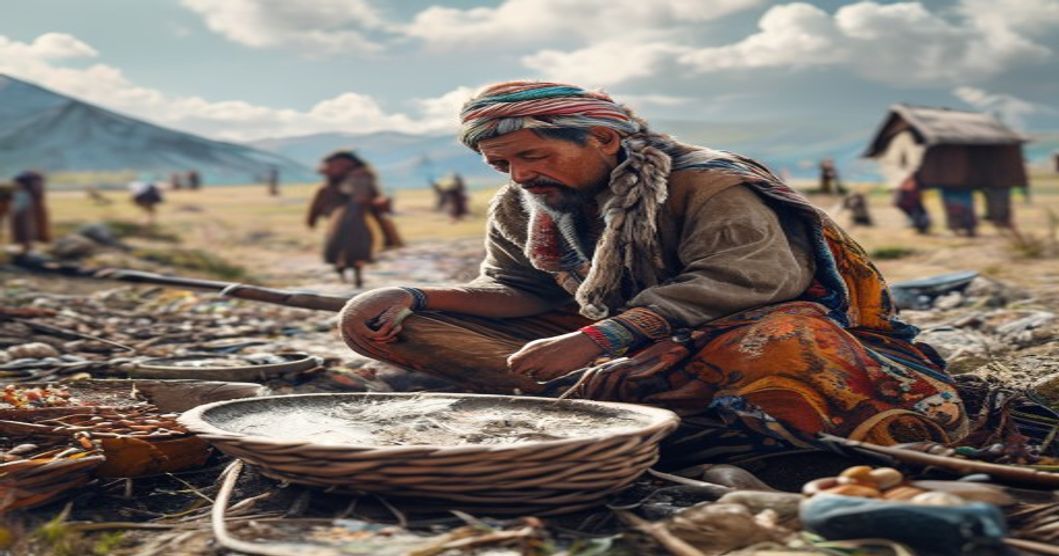
The Foundation of Sámi Livelihoods: Indigenous Economic Practices
Traditional livelihoods among the Sámi people revolve around climate-adaptive resource management across northern Fennoscandia and the Kola Peninsula. Reindeer herding, seasonal fishing, wildlife hunting, and forest foraging form the core of an economic system designed for ecological balance rather than maximal extraction. These practices operate on generational knowledge passed through oral transmission, land-use patterns, and community-based decision-making.
Reindeer Herding as an Economic Engine
The domesticated reindeer herd functions as both a cultural anchor and a financial asset. Each animal provides meat, milk, hides, antlers, and bones, creating a zero-waste supply chain that feeds local markets and export industries. Modern tracking systems, veterinary clinics, and cooperative slaughterhouses have increased traditional reindeer herding efficiency while preserving rotational grazing routes recognized by UNESCO as intangible heritage.
Duodji and the Commercialization of Handicrafts
Traditional Sámi handicrafts known as duodji blend functionality with symbolic artistry. Gákti clothing, carved reindeer antler tools, silver jewelry, and woven textiles now reach global demand through certified authentic labels and digital marketplaces. Artisans collaborate with contemporary designers to adapt patterns for fashion, interior design, and corporate gifting, generating consistent revenue streams while maintaining strict cultural authenticity standards.
Adapting Traditional Knowledge to Contemporary Markets
The intersection of ancestral practices and modern economy structures requires continuous negotiation between preservation and innovation. Sámi entrepreneurs leverage digital platforms, cross-border trade agreements, and EU rural development grants to scale operations without compromising ecological limits. Educational institutions in Tromsø, Rovaniemi, and Kiruna now offer degree programs combining reindeer husbandry science with business management and environmental policy.
Sustainable Tourism and Cultural Economy
Arctic tourism has shifted from passive observation to participatory experiences. Visitors engage in guided reindeer sledding, snowshoe tracking workshops, and traditional food preparation classes led by Sámi hosts. This model directs tourism revenue directly into indigenous communities while funding language revitalization programs and youth entrepreneurship initiatives. Certification bodies monitor visitor impact to prevent cultural commodification and habitat degradation.
Renewable Energy and Resource Governance
Wind farms, hydroelectric projects, and mineral extraction in Sápmi require careful negotiation over land rights and seasonal migration corridors. Sámi cooperatives now participate in joint venture agreements, securing equity shares and environmental oversight clauses. Traditional ecological knowledge informs wind turbine placement and transmission line routing, reducing operational conflicts while ensuring community benefit distribution aligns with long-term sustainability goals.
Navigating Economic Pressures and Policy Frameworks
External market volatility, climate-driven pasture degradation, and regulatory restrictions challenge the continuity of traditional livelihoods. Government subsidies often favor industrial agriculture over nomadic systems, creating financial strain for younger herders. Cross-border cooperation between Norway, Sweden, Finland, and Russia historically facilitated seasonal movement but now faces geopolitical fragmentation affecting herd mobility and trade logistics.
Digital Infrastructure and Market Access
High-speed internet expansion in rural Sápmi enables direct-to-consumer sales, virtual apprenticeships, and remote monitoring of herd health through satellite imagery and IoT sensors. E-commerce platforms specialized in indigenous goods reduce reliance on middlemen, while blockchain verification systems authenticate duodji craftsmanship and prevent cultural appropriation by mass producers.
Youth Engagement and Intergenerational Wealth Transfer
Succession planning remains critical for economic continuity. Mentorship programs pair experienced herders with younger generations trained in agritech, data analysis, and sustainable finance. Community land trusts and cooperative ownership models allow families to retain grazing rights while accessing capital for infrastructure upgrades. Educational scholarships target indigenous students pursuing degrees in environmental economics, legal advocacy, and supply chain management.
Scaling Indigenous Innovation Without Cultural Erosion
Economic growth among Sámi communities depends on balancing market expansion with cultural integrity. Intellectual property frameworks now protect traditional knowledge from unauthorized commercialization, while cooperative enterprises maintain decision-making authority over product development and pricing. Research institutions document climate adaptation strategies that inform broader Arctic policy, positioning Sámi livelihoods as a reference model for resilient indigenous economies worldwide.
Cross-Sector Collaboration and Policy Advocacy
Sámi parliaments and industry associations negotiate procurement quotas, tax incentives, and export tariffs to strengthen economic autonomy. Partnerships with universities, tech firms, and conservation NGOs fund pilot projects in bio-based materials, low-impact processing techniques, and carbon credit programs tied to sustainable grazing practices. These initiatives transform traditional resource management into measurable environmental assets recognized by global certification standards.
Frequently Asked Questions
What is Sami Economic Activities and Livelihoods?
Sami economic activities and livelihoods refer to the traditional and contemporary means of subsistence and income generation practiced by the Sami people, an indigenous group primarily residing in the northern regions of Norway, Sweden, Finland, and Russia. Historically centered around reindeer herding, coastal and inland fishing, hunting, and gathering, these livelihoods have adapted over time to include modern professions, traditional crafts (duodji), cultural tourism, and public sector employment, all while maintaining a deep connection to ancestral lands, seasonal cycles, and sustainable resource management.
Key facts about Sami Economic Activities and Livelihoods
Key facts include: reindeer herding remains a cultural and economic cornerstone for approximately 2,000–3,000 Sami, governed by traditional knowledge and seasonal migration routes; traditional crafts and textiles serve as both cultural expressions and significant sources of income; climate change and land-use conflicts with mining, forestry, and energy projects heavily impact traditional livelihoods; modern Sami communities actively participate in diverse economic sectors including education, technology, healthcare, and public administration; and international indigenous rights frameworks, such as ILO Convention 169 and national Sami Acts, increasingly protect their economic sovereignty, land rights, and cultural preservation.