In the 1800s, daily social interactions operated under a web of unspoken rules designed to convey respect and control. Visiting a neighbor could involve layers of etiquette before a conversation ever began, and meals were more about restraint than sheer enjoyment. These practices reveal a culture that prioritized propriety and the performance of self-control in public and private spaces.
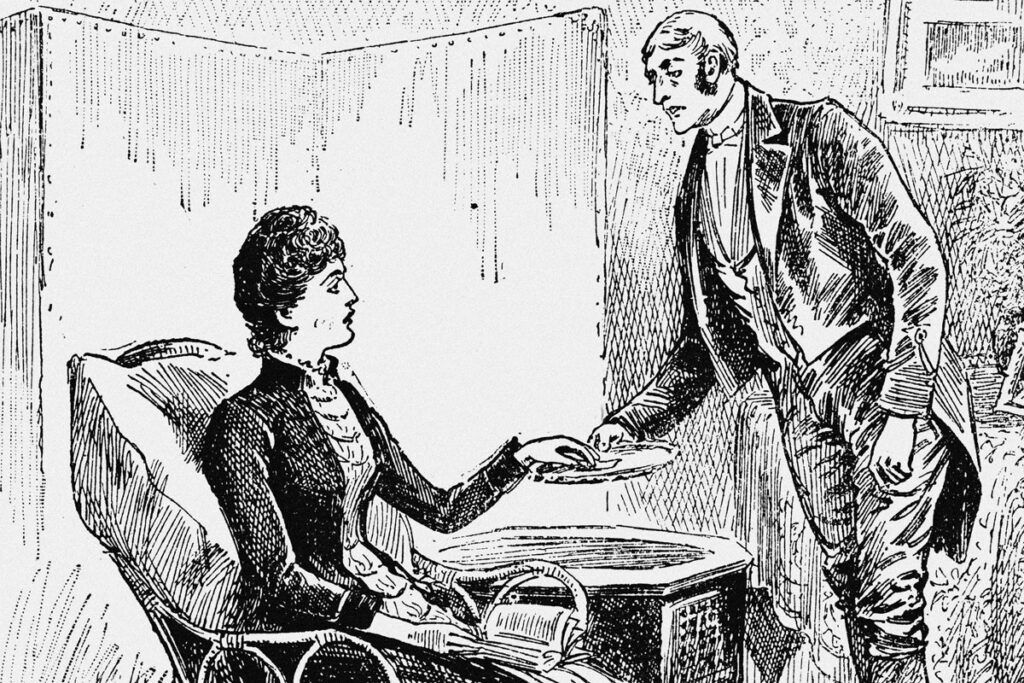
- Visiting Cards Were a Necessity: When calling, you often left a card for each household member. Manuals from the era advised placing one card for the lady of the house, another for the master, and possibly one for a grown son, with a strict limit of three cards. Subtle cues, like a folded corner, could signal that daughters were present. In practice, husbands sometimes delegated the task to wives, and introductions were often directed to the lady rather than the husband. Social distance was maintained through these physical tokens, shaping who could be visited and when.
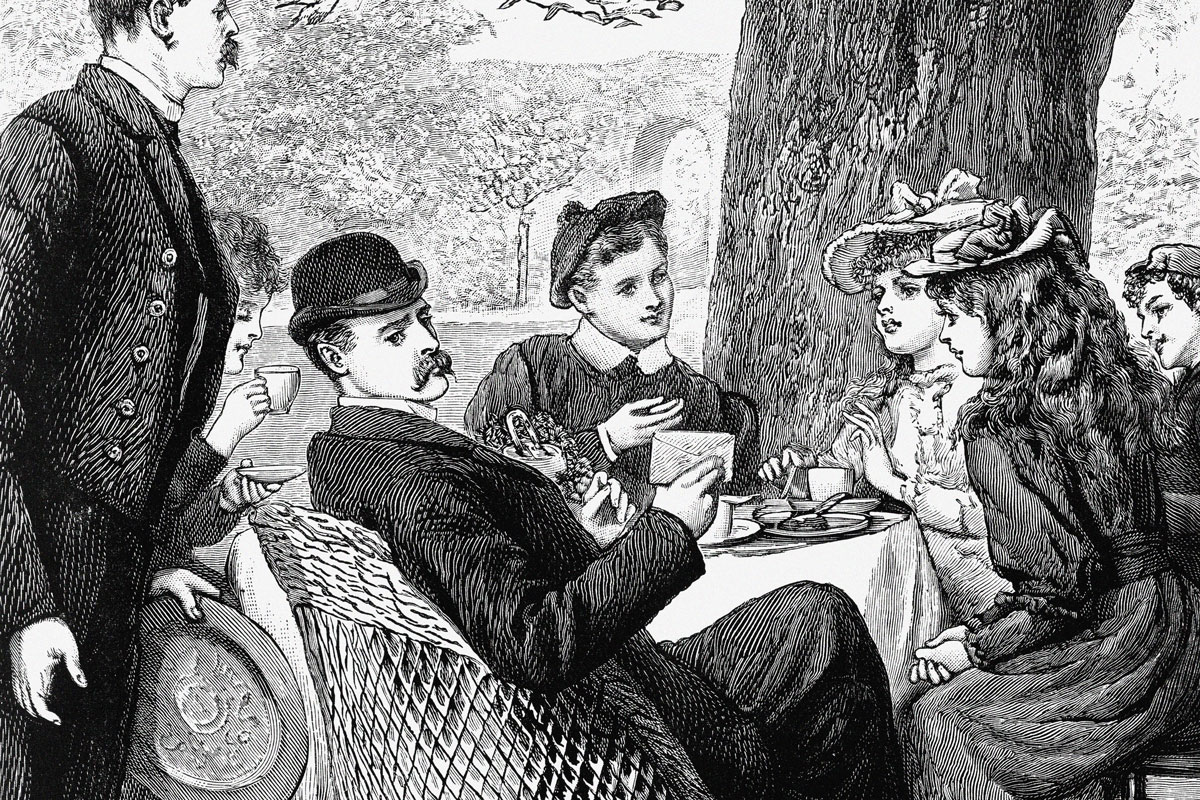
- Multiple Forks for Different Courses: Table manners demanded precision. Forks specialized for meat, fish, pies, and desserts became standard, while some households resisted these changes, complaining that certain foods were awkward to eat with forks. The overarching rule championed restraint: avoid excessive noise, movement, or display, and cut only one bite at a time to project refinement.
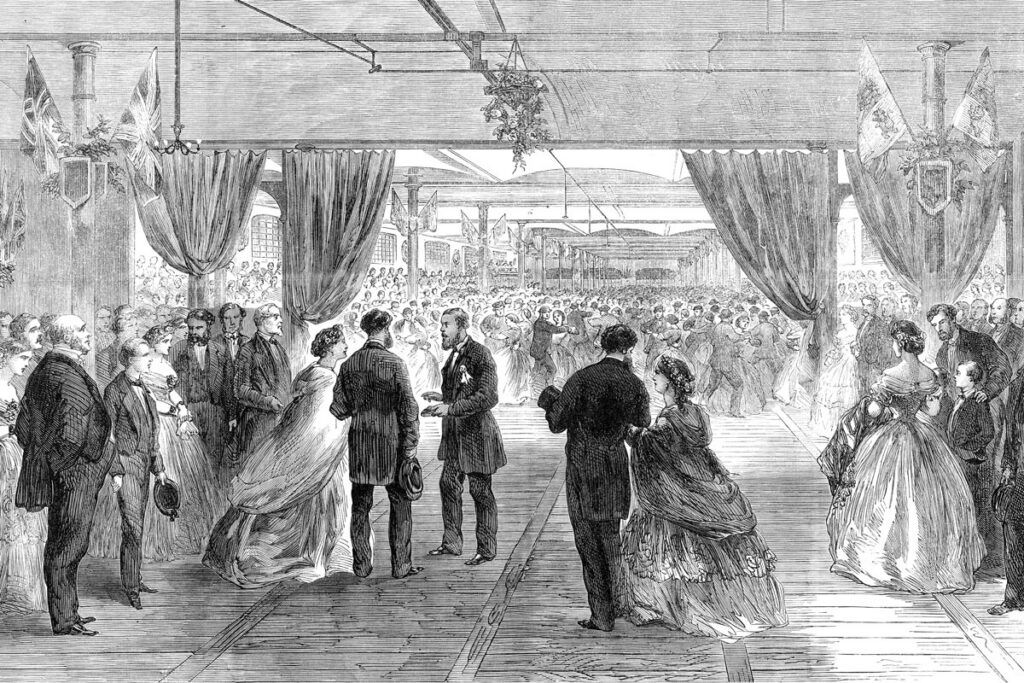
- Self-Introductions Were a No-Go: Introducing yourself without a mediator was frowned upon. Etiquette guides urged letting a formal intermediary arrange introductions, with the general rule that a man is introduced to a woman first, and that inferiors are presented to superiors. If time or circumstance prevented an introduction, it was acceptable to tell visitors you were “not at home,” a fiction used to sidestep social obligation.
- Gloves as Public Boundaries: Wearing gloves signified proper public conduct, especially for women. Gloves needed to be clean, well-fitted, and appropriate to the hour, with specific guidance on when to remove them. Men also followed ceremonial rules about greeting and space. The goal was to maintain a clear boundary between public appearance and private life through subtle signals, including how one handled gloves.
- Widows and the Pattern of Mourning: Grieving households navigated a carefully timed social schedule. A widow in deep mourning typically withdrew from invitations and public events for a year, then gradually re-entered society as she moved through stages of half mourning. Memorial cards and mourning stationery carried symbolic meanings, reflecting a culture that made private sorrow a publicly observed ritual.
These norms illustrate a society where politeness, restraint, and carefully staged social cues governed everything from who could be called upon to how meals were eaten. The result was a tightly controlled social script that defined status and propriety at every turn.