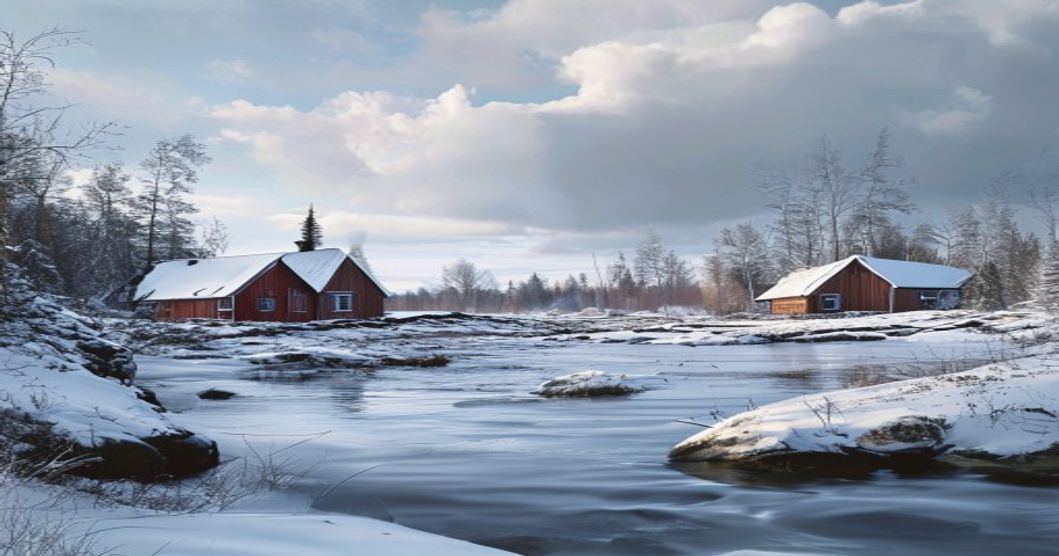
Exploring the Heart of Sámi Heritage in Swedish Lapland
The Sámi people, Europe’s only recognized indigenous population, have sustained resilient livelihoods across the Arctic regions of Sweden, Norway, Finland, and Russia for over four millennia. In Swedish Lapland, authentic Sámi cultural experiences transcend conventional tourism by offering direct engagement with ancestral knowledge, ecological wisdom, and living traditions. Travelers who seek genuine immersion will discover how indigenous practices remain deeply intertwined with seasonal cycles, sustainable resource management, and spiritual continuity.
Reindeer Herding and Indigenous Livelihoods
At the foundation of Sámi culture in Sweden lies reindeer herding, a practice governed by ancient migration calendars and forest tundra ecosystems. Modern Sámi herders still traverse snow-covered fells using traditional sleds, lasso techniques, and coordinated dog teams to manage herd health across vast grazing territories. Visiting a working Sámi village near Kiruna or Gällivare provides insight into how herding routes are adapted to shifting climates, how reindeer antlers and hides are utilized without waste, and how communal decision-making preserves ecological balance.
Traditional Duodji Handicrafts and Artisan Workshops
Duodji, the legally protected Sámi handicraft designation, encompasses centuries of functional artistry. Each creation—from hand-tooled leather belts to silver-adorned Gákti costumes—encodes regional identity, clan lineage, and practical survival knowledge. Workshops facilitated by certified Sámi artisans teach participants how to carve birchroot baskets using traditional knives, weave wool on vertical looms, and engrave brass buckles with geometric motifs that historically mapped seasonal migrations.
Joik Singing and Oral Storytelling Traditions
The Sámi joik operates as a meditative vocal form rather than conventional song structure. It does not describe its subject; it embodies it, capturing the essence of a person, landscape, or reindeer through melodic repetition and breath control. Experiencing a live joik performance inside a lavvu (traditional conical tent) reveals how oral transmission functions as an archival system, preserving ecological observations, moral frameworks, and spiritual reverence for the Arctic environment.
Culinary Journeys Through Sámi Gastronomy
Sámi cuisine in Swedish Lapland reflects centuries of adaptation to subarctic conditions, emphasizing preservation techniques, wild foraging, and zero-waste utilization of natural resources. Modern gastronomic tourism rooted in Sámi foodways prioritizes authenticity over commercialization.
Reindeer Meat, Cloudberry Delights, and Foraging Practices
Lean reindeer meat, prepared through smoking, air-drying, or raw slicing (sopparvi), supplies essential nutrients adapted to cold climates. Equally vital are wild-harvested ingredients: golden cloudberry jam, lingonberries, birch sap, and edible mosses collected using rotational harvesting methods. Guided foraging walks led by Sámi knowledge keepers teach sustainable collection practices that maintain soil integrity and ensure long-term biodiversity.
Participating in Sámi Festivals and Seasonal Celebrations
The Sámi calendar aligns with ecological milestones rather than Gregorian months, with festivals marking survival achievements, resource abundance, and astronomical shifts. Engaging in these events offers direct access to communal values and intergenerational transmission.
Yule Traditions and Spring Sun Ceremonies
During Sámi Yule (Juovlan), communities gather to honor the winter solstice with drumming rituals, ancestral storytelling, and reindeer-based ceremonies that acknowledge nature’s endurance. As daylight returns, local Sun Ceremonies celebrate ecological renewal through traditional dances, craft markets, and collaborative knowledge exchange between elders and youth.
Ethical Tourism and Supporting Sámi Communities
Sustainable tourism in Swedish Lapland demands deliberate choices that center indigenous sovereignty, fair compensation, and cultural preservation over performative consumption.
Choosing Culturally Respectful Experiences
Travelers should prioritize Sámi-owned lodges, guided tours led by indigenous experts, and cooperatives certified by the Sámi Duodji association. Avoiding staged cultural displays and instead participating in workshops that compensate artisans directly ensures tourism revenue sustains linguistic revitalization and craft preservation. Respecting sacred sites, seeking consent before photography, and learning foundational Sámi greetings demonstrate genuine commitment to living heritage.
Frequently Asked Questions
What is Sami Experiences in Swedish Lapland?
Sami Experiences in Swedish Lapland refer to authentic cultural and outdoor activities offered by the indigenous Sami people, including reindeer safaris, traditional lavvu stays, indigenous cuisine, and storytelling under the northern lights, providing a deep connection to Sami heritage and the Arctic wilderness.
Key facts about Sami Experiences in Swedish Lapland
Key facts include: activities are led by certified Sami guides; they take place year-round in regions like Kiruna and Abisko; they emphasize sustainability and cultural preservation; reindeer herding is central to the experience; and bookings typically require advance reservation due to limited group sizes and seasonal weather conditions.