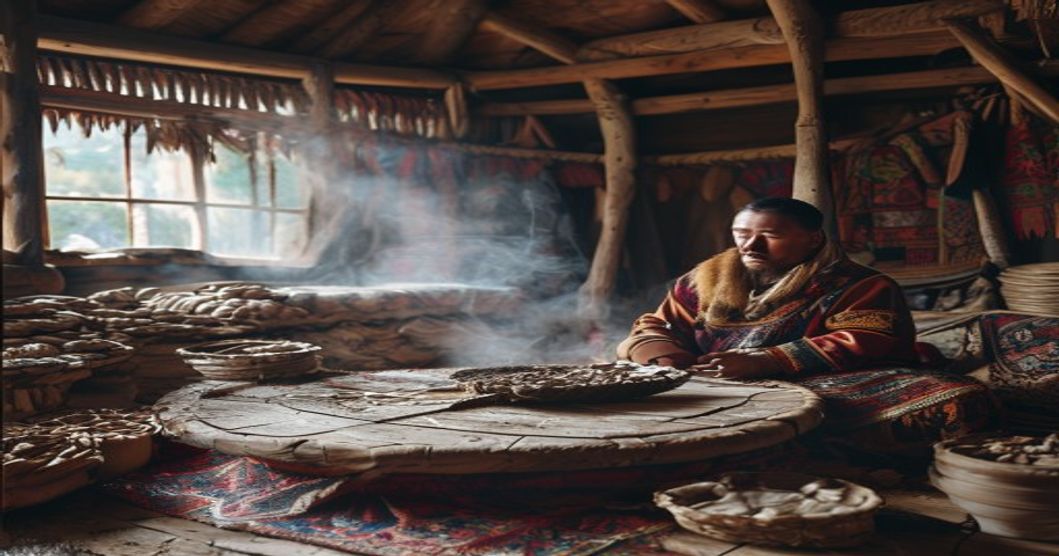
Understanding the Origins and Cultural Significance of Traditional Sami Drying and Smoking Techniques
The traditional drying and smoking practices of the Sami people emerged from the demanding ecological conditions of Fennoscandia’s Arctic and subarctic zones. Long before modern preservation methods, these communities developed sophisticated food processing systems that aligned with seasonal reindeer migrations, fish runs, and harsh winter cycles. Air-drying, known locally as kuovssu, and smoking over controlled fires formed the backbone of their sustenance strategy. These methods were not merely functional but deeply embedded in social structures, spiritual beliefs, and intergenerational knowledge transmission.
Sami artisans selected specific tree species for smoke production, primarily downy birch and Norway spruce, because their resins imparted antimicrobial properties while preventing meat spoilage. Wood selection followed strict seasonal guidelines, with winter-harvested birch yielding higher sugar content for faster combustion. Drying racks were positioned to capture prevailing winds, with careful attention to airflow velocity and ambient humidity. The process required precise temperature management, often maintained through layered moss insulation and strategically placed ventilation gaps in wooden structures called suovastuvva. Smoke density was regulated by adjusting firewood ratios and monitoring flame intensity, ensuring that proteins denatured slowly without becoming brittle. Heat diffusion relied on stone hearths embedded in packed earth floors, which retained thermal mass longer than open pits.
- Reindeer meat underwent partial freezing before slicing, allowing enzymes to break down connective tissue naturally.
- Fish were gutted immediately after catch, then hung on hemlock or alder branches to accelerate surface drying.
- Communal smoking sessions reinforced kinship ties, with elders demonstrating knife techniques and smoke management in real time.
- Smokehouses featured elevated platforms that separated raw materials from ground moisture while allowing cross-ventilation through woven willow walls.
Cultural weight attached to these practices extended beyond caloric storage. Preservation cycles mirrored ecological calendars, dictating migration routes, trading schedules, and ritual observances. Failure to properly execute drying protocols risked entire winter survival, making technical mastery a matter of communal resilience. Knowledge transfer occurred through hands-on apprenticeship rather than written documentation, ensuring tactile competency passed directly between generations. The resulting products carried distinct geographical signatures, with regional variations in smoke flavor reflecting local flora and microclimates. Modern anthropological studies recognize these techniques as early applications of controlled fermentation and low-temperature dehydration, predating industrial food science by centuries.
The Role of Reindeer Herding in Preserving Food Across Lapland
Reindeer herding in Lapland operates on seasonal migration patterns that directly dictate the timing and methods of food preservation. Local herders historically aligned butchering cycles with late autumn movements, when animal fat reserves peak and meat quality remains optimal before winter conditions intensify. Carcasses were immediately processed to prevent spoilage during rapid temperature drops. Thinly sliced lean cuts hung on wooden racks exposed to sub-zero winds, utilizing the region’s natural freeze-drying environment. This air-drying process relies on consistent airflow and low humidity rather than artificial heat, making it ideal for high-latitude climates where mechanical refrigeration never existed. Moisture content drops below fifteen percent within seventy-two hours, creating an inhospitable environment for pathogenic bacteria.
Smoking techniques complemented drying by adding antimicrobial compounds from birch wood, antler ash, and local peat. The smoke penetrates the meat slowly over several days, creating a protective layer that inhibits bacterial growth while imparting distinct flavor profiles tied to specific forest zones. Herders carried portable smoking pits during summer pastures, allowing continuous preservation of surplus meat before returning to winter encampments. This mobile approach ensured food security across vast territories where modern storage infrastructure remains impractical. Temperature control during smoking required constant attention to prevent case hardening, which traps moisture inside and accelerates spoilage.
The ecological relationship between reindeer and preservation methods remains interdependent. Overgrazing reduces lichen availability, which directly affects meat texture and fat composition, impacting how efficiently the meat dries or accepts smoke. Traditional herders monitor animal condition closely, selecting only healthy specimens for long-term storage. Lean muscle fibers dry more efficiently, while intramuscular fat acts as a natural preservative barrier. Modern conservation efforts now document these practices to maintain genetic diversity in reindeer populations and sustain indigenous food sovereignty.
- Seasonal timing aligns with optimal meat composition and stable freezing temperatures
- Portable smoking structures enable continuous processing during transhumance routes
- Natural antimicrobial compounds from regional flora enhance shelf stability without artificial additives
- Fat distribution within the carcass determines drying efficiency and long-term storage viability
- Ecological monitoring ensures herd health directly correlates with food preservation outcomes
Historical continuity of these methods demonstrates how indigenous resource management adapted to extreme environmental constraints. The integration of animal husbandry, climatic awareness, and material science allowed communities to maintain nutritional security without relying on external supply chains. Contemporary researchers analyze protein degradation rates in traditionally preserved meat to validate preservation efficacy and inform modern cold-chain alternatives.
How Climate and Geography Shaped Indigenous Preservation Methods
The harsh Arctic and subarctic environment of Sápmi directly dictated the development of traditional food preservation systems. Prolonged winters, consistently low temperatures, and extended periods of darkness created a natural refrigeration network that minimized spoilage without artificial intervention. Reindeer herders and coastal communities adapted their processing methods to align with these geographic realities. Open-air drying racks, known locally as luhkka, were strategically positioned on elevated ridges or near frozen rivers where persistent wind currents accelerated moisture extraction from meat and fish.
Geographic isolation between mountainous inland regions and coastal fjords generated distinct microclimates that required tailored preservation approaches. Inland populations relied heavily on cold, dry air circulating through the tundra to dehydrate reindeer carcasses and fish fillets. Coastal groups utilized salt spray combined with strong sea winds to cure catches while smoking over controlled peat fires to prevent rapid decay during unpredictable thaw cycles. The availability of specific tree species further influenced technique selection. Birch wood provided a steady, aromatic smoke ideal for delicate fish preparations, whereas dense pine offered higher heat output necessary for longer preservation periods. Frost crystallization during sub-zero nights further stabilized cellular structures, preventing enzymatic breakdown before complete dehydration occurred.
- Elevated terrain improved airflow and reduced ground moisture interference during winter processing.
- Nearby water sources enabled rapid cooling before initial dehydration stages.
- Seasonal temperature fluctuations determined precise timing for smoke exposure to prevent rancidity.
These environmental constraints transformed preservation into a highly calculated practice. Communities monitored wind direction, humidity levels, and ice thickness to determine optimal processing windows. The integration of topography with thermal management allowed protein stores to remain viable throughout the long fasting months. By aligning drying racks and smoking chambers with natural geographic advantages, indigenous
Selecting the Right Meat and Fish for Natural Air Drying
Traditional Sami air drying relies entirely on precise raw material selection, as the Arctic microclimate cannot correct poor initial choices. Reindeer remains the primary protein source, but anatomical positioning dictates success more than breed or age. Muscles from the hindquarters, neck, and shoulder blades offer optimal collagen-to-elasticin ratios that withstand prolonged dehydration without structural collapse. Lean tissue must be prioritized because intramuscular fat degrades rapidly when exposed to sub-zero winds for extended periods. Trimmers traditionally leave a uniform 2-millimeter fat margin along connective seams to prevent protein denaturation while allowing controlled lipid migration during the initial humidity extraction phase.
- Hindquarter cuts provide dense fiber alignment that resists excessive shrinkage and maintains chew consistency across drying cycles.
- Neck muscles contain higher glycogen reserves, which support controlled lactic acid development before freezing temperatures halt enzymatic activity.
- Shoulder blade sections require careful fat removal because subcutaneous layers trap moisture and create localized spoilage pockets.
Fish selection follows equally strict parameters. Arctic char and Atlantic salmon dominate traditional racks, but only specimens caught below 4°C retain sufficient myofibrillar stability to endure rapid dehydration. Fillets must be cut perpendicular to the spinal column to preserve muscle segment integrity. Skin-on portions are intentionally retained because the epidermal layer regulates evaporation rates, preventing surface hardening that blocks internal moisture migration. Fish exhibiting translucent flesh, soft lateral lines, or cloudy gills are immediately discarded; these indicators signal inadequate chilling and accelerated proteolytic breakdown that will compromise the entire batch.
Moisture equilibrium determines viability more than any single anatomical factor. Viable meat responds with immediate spring-back when pressed, confirming balanced glycolysis without early spoilage. Fish must show clean muscle separation and firm connective tissue along the belly cavity. Traditional processors inspect abdominal cavities for residual visceral fluids and check bone marrow coloration; darkened or discolored marrow indicates rapid bacterial proliferation that spreads through capillary networks during the critical first 48 hours. Seasonal harvesting directly influences selection thresholds. Winter-reindeer requires deeper trimming to expose lean tissue to circulating air currents, while spring-caught fish demands strict temperature monitoring during transport to prevent histamine formation before dehydration begins. Every cutting decision maps directly to the target site’s wind velocity and relative humidity, ensuring predictable water activity reduction and safe preservation without artificial intervention.
Building a Functional Smokehouse with Local Materials
Constructing a durable smokehouse using indigenous Sami resources requires precise attention to material selection, thermal regulation, and passive ventilation. The foundation typically rests on flat river stones or locally quarried slate, which elevates the structure above permafrost lines and prevents ground moisture from compromising the timber frame. Green pine logs form the primary skeleton, with corner joints secured through traditional interlocking notches rather than iron hardware, allowing natural wood expansion during freeze-thaw cycles.
Walls demand high insulation values to maintain consistent low-temperature smoking. Builders historically layered split birch bark between log courses, overlapping each strip like roof shingles to direct condensation outward. The exterior receives a packed turf blanket, retaining earth moisture while stabilizing internal temperatures around fifteen to twenty degrees Celsius. Roof structures slope steeply at forty-five degrees to shed heavy snow loads, covered with hand-split pine shingles or dense reindeer hide in historical contexts. Modern adaptations sometimes replace hides with breathable underlayment, though traditionalists maintain that raw hide develops superior smoke penetration barriers as it cures.
Airflow management dictates smoking quality more than fuel selection. A raised wooden grate floor creates an ash collection pit beneath the indirect firebox, preventing flare-ups while allowing oxygen to feed the combustion zone uniformly. Vertical chinking gaps near the ridge line serve as thermal siphons, drawing stale smoke upward through a narrow stone chimney or open vent. Builders carefully calibrate these apertures using adjustable pine bungs, regulating draft velocity without starving the wood fires that generate phenolic compounds essential for preservation.
- Wood Preparation: Harvest slow-growing boreal timber during late autumn when sap levels drop, reducing internal moisture and accelerating seasoning. Split logs must air-dry for twelve to eighteen months before structural assembly.
- Smoke Generation: Utilize only resin-rich Scots pine heartwood or mature spruce burls. These species release balanced terpenes that inhibit bacterial growth without depositing acrid creosote on meat surfaces.
- Interior Configuration: Hang unpeeled willow or rowan branches across the chamber ceiling, curving them to distribute weight evenly and prevent tissue tearing during handling.
The smoking chamber dimensions typically measure two by three meters, balancing surface area exposure with smoke retention capacity. Regular wall seasoning through repeated low-intensity burns deposits a protective creosote matrix, transforming raw timber into a self-cleaning preservation environment that extends tool lifespan and maintains food safety standards across generations. Monitoring relative humidity remains critical; excessive dampness encourages mold proliferation, while overly dry conditions halt protein breakdown. Builders historically placed shallow birch buckets near the firebox to regulate vapor exchange, adjusting water volume based on seasonal ambient conditions.
Controlling Temperature and Humidity for Safe Preservation
Successful preservation of reindeer, fish, and game through Sami heritage methods depends entirely on precise microclimate regulation. The drying and smoking processes rely on controlled moisture extraction while maintaining structural integrity and inhibiting pathogenic microbial activity. Temperature gradients directly influence protein denaturation rates and lipid oxidation, requiring strict management to prevent surface hardening or interior spoilage. Traditional practitioners historically monitored heat output through wood combustion consistency, seasonal wind patterns, and chimney draft behavior rather than digital instruments.
Optimal temperature ranges for traditional Sami smoking typically remain between 50°C and 75°C during active curing phases. Maintaining temperatures below 49°C allows enzymatic activity that accelerates spoilage, while exceeding 80°C causes rapid case hardening, trapping residual moisture inside tissue matrices. Smoke penetration efficiency correlates directly with thermal stability; fluctuating heat sources create uneven carbon deposition and inconsistent flavor development. Practitioners historically adjusted fuel composition—using birch, pine, or reindeer antler wood—and regulated air intake through manual vent manipulation to sustain steady thermal output across multi-day cycles.
- Relative humidity targets must stay between 35% and 60% during initial dehydration stages to enable controlled water activity reduction without surface crystallization.
- Airflow velocity should maintain 0.2 to 0.5 meters per second through drying chambers to prevent stagnant moisture pockets that trigger Aspergillus or Penicillium colonization.
- Temperature differentials between the smoke source and hanging meat must not exceed 15°C to avoid thermal shock and uneven fat rendering.
- Dew point monitoring remains critical; when ambient temperature drops below product surface temperature, condensation forms and rapidly reintroduces moisture into already dehydrating tissue.
Humidity management operates in tandem with smoke chemistry. Phenolic compounds, guaiacol, and syringol deposition requires specific vapor pressure conditions to bind effectively to meat proteins without creating bitter residues. Excessive ambient moisture dilutes smoke concentration, reducing antimicrobial efficacy against Listeria monocytogenes and Clostridium botulinum spores. Traditional Sami drying structures utilized elevated platforms, permeable wall materials, and strategic orientation to harness cross-ventilation while blocking direct precipitation. Modern adaptations incorporate hygrometers and programmable dehumidifiers, yet the underlying principles remain unchanged: consistent moisture removal, stable thermal gradients, and continuous vapor exchange ensure both safety and sensory authenticity across extended preservation periods.
Essential Tools and Wood Types Used in Sami Food Preservation
The preservation of reindeer meat, fish, and game within Sámi communities historically depended on a carefully curated set of handcrafted implements and regionally specific timber resources. Artisans constructed elevated smoking chambers using split logs or woven lattice walls, designed to regulate airflow and maintain consistent heat distribution during extended curing periods. Within these structures, horizontal racks suspended from ceiling beams allowed meat and fish to hang freely, ensuring even smoke circulation while preventing direct contact with ash or excessive moisture.
Tool selection reflected a deep understanding of material properties and seasonal constraints. Traditional Sámi knives featured blades forged from wrought iron or steel, paired with handles carved from reindeer antler or dense birch wood, optimized for precise scaling, filleting, and hide preparation without tearing delicate tissues. Copper or bronze scraping boards facilitated the removal of residual fat and membrane layers before smoking, reducing spoilage risk during long Arctic winters. Drying frames constructed from straight-grained pine poles provided structural support for fish strips, while flexible birch saplings were bent into circular drying rings that maximized surface exposure to cold air and sunlight.
- Birch (Betula pubescens) produces a clean, fast-acting smoke ideal for the initial dehydration phase, rapidly lowering surface moisture without imparting harsh phenolic compounds.
- Spruce or Pine (Picea abies / Pinus sylvestris) releases natural terpenes and resins that act as antimicrobial agents while depositing a protective lipid layer on meat surfaces, extending shelf life in humid microclimates.
- Alder (Alnus glutinosa) generates mild, sweet smoke with low creosote content, preventing bitterness during prolonged exposure and preserving the natural protein structure of fish fillets.
Wood selection directly influenced microbial inhibition rates and flavor development. Resinous conifers were deliberately mixed with hardwoods to balance combustion temperature and smoke density. Smokers maintained low-intensity embers for up to seventy-two hours, relying on thick bark insulation around the fire pit to sustain steady thermal output without flare-ups. Seasonal harvesting dictated material availability, with winter-cut timber yielding lower moisture content and faster ignition, while summer-harvested wood required extended air-drying periods before use in curing chambers. Tools underwent regular maintenance using reindeer tallow and fine sandpaper to prevent blade corrosion and maintain sharp cutting edges throughout the preservation cycle. Smoke particle size, regulated by draft velocity and wood density, determined penetrative depth into tissue, while controlled humidity levels prevented surface hardening that would block further flavor infusion.
Why Birch and Pine Create Authentic Smoke Profiles
Birch and pine dominate traditional Sami preservation methods because their chemical composition directly influences smoke density, temperature stability, and antimicrobial activity. Both species thrive in subarctic environments where the Sami people historically developed these techniques, making them naturally accessible resources. The combustion of birch yields a cleaner, faster-burning smoke rich in acetaldehyde and guaiacol, compounds that rapidly penetrate muscle fibers and inhibit bacterial growth. Pine introduces a heavier, more persistent smoke due to its high resin concentration, which releases terpenes like alpha-pinene and limonene during pyrolysis. These volatile organic compounds settle on the food surface, forming a protective barrier that slows oxidation and moisture loss.
- Birch combustion chemistry: High hemicellulose content breaks down at lower temperatures, releasing aldehydes that accelerate protein denaturation and create a firm outer crust.
- Pine resin dynamics: Coniferous sap contains high concentrations of diterpenes and phenolic acids. When slowly carbonized, these compounds polymerize into stable antimicrobial layers that resist rapid degradation.
- Synergistic blending: Mixing seventy percent pine with thirty percent birch stabilizes flame temperature around sixty-five to eighty degrees Celsius, preventing thermal shock while maintaining consistent smoke output for multi-day drying cycles.
The resinous architecture of pine wood requires careful air-drying over twelve to eighteen months before use. Properly seasoned timber prevents creosote accumulation in the smoking chamber and ensures complete combustion. This controlled slow burn delivers the signature robust profile associated with authentic Sami smoked reindeer caribou and cod. Birch complements this process by providing an initial ignition phase that gradually transitions into a steady, resin-tinged smoke. The interaction between birch’s sugar-driven volatility and pine’s lignin-heavy persistence creates a layered aromatic profile. Sweet undertones from birch cellulose degradation balance the sharp, forest-forward notes of pine terpenes. This duality ensures even flavor distribution without overwhelming the natural taste of the raw material.
Traditional practitioners monitor humidity levels and adjust wood ratios seasonally to match ambient conditions. During high-moisture periods, increasing pine proportions accelerates moisture extraction through enhanced vapor pressure differences. The smoke’s phenolic compounds cross-link with surface proteins, creating a semi-permeable membrane that extends shelf life while preserving muscle texture. Food safety analysis confirms the specific terpene-to-phenol ratio in birch-pine blends optimizes pathogen suppression without introducing harsh acridity. Selecting seasoned wood over fresh cuts remains critical, as green timber releases excessive moisture and incomplete combustion byproducts that compromise both safety and flavor integrity.
Traditional Racks, Hooks, and Windbreaks Explained
The preservation of reindeer meat and fish in subarctic environments relies on a carefully engineered system of drying racks, iron hooks, and strategic windbreaks. These tools are not merely functional; they represent generations of environmental adaptation designed to maximize airflow while controlling moisture loss and smoke penetration. Traditional Sami drying racks are typically constructed from split birch branches or polished reindeer antler, shaped into A-frames or flat rectangular grids. The natural curvature of the wood prevents slippage, while the spacing between bars ensures even exposure to ambient air and controlled smoke currents. Elevated platforms keep meat off the frozen ground, reducing bacterial contamination and allowing cold air to circulate uniformly beneath the surface.
Heavy-duty hooks, originally forged from scrap iron or shaped from hardened wood, serve as the primary suspension mechanism. Craftsmen adjust hook length and placement to regulate proximity to the heat source. Closer positioning intensifies smoke infusion but accelerates drying, requiring constant monitoring. The curved tip design allows meat slabs to hang freely without tearing, preserving cellular structure during prolonged exposure.
- Rack Architecture: Interlocking wooden slats create a lattice that distributes weight evenly while preventing fat from dripping onto coals and causing flare-ups.
- Hook Calibration: Adjustable chain links or carved notches enable precise height modification, adapting to seasonal temperature shifts and humidity levels.
- Windbreak Engineering: Low stone walls, packed turf barriers, or woven willow screens are positioned to deflect prevailing winds. These structures slow air velocity, preventing premature desiccation while channeling cool, smoke-rich air across the meat surface.
The synergy between these components defines successful arctic preservation. Windbreaks act as thermal regulators, maintaining a stable microclimate that balances dehydration with flavor development. Racks provide structural integrity, hooks enable dynamic positioning, and barriers modulate environmental variables. Modern food scientists recognize this system as an early application of passive climate control, optimizing low-temperature smoking without artificial ventilation. The technique remains documented in regional ethnographic records, highlighting how material constraints directly shaped culinary innovation across Fennoscandian Lapland.
Regional Variations and Seasonal Timing in Sami Preservation Practices
The preservation methods employed by Sámi communities diverge significantly across geographical zones, reflecting adaptation to distinct microclimates, available biomass, and historical trade routes. Coastal Sámi in Finnmark and Tromsø historically relied on salt-curing combined with cold-air drying, utilizing persistent northeasterly winds to accelerate moisture extraction from reindeer flank cuts and cod fillets. In contrast, forest-dwelling groups in northern Sweden and Norway prioritized smoking over open drying due to higher humidity levels and denser coniferous cover. These communities developed closed smokehouse structures that trapped low-temperature embers, producing a heavier phenol coating that extended shelf life during brief summer thaw periods.
Seasonal timing dictated the entire preservation calendar. Winter months provided optimal conditions for air-drying, with temperatures frequently dropping below minus twenty degrees Celsius and relative humidity stabilizing near thirty percent. Sámi herders positioned stone racks on windward slopes to maximize convective drying without fat rendering. Spring brought a shift toward smoking as temperatures rose above freezing. Birch, alder, and reindeer moss were carefully cured months in advance to ensure consistent smoke chemistry. The transition period coincided with the autumn slaughter cycle, where meat was portioned immediately after migration stops to prevent bacterial proliferation before deep freeze conditions established themselves.
- Coastal zones utilized tidal flats for initial salt application followed by elevated wooden frames to avoid ground moisture contamination.
- Inland fell regions depended on continuous airflow through elevated stone platforms, preventing ice crystal formation that damaged muscle fiber structure.
- Forest belts required controlled oxygen intake in enclosed smokesites to maintain phenol-to-water vapor ratios necessary for long-term storage.
Microclimatic variations also dictated curing durations and structural outcomes. Meat positioned on southern exposures reached target moisture levels within fourteen days, whereas shaded northern slopes required extended exposure up to six weeks. Fish preservation followed parallel temporal patterns, with Atlantic salmon and char processed strictly during upstream migration windows when intramuscular lipid content peaked. This synchronized approach prevented proteolytic degradation while maintaining cellular integrity. Historical Sámi records indicate that deviations from these seasonal windows resulted in rapid spoilage or excessive fat oxidation, reinforcing the empirical nature of their ecological knowledge.
Winter Freezing Versus Summer Air Drying Methods
The Sámi preservation methods rely on distinct seasonal climatic advantages rather than artificial temperature control. Winter freezing operates through rapid moisture crystallization within meat and fish tissues. When exposed to sub-zero temperatures between January and March, intracellular water forms ice crystals that rupture cellular walls. This structural breakdown accelerates subsequent dehydration while simultaneously inhibiting proteolytic bacteria. The Arctic environment provides natural desiccation because cold air holds minimal absolute humidity. Reindeer carcasses hung on elevated wooden frames during this period lose moisture at a controlled rate, preventing surface mold formation that typically occurs in warmer conditions.
Summer air drying utilizes different preservation mechanisms driven by seasonal wind patterns and solar radiation. The traditional Sámi summer camps position drying racks near coastal currents or mountain passes where consistent airflow removes surface moisture efficiently. High ultraviolet exposure during the midnight sun period generates natural antimicrobial compounds while promoting controlled enzymatic breakdown of muscle proteins. This method requires precise timing because temperatures frequently exceed 10°C, creating conditions favorable to bacterial growth if humidity remains high. Sámi practitioners mitigate this risk by applying coarse sea salt and positioning racks beneath natural windbreaks constructed from reindeer hides or pine branches.
- Moisture removal kinetics: Winter freezing achieves 60% moisture reduction within fourteen days due to sublimation, while summer air drying requires twenty-one to twenty-eight days depending on regional humidity levels.
- Microbial safety protocols: Winter methods rely on thermal inhibition below -18°C, whereas summer techniques depend on rapid surface dehydration and salt concentration gradients that create water activity levels below 0.85.
- Flavor compound development: Extended winter freezing preserves lean protein structures with minimal fat oxidation, producing a clean, mineral-forward profile. Summer drying allows lipid breakdown and Maillard reactions during daytime warming periods, generating complex nutty and umami notes characteristic of traditional Sámi summer provisions.
Skill transfer between these methods requires precise judgment of local microclimates. Experienced Sámi preservers monitor wind direction, relative humidity, and temperature fluctuations to determine when to transition materials between seasonal techniques. The winter freezing approach dominates northern reindeer herding communities where continuous darkness prevents premature fat rancidity. Summer air drying prevails in southern pastures where autumn preparations must align with calving seasons. Both methods demand strict adherence to traditional stacking patterns that maximize airflow while minimizing direct exposure to precipitation or insect contamination.
Coastal Versus Inland Differences in Fish Smoking Traditions
The geographical divide between Norway’s rugged coastline and the interior Fennoscandian plateau fundamentally shaped Sami fish smoking practices. Coastal communities relied on consistent sea winds and high humidity to accelerate moisture extraction during air-drying phases. Salt carried by marine breezes naturally seasoned the flesh, reducing reliance on added curing agents. This environment favored rapid cold-smoking cycles over spruce or birch driftwood, producing a lighter, saline-forward flavor profile suited for quick consumption or short-term storage.
Inland regions presented contrasting conditions. Lower humidity and sharper temperature fluctuations required slower dehydration processes to prevent surface hardening while the interior remained moist. Sami artisans in these zones constructed elevated wooden racks with adjustable airflow channels, allowing precise control over drying rates. Terrestrial timber—pine, alder, and juniper—became the primary fuel sources, imparting resinous and earthy notes absent from coastal variants. The extended curing periods inland also favored longer preservation, aligning with seasonal migration patterns and winter provisioning needs.
- Coastal smoking utilized open-frame structures positioned near waterlines, where tidal air currents maintained steady ventilation. Fish were typically gutted whole or split flat, maximizing surface exposure to brine-laden winds.
- Inland techniques required insulated smokehouses with adjustable dampers and stone hearths to regulate heat output. Species like arctic char and vendace dominated inland catches, demanding thicker flesh penetration and longer smoking durations.
Fuel selection further distinguished the two zones. Coastal Sami gathered weathered driftwood and coastal birch, which burned clean with minimal creosote buildup. Inland practitioners harvested young pine branches and alder twigs, deliberately introducing green wood to generate dense, slow-burning smoke that penetrated deeper into denser fillets. These methodological divergences were not arbitrary; they emerged from generations of ecological observation, where survival depended on matching preservation timelines to local microclimates and available biomass.
Safety Standards and Modern Adaptations of Ancient Sami Techniques
Traditional Sami drying and smoking methods, historically reliant on wind, cold air, and open pine fires, now operate within stringent contemporary food safety frameworks. Modern producers integrate historical practices with verified preservation protocols to ensure product consistency while eliminating microbial risks inherent to uncontrolled environments. Temperature regulation remains the primary focus, with commercial facilities replacing ambient weather dependency by utilizing precision-controlled drying chambers that maintain optimal humidity levels between fifteen and twenty percent. This controlled atmosphere prevents mold proliferation while accelerating moisture extraction without compromising the delicate protein structure of reindeer or Arctic char.
Smoke composition has undergone significant scientific refinement to meet international health guidelines. Traditional open-fire combustion often generates polycyclic aromatic hydrocarbons, prompting modern facilities to implement indirect smoke generators and filtered birch or juniper wood systems. These adaptations retain the characteristic terpenes and phenolic compounds essential for flavor development while drastically reducing carcinogenic particulate output. Automated monitoring stations continuously track carbon monoxide levels, chamber pressure, and surface moisture content, ensuring every batch aligns with HACCP protocols.
- Real-time hygrometry replaces seasonal intuition, allowing producers to adjust airflow velocity based on precise dew point calculations.
- UV-C sterilization zones are integrated at pre-processing stages to neutralize surface pathogens before traditional exposure begins.
- Cold-smoking parameters strictly maintain internal product temperatures below four degrees Celsius during the initial phase, preventing bacterial activation while smoke penetrates evenly.
- Wood sourcing verification guarantees that all botanical materials remain free from pesticides and industrial runoff, preserving both ecological integrity and consumer safety.
Regulatory alignment with Nordic food authorities requires comprehensive traceability documentation. Every stage of the drying cycle, from initial brining to final curing, demands batch-specific logging accessible through digital quality management systems. This transparency supports both export compliance and traditional craft preservation. Modern adaptations do not erase historical methodology; instead, they layer scientific validation over ancestral knowledge. Producers maintain hand-turning schedules, natural air circulation patterns, and wood selection rituals that define Sami culinary heritage, while eliminating variables that once threatened crop viability. The result is a preserved product that honors centuries of Arctic survival strategy and satisfies contemporary nutritional labeling requirements. Continuous research into microbial inhibition through traditional salt ratios and smoke chemistry further bridges historical practice with laboratory-grade assurance, ensuring these techniques remain viable for future generations.
Avoiding Botulism and Ensuring Proper Moisture Reduction
Botulism represents a critical threat during traditional preservation processes because Clostridium botulinum spores germinate rapidly when water activity drops below 0.85 but remains above 0.60 in anaerobic conditions. The Sami approach mitigates this risk through disciplined moisture extraction and oxygen exposure management. Proper drying requires maintaining a consistent airflow across all product surfaces to prevent stagnant pockets where spores could activate. Traditional wind towers and elevated wooden racks create natural convection currents that accelerate surface evaporation while drawing moisture from the core. Temperature regulation during the initial phase must stay below 4°C to inhibit bacterial multiplication before sufficient dehydration occurs.
Weight loss serves as the primary quantitative indicator of successful preservation. Reindeer meat and Arctic char typically require a 50 to 65 percent reduction in original mass to reach safe water activity levels. Artisans monitor this metric daily, adjusting rack spacing and smoke density accordingly. Salting precedes the drying phase to draw out intracellular fluid through osmotic pressure, effectively lowering available moisture before heat or wind exposure begins. The application of dry salt mixtures containing nitrates or nitrites further suppresses spore germination while complementing natural dehydration.
- Maintain relative humidity below 60 percent during the first seventy-two hours of processing.
- Avoid overlapping pieces to guarantee uninterrupted air circulation around every surface.
- Inspect cut edges daily for slimy residues or discoloration that indicate premature fermentation.
- Utilize winter months when ambient temperatures consistently remain below freezing, accelerating moisture sublimation.
Smoke contributes to safety only after primary dehydration has occurred. Early smoke exposure seals the exterior too quickly, trapping internal moisture and creating ideal anaerobic conditions for toxin production. Traditional practitioners apply heavy smoke only during the final stage, primarily for flavor development and surface antimicrobial action through phenolic compounds. Moisture equilibrium dictates the final texture and shelf stability of preserved goods. When internal water activity reaches 0.65, enzymatic activity halts completely, locking in nutrients while preventing spoilage organisms from developing. Experienced craftspeople validate dryness by bending a sample; the flesh should yield slightly without cracking or releasing liquid. This tactile assessment, passed down through generations, replaces modern hygrometers and guarantees consistent results across varying Scandinavian microclimates.
Frequently Asked Questions
What is Traditional Sami Drying and Smoking Techniques?
Traditional Sami drying and smoking techniques are ancient preservation methods used by the indigenous Sámi people of Northern Europe. These methods involve naturally air-drying reindeer meat, fish, and game over open fires or in smokehouses, utilizing cold climates and specific wood types to enhance flavor and extend shelf life without modern refrigeration.
Key facts about Traditional Sami Drying and Smoking Techniques
Key facts include: the process relies on sub-zero temperatures and constant airflow; birch or pine wood is traditionally used for smoking to impart distinct aromatic qualities; the techniques have been passed down through generations as part of Sámi cultural heritage; and these methods are still practiced today to preserve traditional foods like suovas while maintaining ecological balance in Arctic environments.